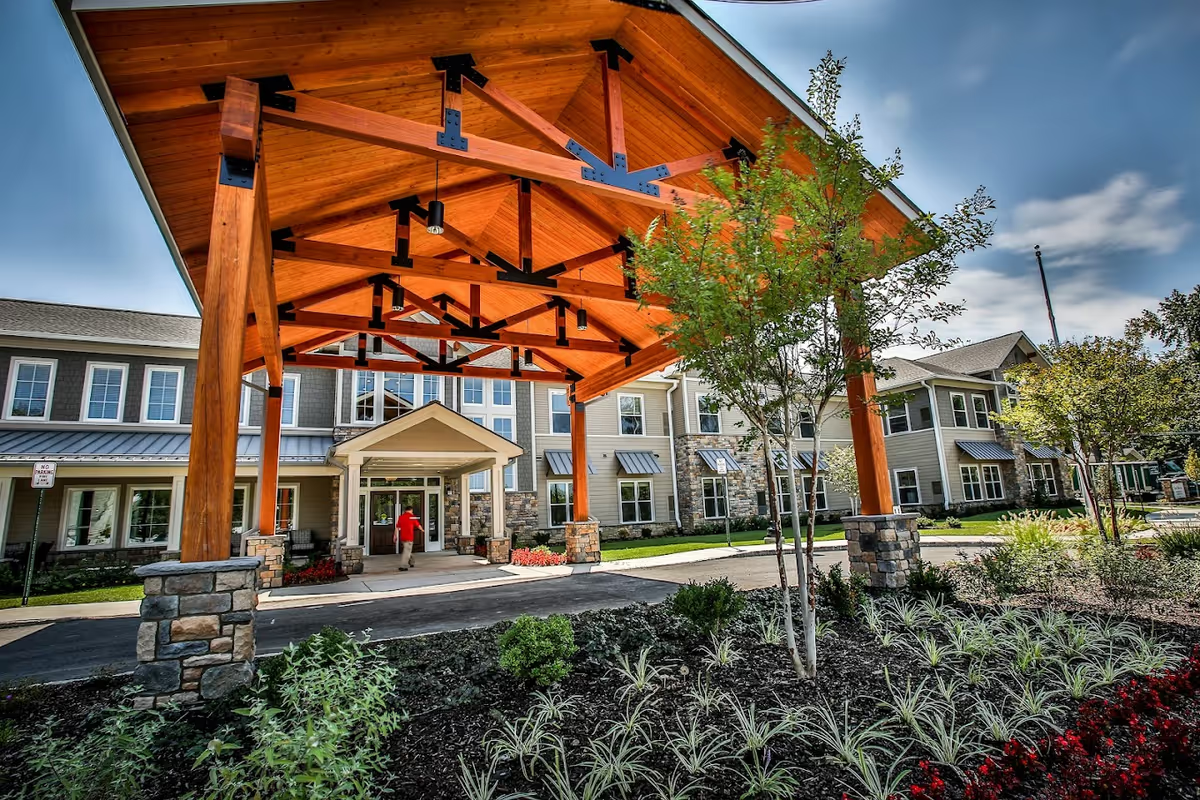
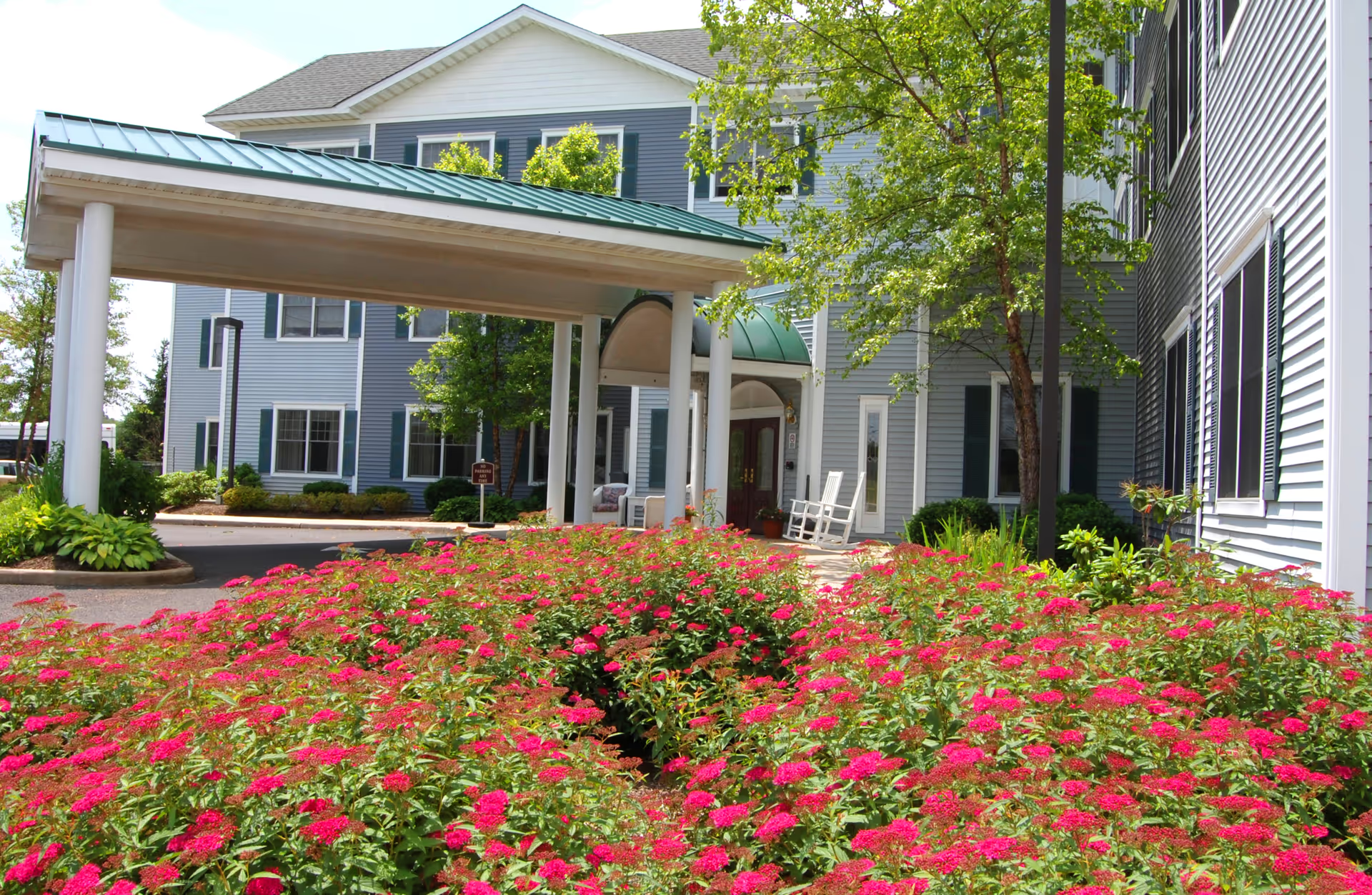
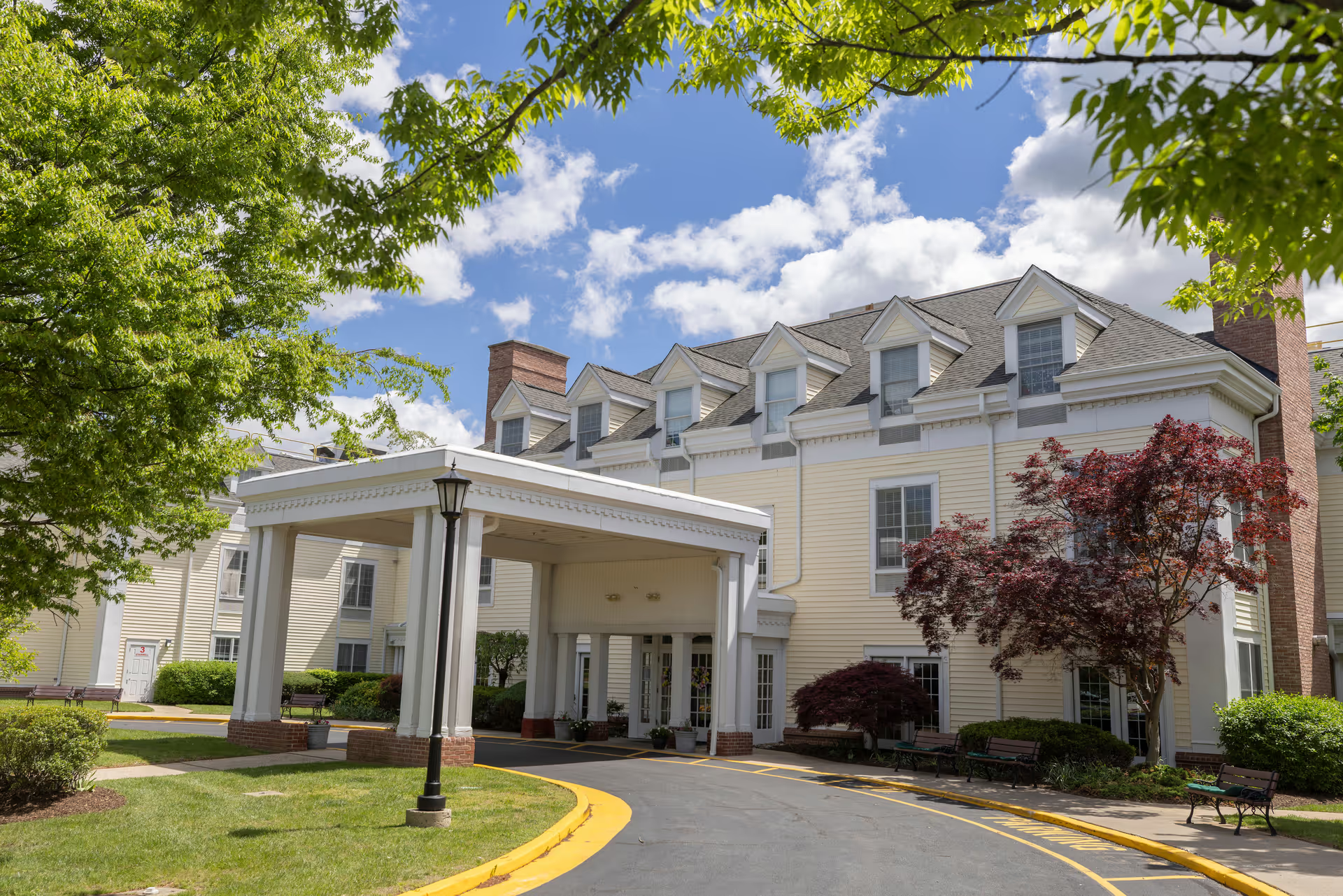
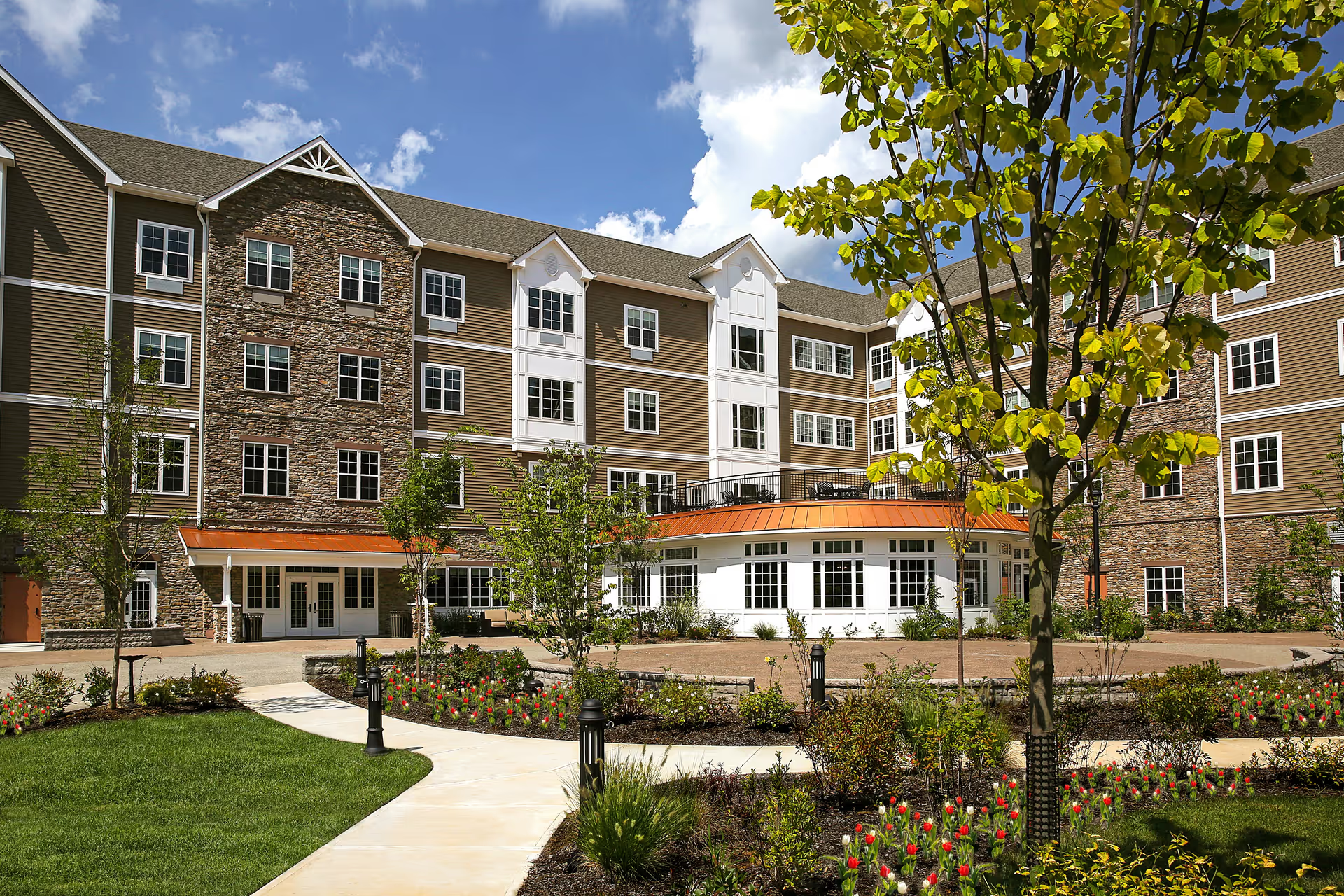
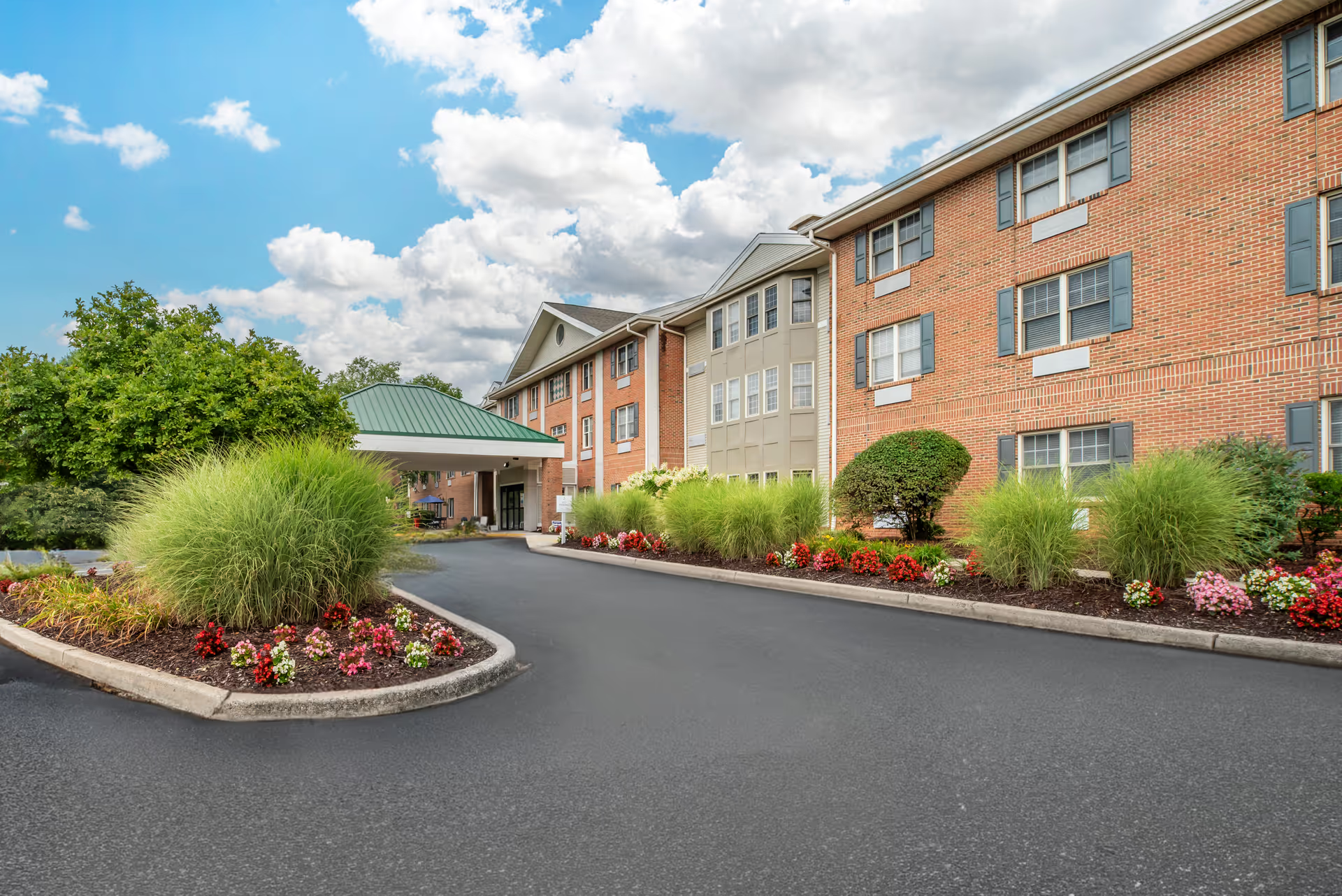
Reformed Church Home presents a broadly positive profile for prospective residents and families, with a strong emphasis on cleanliness, an attractive physical environment, and a wide range of services. Many families describe the facility as immaculate, sunny, and well maintained, with private and studio options, per-floor dining rooms, and plentiful windows. The facility's activity program and volunteer engagement are commonly mentioned as strengths; residents and families report diverse, creative activities, regular worship services, and a welcoming social atmosphere. Housekeeping and maintenance responsiveness are also noted as positive contributors to residents' comfort.
Staffing and clinical services are polarizing. A substantial number of reviewers praise compassionate, long-tenured nursing and caregiving staff, effective rehabilitation teams, attentive therapy that supported meaningful functional gains, and clear family communication including weekly care-team check-ins. Social work and admissions personnel are frequently identified as helpful, and hospice and end-of-life services are available and described as supportive. At the same time, reviewers raise operational concerns that point to inconsistent execution of clinical processes: medication-management controls gaps, intermittent supervisory presence (notably overnight), and variability in call-bell responsiveness and assistance with toileting. There are also allegations of serious clinical incidents in a small number of accounts, including medication errors and therapy-related injury; these suggest a need for rigorous medication reconciliation, clear therapy progression plans, and explicit specialist coordination for higher-risk patients.
Dining and nutrition receive mixed but specific feedback. Many reviewers praise fresh vegetables, well-presented meals, and helpful dietary staff, and note convenient dining options on each floor. However, there are repeated mentions of meal-service continuity issues—meals served at an inappropriate temperature, inconsistent accommodation of special diets such as gluten-free or diabetic needs, and occasional lapses in beverage service. Prospective families should ask about nutrition protocols, special-diet handling, and kitchen-to-resident delivery timing.
Facility layout and management impressions are also mixed. The building is described as organized and well run, yet some reviewers find the layout segmented with smaller or office-like dining spaces that limit openness and sociability. Several reviewers note visible signs of aging in portions of the facility, and there are recurring concerns about admissions and billing transparency (for example, fees tied to bed removal or contract terms). Staffing patterns are central to the divergent experiences: when staffing and supervision are consistent, families report peace of mind and high-quality care; when staffing is inconsistent, particularly on night shifts, families report delays in response and escalated concerns.
Overall pattern and recommendations: the facility demonstrates substantive strengths in environment, therapy, activities, and many elements of person-centered care, producing high satisfaction for numerous families. However, the presence of clinically significant allegations and repeated operational themes—medication-management gaps, variable staffing/supervision, inconsistent dietary accommodations, and communication/coordination gaps with outside providers—indicate areas to vet during placement. Prospective residents and families should inquire specifically about medication reconciliation processes at admission, overnight staffing ratios and supervisory coverage, individualized therapy plans and specialist coordination, dietary accommodation protocols, and clear billing/contract terms. Those steps can help maximize the many strengths this facility offers while mitigating the operational risks noted by other families.