Crest Pointe presents as a strongly rehab-oriented facility with a clear emphasis on physical and occupational therapy. Many families and residents praised the therapy teams for producing measurable progress and for delivering intensive, individualized rehab programs. The facility accepts Medicare and is often described as effective for short-term rehabilitative stays and transitions back to home.
Staffing and direct care are frequently cited as strengths: reviewers consistently highlight compassionate, attentive nurses and aides, several long-tenured caregivers, and proactive social-work support. Leadership and administration receive positive mention for being hands-on and communicative in many cases, and discharge coordination and admissions processes are described as helpful. At the same time, staffing inconsistencies — including weekend coverage issues and higher turnover — contribute to variable day-to-day experiences and sometimes slower response times to resident requests.
Dining and activities show a mixed picture. The activities program is regularly described as engaging, with diverse events, holiday celebrations, outings, and a sense of community in common spaces. The dietary team and some dining staff are praised for generous portions and protein-focused meals; however, food quality and mealtime experience are inconsistent across accounts, with multiple mentions that meals can be institutional or unappealing and that dining-staff friendliness varies.
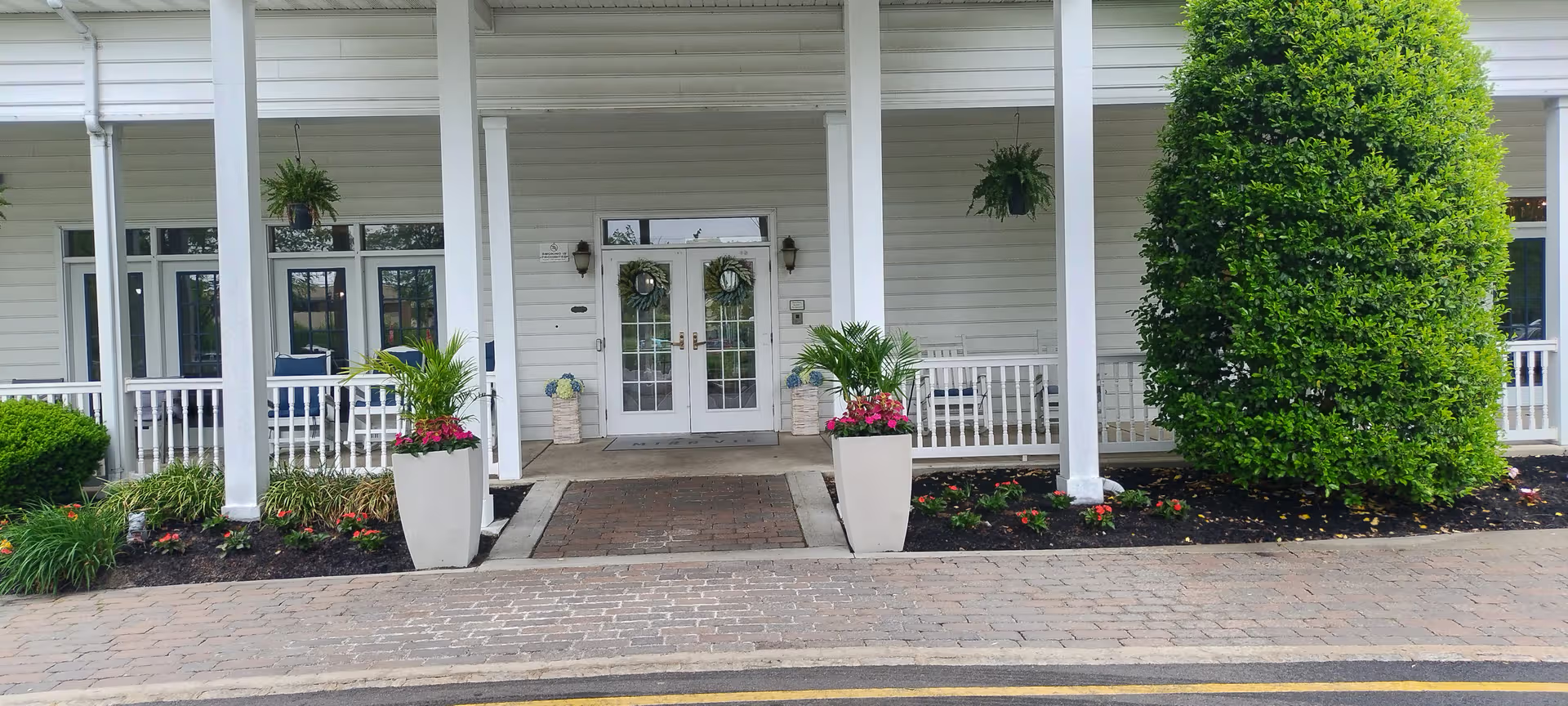
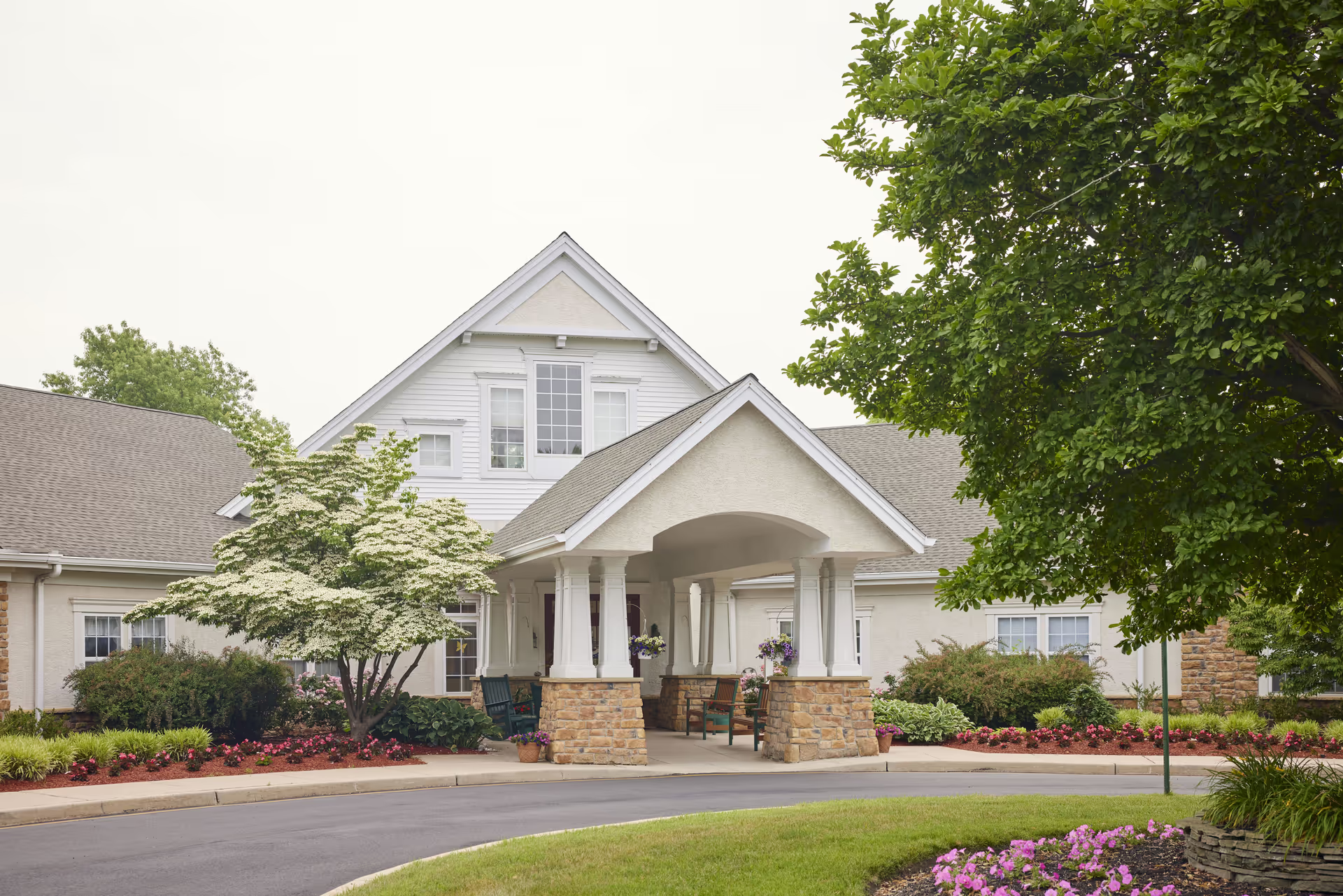
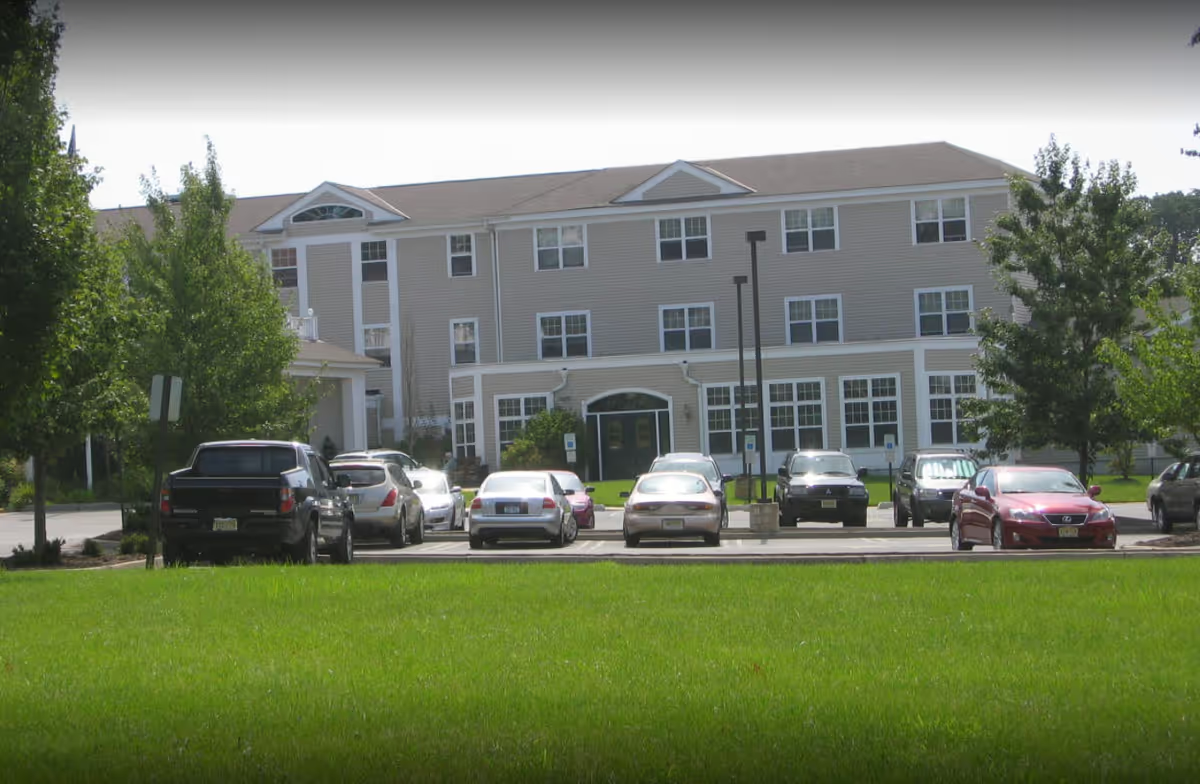
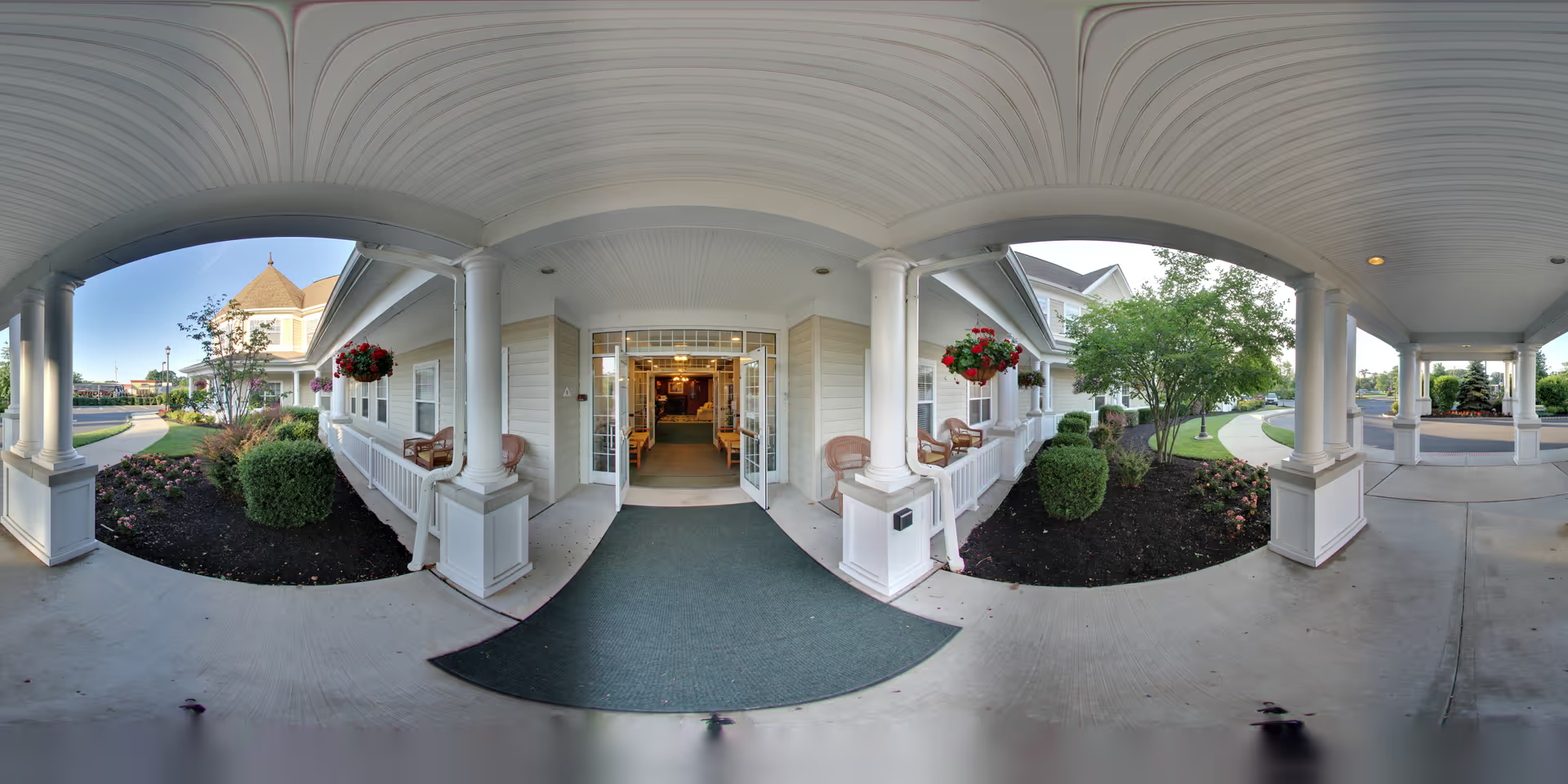
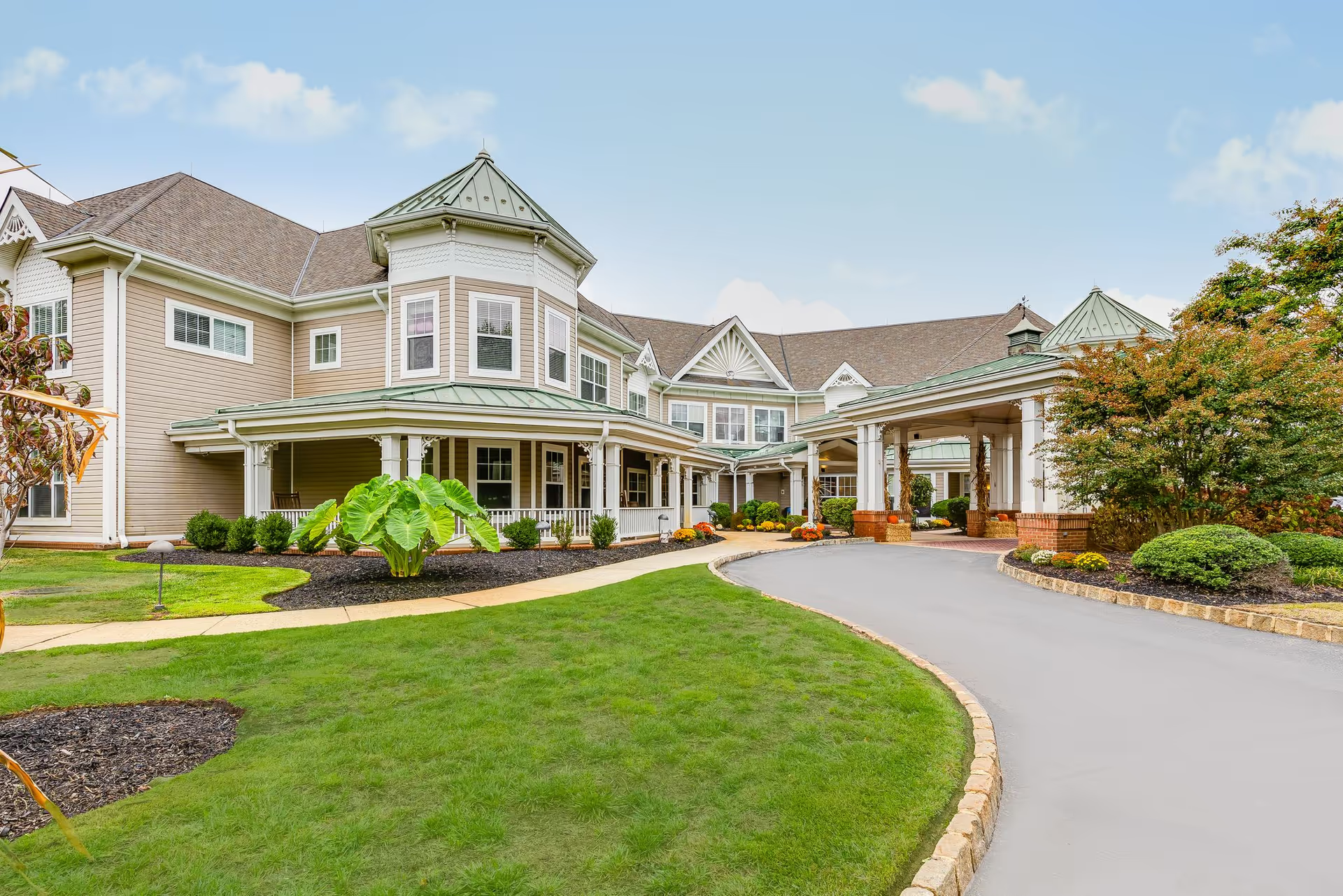
The property and interiors offer notable advantages and drawbacks. Crest Pointe’s waterfront setting, outdoor paths, decorated lounges, and water-view sunroom are frequently singled out as pleasant features that contribute to a peaceful atmosphere. Conversely, the building is older and in places described as dark and cramped: double-occupancy rooms, shared bathrooms, and limited communal dining or recreation space reduce privacy and comfort for longer stays. Maintenance and operational issues such as call-button reliability, occasional delays in repairs, and variable sanitation practices have been reported and warrant attention.
Communication and clinical coordination are generally effective when leadership and social workers are engaged, but there are recurring requests for more proactive family updates. A small number of accounts raise concerns about medication coordination decisions and incontinence-care delays; these point to areas where clinical oversight and staffing stability are important. Cost considerations were also noted, with some families perceiving monthly rates as high relative to amenities for long-term placement.
Overall, Crest Pointe may be a strong option for patients needing focused, short-term rehabilitation in a compassionate, therapy-driven environment with attractive outdoor spaces. Prospective residents and families should assess room configuration and privacy, inquire about current staffing levels and weekend coverage, review sanitation and incontinence-care protocols, ask about medication-coordination practices, and clarify dining options before committing to a longer stay.