The feedback for Atlas Healthcare Washington Township is highly mixed, with a clear pattern of strong rehabilitative services and notable operational inconsistencies. The facility is repeatedly praised for its therapy programs — physical, occupational and speech therapy teams receive consistent commendation for individualized attention, progressive plans, and effective equipment. Many families and patients credited the therapy staff with measurable functional gains and successful transitions toward home. Admissions and front‑desk staff also receive frequent positive mention for helpful orientation and coordination.
Clinical care descriptions are more variable. Positive accounts describe compassionate nurses, proactive aides, effective pain control and coordinated medical follow‑up. Conversely, a substantive subset of reports raises concerns about delayed responses to call bells, inconsistencies in medication administration and escalation, and delays in wound or infection management. Several families described events that suggest weaknesses in clinical handoffs and emergency escalation; a few reports included serious allegations (for example, loss of personal property and concerns following a resident's death) that families escalated to external oversight. Taken together, the pattern suggests day‑to‑day care quality may depend on staffing and shift coverage.
Sanitation, incontinence‑care, and dining are recurring areas of divergence. Many reviewers highlight an immaculately clean facility, sunlit private rooms, and daily housekeeping. Others describe sanitation concerns on some units, irregular incontinence‑care, and housekeeping lapses. Dining impressions range from praise for nutritious, gourmet meals to complaints about unappealing or poorly timed trays, small portions, and temperature issues. This variability indicates inconsistent execution of food service and incontinence/housekeeping processes across different times or units.
Staff conduct and communication also show polarization. Numerous reviewers single out individual staff, nurses, and administrators by name for exemplary advocacy, responsiveness and empathy; these staff members appear to contribute to strong experiences for many residents. At the same time, other families reported unhelpful or discourteous interactions, slow call‑bell responses (notably on some night shifts), and gaps in communication about medications, wound status, and discharge planning. Reports of paperwork problems, missing belongings, and situations where families felt insufficiently informed point to administrative and documentation process gaps.
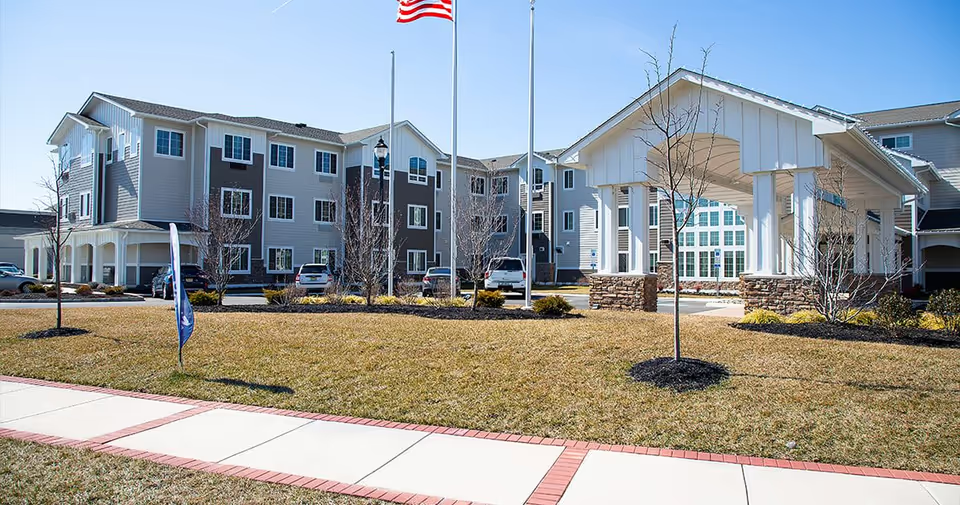
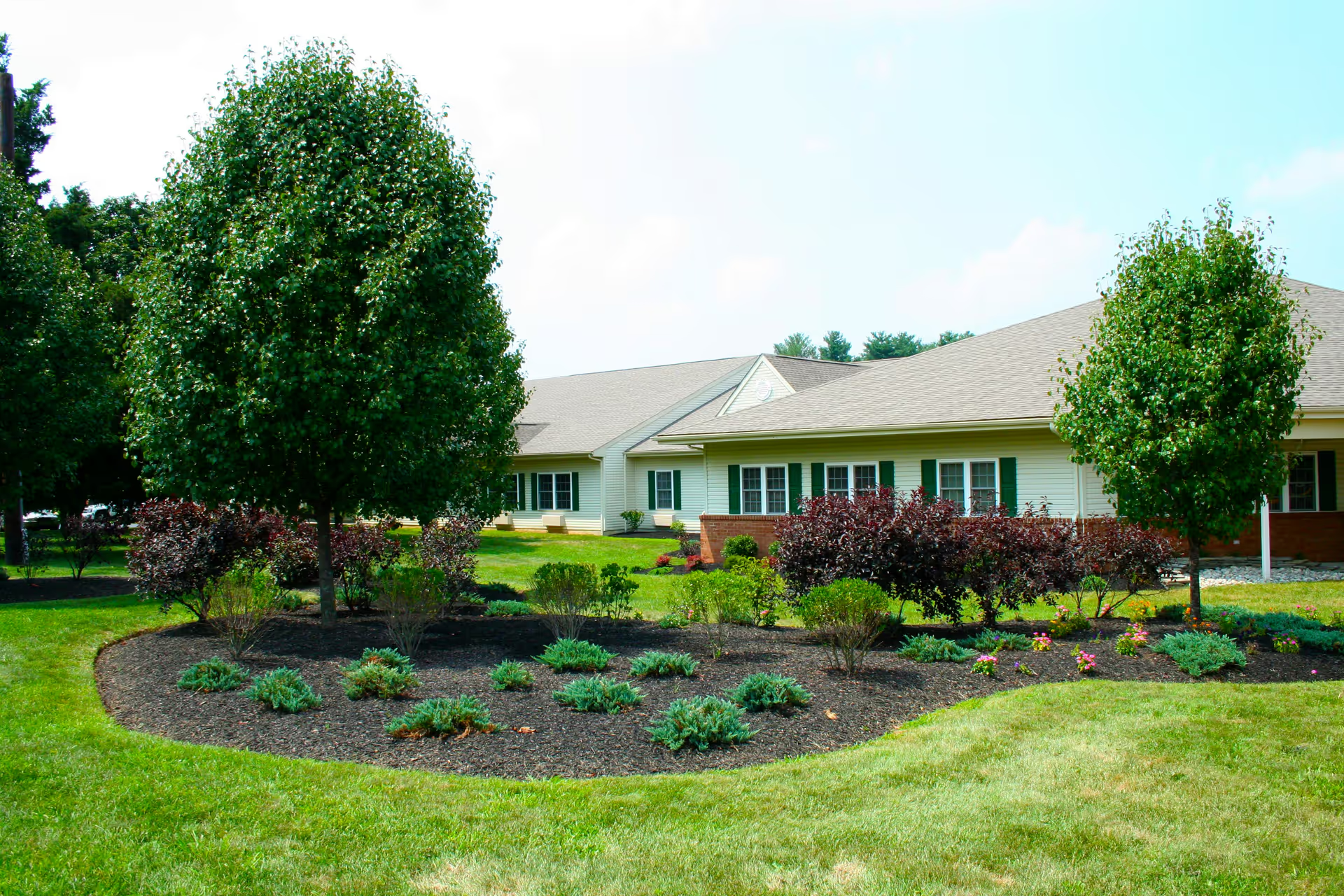
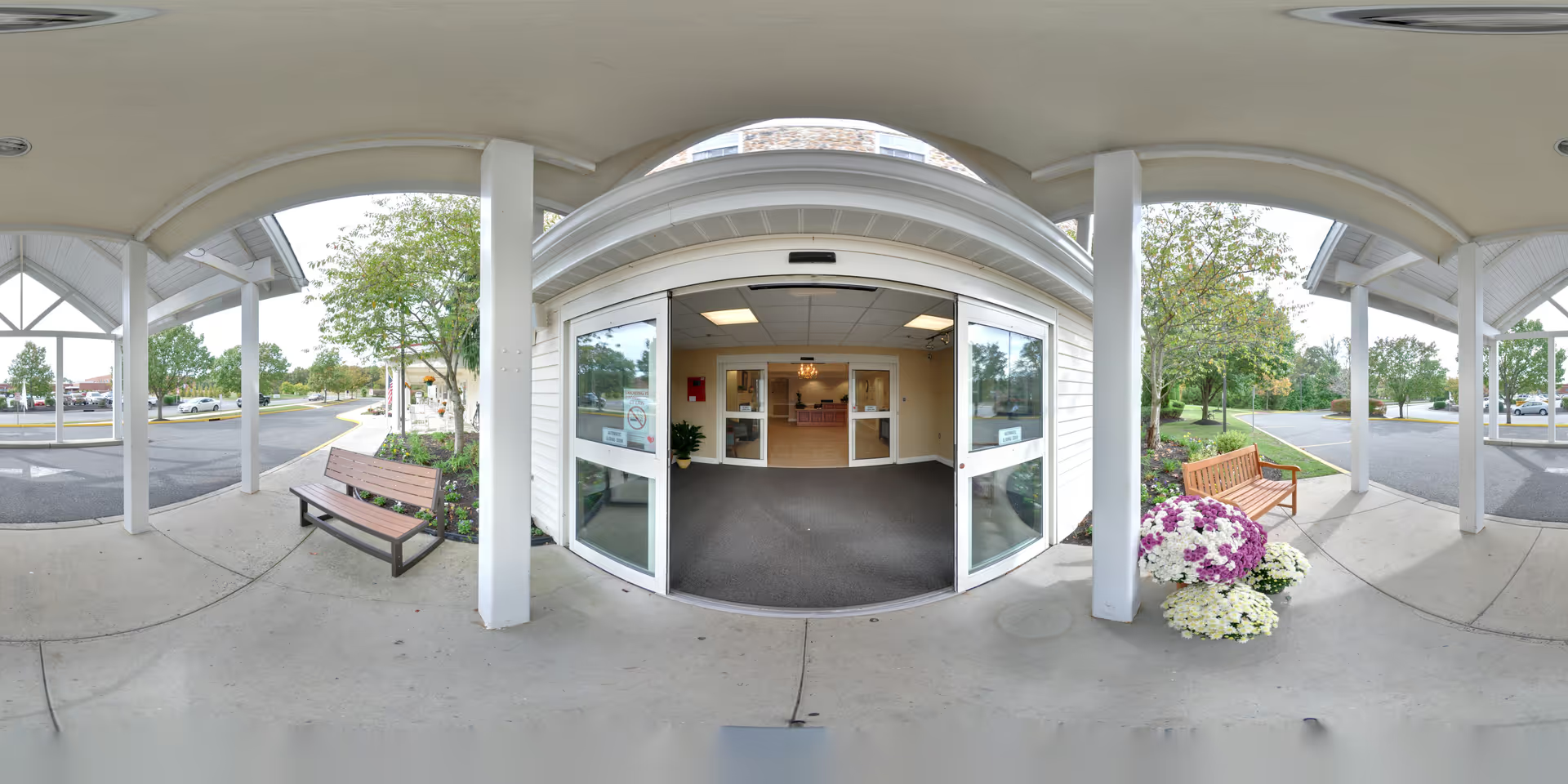
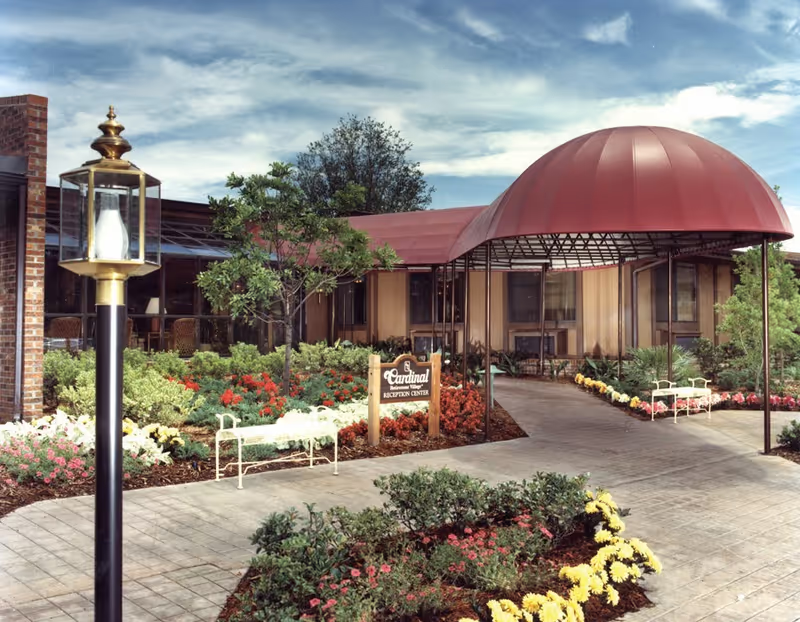
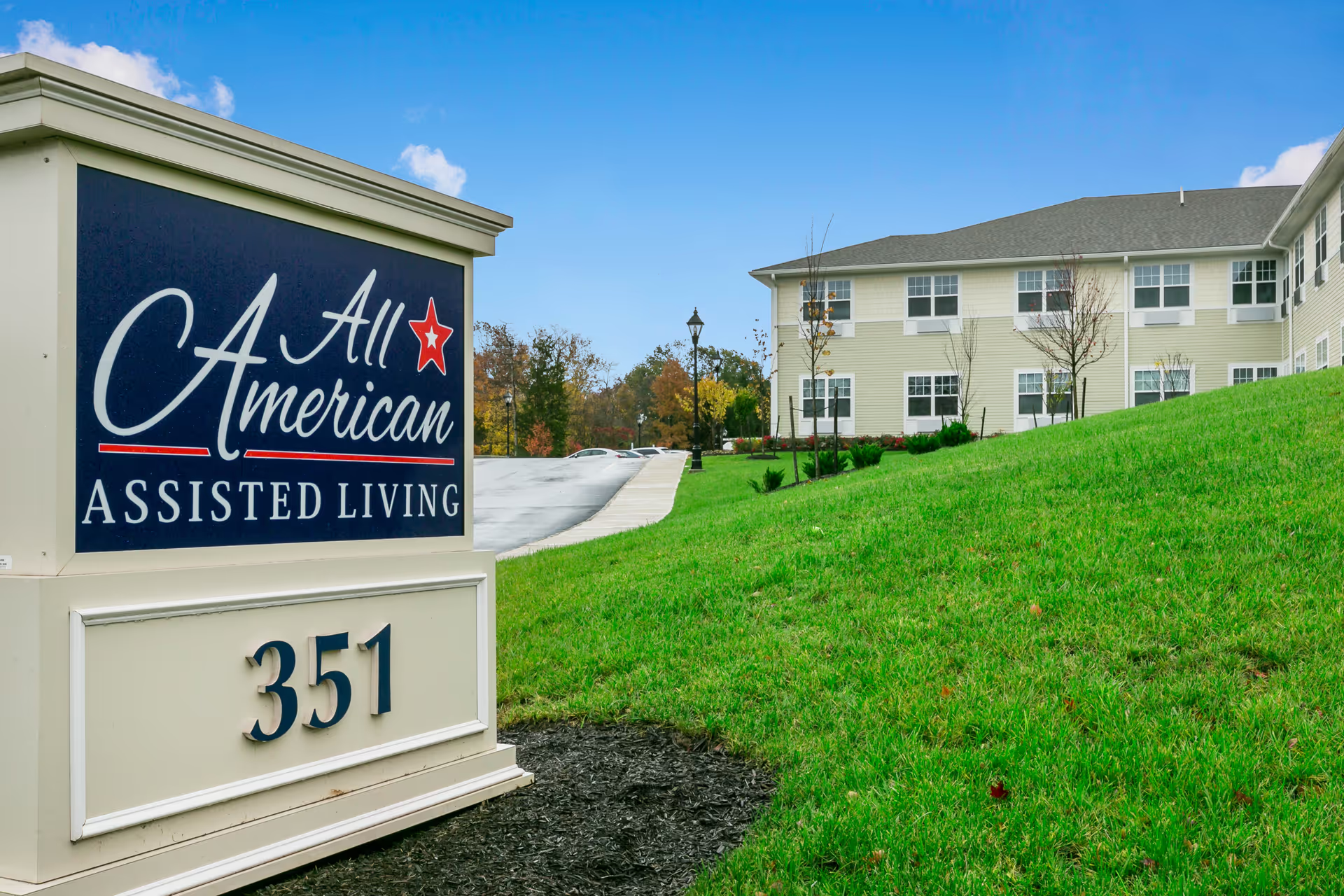
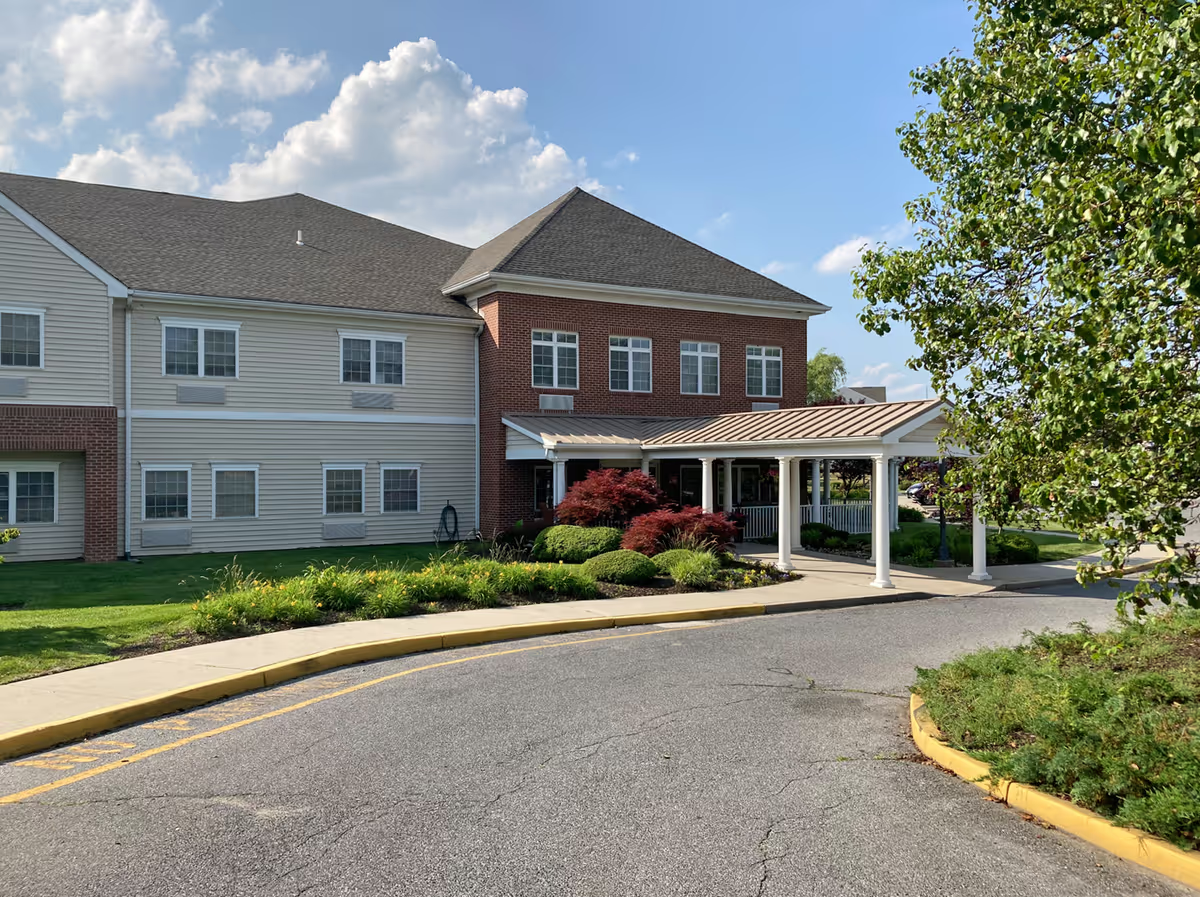
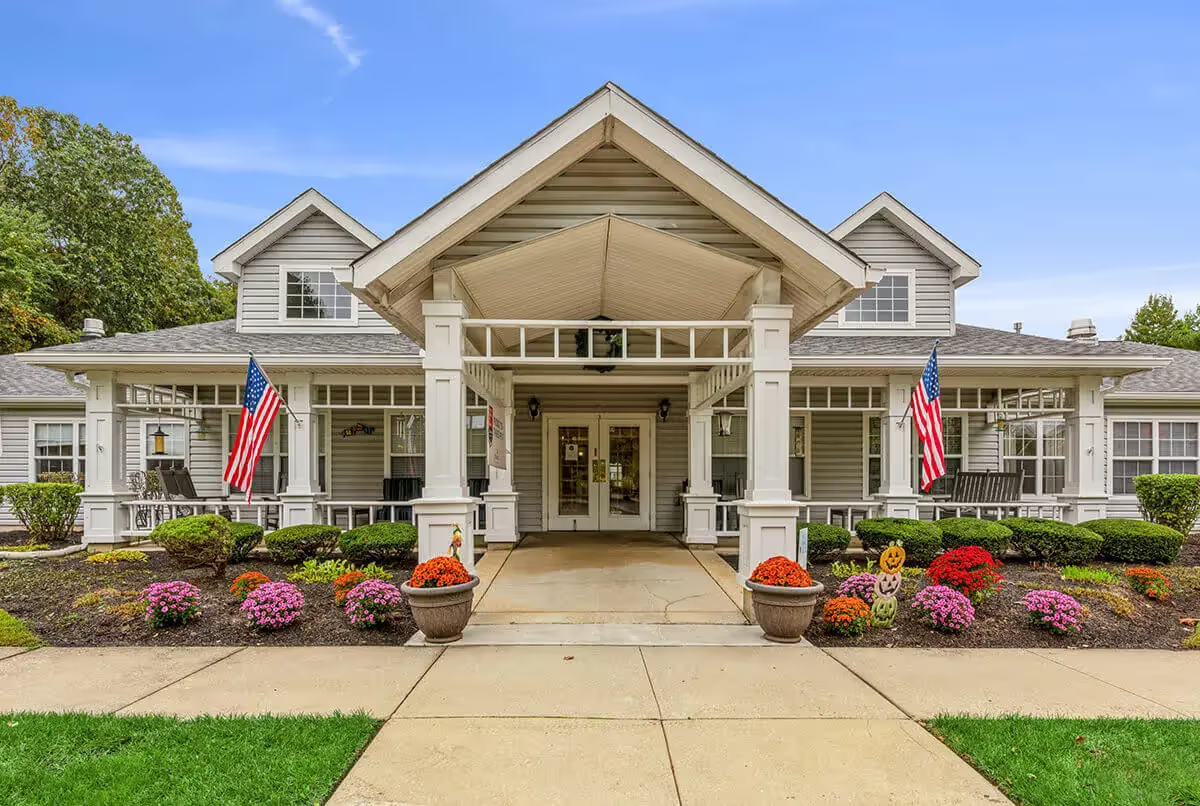
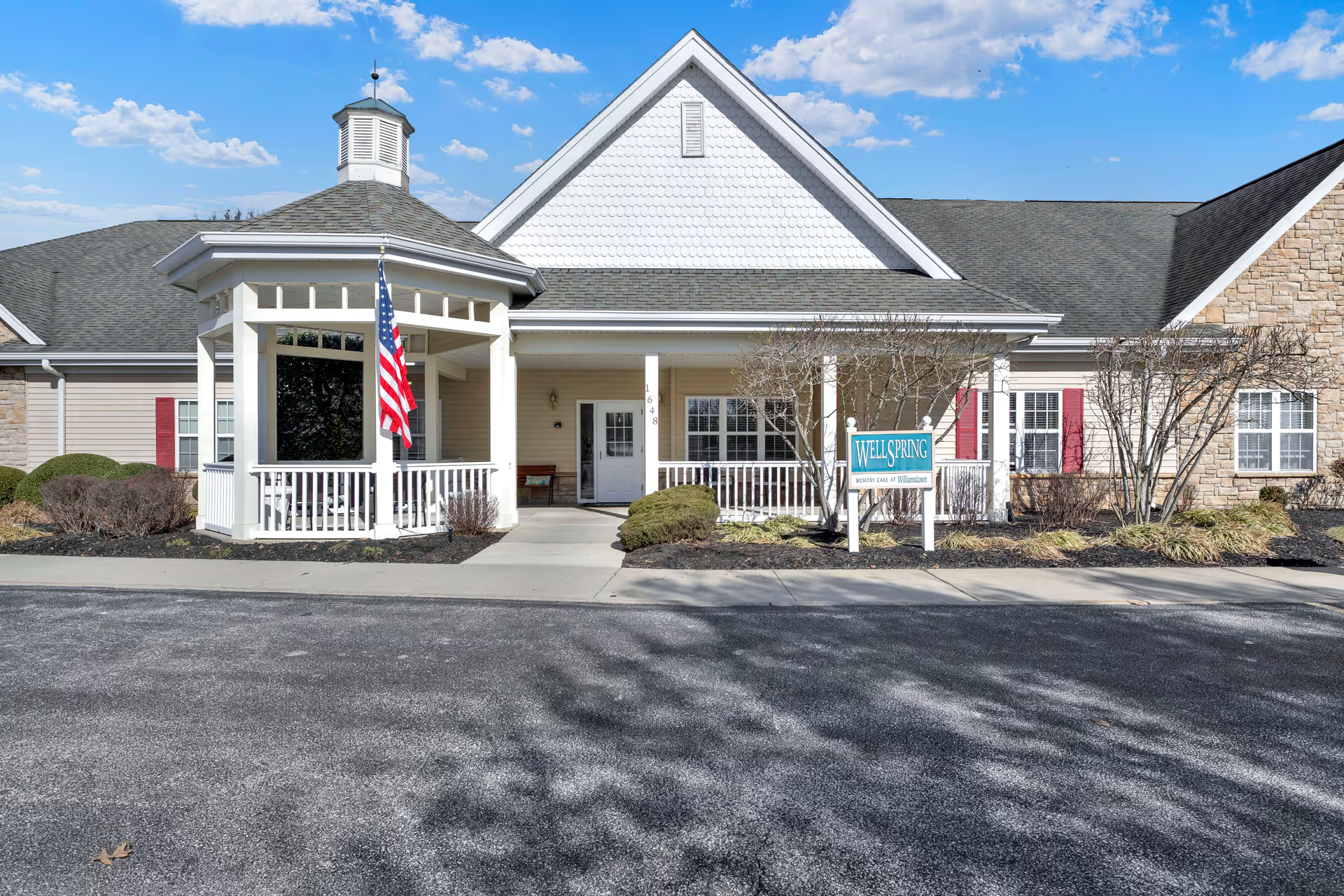
Facilities and programming are generally strengths — many accounts note well‑maintained grounds, bright common areas, a range of activities (bingo, outings, salon services), and family‑friendly spaces. Therapy equipment and transition planning are frequently praised. However, a number of reviewers observed differences between units and shifts, with some areas described as showing maintenance or housekeeping deficits.
For prospective residents and families: if primary goals are rehabilitation and therapy‑driven recovery, the facility’s rehab teams and equipment are significant strengths and warrant consideration. If a prospective resident requires high‑dependency nursing, complex wound or infection management, or continuous night‑time assistance, families should explicitly evaluate staffing ratios, call‑bell response metrics, medication administration protocols, infection‑control processes, and property/documentation policies during a tour. Asking for recent quality measures, examples of escalation pathways, and references to how the facility handles adverse events can help clarify whether the operational variability documented in reviews has been addressed.