Overall impression: Center for Rehabilitation & Nursing at Washington Township elicits strongly mixed feedback. Many families and patients praise the clinical teams — particularly physical and occupational therapists, attentive nurses, and an active activities department — and describe successful rehabilitation outcomes and supportive, personalized care on several units. At the same time, recurring operational issues create variability in the patient experience, producing both high-satisfaction episodes and significant areas of concern.
Care and clinical staff: The facility receives frequent positive comment about the skill and compassion of bedside nursing staff, CNAs, and therapy teams. Reviewers commonly note effective, mobility-focused therapy, helpful discharge coordination, and caregivers who ‘‘go above and beyond.’' However, those strengths are not universal: reviewers also describe inconsistent clinical responsiveness, delayed call-bell answers, and instances of inadequate pain or symptom management. There are repeated concerns about medication management and documentation accuracy; these gaps appear as both isolated errors and as patterns that families found concerning when they occurred.
Safety and clinical operations: Multiple accounts point to lapses in transfer and fall-prevention practices and delays in attending to fall-risk residents. Reviewers describe inconsistent use of safe-transfer protocols and occasional equipment-related incidents, which together suggest uneven adherence to safety procedures across shifts. Additionally, several comments highlight premature discharge or inconsistent therapy frequency relative to expected rehab goals, indicating variability in care planning and therapy delivery.
Dining, housekeeping and supplies: Dining quality and meal-service reliability are common pain points. Reported issues include inconsistent food temperature and preparation, missing tray items, and limitation of specialty items (creamer, hydration supplements). Housekeeping and maintenance are often praised, yet reviewers also report supply shortages (linens, washcloths, diapers), refrigerator odor or cleanliness concerns, and isolated pest-control observations. These mixed reports indicate that environmental services perform well in many areas but have operational gaps that affect day-to-day resident comfort.
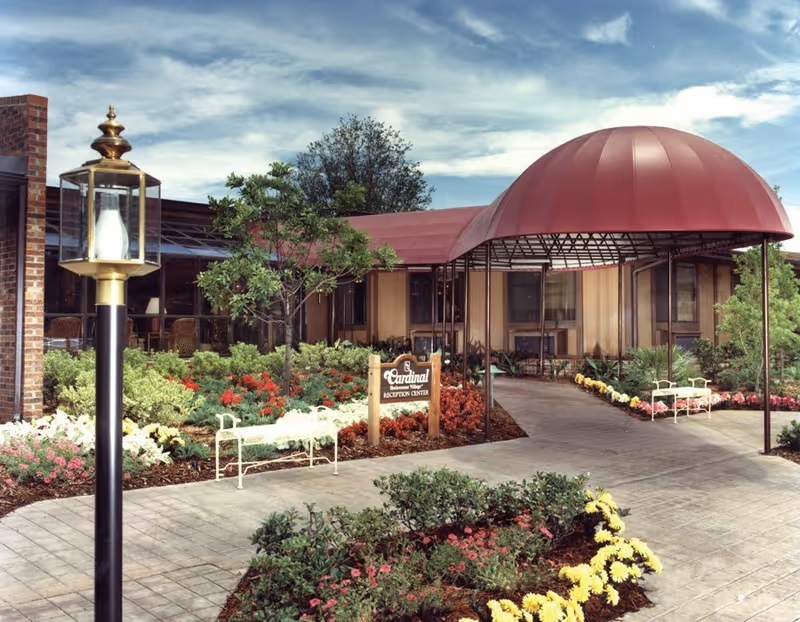
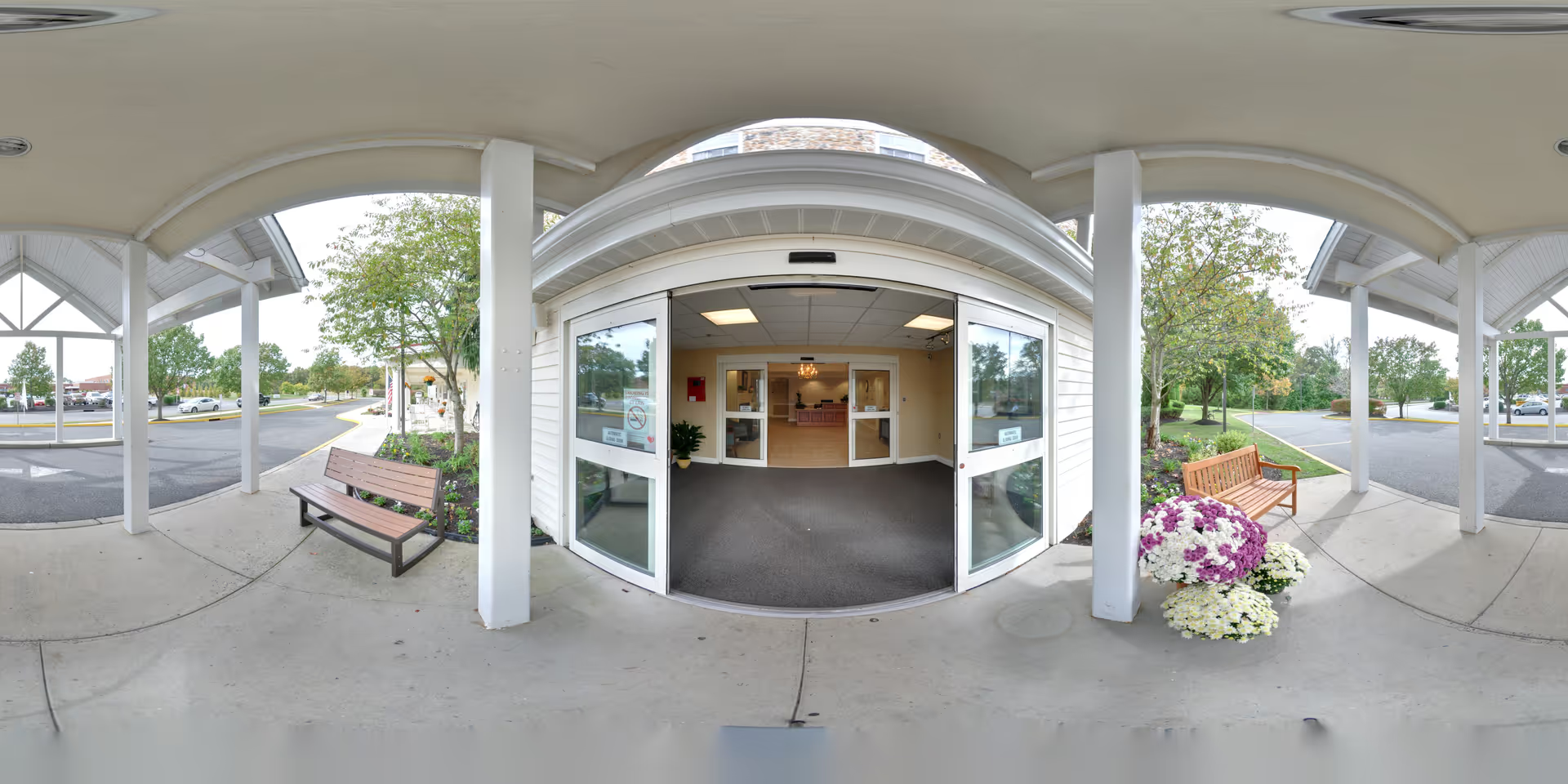
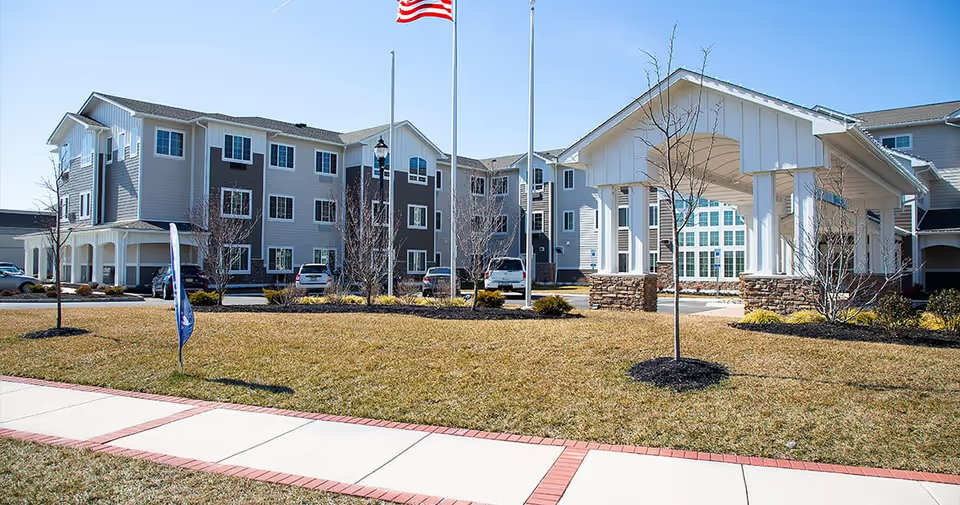
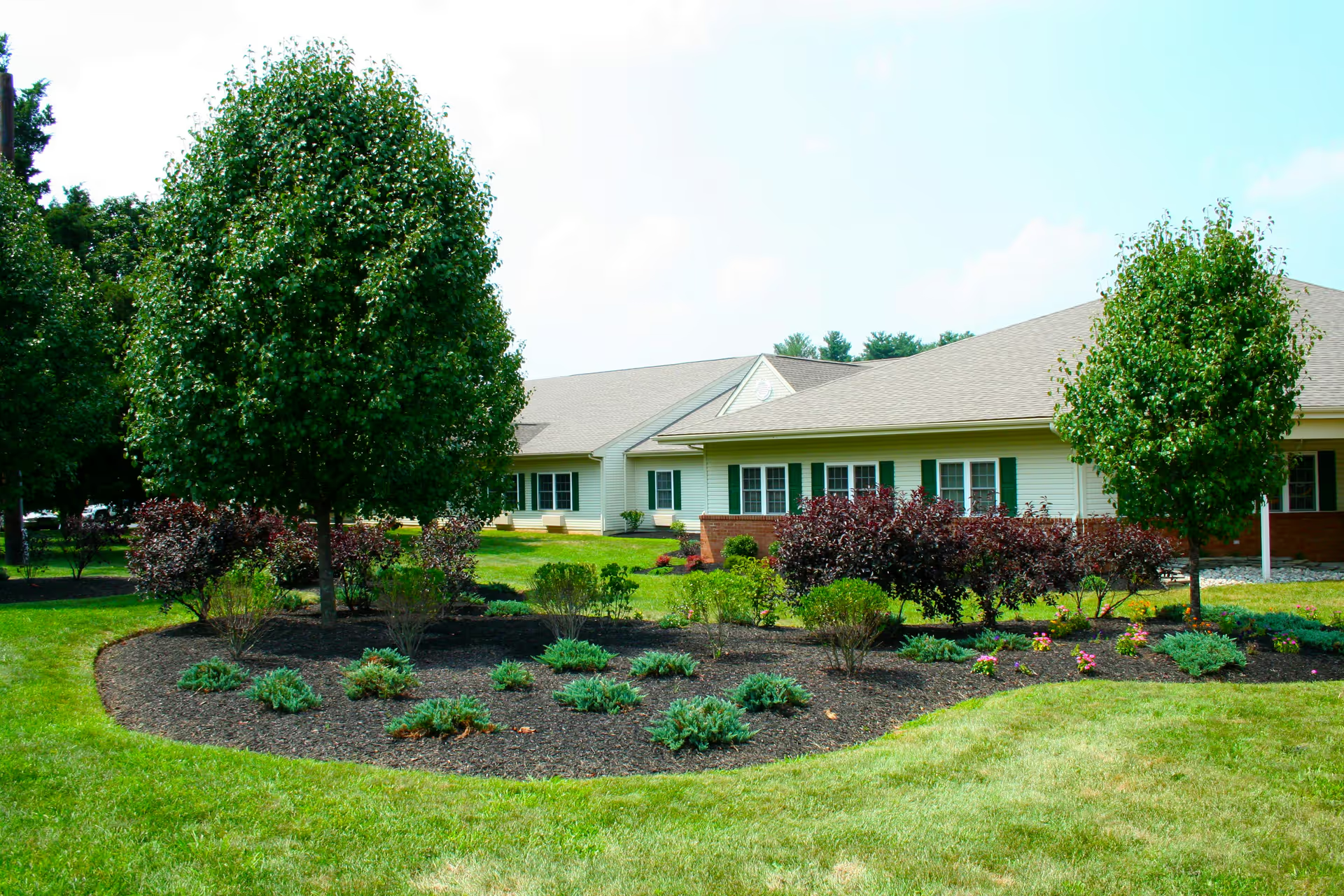
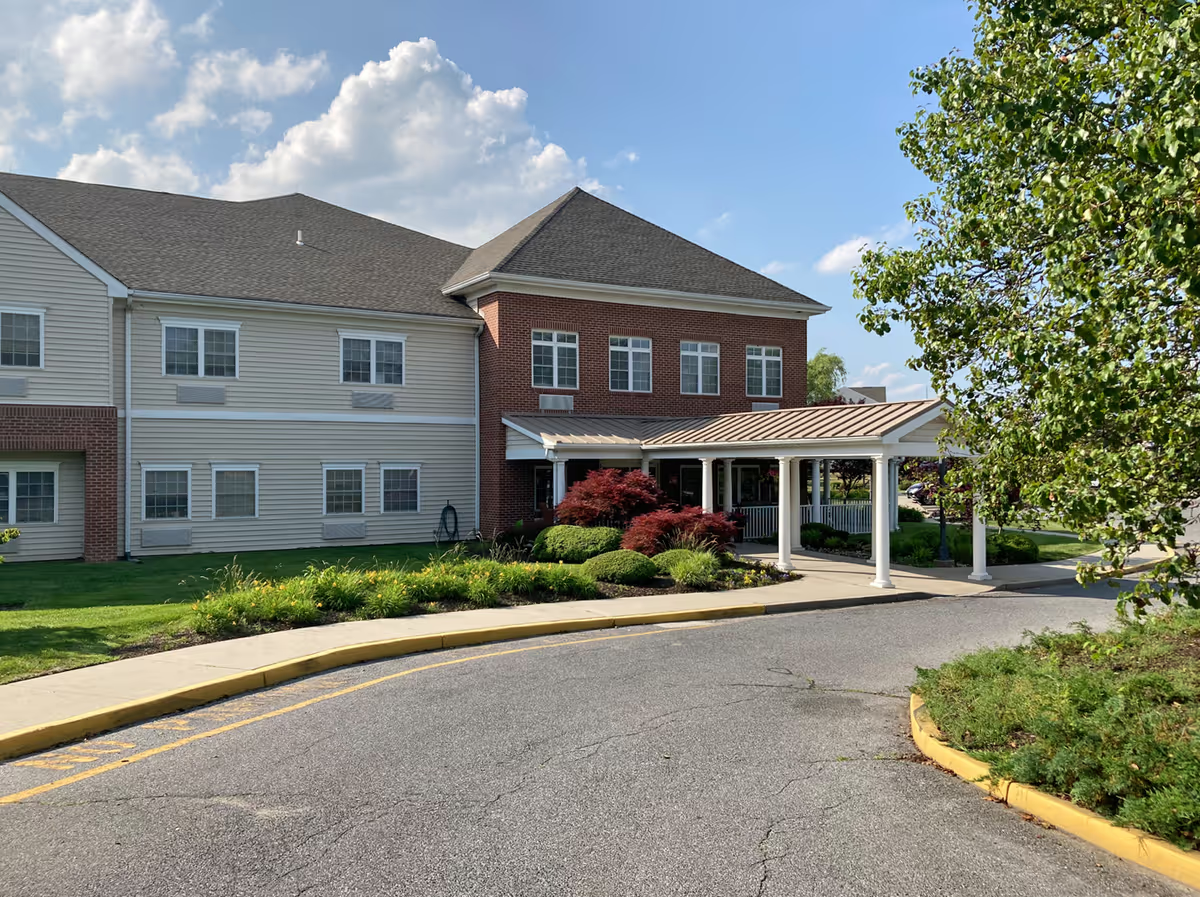
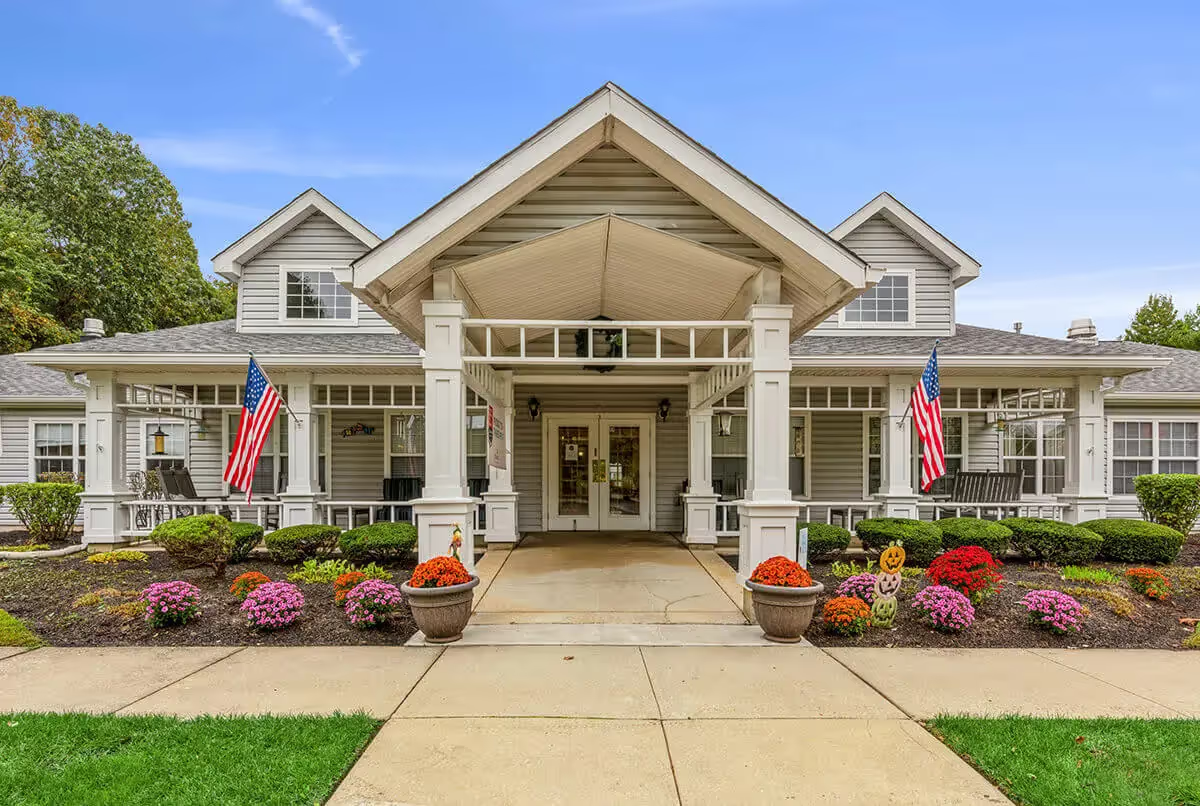
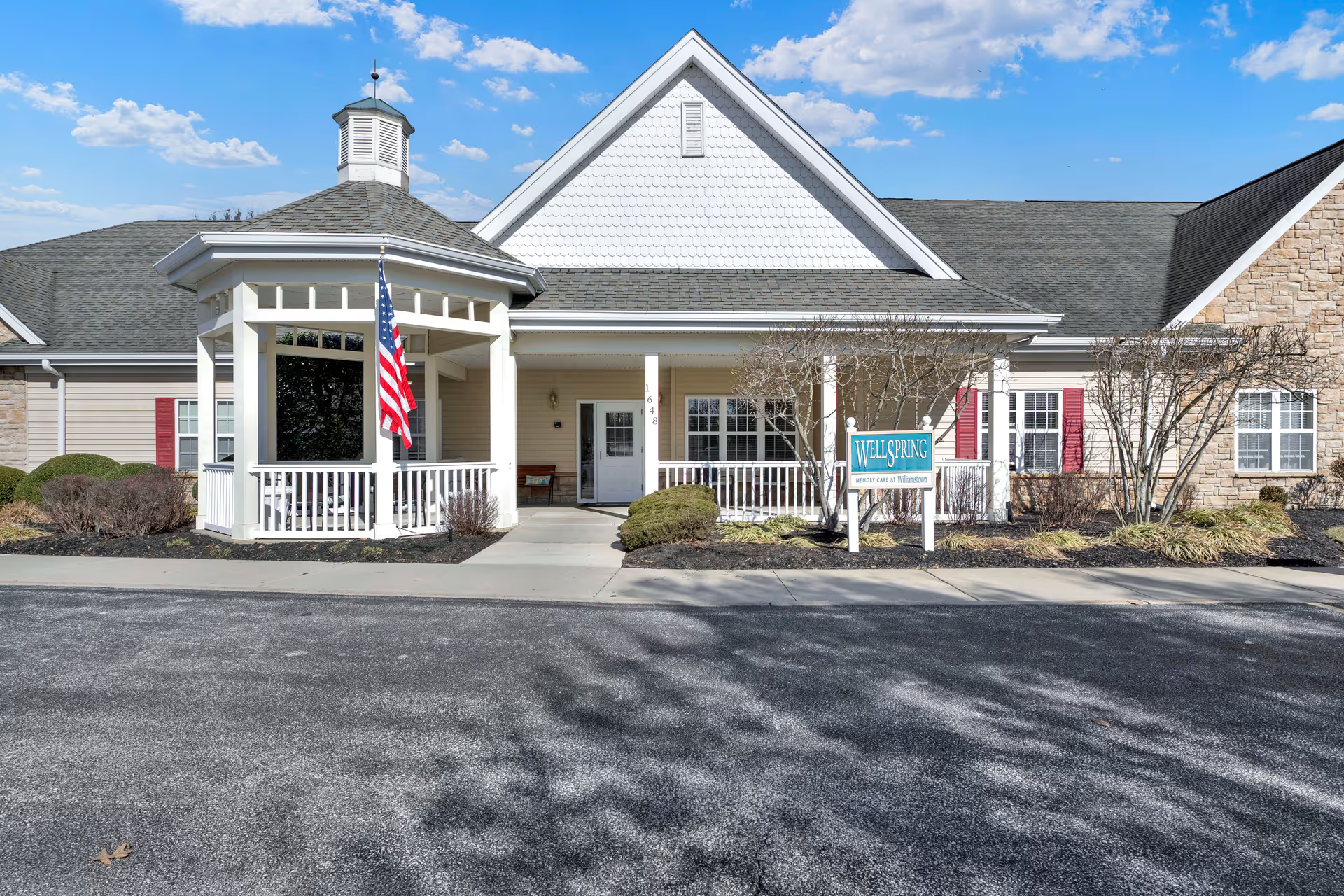
Activities and facility environment: The Activities Department is consistently identified as a high point; organized events, holiday programming, and social engagement are repeatedly credited with improving residents' mood and participation. The building is frequently described as clean, modern, and well-maintained, with a welcoming atmosphere in many units.
Management, communication and administrative issues: Communication quality appears variable. Some families praise prompt, transparent contact from social workers and unit coordinators; others describe slow or unresponsive administrative follow-up, delayed medical record release, and difficulty resolving billing or service concerns. Reports include variability in tone and professionalism from front-desk and supervisory staff. There are also serious individual allegations in a few accounts — including property-loss and other severe concerns — that families described as requiring escalation; these statements warrant careful inquiry and, where appropriate, formal investigation.
Patterns and guidance for families: The most consistent pattern is variability: strong clinical talent and programming coexist with operational weaknesses that are often shift- or unit-dependent. Prospective residents and families should weigh the facility's notable rehab capabilities and active programming against the potential for uneven staffing, meal-service limitations, and occasional lapses in communication or supply availability. If considering admission, families may benefit from asking specific questions about staffing ratios on the intended unit, therapy frequency and discharge criteria, medication-safety protocols, and how the facility handles supply shortages and family communications. A tour and direct conversation with unit leadership and activities staff can help clarify whether the strengths observed by many families are consistently applied on the unit where care will be provided.