CareOne at Wall elicits strongly mixed impressions. A substantial number of families describe high-quality, person-centered care: nurses and aides characterized as compassionate and attentive, rehabilitation teams credited with helping patients regain mobility and independence, and social workers praised for advocacy and discharge planning. Many reviewers singled out individual staff (admissions personnel, therapists, dietitians, and specific nurses) who provided consistent, reassuring communication and coordinated transitions to home or hospice.
At the same time, the facility displays recurring operational weaknesses that create variability in the resident experience. Staffing levels and continuity are inconsistent across shifts, with nighttime and weekend coverage frequently noted as weaker; this corresponds with reports of delayed responses to call bells and uneven assistance with activities of daily living. Several accounts describe clinical follow-through lapses — including missed or delayed medication actions, incomplete clinical documentation, and gaps in sending labs or communicating with primary providers — which families found consequential.
Dining and therapy services are uneven. The kitchen and dining team receive high marks from some families for homemade offerings and accommodation of special requests, but others report cold meals, incorrect special-diet implementation, and inconsistent meal delivery. Therapy (PT/OT/ST) is often cited as a strength when delivered by regular, dedicated therapists, but multiple reviews also reference short or irregular session lengths and scheduling confusion, suggesting inconsistent program delivery across units or shifts.
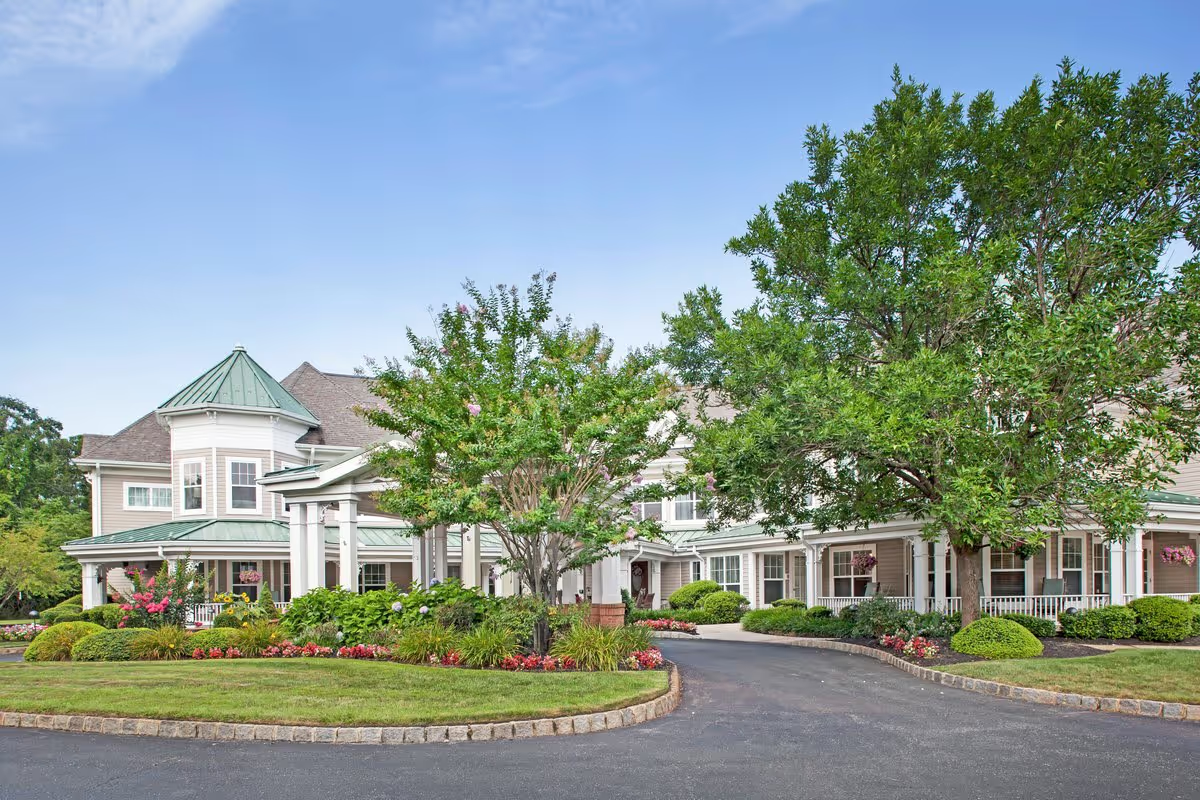
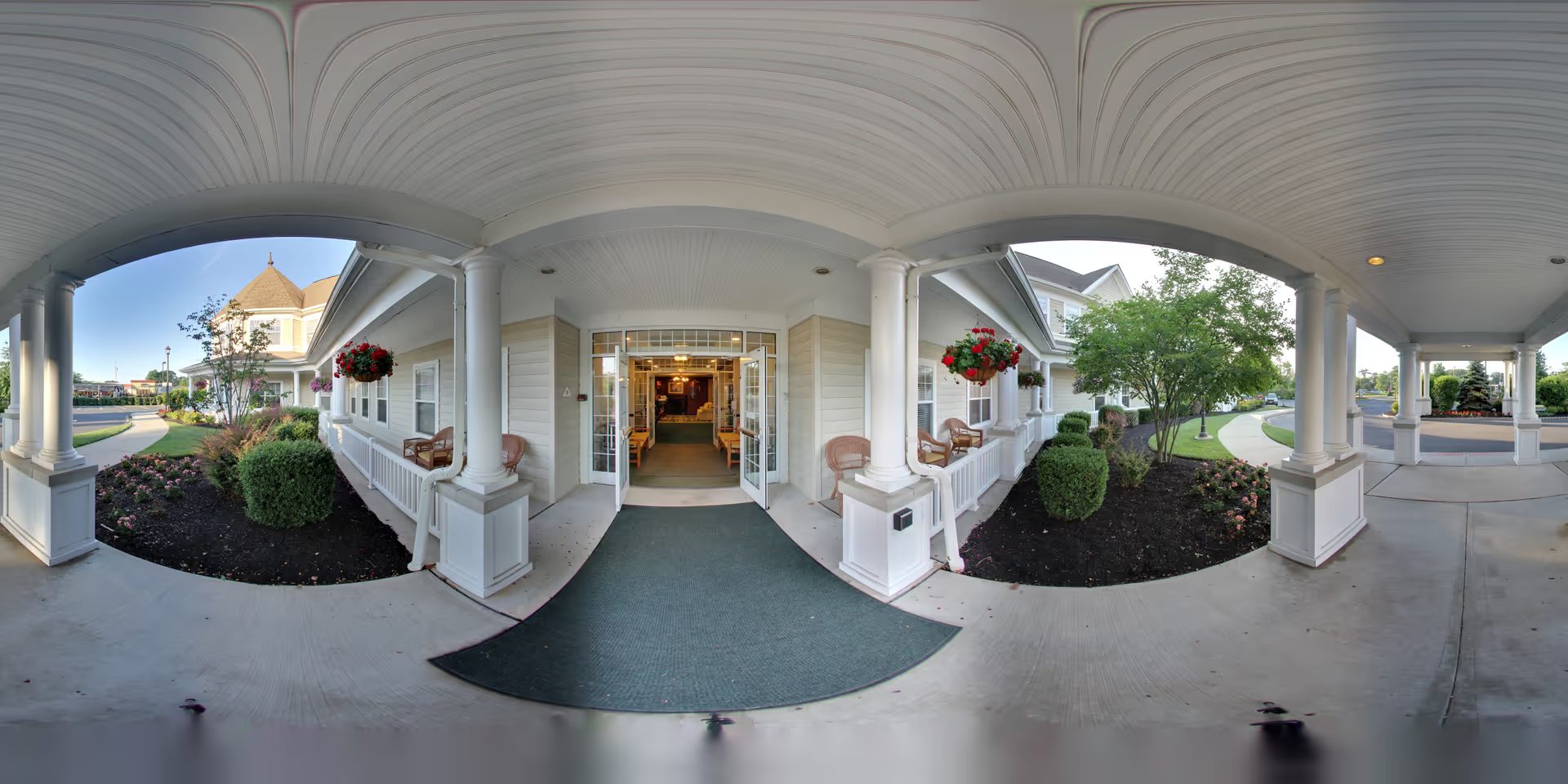
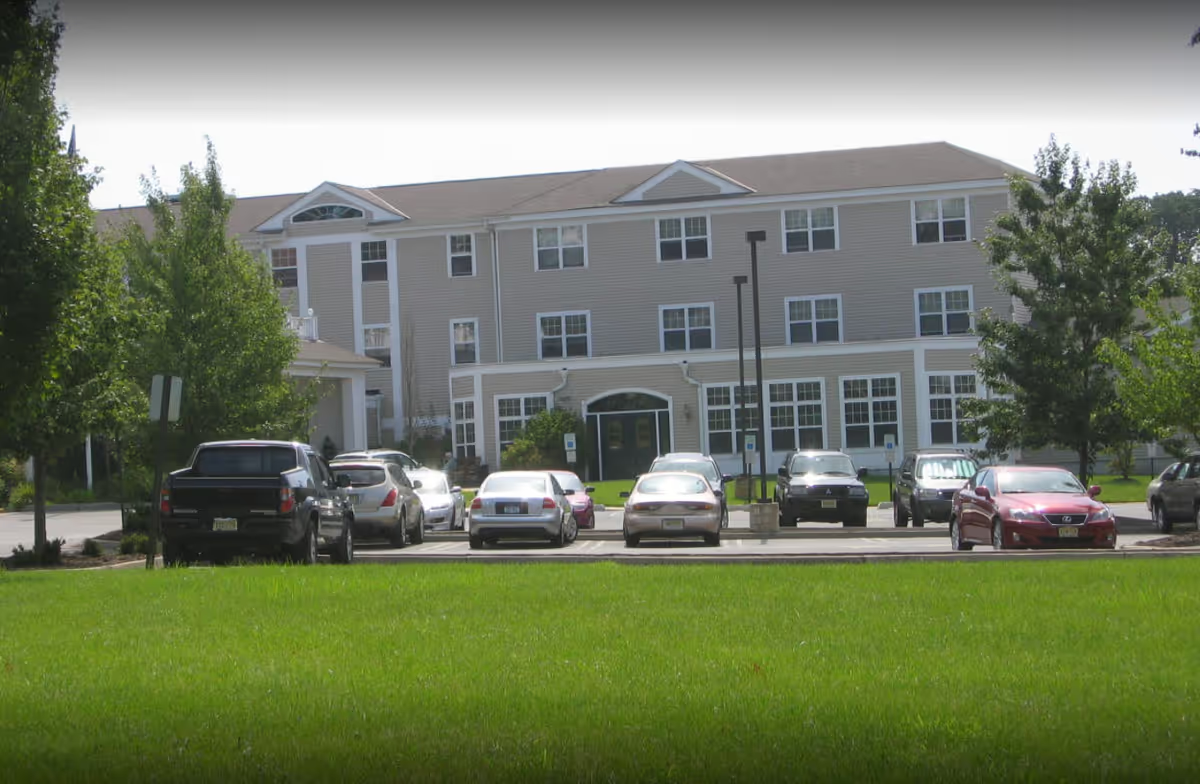
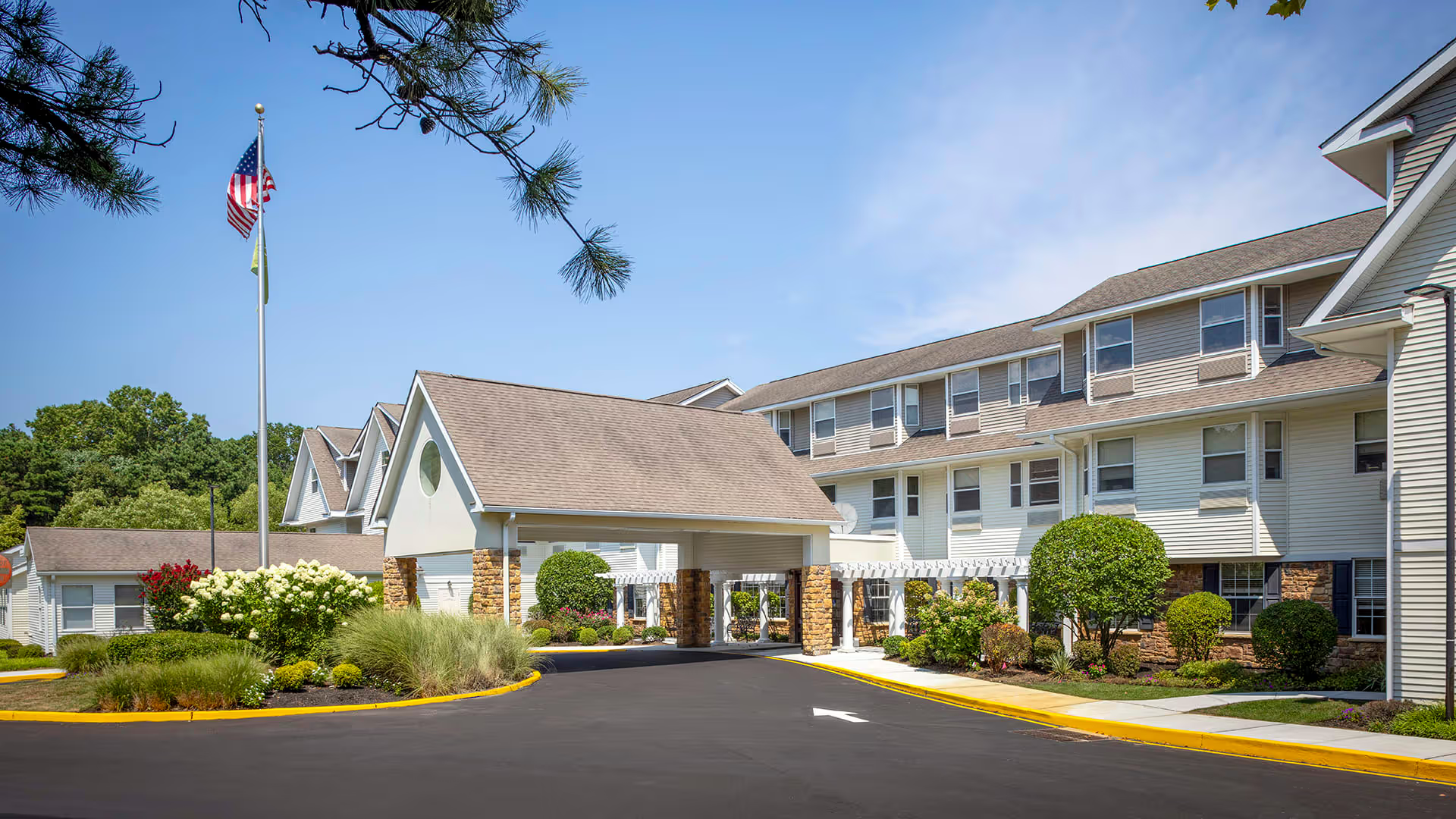
Cleanliness, maintenance, and infection-prevention practices present a mixed picture. Several reviewers praise bright, well-kept common areas and an updated lobby, while others point to sanitation concerns in resident rooms and bathrooms, moisture-related damage or ceiling leaks, pest-control issues, and temperature control problems (overheated rooms or very cold therapy spaces). There are also multiple accounts of infection-control and outbreak management that families felt required better transparency and handling.
Management and administrative practices show variability. Some families commend administrators and discharge planners for empathy and efficient coordination; others report poor responsiveness to calls, unresolved billing and insurance disputes, and confusing or delayed discharge communication. These administrative gaps sometimes compound clinical concerns and increase family burden. A small number of reviews include serious clinical allegations (involving hospitalization and infection) that underscore the importance of verifying clinical protocols and escalation pathways during a tour.
Notable pattern: experiences appear highly dependent on unit, shift, and individual staff members. Prospective residents and families may benefit from in-person observation (mealtime, therapy sessions, and shift-change interactions), direct questions about staffing ratios and night/weekend coverage, review of infection-control policies, confirmation of dietary accommodations, and explicit discussion of billing and discharge processes. Overall, the facility demonstrates clear strengths in skilled rehabilitation, social work support, and compassionate caregivers on many units, but persistent operational inconsistencies warrant careful inquiry before admission.