Reviews for Alaris Health at West Orange are polarized, with a clear split between families who praise clinical care and rehabilitation outcomes and others who describe persistent operational problems. Positive comments focus on effective physical and occupational therapy, engaged recreation staff, and many instances of attentive nursing and social-work support that contributed to functional improvement and positive discharge outcomes. At the same time, a set of recurring operational weaknesses appears across reviews, producing a variable resident experience.
Care quality and clinical management present a mixed picture. Several families described successful, proactive rehabilitation and competent nursing care that helped residents regain mobility and return home. Conversely, other reviews raise substantive clinical concerns: inconsistent medication timing and administration, questions about respiratory and tracheostomy management, and instances where escalation to higher-acuity care was perceived as delayed. These contrasting accounts suggest uneven adherence to clinical protocols and variable clinical competency across shifts or teams.
Staffing, responsiveness, and staff conduct are prominent themes. Many reviewers praised individual nurses, therapists, and aides as compassionate and helpful; however, recurring descriptions of slow call-light response times, inattentive aides during some shifts, and variability in bedside conduct point to inconsistent staffing levels and supervision. Families also cited difficulties with timely communication and updates from staff and occasional language barriers that complicated care conversations.
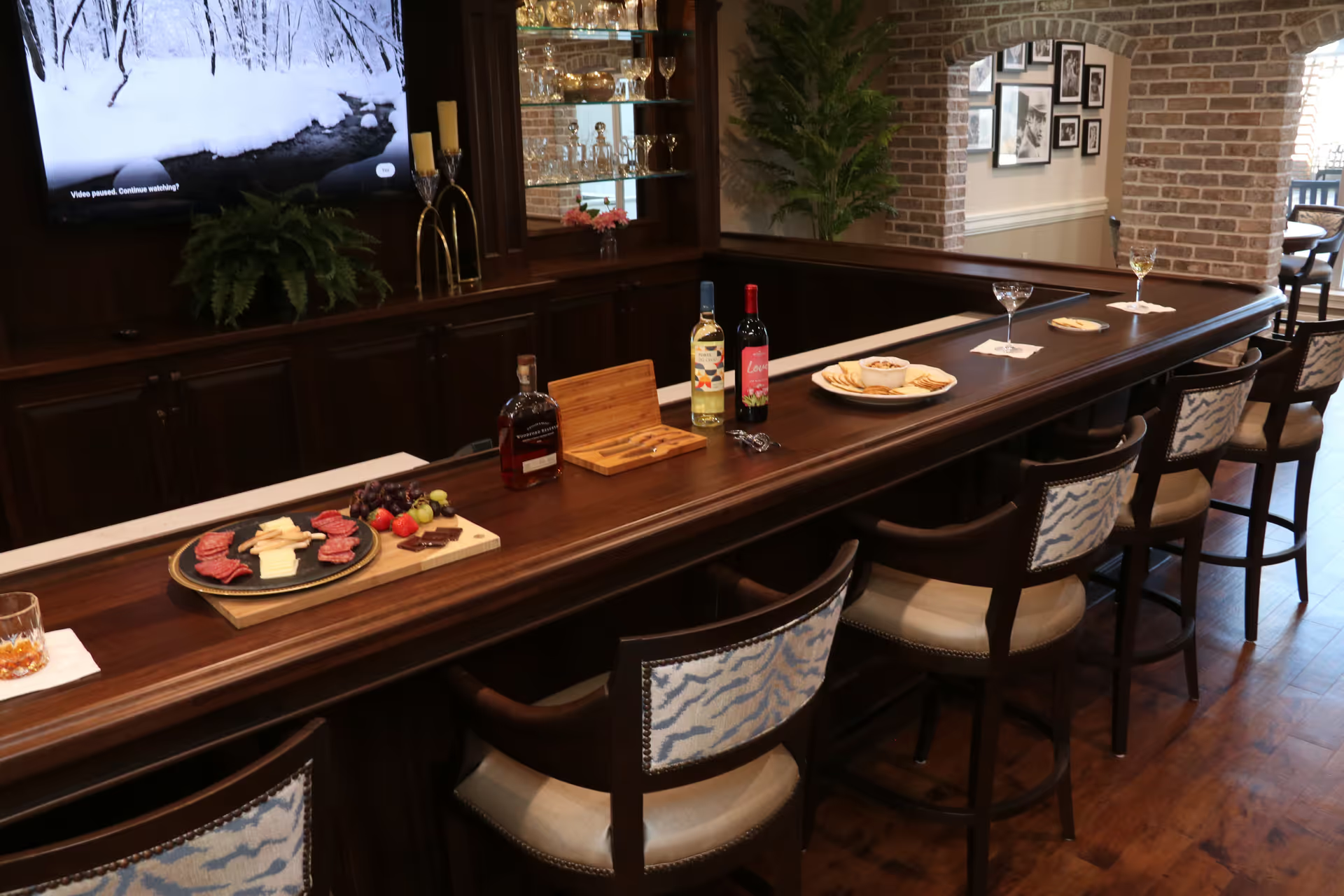
Dining and activities also show divergence. The facility's recreation program and social events receive strong praise for keeping residents engaged, and some reviewers noted an inviting dining area and attentive service. At the same time, dining complaints include inconsistent food quality, small portion sizes, and limited diabetic or therapeutic meal options. Prospective residents who have strict dietary needs should confirm menu planning and dietitian involvement during intake.
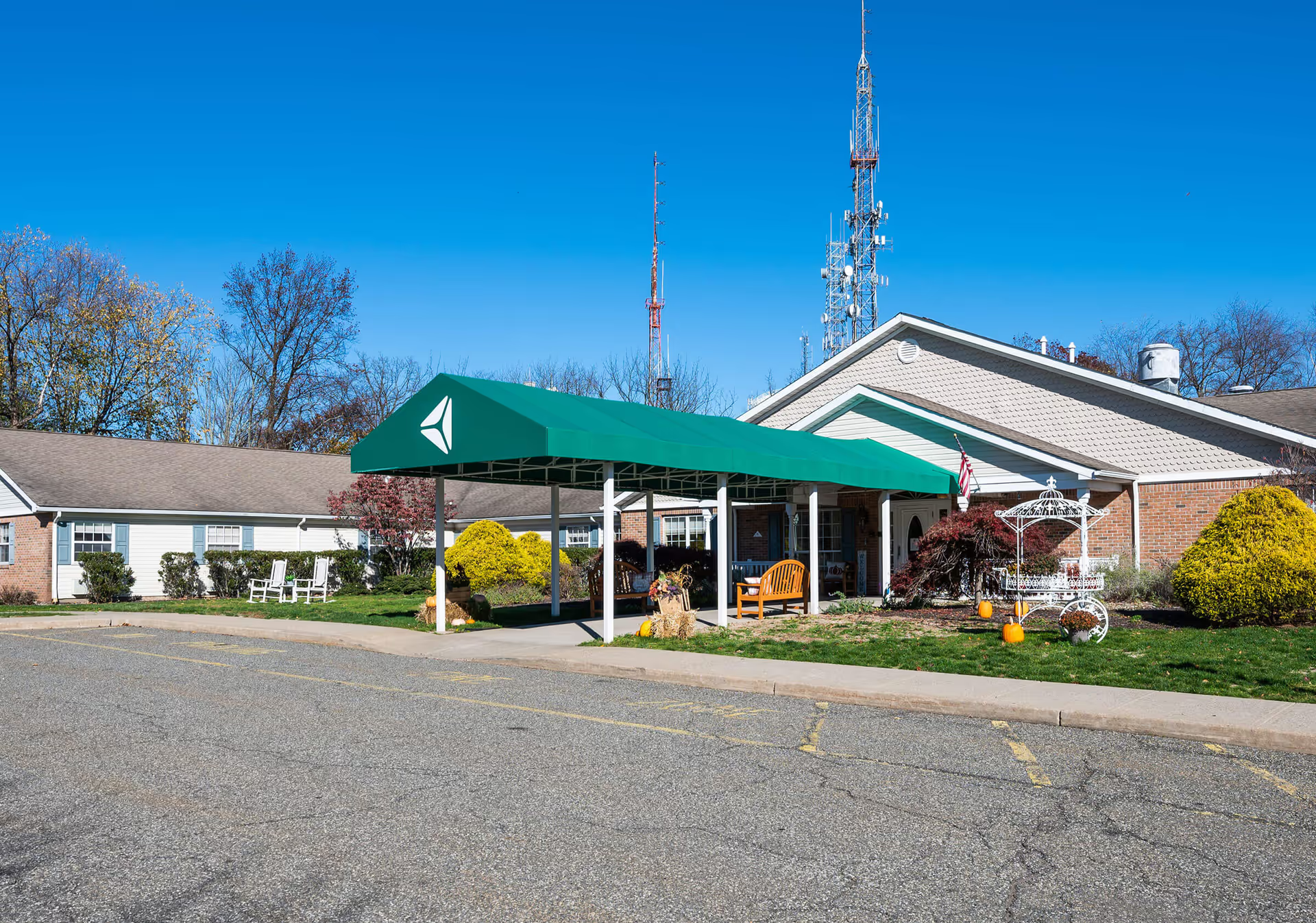
Facility condition and maintenance descriptions vary by area and by time of day. Many reviewers found common areas clean, bright, and well maintained; others described older rooms, temperature-control problems, intermittent equipment failures (for example, beds or call systems), and delayed maintenance outside morning hours. Sanitation and pest-control concerns are mentioned in specific instances, indicating inconsistencies in housekeeping practices.
Management and patterns of concern: some families find administration responsive and engaged, citing helpful social workers and an attentive admissions team. Others report that reported issues did not lead to sustained change. A few reviews reference serious allegations and concerns following a resident's death; those items suggest the need for careful follow-up and verification with regulators or the facility for anyone considering placement. Overall, the dominant pattern is variability — care quality, cleanliness, responsiveness, and staff professionalism appear to fluctuate by shift, unit, or individual caregiver.
Guidance for prospective families: arrange an in-person tour across multiple shifts (including evenings/nights), ask about staffing ratios, on-call clinical coverage, medication administration protocols, and emergency transfer procedures. Request specifics about dietary accommodations and dietitian involvement, confirm maintenance and HVAC responsiveness, and discuss language support if needed. If a loved one has high-acuity needs or complex respiratory/medication requirements, verify competencies and escalation protocols before placement. Regular family visits and direct communication with the unit manager or administrator can help mitigate variability in day-to-day care.