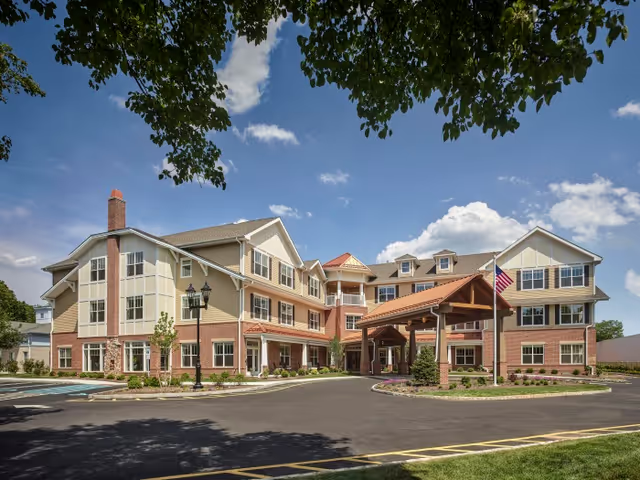
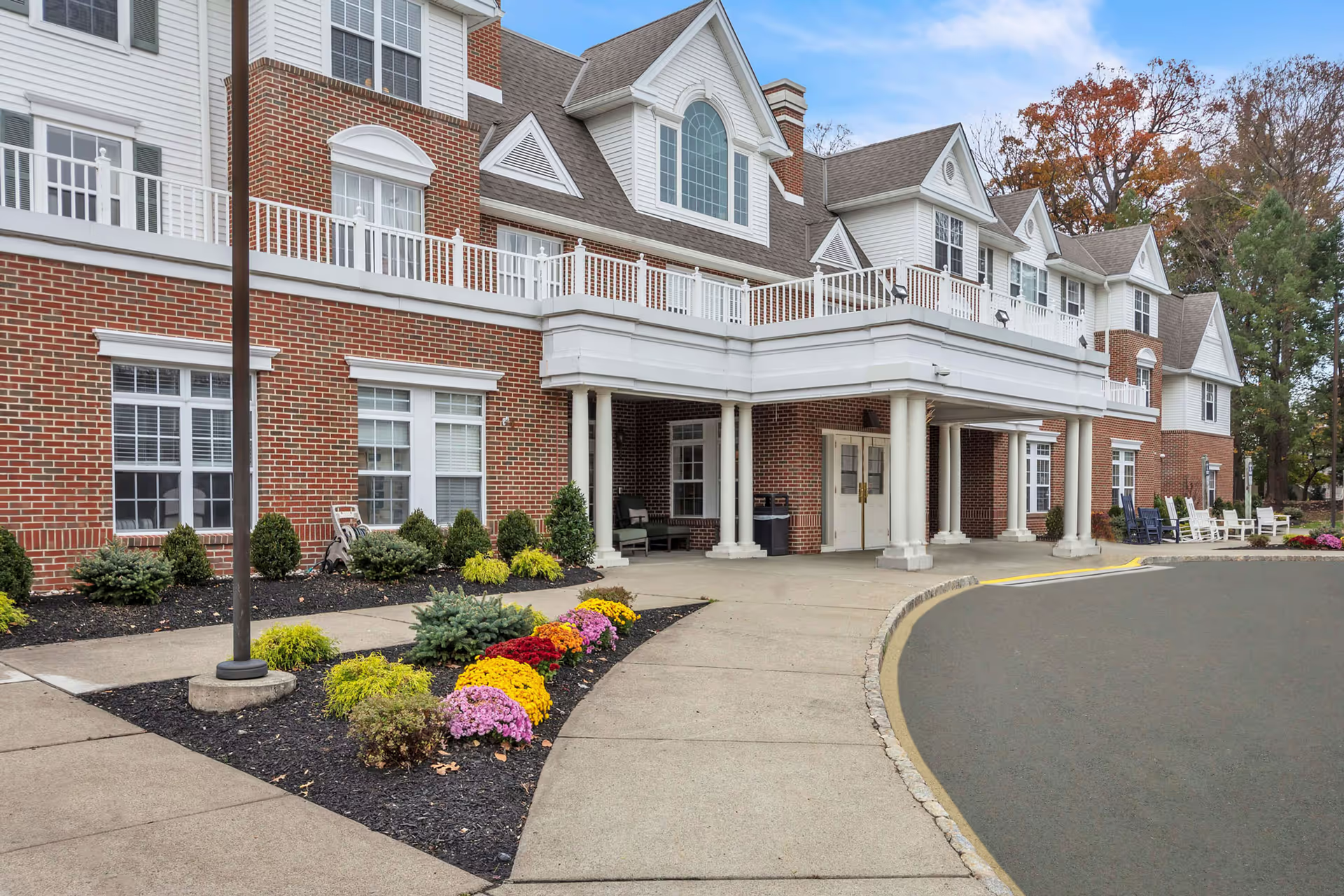
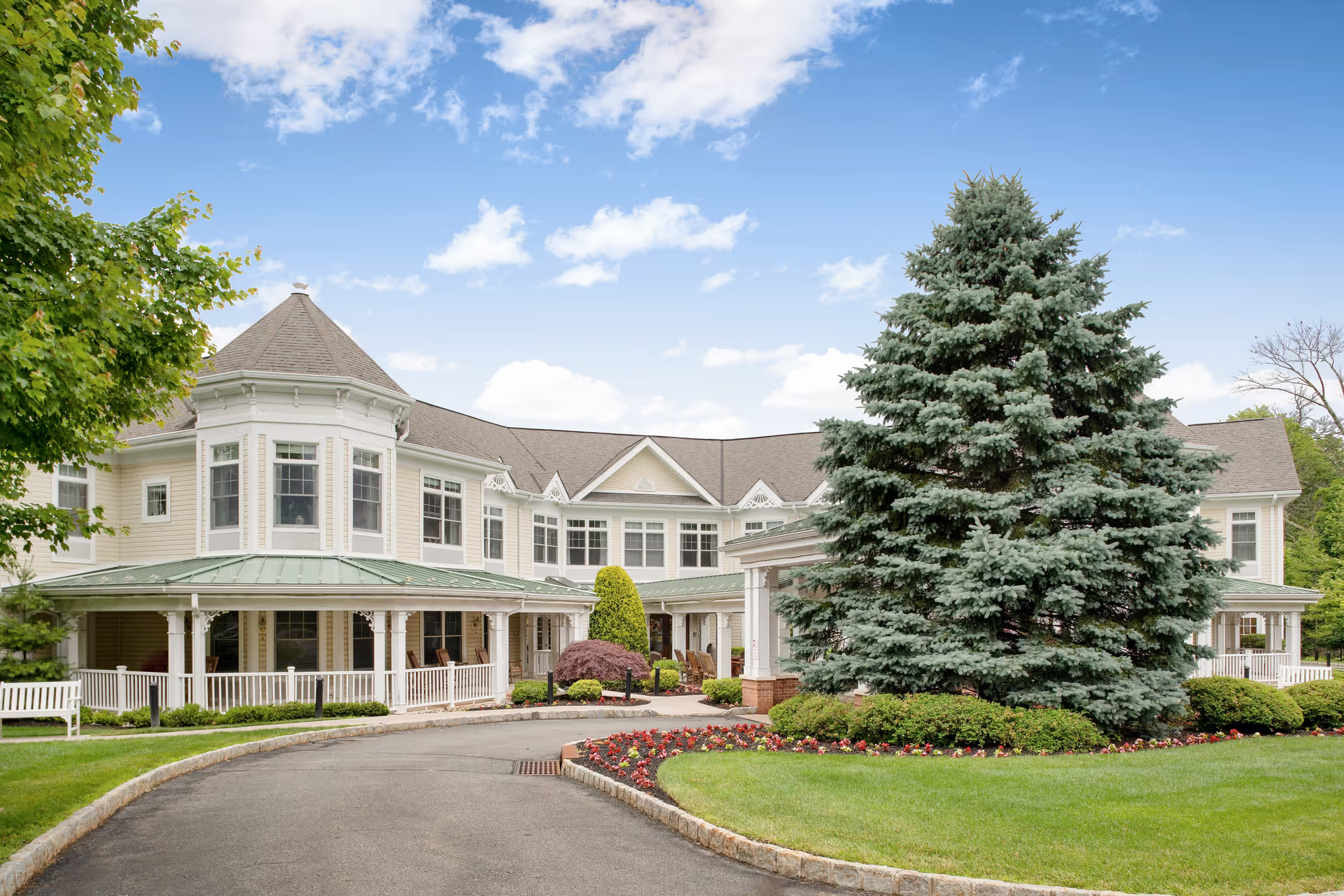
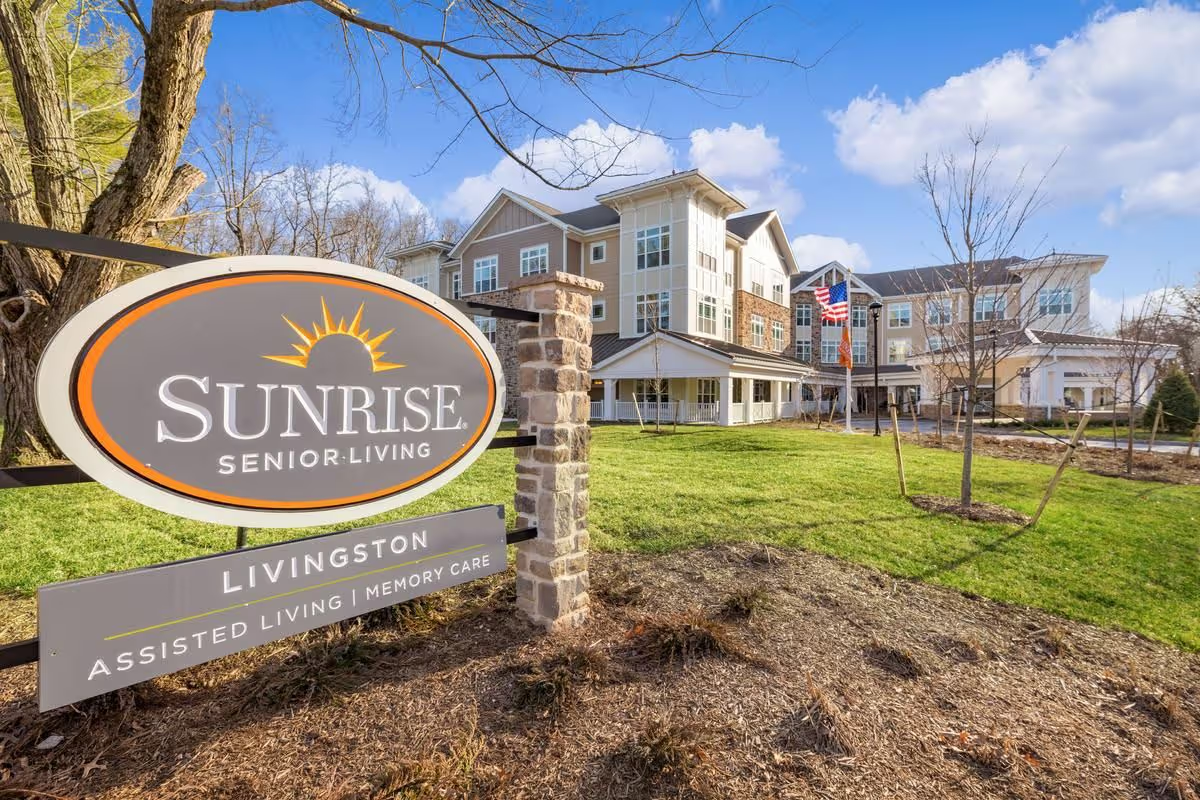
Arden Courts Whippany is consistently described as a memory-care–focused community with a strong dementia specialization. Many families praise the clinical knowledge of the staff, attentive nursing and caregiving, and an overall culture that emphasizes dignity and one-to-one attention. The facility layout — single-level design, private rooms with en-suite bathrooms, secure fenced courtyard and gardens — supports safe wandering and outdoor access, and reviewers frequently note the home-like, welcoming atmosphere.
Staff and clinical care are the facility’s most frequently cited strengths. Reviewers highlight dementia-trained staff, an on-site medical coordination approach, and caregivers who foster engagement and preserve resident autonomy where appropriate. Leadership and administration receive positive mentions for responsiveness and supportive move-in processes in many accounts. At the same time, there are recurring operational concerns: families have described inconsistent staffing levels and turnover, which can affect continuity of care and responsiveness during busy periods.
Activities and social programming are often praised for being varied and stimulating — examples include music, chair exercise, bingo and small outings — and many families report that their loved ones became more engaged after moving in. However, a number of reviewers described variability in the program’s effectiveness for residents with different mobility or behavioral needs; some found the activities highly engaging while others found them less suited to their family member’s abilities. There are also comments about staged tour experiences, which suggest occasional selective presentation to visitors rather than a uniformly authentic view of day-to-day life.
Dining and daily living receive mixed feedback. Several families appreciate accommodating dietary needs and a pleasant dining ambiance with natural light, while others noted inconsistent food quality and cleanliness issues in dining and bathroom areas. Sanitation and cleaning inconsistencies, and isolated incontinence-care–related odor concerns, were raised by some reviewers — these appear as intermittent operational lapses rather than uniform conditions across the community.
Safety and supervision are generally described as appropriate for memory care, with freedom to walk under supervision and staff guidance when needed. Nonetheless, some reviews point to gaps in monitoring resident-to-resident interactions and occasional delays in attending to needs, creating concerns about supervision during unscheduled periods. There are also mentions of fall-risk incidents and the perception that, at times, residents may be left alone longer than families prefer.
Access, cost and ancillary services are additional themes. The community is private-pay only and described as relatively expensive compared with alternatives; some families expressed concern about price increases. Transportation for offsite medical appointments appears limited or unavailable according to several reviewers. A few families also noted a lack of on-site behavioral-health or social-work resources, which can be important for residents with complex neuropsychiatric needs.
Overall, Arden Courts Whippany demonstrates many hallmarks of a high-quality memory-care community: trained and compassionate staff, focused programming, safe facilities and a supportive culture. Prospective residents and families should weigh those strengths against operational considerations identified in reviews — notably staffing consistency, communication responsiveness, sanitation follow-through, dining variability, and ancillary service availability — and discuss these specific areas with leadership during a tour and the admission process.