Overall impression: The aggregated comments indicate a facility with significant operational concerns alongside isolated examples of competent, caring staff. While some families perceived the setting as preferable to an acute hospital stay and described individual caregivers positively, the dominant patterns reported relate to clinical, environmental and management weaknesses that warrant careful consideration by prospective residents and their families.
Care quality and clinical issues: Review patterns suggest recurring problems in clinical oversight. Reported themes include gaps in medication administration and documentation, questions about informed medication protocols, and apparent inconsistencies in infection prevention and catheter care (urinary infections and respiratory infections were mentioned). Several accounts describe pressure-injury development and hydration/nutrition issues that required hospital transfer or additional procedures. There are also multiple references to falls and injuries, indicating potential shortfalls in transfer and fall-prevention practices.
Staffing and staff behavior: Staffing shortages and slow response times to call buttons were commonly cited, and families reported long waits for assistance. Concerns about staff conduct and communication tone were raised, including instances of perceived rudeness and inattentive behavior. At the same time, some caregivers were described as compassionate and effective; this suggests variability in staff performance rather than uniformly poor interpersonal care.
Dining and activities: Comments on dining primarily point to inconsistent meal quality and questions about adequacy and variety. Nutrition and hydration management were also raised as concerns in a few accounts. Activities and engagement were not a prominent theme in the summaries provided, so there is limited information on recreational or social programming.
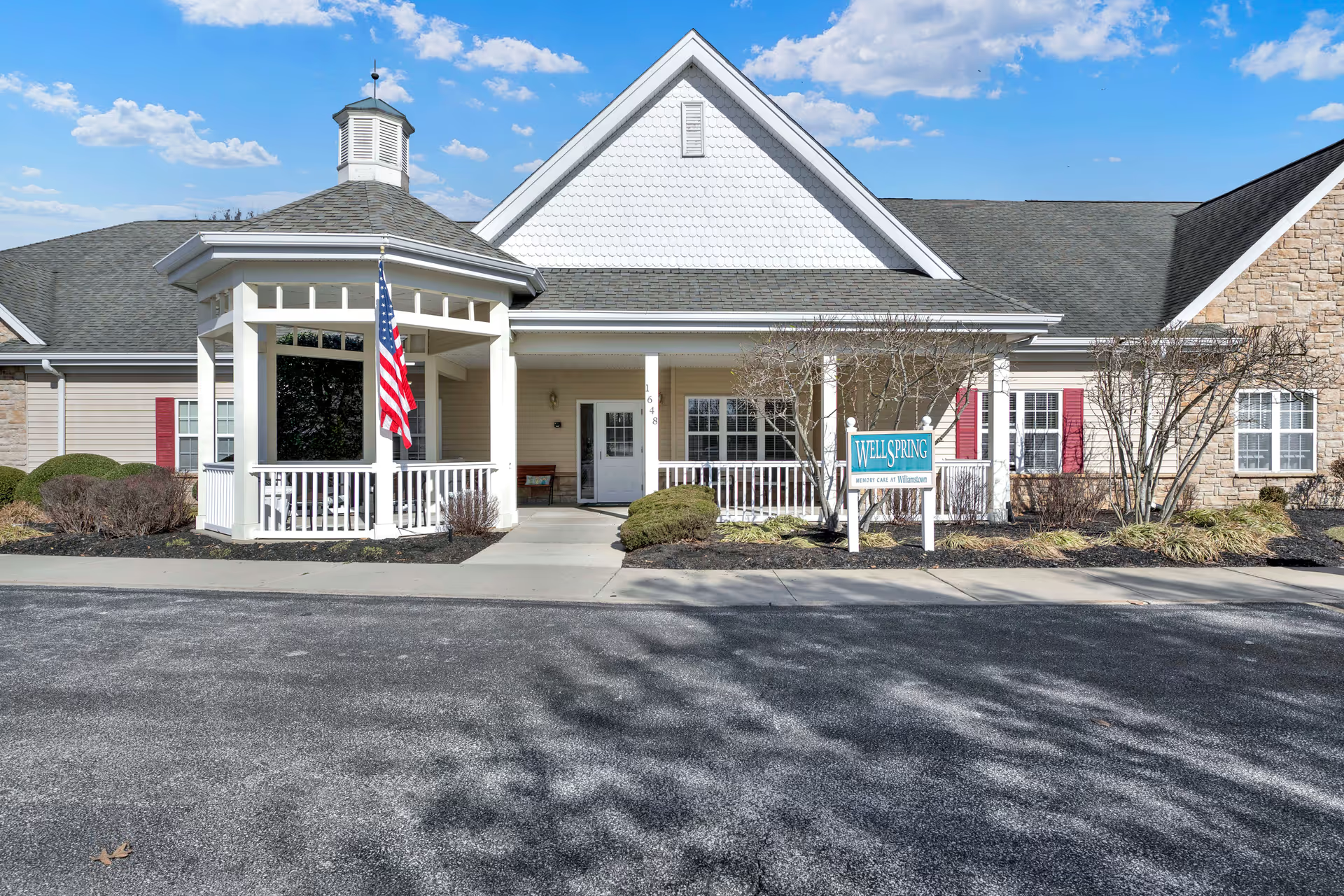
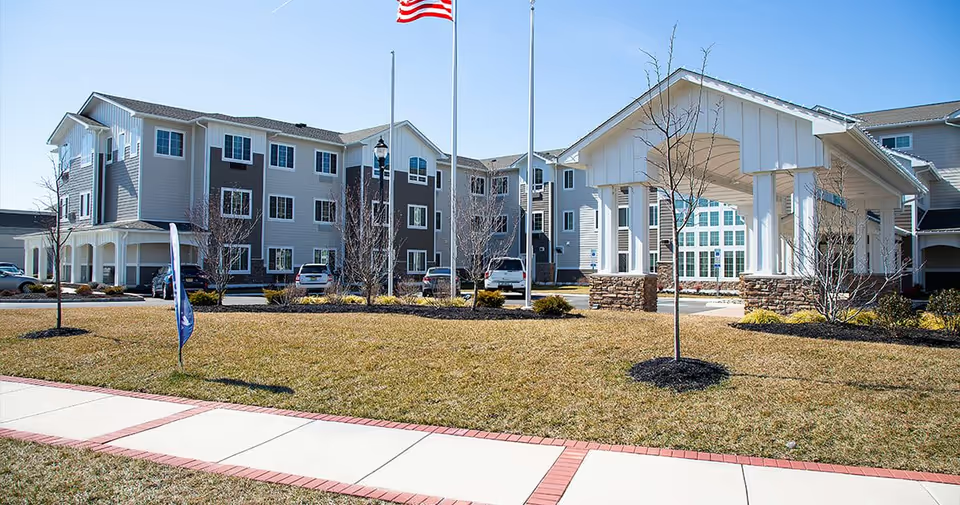
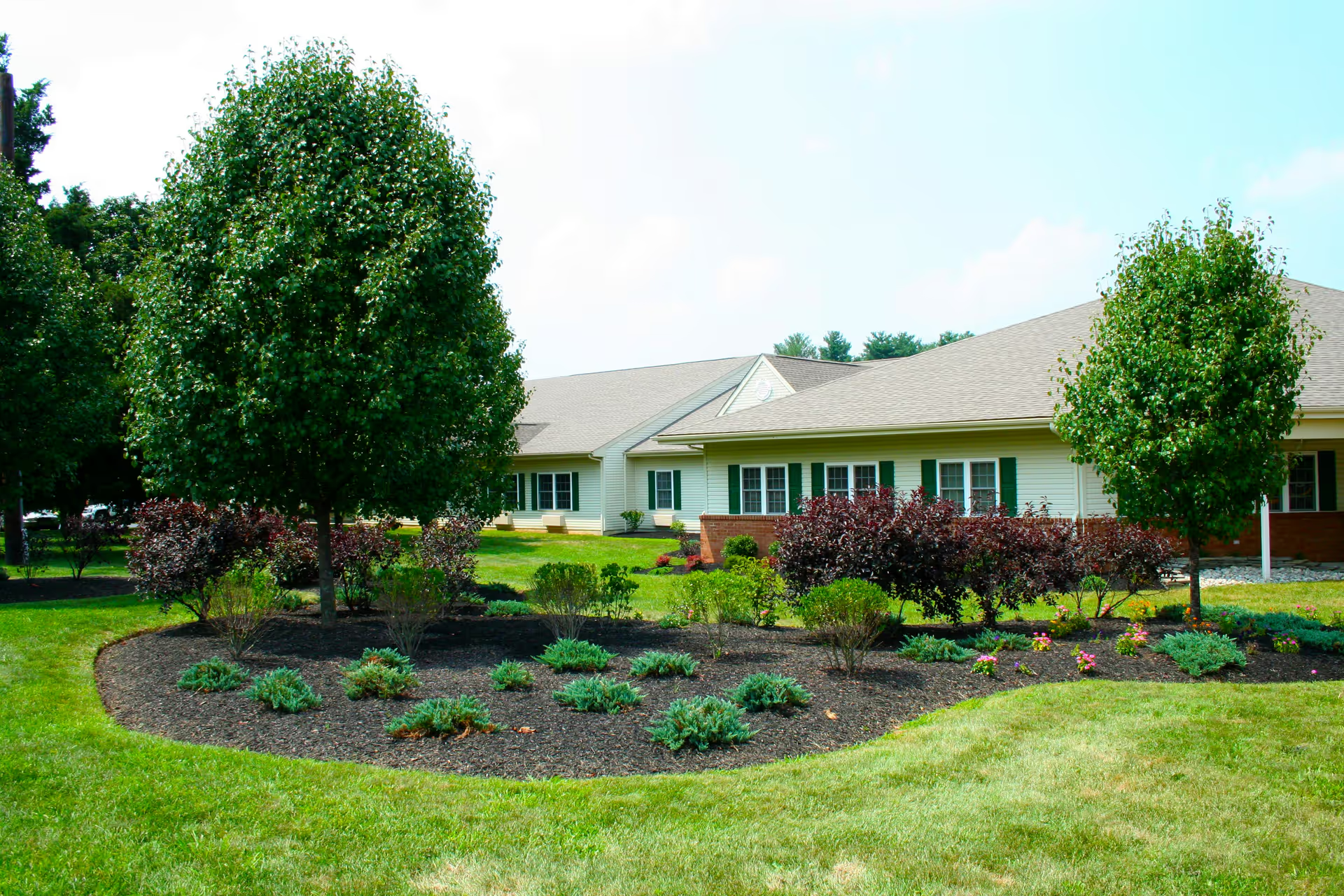
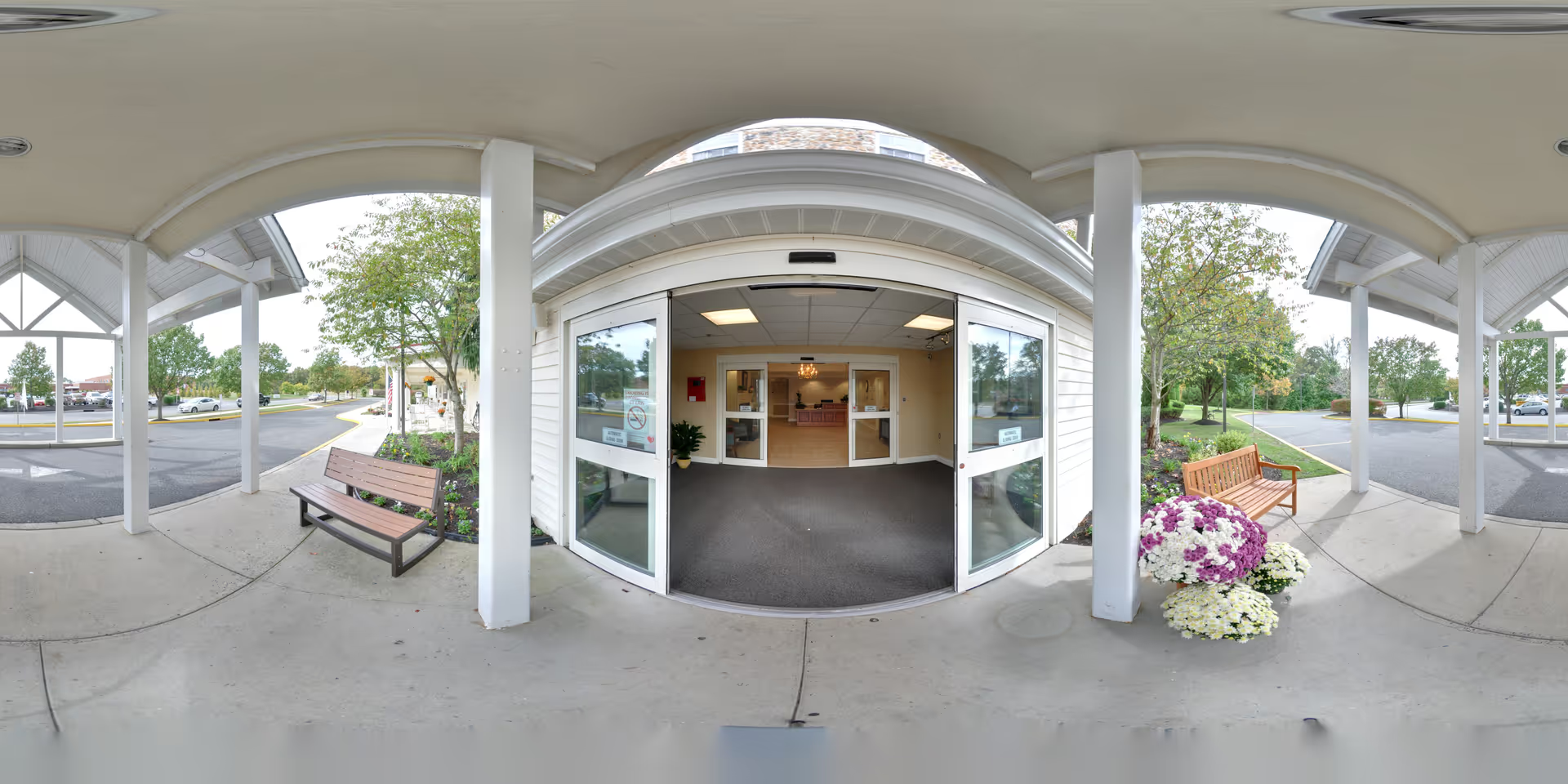
Facilities and environment: Multiple summaries describe cleanliness and sanitation issues, including mold and ventilation problems in certain areas, and general concerns about room conditions and equipment functioning. There were also notes about safety-device placement and room-level infection-control practices. For residents requiring respiratory support, equipment alarms and monitoring were mentioned, indicating the importance of confirming respiratory-care protocols during any visit.
Management and communication: Families described limited administrative responsiveness to complaints and difficulty obtaining timely, clear communication about clinical incidents. There are also serious individual claims — including medication administration without clear orders and involvement of outside authorities — that rise to the level of allegations; these are isolated but significant and underscore the need to review incident reporting and facility oversight records. A few accounts referenced concerns following a resident's death, emphasizing that families seek transparent post-incident communication and documentation.
What to watch for and next steps: Given the mix of serious operational concerns and isolated positive reports about individual staff, prospective residents and families should conduct targeted due diligence. Recommended inquiries include current staffing ratios, fall-prevention and transfer protocols, medication-administration and documentation practices, infection-control policies (including recent inspection or corrective-action records), housekeeping and ventilation maintenance schedules, and processes for family communication and incident reporting. An in-person tour that includes observation of resident areas, meal service, and staff-resident interactions — along with direct questions to management about recent complaints and corrective actions — will help clarify whether the facility’s current practices meet your expectations.