Overall impression: Reviews reflect a mixed experience at this facility. Many families and residents praised the direct-care staff for being compassionate, friendly, and attentive—particularly during end-of-life periods—and several accounts describe effective skilled-nursing rehabilitation when therapy was consistently provided. At the same time, recurring operational weaknesses were described that affect day-to-day care and the resident experience.
Care quality and clinical oversight: Positive examples include skilled nursing and regular physical and occupational therapy for some residents, along with individualized end-of-life attention. However, a pattern of clinical-process concerns appears in other accounts: inconsistent medication administration timing, missed or delayed lab follow-through, infrequent physician visits, and gaps in formal rehabilitation planning. Reviewers expressed concern about skin integrity and monitoring, and about oxygen and other medical-supply continuity in some instances. These items together suggest variability in clinical oversight and record coordination.
Staffing and staff conduct: The dominant operational theme is understaffing and high workload. Several reviews link delayed responses to call systems, long wait times for assistance, and poorer service on weekends to staffing shortages. There are reports of frequent use of agency or traveling nurses who may receive limited orientation to unit routines. Despite these system pressures, many individual caregivers and aides receive praise for caring interactions and for maintaining residents' personal appearance.
Dining, activities, and ancillary services: Meal-service experience is inconsistent. Some families noted satisfactory meals, while others described disorganized meal distribution, limited hot-food options, insufficient monitoring of whether residents ate, and a prevalence of simple offerings such as sandwiches. Activity programming was identified as limited or minimal by multiple families, and transportation services were described as unreliable or unavailable in some accounts. Laundry handling and management of personal belongings were raised as recurrent concerns.
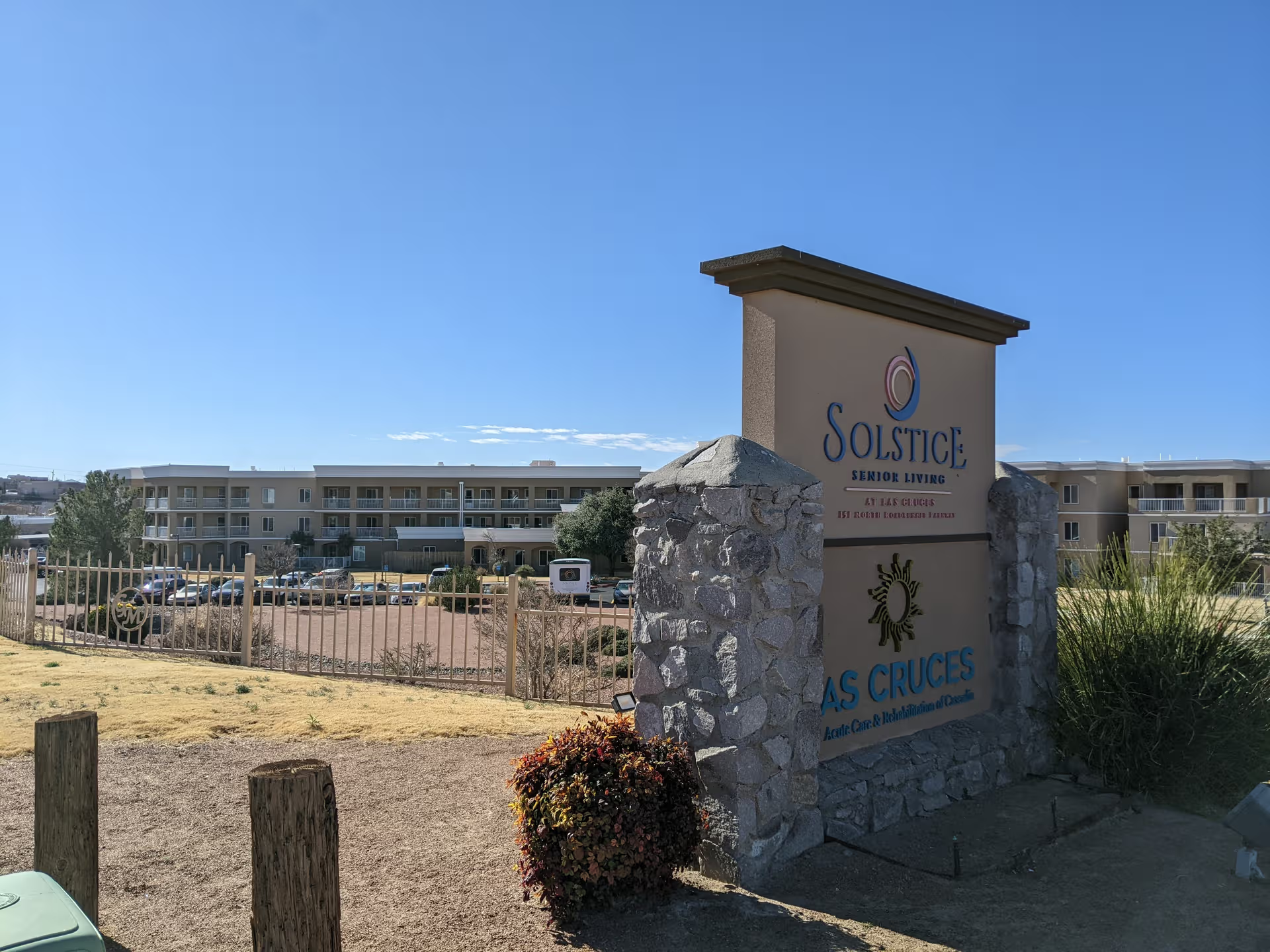
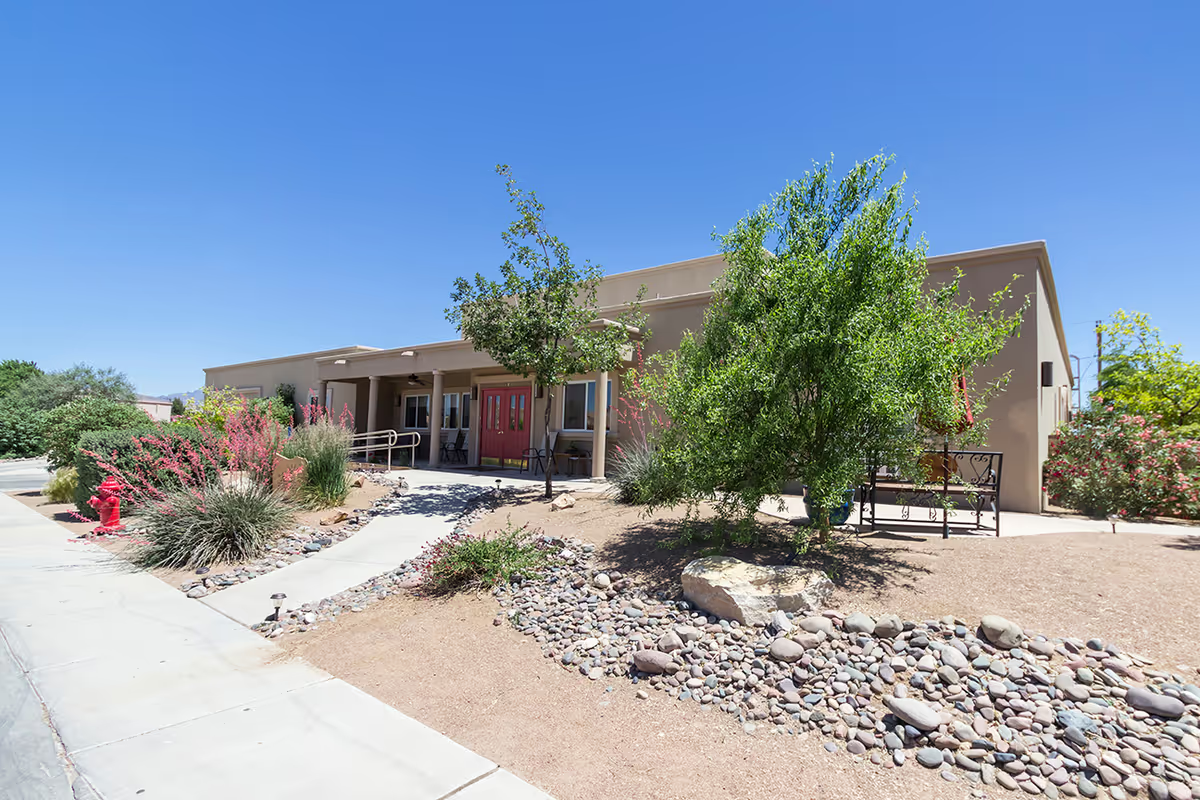
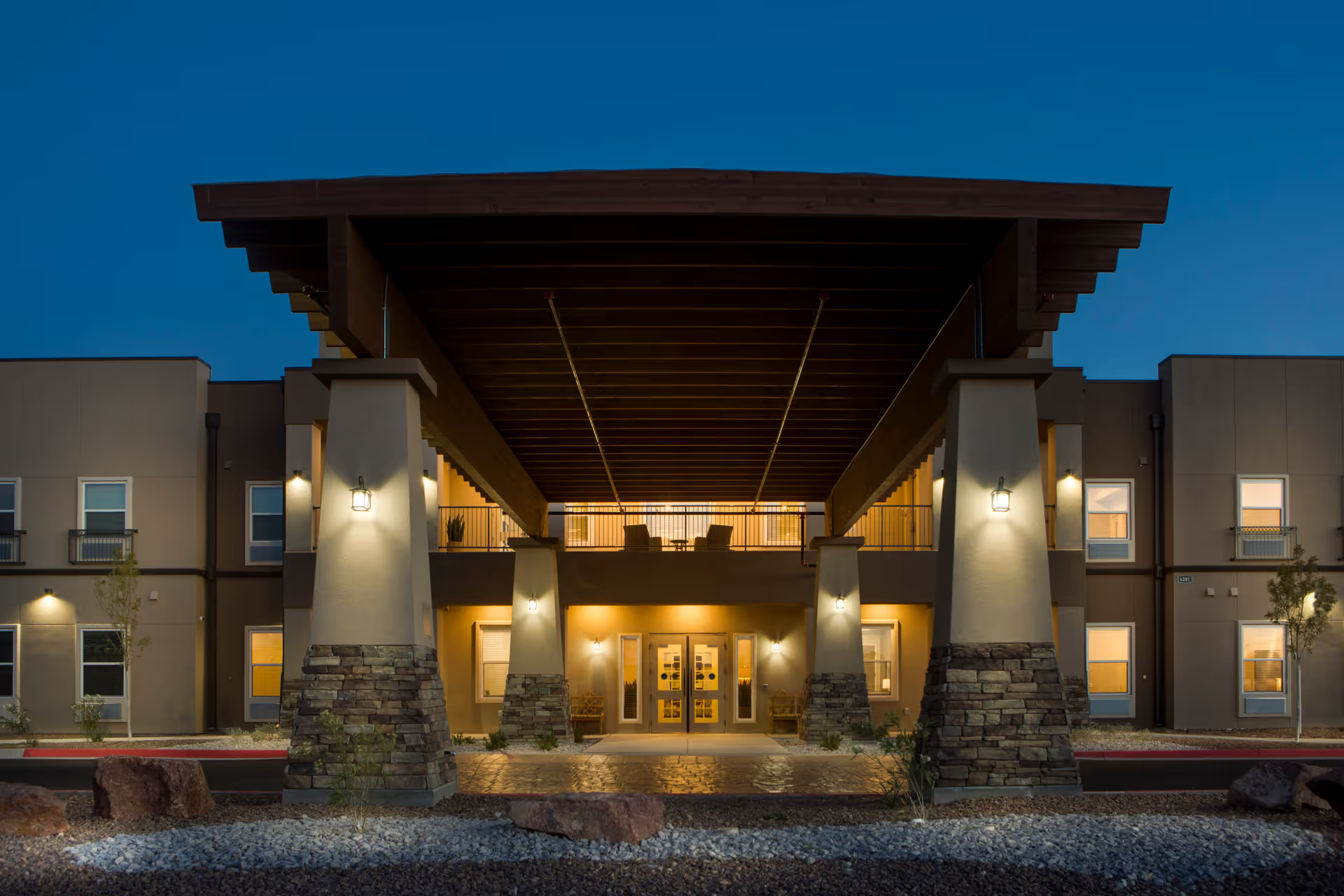
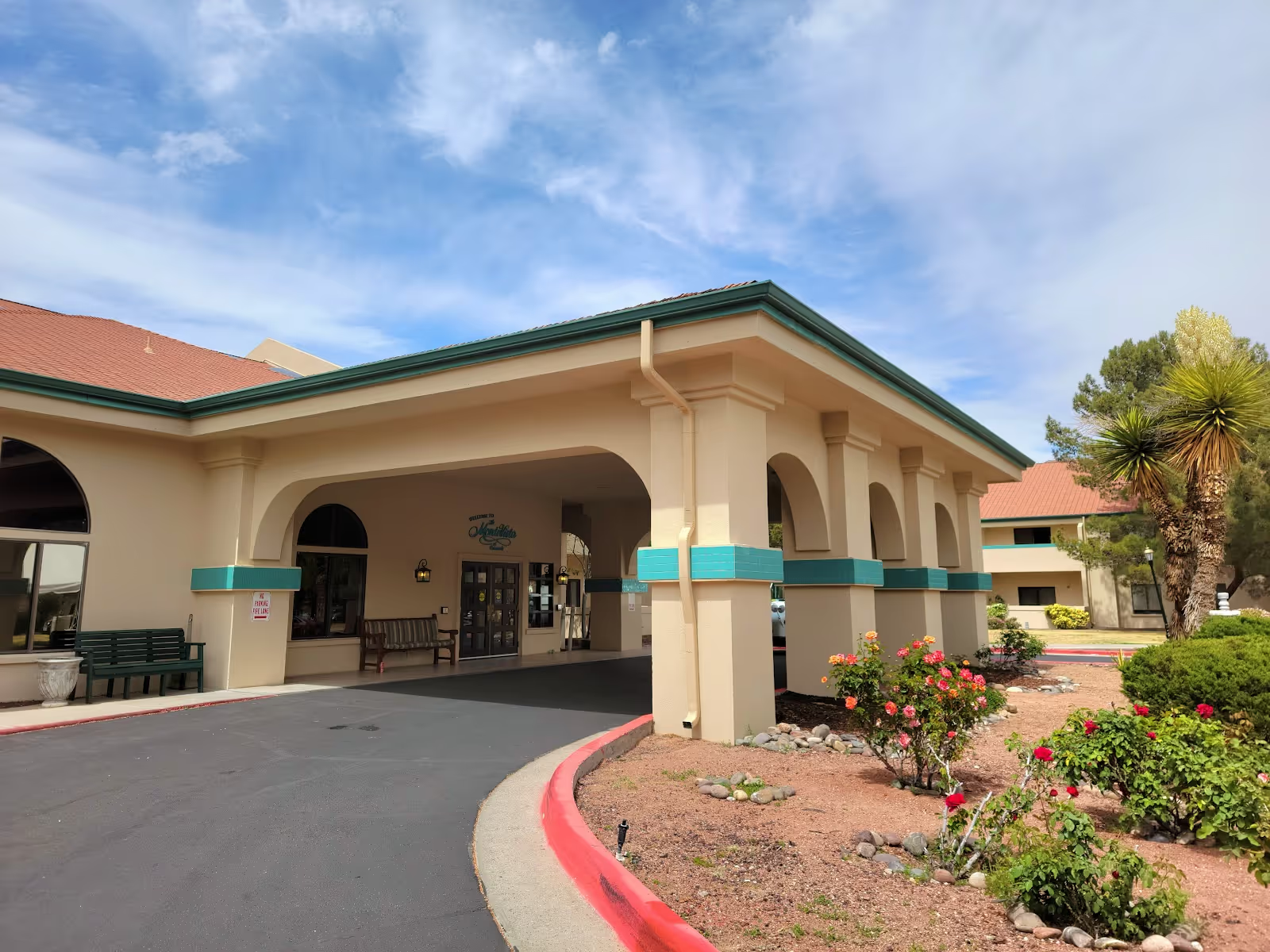
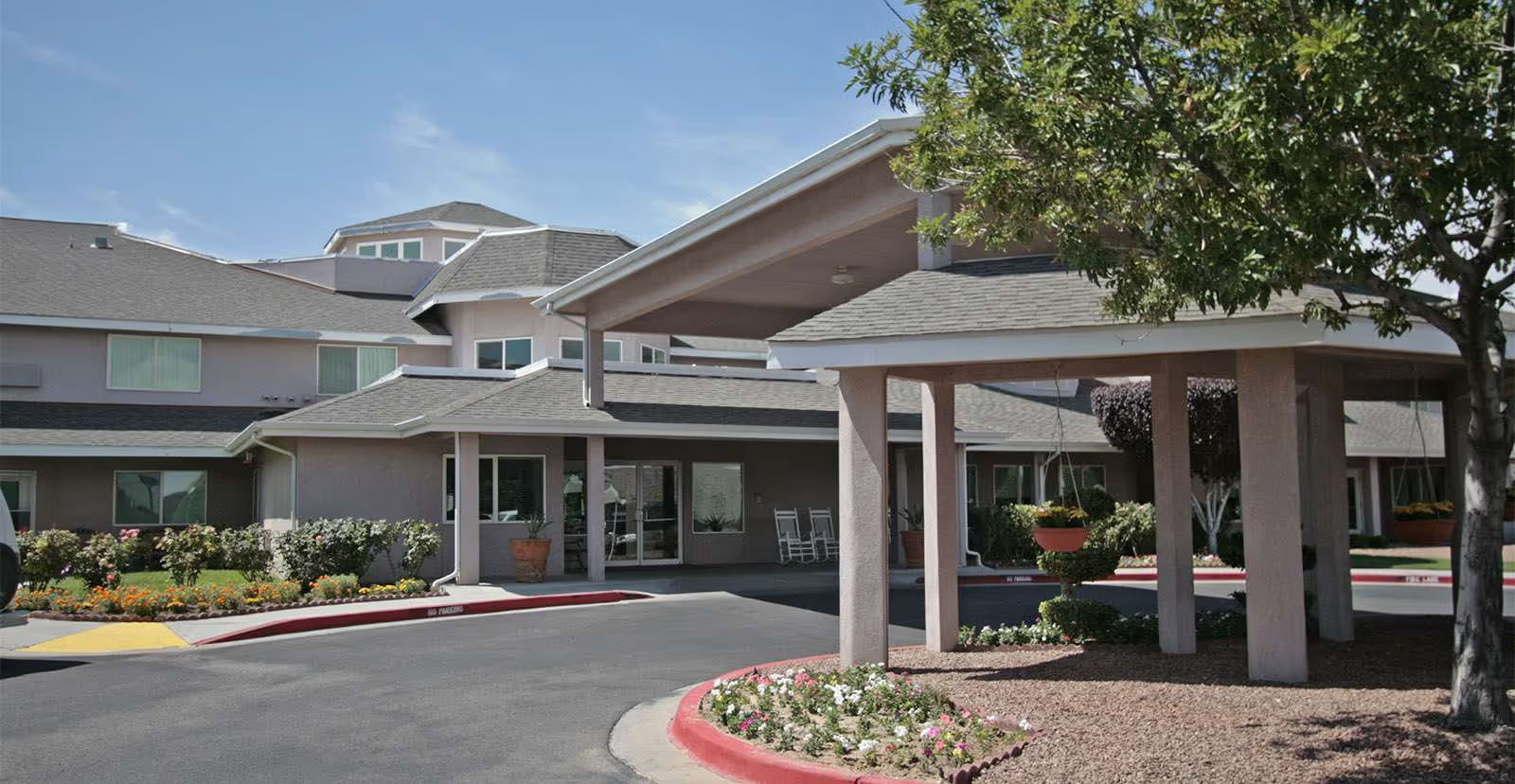
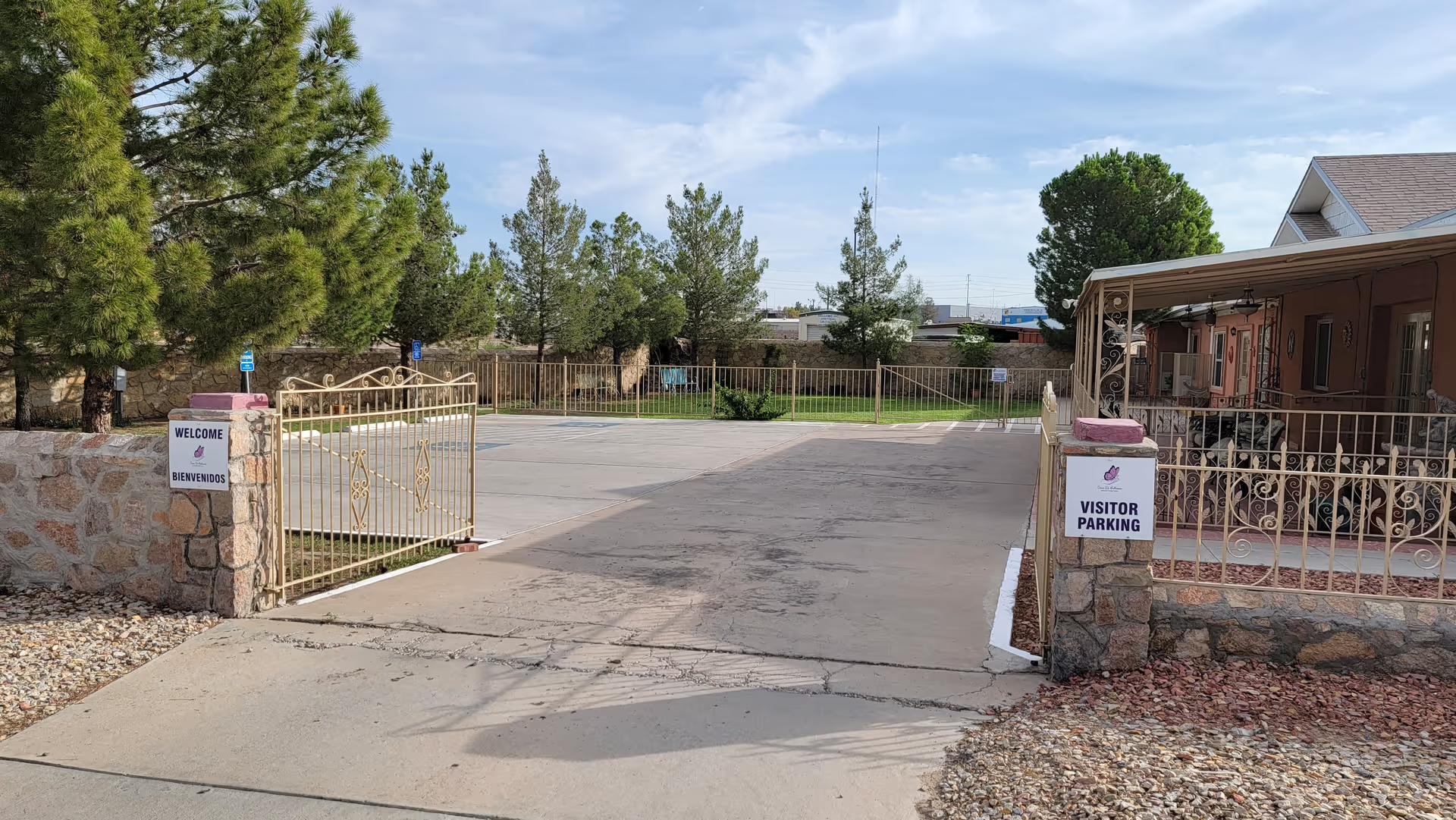
Facilities, maintenance, and cleanliness: Physical-plant issues are a repeated theme: worn interiors, need for painting and repairs to walls, broken equipment (beds, wheelchairs), and inconsistent grounds maintenance. Sanitation and odor concerns in particular rooms or hallways were reported alongside praise for generally clean common areas in other accounts. Security and entry procedures were described as intermittent, and families recommended confirming reception and door-security arrangements during a visit.
Management, communication, and notable patterns: Accounts describe mixed experiences with management responsiveness—some families cite an engaged administrator and helpful communication, while others describe poor communication, unanswered calls, and difficulty reaching staff. Weekend service levels and staffing variability are a notable pattern. There are also mentions of missing or mishandled belongings, which point to a need for stronger property management processes.
Practical considerations for prospective families: The facility shows strengths in compassionate caregiving and the capacity for effective rehabilitation when staffing and clinical coordination are stable. However, operational inconsistencies—especially around staffing levels, medication timing, meal-service management, maintenance, and family communication—appear significant. Prospective residents and families should ask about current staffing ratios and weekend coverage, medication administration processes, rehabilitation plans and frequency, cleanliness and maintenance schedules, handling of personal belongings, and typical response times to call systems. A tour that checks resident rooms, dining service during a mealtime, therapy schedules, and shows documentation of clinical oversight can help assess whether the facility's current operations meet individual needs.