The reviews present a strongly polarized picture: many families describe a warm, well-appointed community with excellent dining, purposeful activities, and compassionate caregivers, while a substantial set of critiques point to operational inconsistencies that affect resident safety and satisfaction. Consistently noted strengths include restaurant-style meals with varied menus and dietary accommodations, an active calendar of on-site and off-site programs, routinely available transportation, and attractive, spacious apartments with inclusive housekeeping and maintenance services.
Clinical services receive mixed feedback. Numerous reviewers praise the on-site physical and occupational therapy programs and describe effective skilled nursing and rehab that supported recovery and maintained function. At the same time, other families reported inconsistent therapy outcomes and serious concerns about clinical responsiveness. Pattern-level issues include variability in the quality of care between different care teams, intermittent delays in medication administration, and lapses in personal-care routines (for example, inconsistent bathing schedules and incontinence-care delays). Staffing shortages and turnover were frequently cited as contributing factors to these inconsistencies, which in some accounts affected safety and recovery timelines.
Staff culture and leadership also show contrast. Many reviewers single out frontline employees and certain leaders for exceptional, personalized attention and rapid emergency assistance; these accounts describe a family-like atmosphere and staff who know residents by name. Conversely, other accounts raise concerns about inconsistent staff attentiveness, cellphone use during shifts, and inconsistent conduct standards. Communication with families is another repeating theme: some families describe flexible, family-centered admissions and smooth care-level transitions, while others report repeated paperwork requests, slow callbacks, and inadequate follow-up after clinical incidents.
Dining and activities are overall strong points. The community is repeatedly credited for high-quality, hand-crafted meals, customizable diets, a lively dining room experience, daily happy hours, group outings, and a wide array of social and recreational options (exercise classes, concerts, games, and libraries). Several reviewers noted smaller-than-expected portion sizes or perceived declines in meal quantity over time, which suggests inconsistency in portioning or meal service expectations.
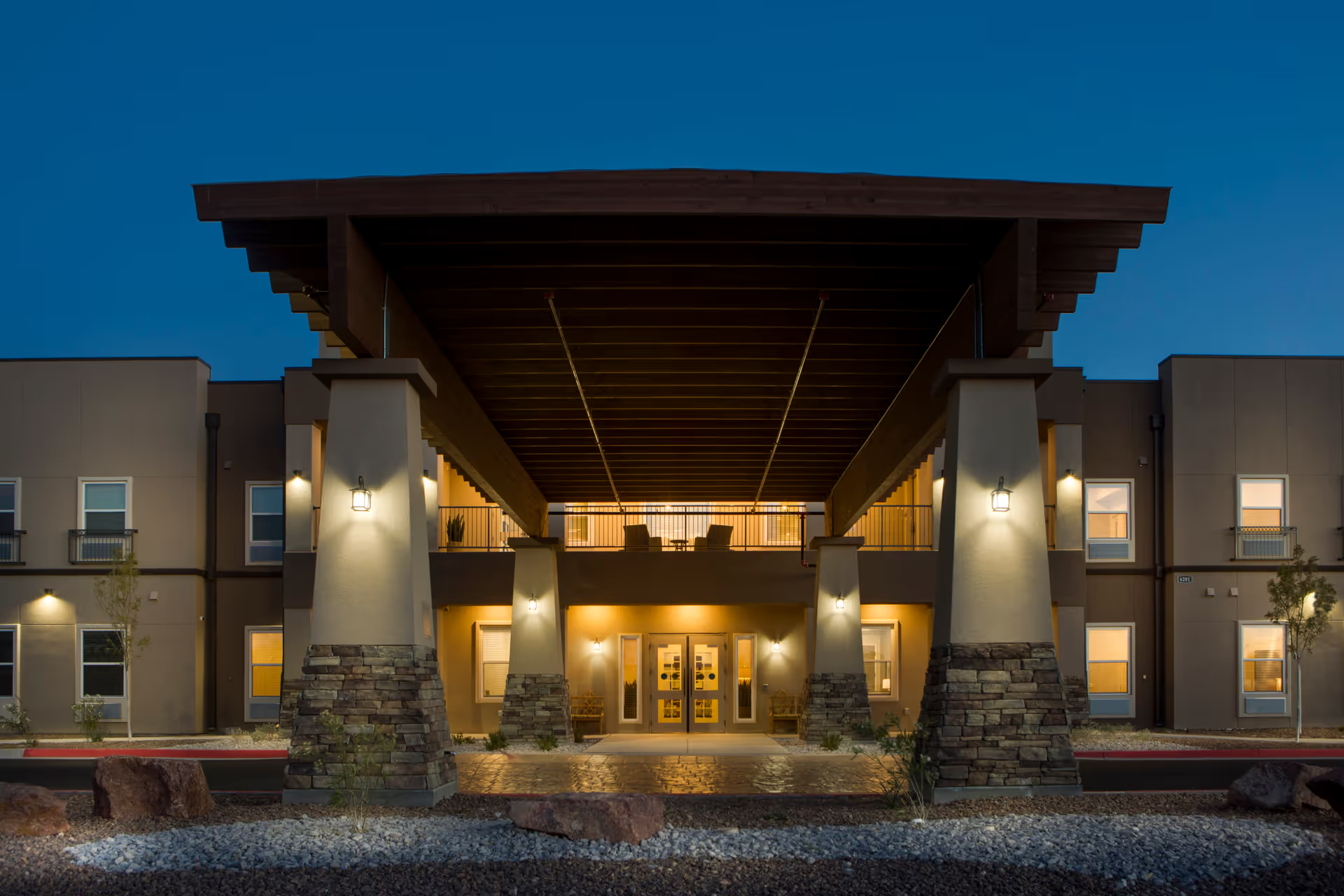
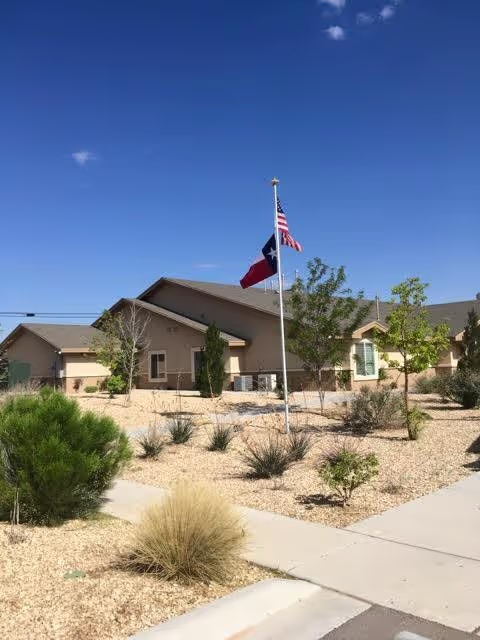
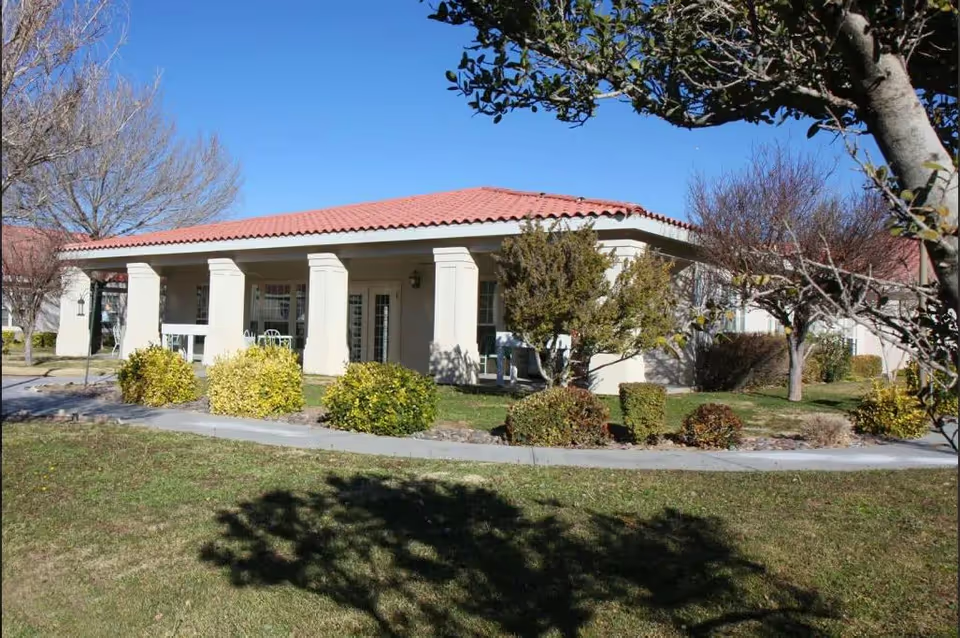
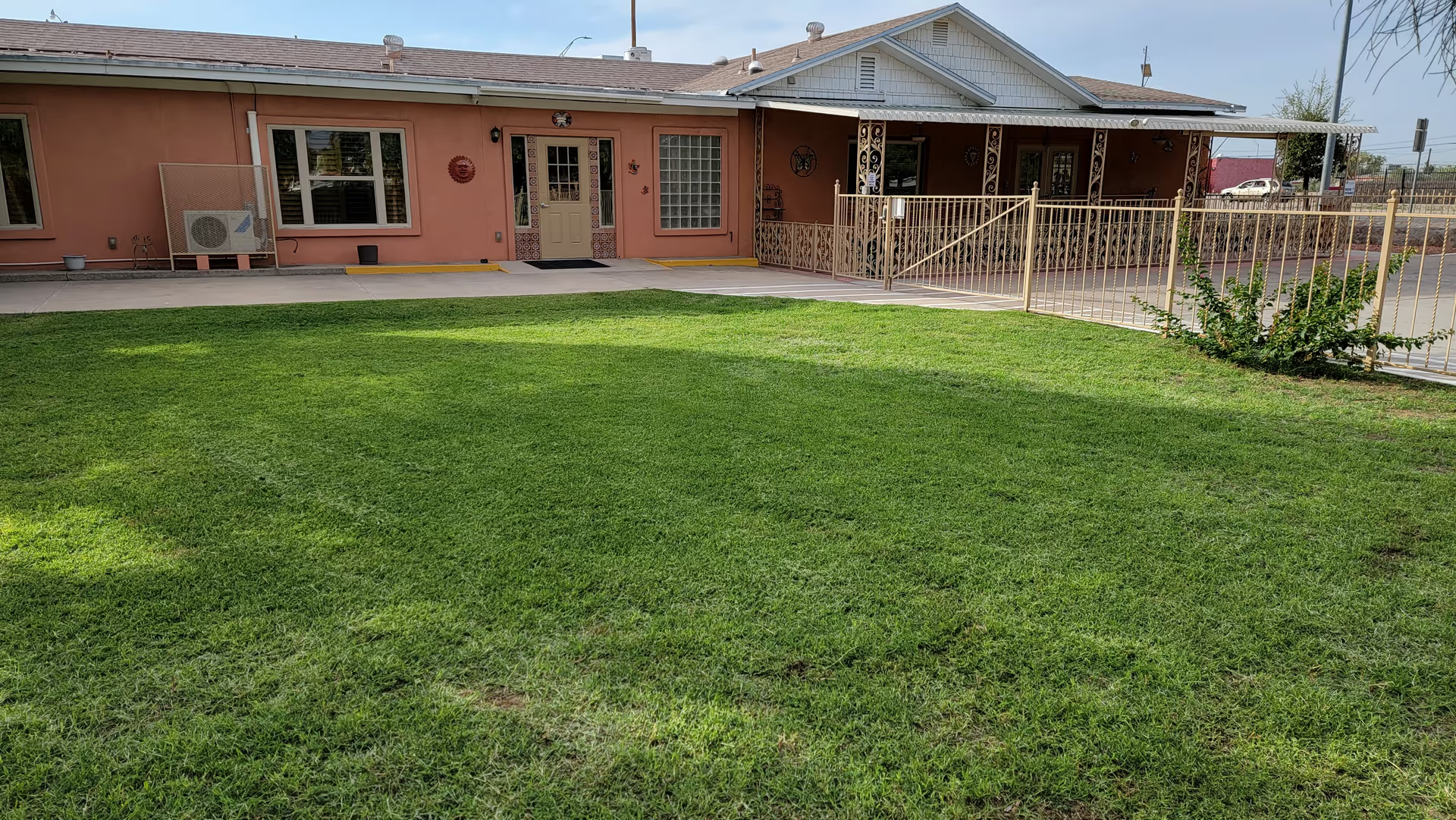
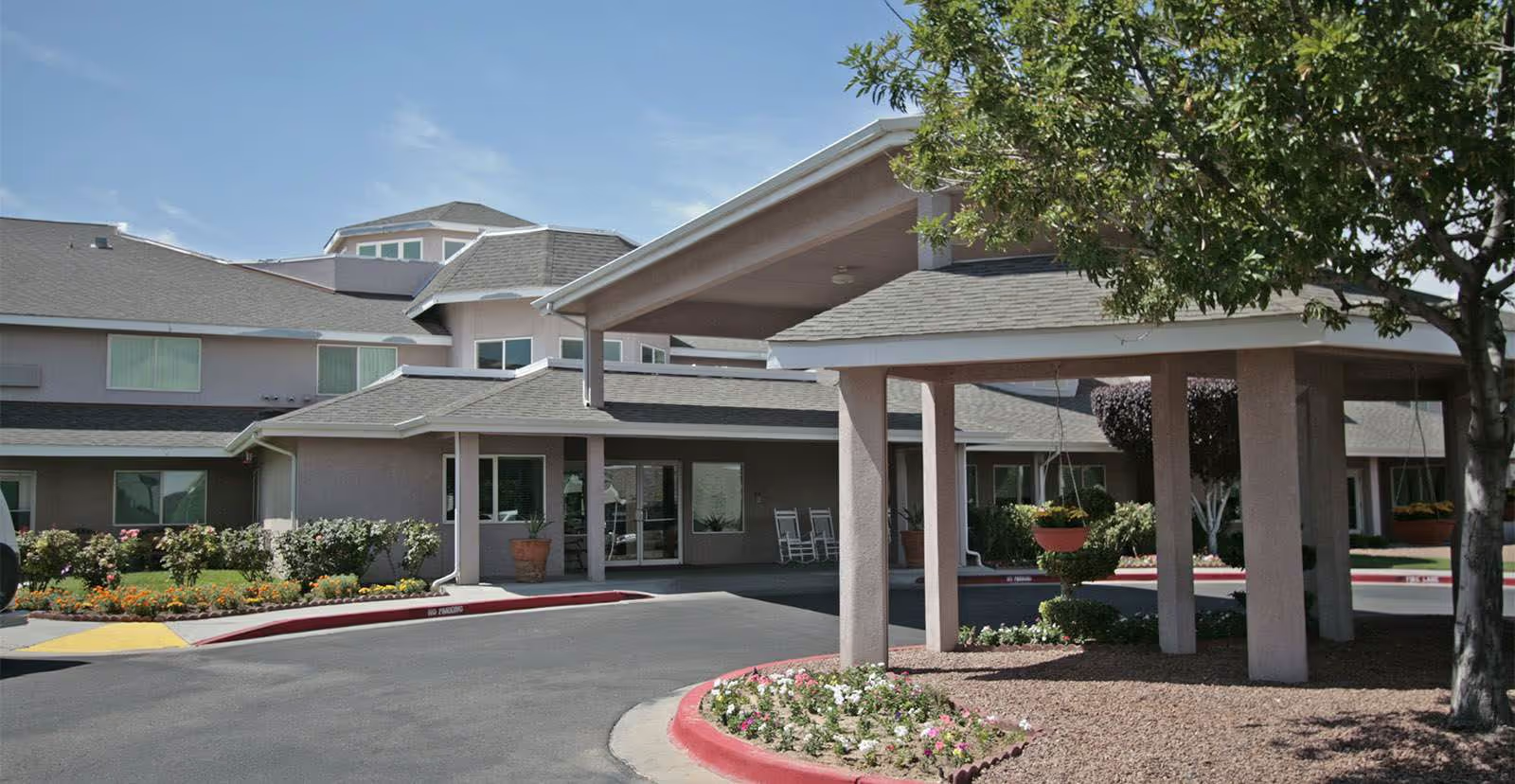
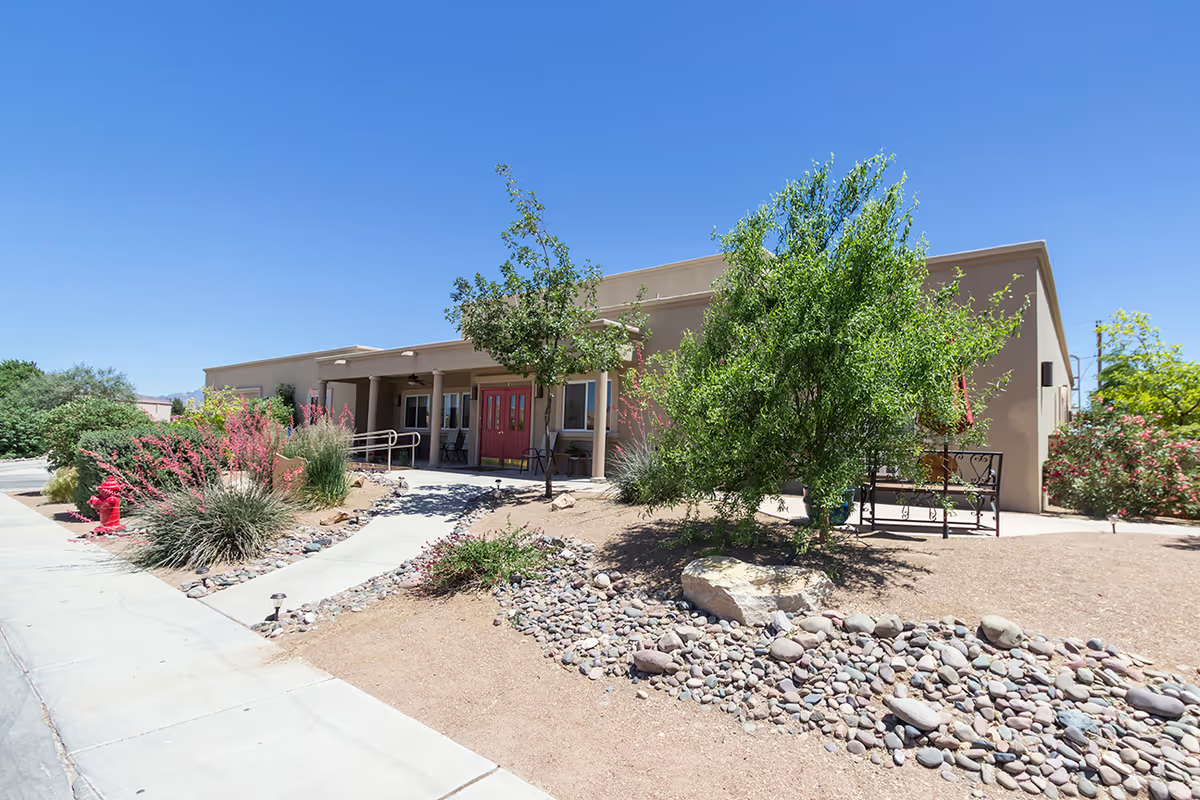
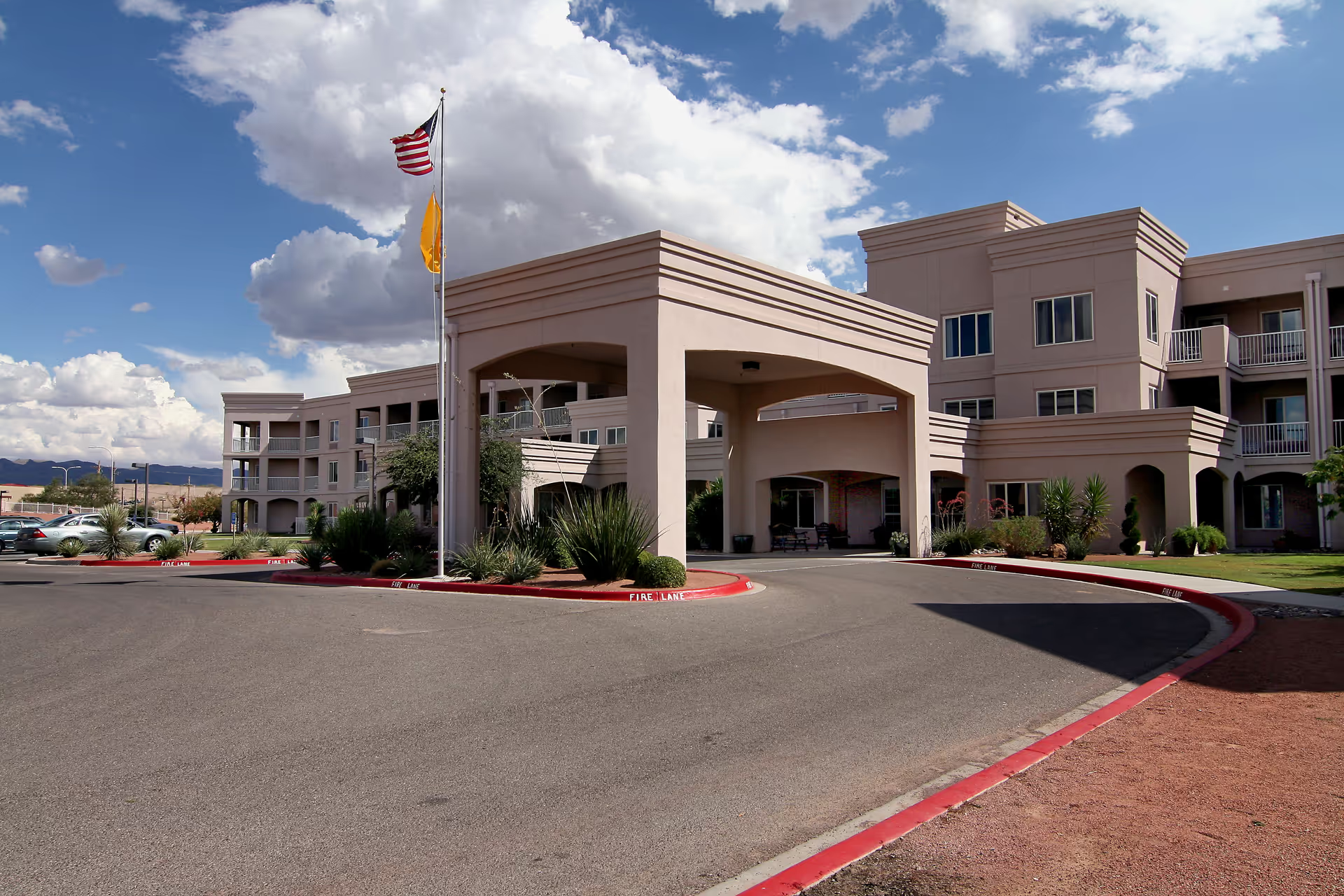
The physical plant and amenities are generally described positively: well-maintained landscaping, roomy apartments with updated kitchens and baths, ADA-accessible units, interior-access layouts, attractive common spaces, and accessible outdoor walkways and patios. However, isolated maintenance issues (for example, air conditioning problems in individual rooms) and variability in bathroom accessibility between unit types were mentioned.
Operational and safety concerns appear as a recurring pattern-level theme. These include weaknesses in personal-property protection and privacy controls, occasional shortages of supplies, and perceptions of inadequate incident-response and family communication following adverse events. There are also reports raising serious concerns about property security and privacy; prospective families should note these and verify security measures directly. Financially, several reviewers expressed dissatisfaction with price increases and a perceived decline in value over time.
For prospective residents and families: the MonteVista at Coronado offers many features families seek—robust dining, active programming, attractive apartments, and accessible clinical services—but the experience appears to depend heavily on staffing assignments, the specific care team, and occupancy-driven operational pressures. Recommended due diligence includes asking about current staffing levels and turnover rates, therapy-staff credentials and average outcomes, medication-administration protocols, incident-reporting and family-notification practices, security and property-protection measures, HVAC/maintenance response times, and the facility’s process for handling gender-sensitive care assignments. Scheduling a multi-hour visit that includes mealtime, an activities session, and a talk with nursing leadership will give the clearest sense of daily operations and consistency for an individual resident’s needs.