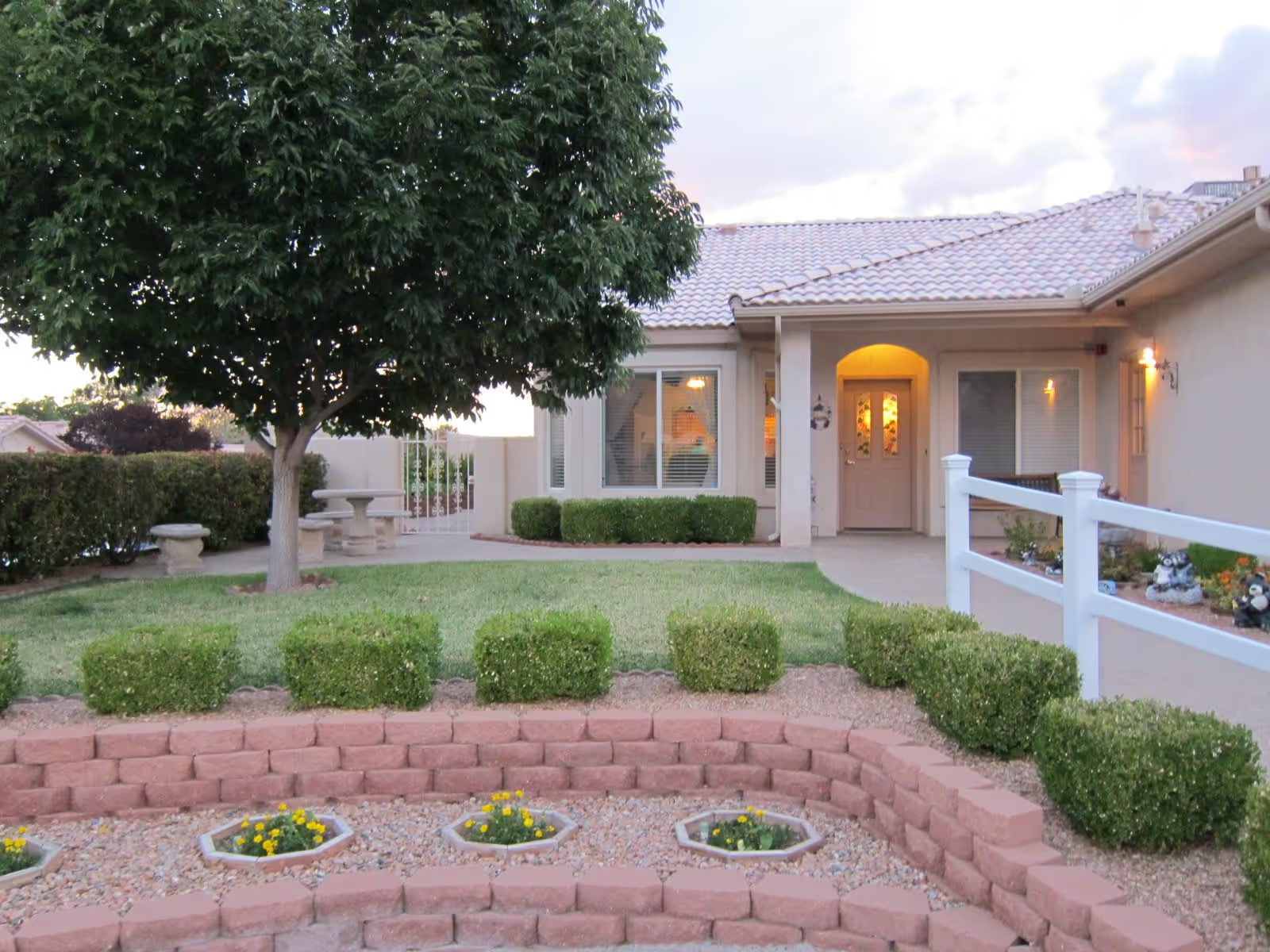
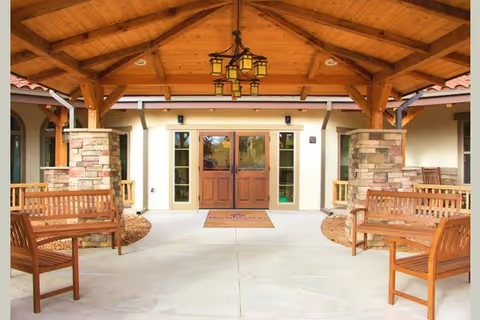
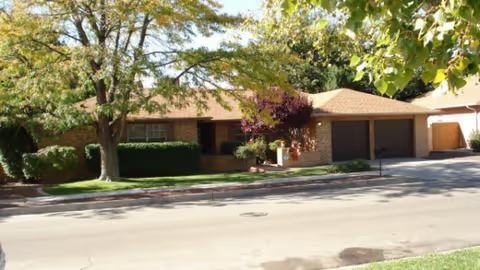
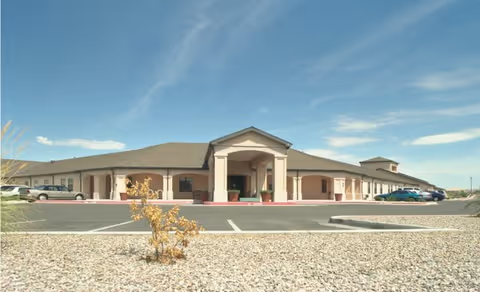
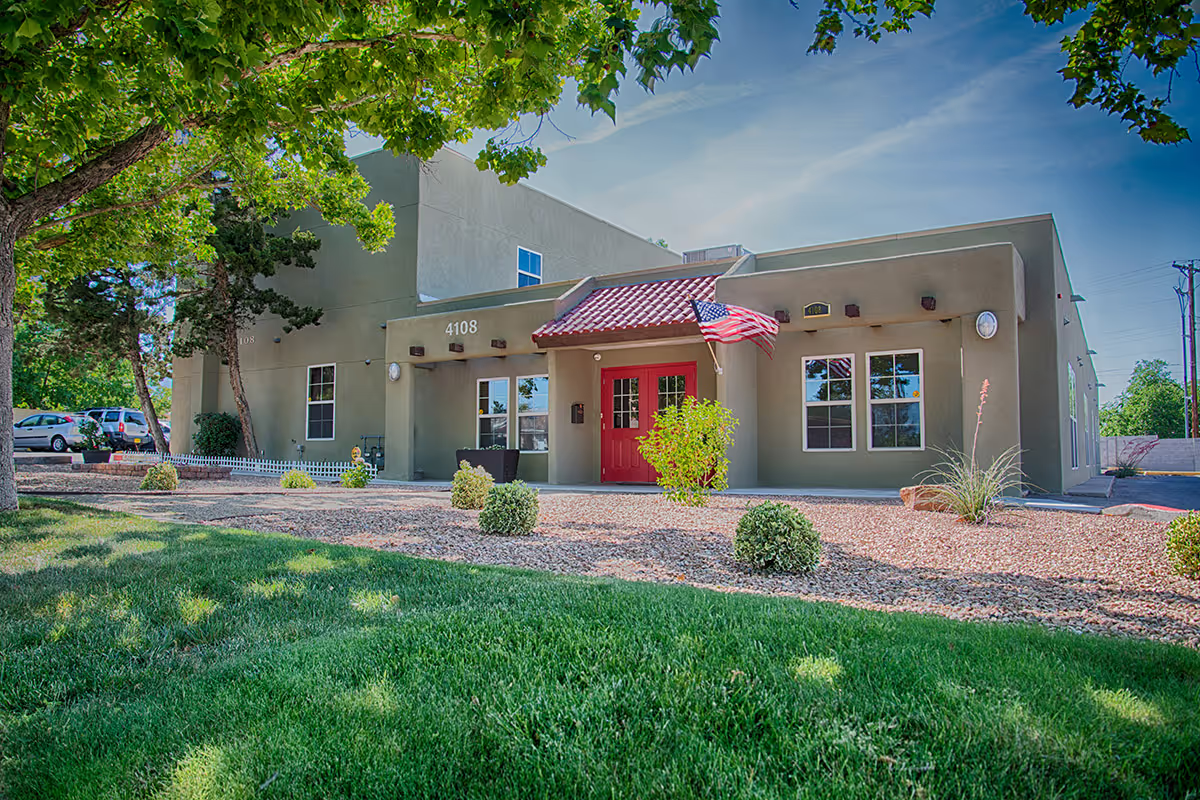
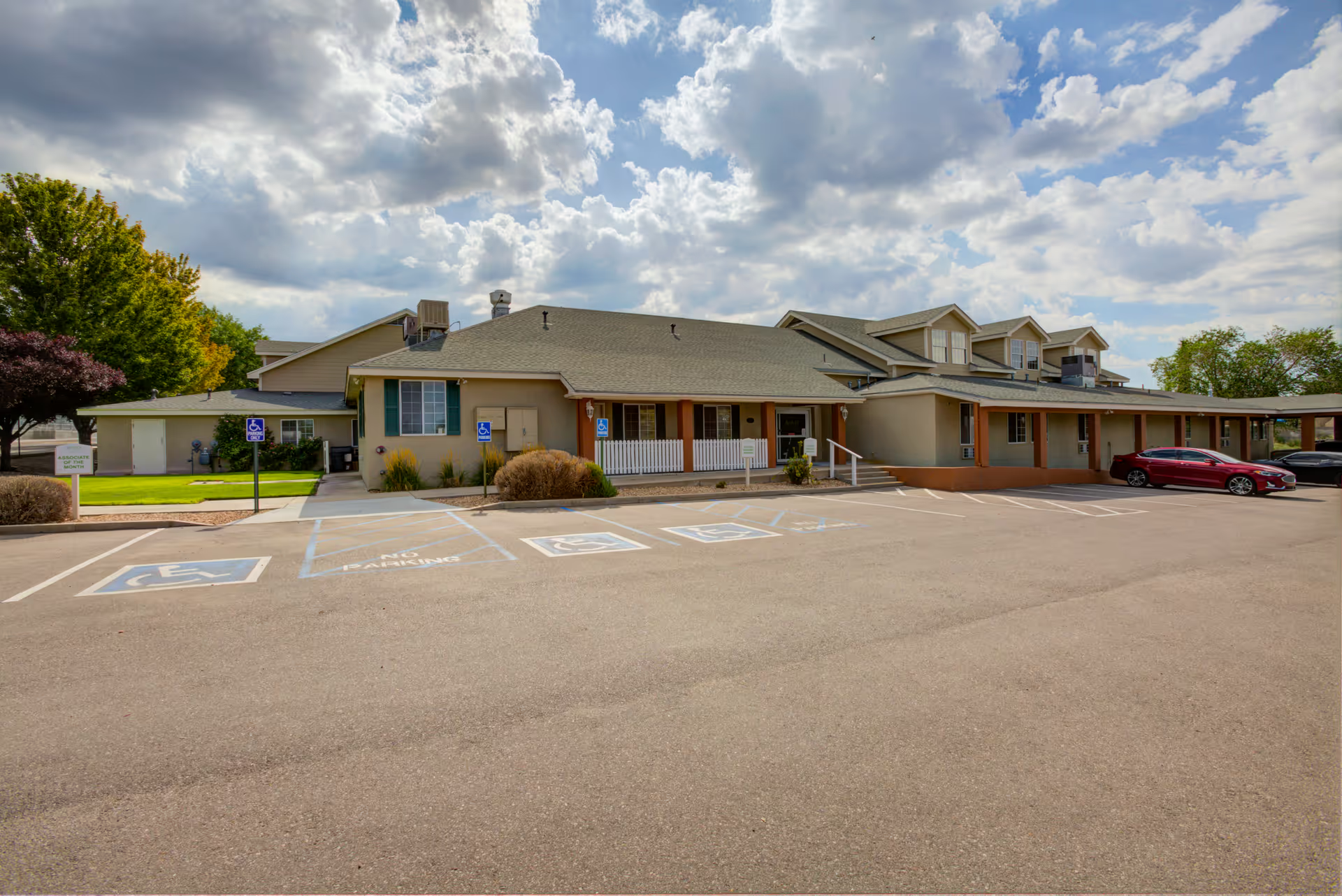
Overall impression: Reviews present a mixed but specific picture. The facility is frequently described as a small, home-like assisted living environment with private rooms, accessible outdoor space, and a cottage/pod arrangement that some families and residents find comforting. Many comments emphasize genuinely caring staff members, quick response to assistance calls, individualized attention, and a welcoming dining atmosphere. At the same time, reviewers identify operational inconsistencies that can affect day-to-day experience and perceived quality of care.
Care and staff: Caregiving staff receive much of the positive commentary — reviewers commonly note compassionate, attentive caregivers who will go beyond basic duties, provide mobility support and foot care, and respond quickly when called. However, these strengths are counterbalanced by persistent concerns about staffing stability. High turnover, variable caregiver-to-resident ratios, and uneven staff competence are recurring themes; where staffing is strong, families speak highly of care, but where staffing is thin the ability to monitor bedbound residents and meet complex needs is described as limited. There are also notes about limited on-site clinical oversight at times (for example, no regular on-site nurse or administrator in some shifts), which reviewers link to variability in clinical responsiveness.
Dining and nutrition: The dining program is characterized as homelike with options for in-room or dining-room service and attempts to accommodate special diets. Positive remarks cite friendly dining spaces and nourishing meals in certain units. Conversely, reviewers describe inconsistent meal quality and menu continuity — examples include substitutions, perceived use of lower-cost cuts, and limited fruit offerings. Weekend culinary coverage and occasional changes in kitchen staff are identified as factors that affect consistency.
Activities and engagement: Activity programming is a clear strength in many units: music (piano), outings, transportation to community events, pet visits, exercise sessions, and social programming receive favorable mention. The pod layout and open common areas are viewed as beneficial for memory-care residents. A notable gap is activity access for bedbound residents; reviewers indicate these residents may receive fewer tailored engagement opportunities and require more frequent checking.
Facilities and maintenance: Physical accommodations vary across the campus. Several houses are described as clean, recently remodeled, airy, and well-kept, with large rooms and private baths. Other comments point to older or smaller units, occasional maintenance hazards, and intermittent odor concerns. The small-house model and private-room configuration are generally appreciated, but condition and amenities appear to differ by building.
Management and communication: Management feedback is mixed. Some managers are praised for being accessible, proactive, and willing to provide personal contact information to families. At the same time, frequent leadership changes, perceived top-heavy ownership, and inconsistent communication between management and families are notable operational weaknesses. These dynamics are linked to frustrations about care coordination, policy changes, and perceived declines in service at times. Pricing and fee increases are a recurring concern among families who question the value proposition when operational problems arise.
Notable patterns and recommendations: The reviews indicate pronounced variability across different houses, shifts, and teams. Positive outcomes correlate strongly with stable, well-staffed units and engaged management; negative experiences correlate with turnover, thin staffing, and kitchen/maintenance inconsistencies. For prospective residents and families, recommended due diligence includes touring the specific cottage/unit being considered, asking about current staffing ratios and on-site clinical coverage, inquiring about weekend meal staffing, clarifying policies for personal belongings, and requesting references from current families. Unannounced visits or a daytime drop-in can also help assess current conditions and staff responsiveness.