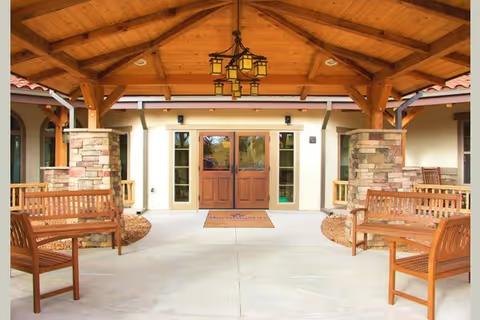
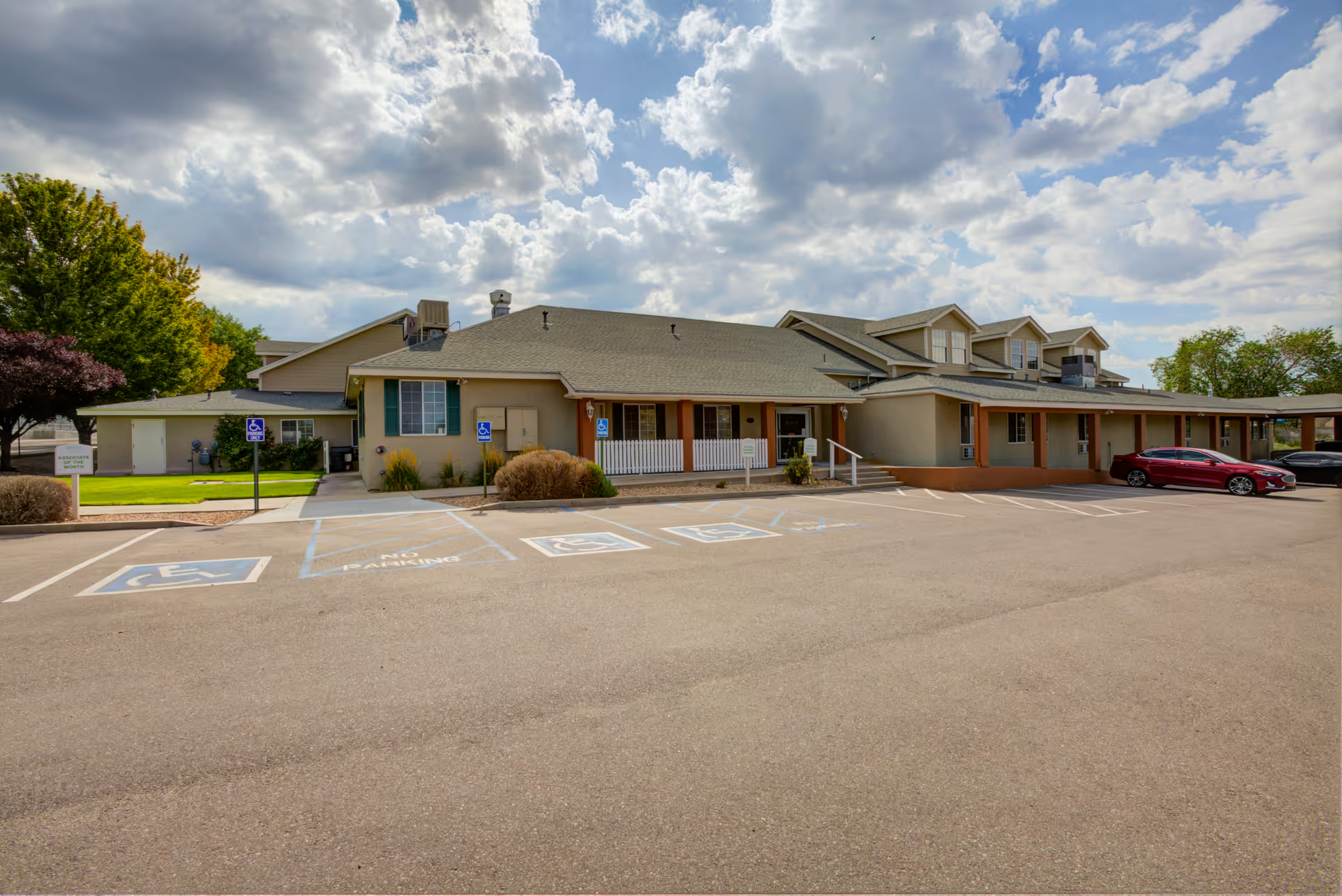
Haven Care Assisted Living‑Cottonwood is described by families as a small, home‑style memory‑care setting with a number of operational strengths and clear areas for review. Positive aspects consistently noted include a clean, well‑maintained interior, an attractive and accessible yard, and a domestic atmosphere with home‑cooked meals prepared on site. The small household size and private bedrooms contribute to privacy and a residential feel; rooms are described as personalizable and there are comfortable common areas and a dedicated visitation space for families.
Clinical resources and direct care practices receive mixed but notable positive mention. The facility reports an on‑site registered nurse, individualized care plans, medication assistance, and staff who are described as compassionate and competent by many families. The setting also offers memory‑care specialization, periodic licensed therapy services (massage) and hairdressing visits, which support personal grooming and well‑being. Several reviewers praised the administration and specific caregivers for being responsive and communicative when care is coordinated effectively.
Conversely, reviewers also identified persistent operational weaknesses that prospective families should evaluate. Dining quality and consistency appear variable; some reviewers characterize the diet as poor or inconsistent with expectations. There are recurring concerns about toileting routines and incontinence‑care schedules, indicating potential gaps in basic personal‑care timing. Recreational programming is sometimes described as limited or not sufficiently meaningful for residents, and a number of comments point to understaffing or extended staff shifts (24–36 hours cited) that create potential fatigue and supervision risks.
Related operational issues include reported lapses in staff deployment—instances where supervision practices are questioned—and concerns about controls around resident food and inventory. Several families described problems with incident response and communication following falls or other events; these accounts point to gaps in incident reporting, follow‑up, and family engagement. In a few accounts, interactions between families and management became adversarial, suggesting that communication style and conflict resolution may vary depending on staff on duty. Finally, although the home is generally well kept, some reviewers suggested parts of the facility would benefit from updating.
Taken together, the pattern across reviews is mixed: many families report high satisfaction with the individualized, home‑like care and memory‑care focus, while others report operational inconsistencies that have affected confidence in reliable day‑to‑day care. For prospective residents and families, useful due diligence would include observing peak staffing times, asking about staff shift lengths and supervision practices, reviewing incident‑reporting and family‑notification procedures, sampling meals, and confirming scheduling for personal‑care services and activities. These checks will help determine whether the facility’s strengths align with a given resident’s needs and whether the operational gaps described in some accounts are being actively managed.