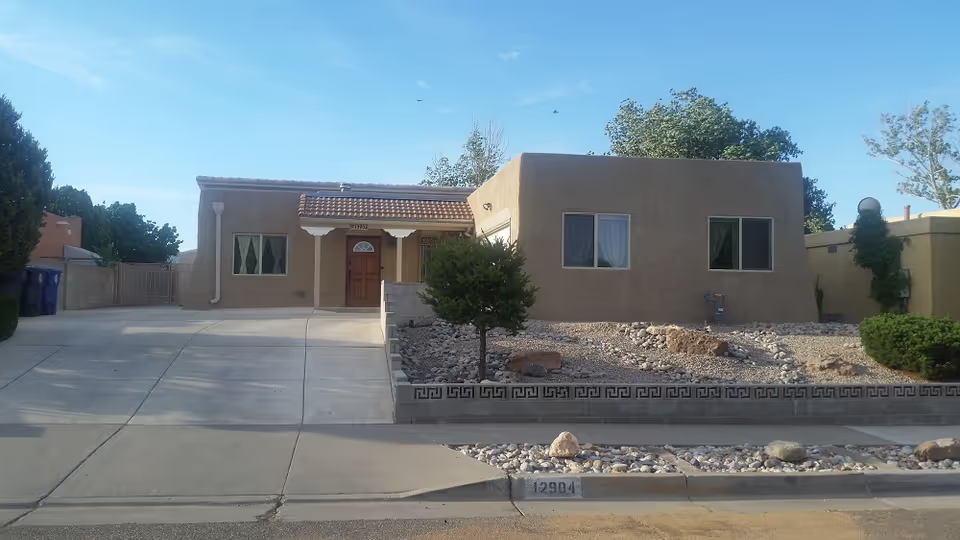
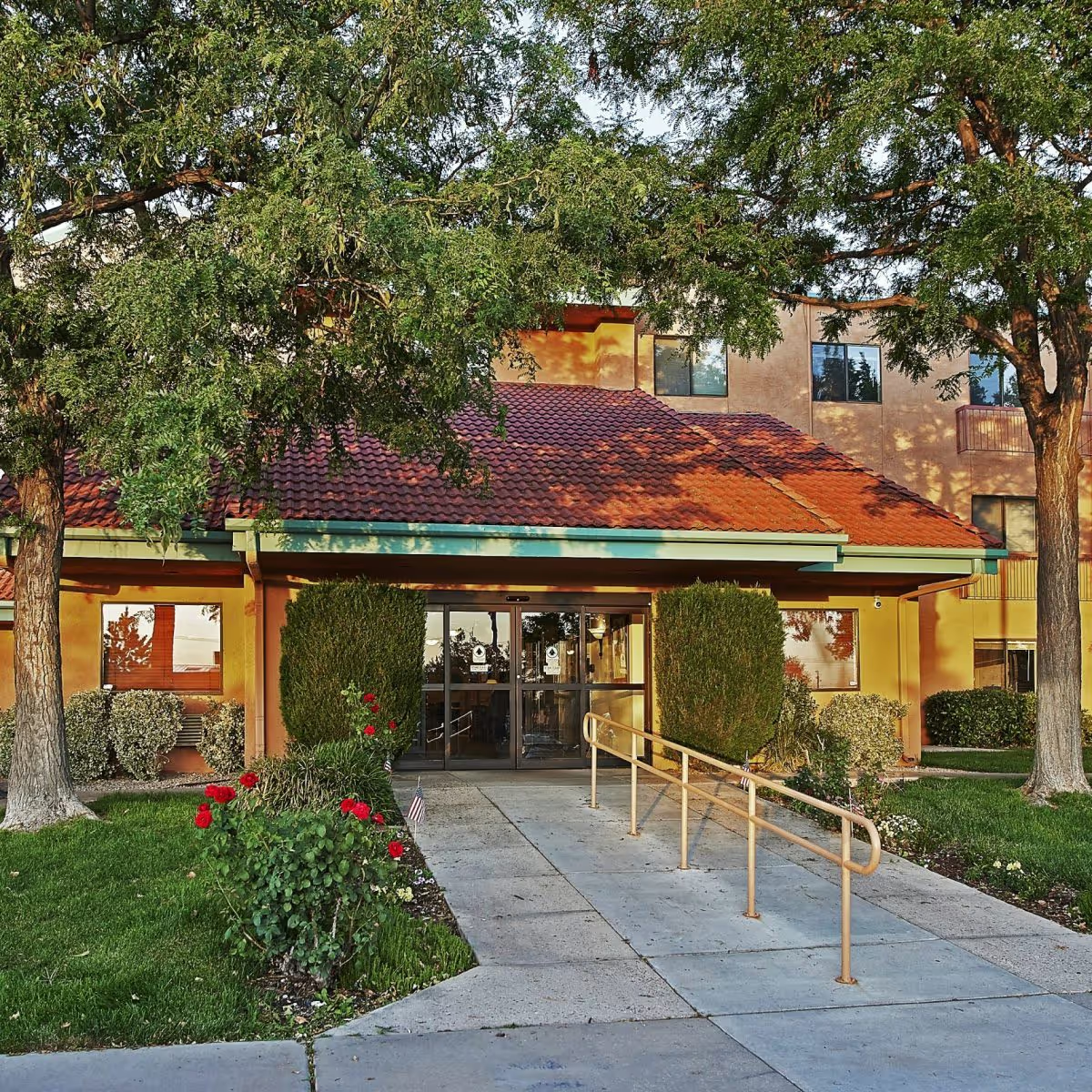
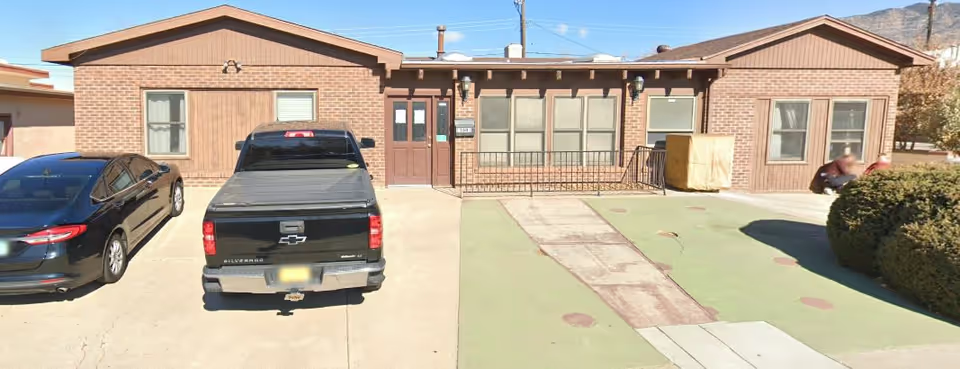
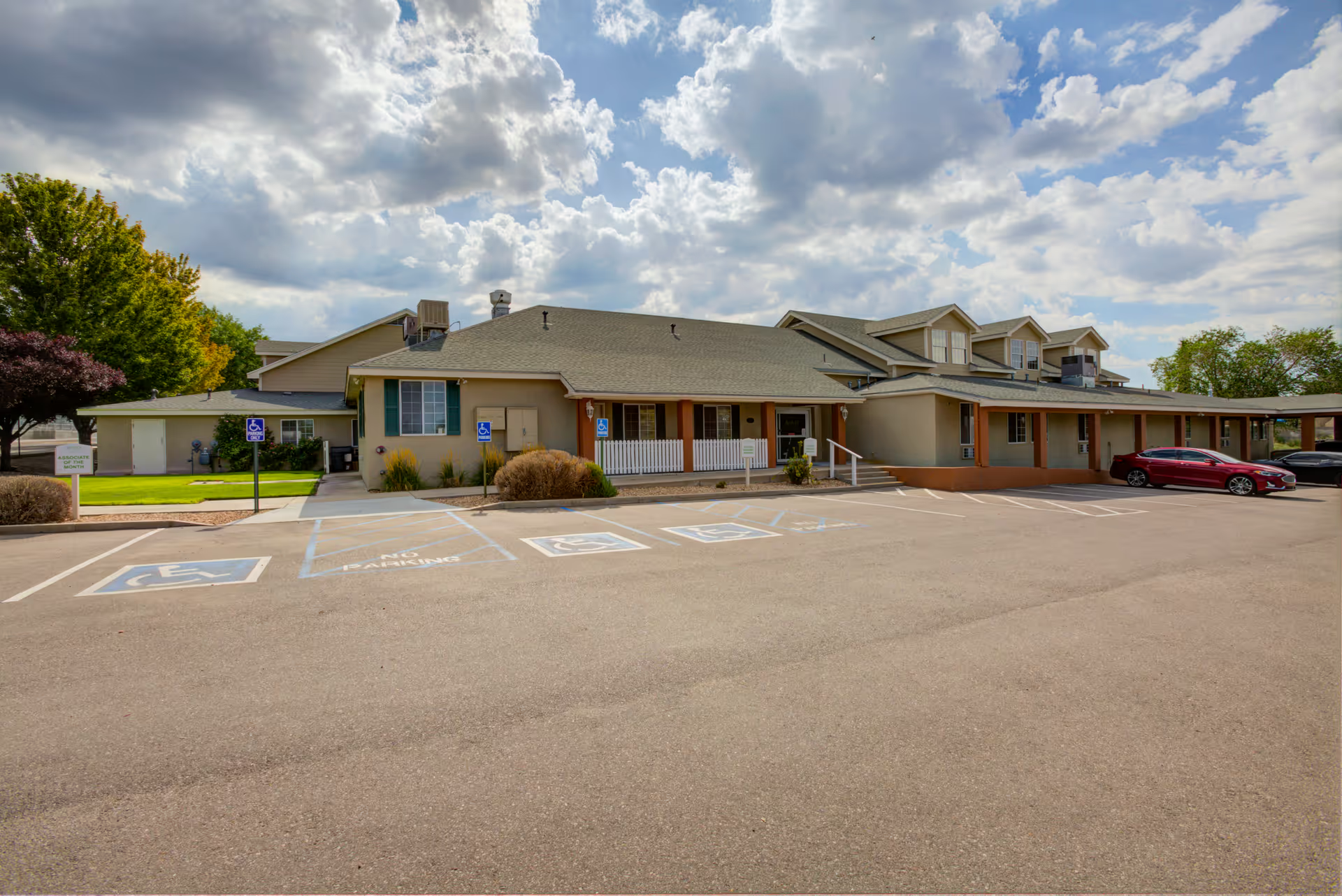
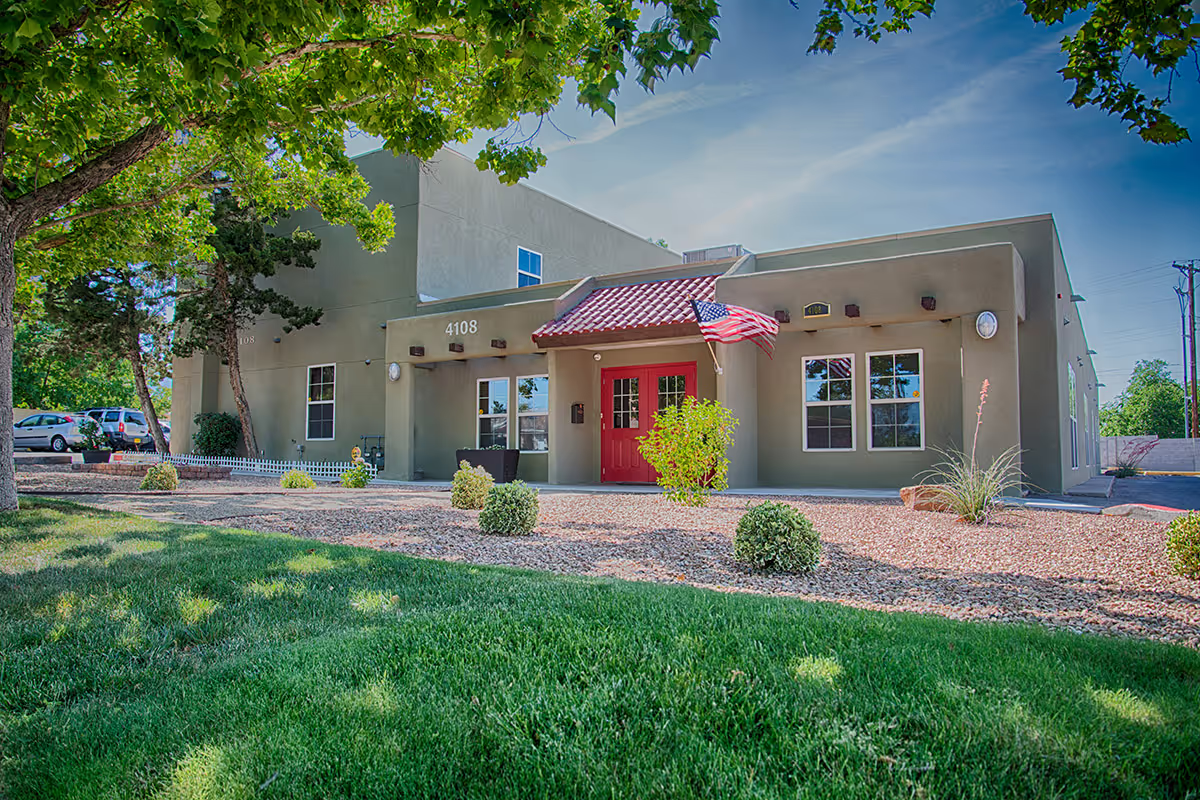
Hilldale Residential Care Home presents as a small, modern, single-floor residential facility with a homelike, comfortable atmosphere. Review content emphasizes a bright, clean interior and modest pricing, along with rooms that offer pleasant backyard views. The setting is described as small-group and homey, which several families associate with individualized attention and improvements in residents' mood and daily wellbeing.
Clinical and personal care are described positively overall. Many comments highlight professional, courteous staff, a high degree of individualized care, and responsiveness when problems arise; reviewers noted quick problem resolution and access to physicians or medical support. That said, there is a notable pattern of variability in staff conduct. While numerous families describe warm, caring interactions and gratitude for the team, other feedback raises concerns about staff communication tone and occasional harsh interactions. This suggests inconsistency in interpersonal practice rather than a uniform experience across all shifts or caregivers.
Dining and programming are frequently cited as strengths: reviewers describe home-cooked meals, some calling the food very good, and the facility runs organized activities such as seated chair exercise, games, and entertainment. However, dining quality appears uneven—while some respondents praise the meals, others describe them as unappetizing—indicating a need for greater consistency in meal preparation and presentation.
The physical plant is modern and convenient for many residents because it is single-floor, but accessibility features are limited in at least one respect: the absence of ramps was called out, which could impede certain mobility needs or transfers. On-site cameras were mentioned and may provide monitoring or security benefits. The facility’s small scale supports a personalized approach, though that scale can also amplify the operational impact of individual staff performance or service lapses.
Management patterns implied by the reviews include generally effective problem-resolution and a visible staff team that is appreciated by many families. The most salient quality-improvement opportunities are reducing variability in staff communication and conduct through targeted training and supervision, standardizing meal service to ensure consistent food quality, and addressing basic accessibility features such as ramped access where needed. Prospective families should weigh the facility’s strong individualized care and homey environment against the noted variability in staff interactions and meal experience when making placement decisions.