The review set presents a highly polarized picture of Las Estancias: many families and patients praise the facility’s physical environment, therapy outcomes, and the compassion of individual caregivers, while other accounts describe substantive operational gaps that affected clinical safety, hygiene, and family communication.
Care quality shows a split pattern. Positive narratives emphasize strong OT/PT services, notable rehabilitation progress, effective wound management, and hospice support that families found reassuring. Conversely, there are repeated concerns about medication administration, missed or delayed clinical assessments, and instances where fall‑prevention and transfer‑safety procedures appear inconsistent. There are also reports indicating lapses in personal hygiene and incontinence‑care protocols and instances of infection concerns; these items suggest variability in day‑to‑day caregiving rather than uniform practices across the facility.
Staffing and staff conduct are a major theme. Numerous reviews single out nurses, CNAs, therapists, and front‑desk staff who provided attentive, personalized care and who contributed to a family‑like atmosphere. At the same time, reviewers describe uneven staffing coverage (notably nights and weekends), variable professionalism, and occasional unresponsiveness to call lights. These accounts point to workforce variability and potential turnover that affect consistency of care. Interdisciplinary communication — handoffs between CNAs, nurses, therapists, and physicians — is described as inconsistent, which compounds other clinical and documentation concerns.
Dining, activities, and amenities are frequently highlighted as strengths. Many reviewers praised homestyle meals, a robust activities calendar (bingo, movies, dances, car shows), and on‑site features such as a salon, theater, and café. However, meal consistency and diabetic meal accommodations were flagged as problematic in some cases, and families should confirm dietary protocols if nutrition management is a priority.
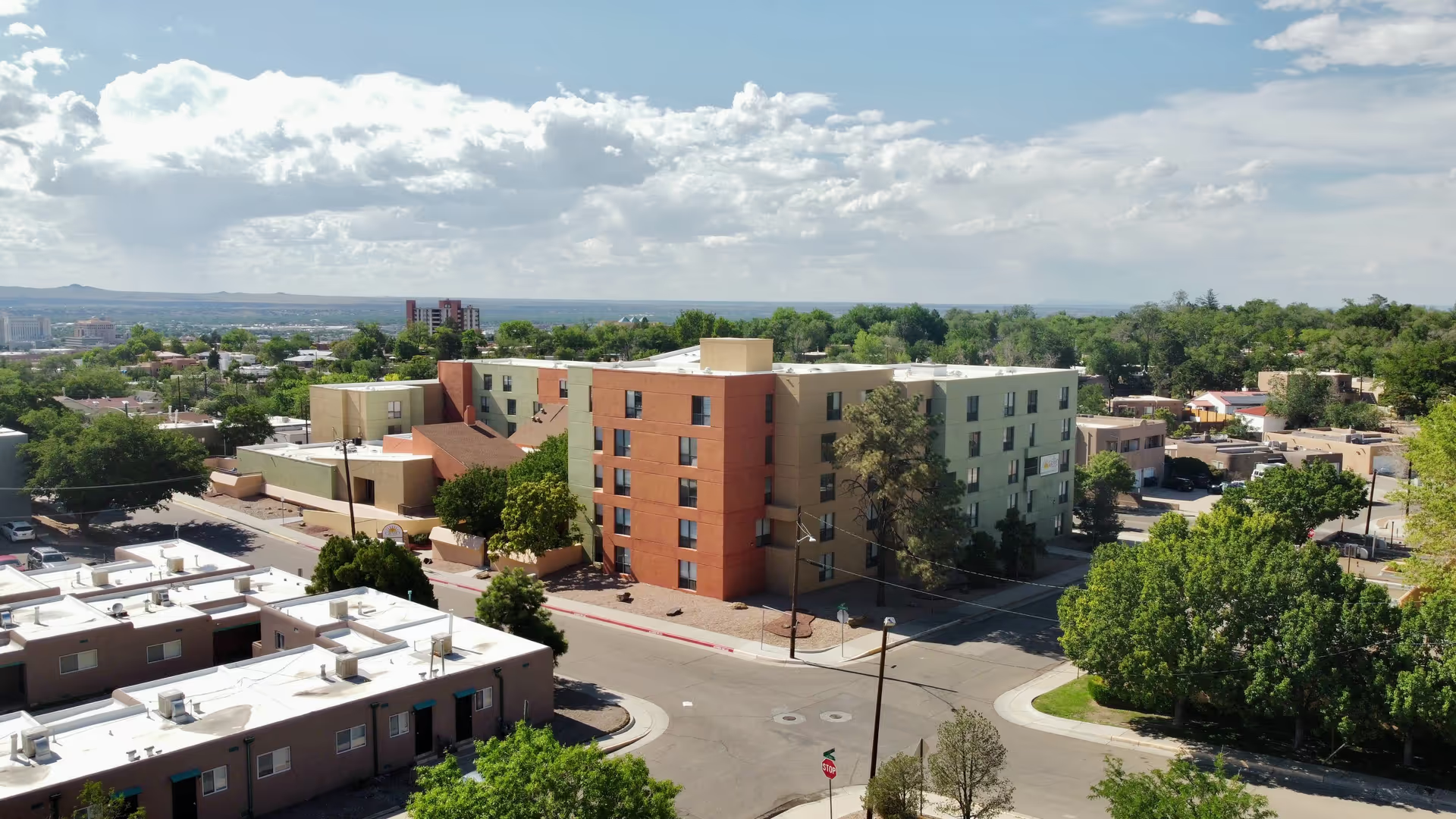
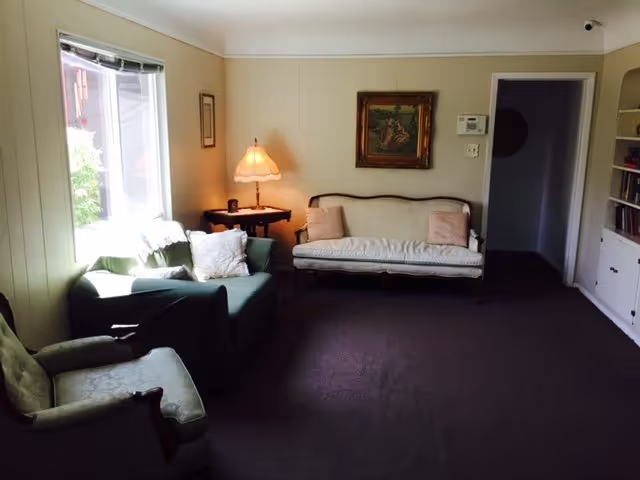
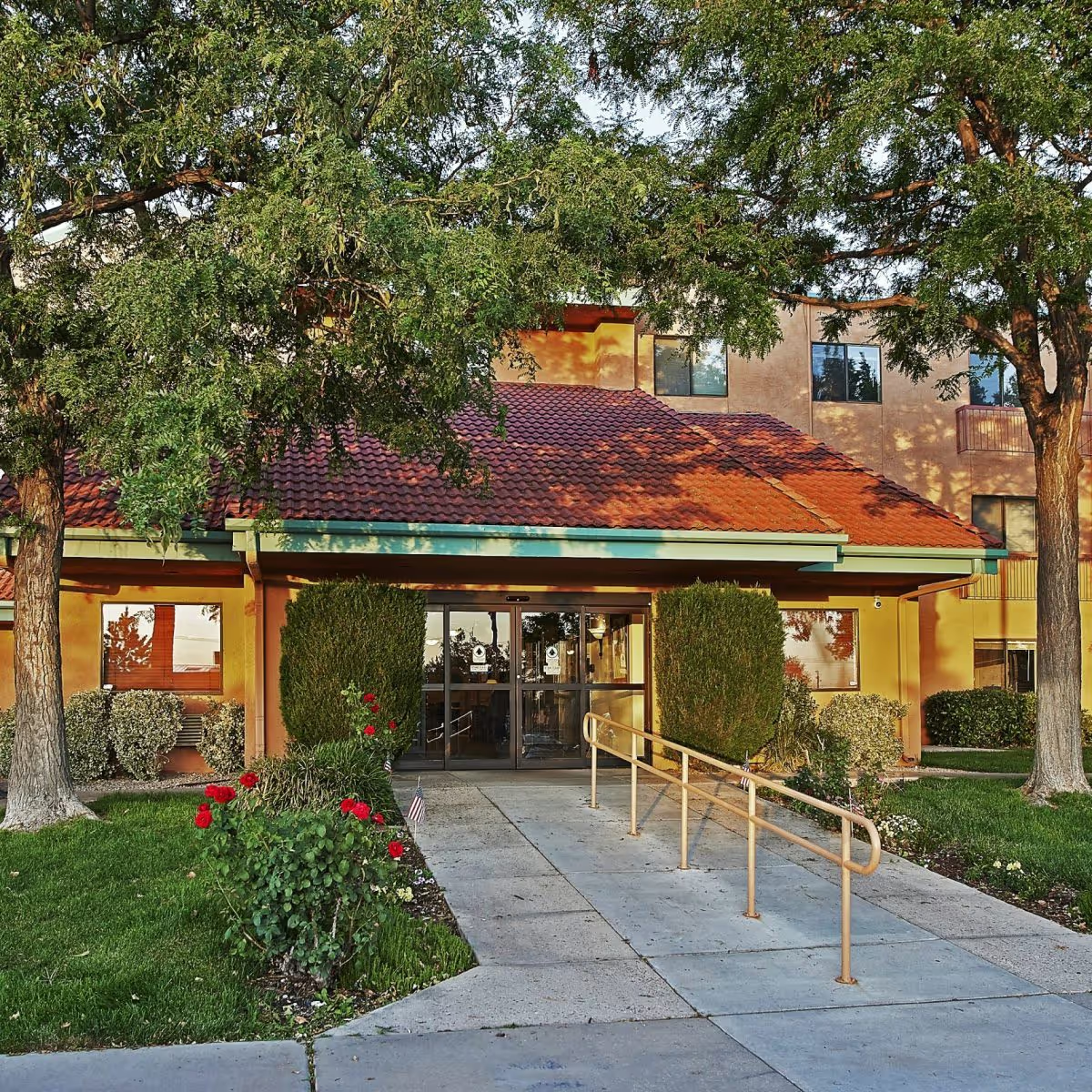
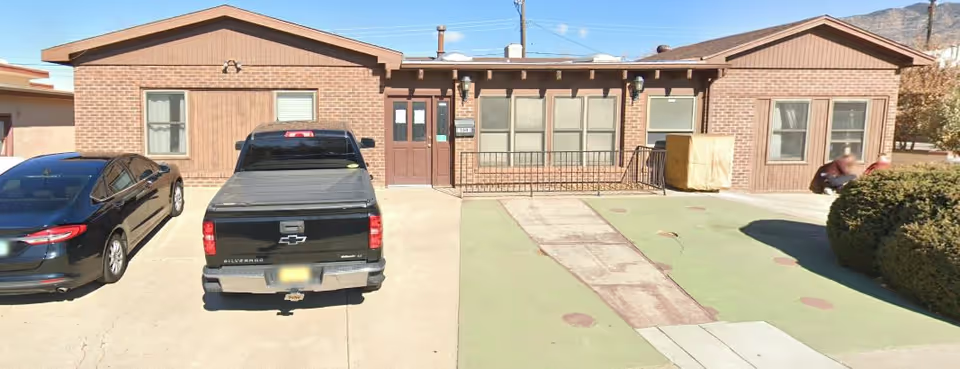
The facility environment and operations show both strong and weak elements. The building and rooms are described as clean, modern, and well maintained, with private rooms and roomy bathrooms being appreciated. Housekeeping and common‑area cleanliness receive positive notes, but some reviews raise sanitation concerns in resident‑care routines and inconsistent laundry/property handling. Security and after‑hours access control gaps are cited in several accounts and should be investigated by prospective families.
Management and communication patterns are mixed. Several reviewers report responsive leadership, helpful admissions staff, and administrators who follow through; others describe unanswered complaints, slow or absent callbacks, and inadequate follow‑up from social work and clinical leadership. There are also serious allegations related to privacy procedures and unauthorized searches; those items appear to be isolated but significant enough that prospective families should ask about privacy policies and grievance resolution processes.
Notable patterns for prospective families: the facility can deliver excellent rehabilitation and many residents have positive, even transformative experiences, but operational variability creates risk for inconsistent outcomes. When evaluating Las Estancias, consider asking for current staffing ratios by shift, protocols for medication administration and fall prevention, specific routines for hygiene and incontinence care, diabetic meal procedures, laundry/property policies, after‑hours security measures, and examples of family communication after clinical events. Inspect regulatory inspection history and speak with the unit manager and therapy director to understand how the facility addresses the inconsistencies noted in these reviews.