Overall impression: Reviews reflect a facility with clear strengths in clinical rehabilitation, daily nursing attention, and interpersonal warmth from many direct-care staff. Families and residents frequently describe compassionate caregivers, effective physical and occupational therapy, successful wound and rehab outcomes, and proactive communication from leadership. Administrative responsiveness and courteous front-desk interactions are also recurring positives.
Care quality and clinical oversight: Many accounts describe attentive nursing, helpful CNAs, and coordinated care among nurses, therapists, and physicians, which supports successful short-term rehabilitation and hospice transitions. At the same time, there are notable concerns about clinical process reliability in some cases—specifically gaps in medication-management controls and how clinical incidents are handled and communicated. These are operational issues that can affect safety perceptions and merit attention to care protocols and escalation pathways.
Staffing and communication: Teamwork and individual staff professionalism are frequent strengths, with leadership described as proactive in providing updates. Parallel to this, reviewers identify inconsistent communication tone and customer-service skills from certain employees, as well as periods when staff availability is limited (voicemail delays, lunch breaks during coverage, or slow call responses). These patterns point to variability in training and scheduling that affects family experience and resident support.
Dining, activities, and resident engagement: Dining receives mixed but generally positive feedback for taste and variety; however, reviewers express concerns about nutritional balance (salt/sugar levels) and water quality. Activity programming and resident engagement appear strong in some units—therapy-focused and social activities are praised—but other comments indicate limited hands-on assistance and insufficient activity options, leaving some residents under-engaged or frequently seated in wheelchairs.
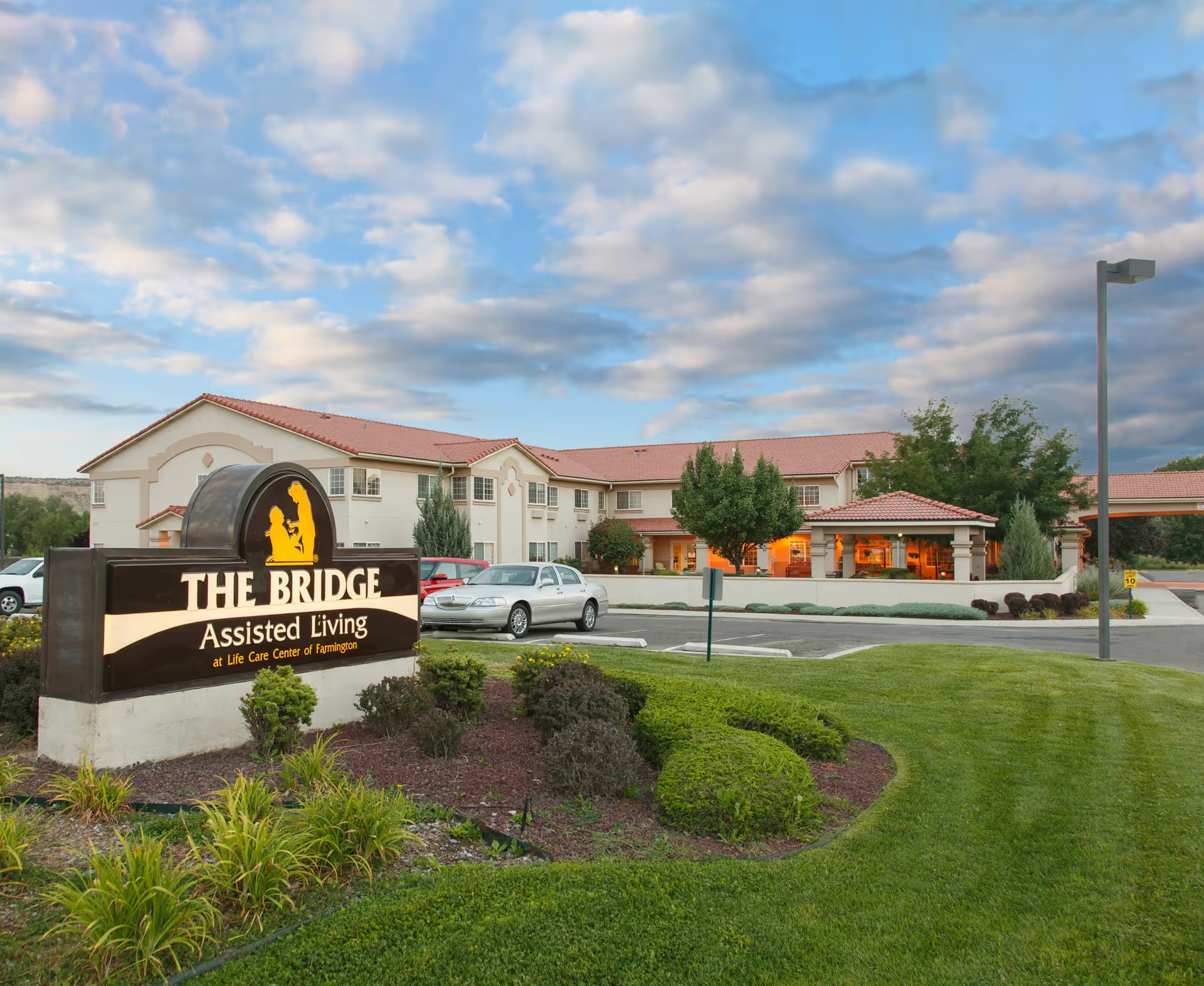
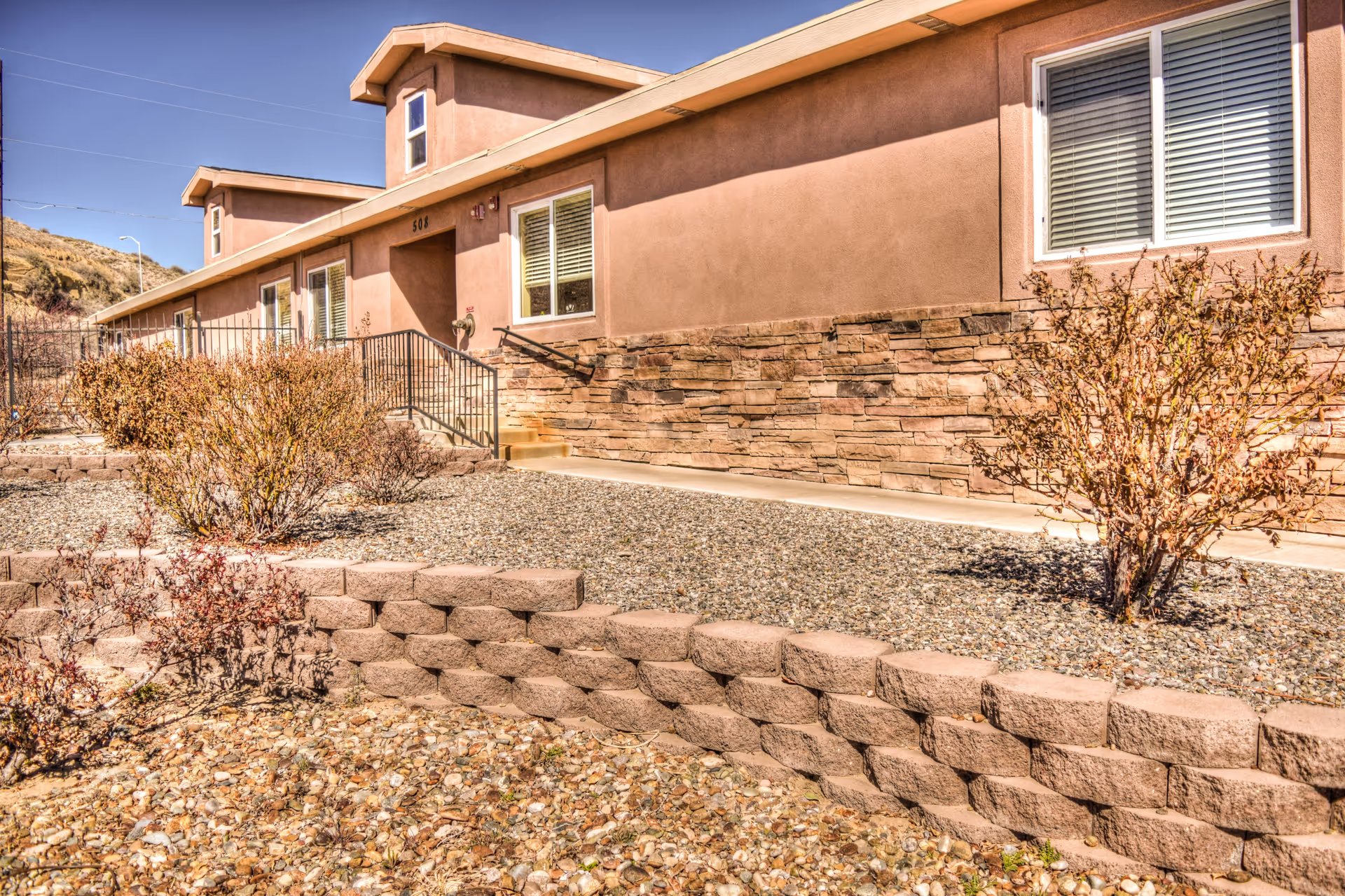
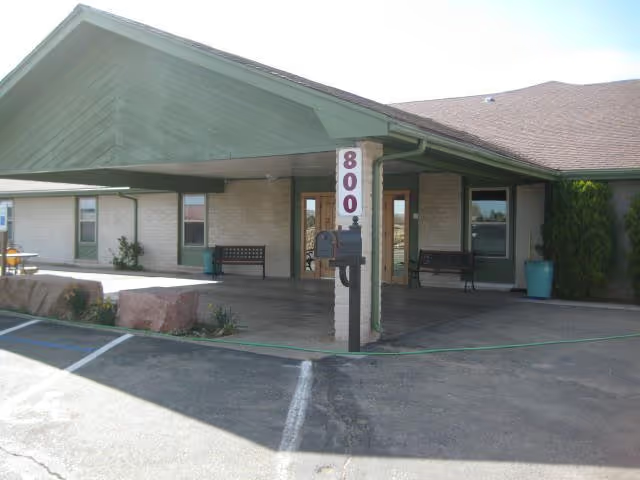
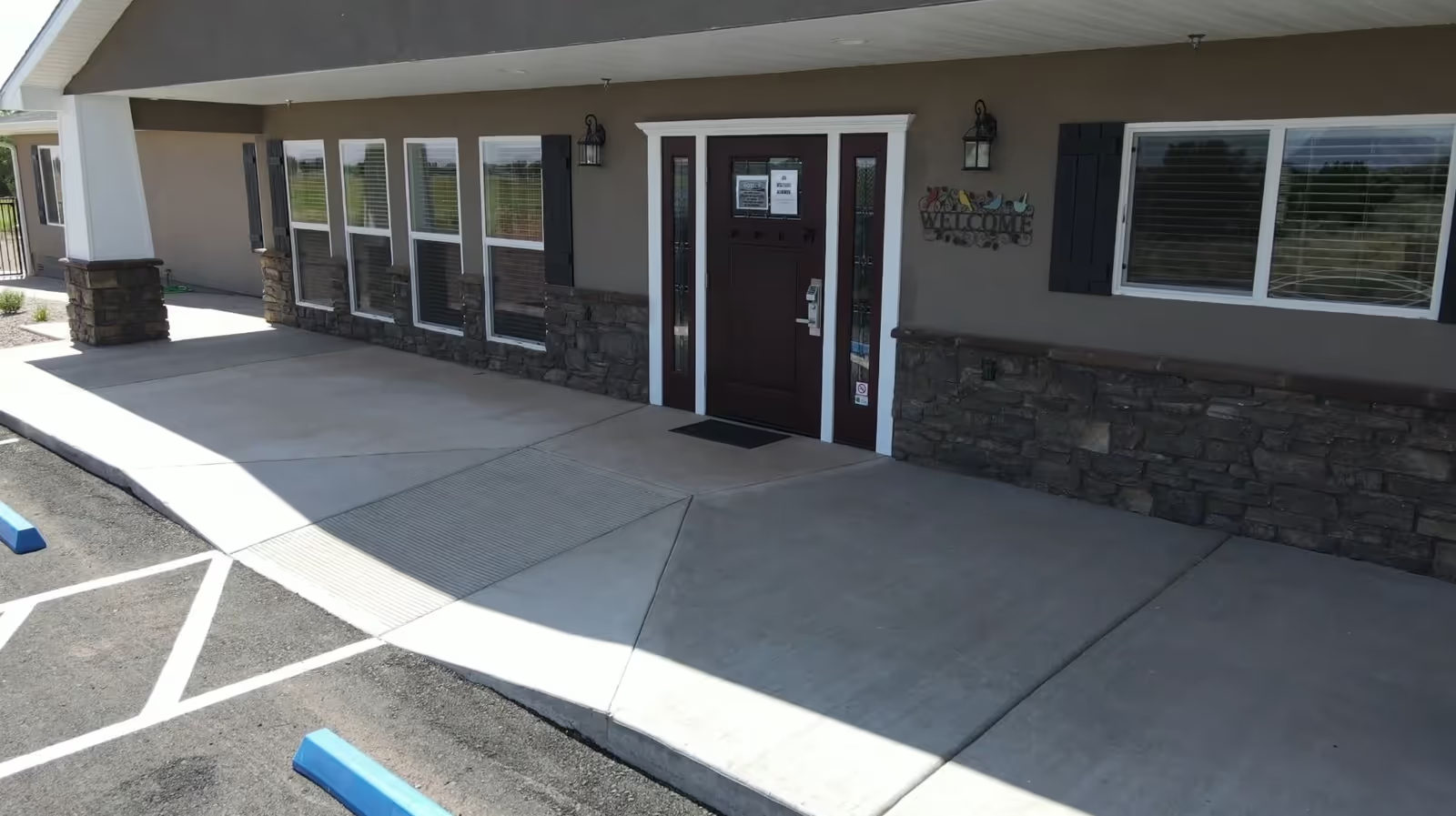
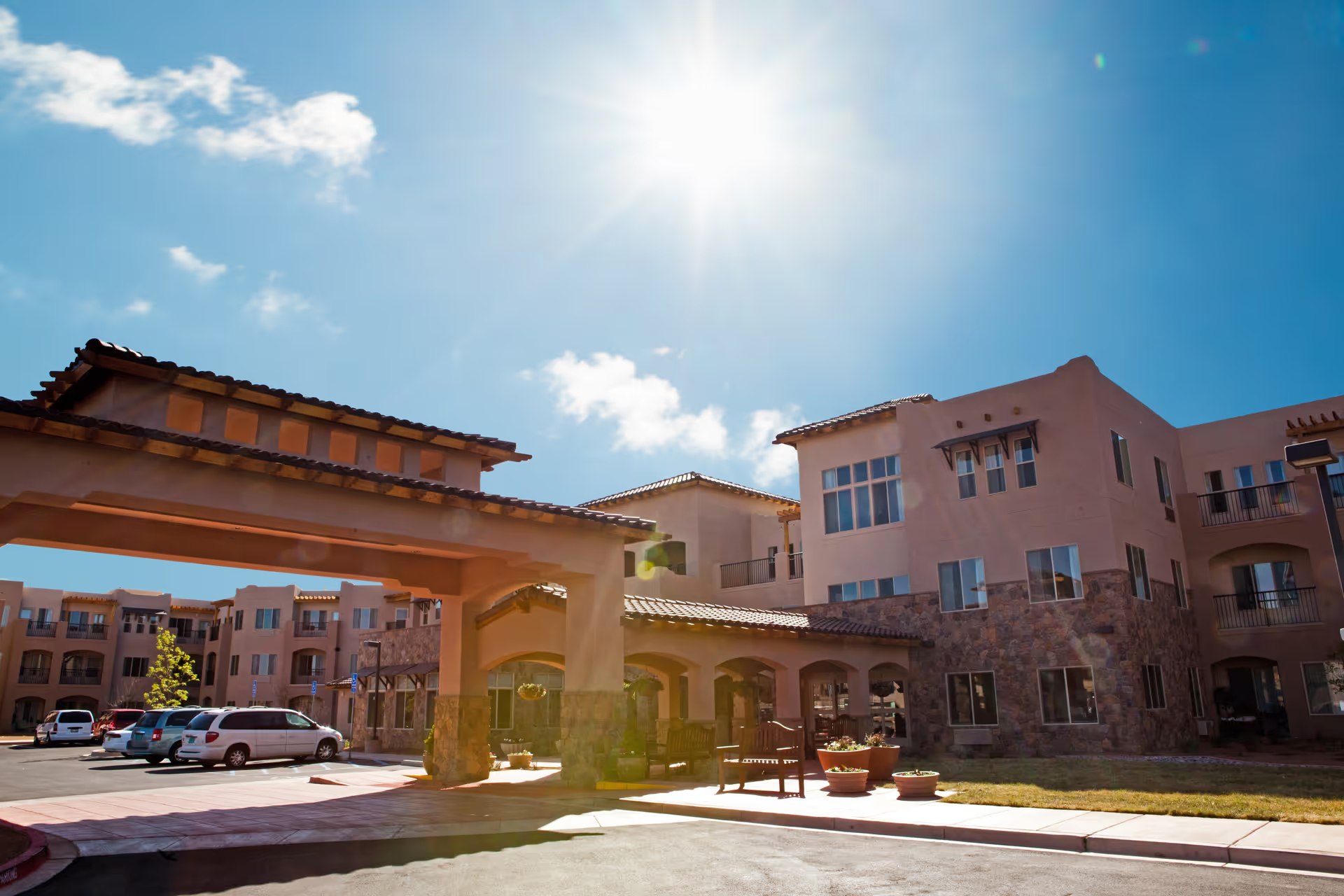
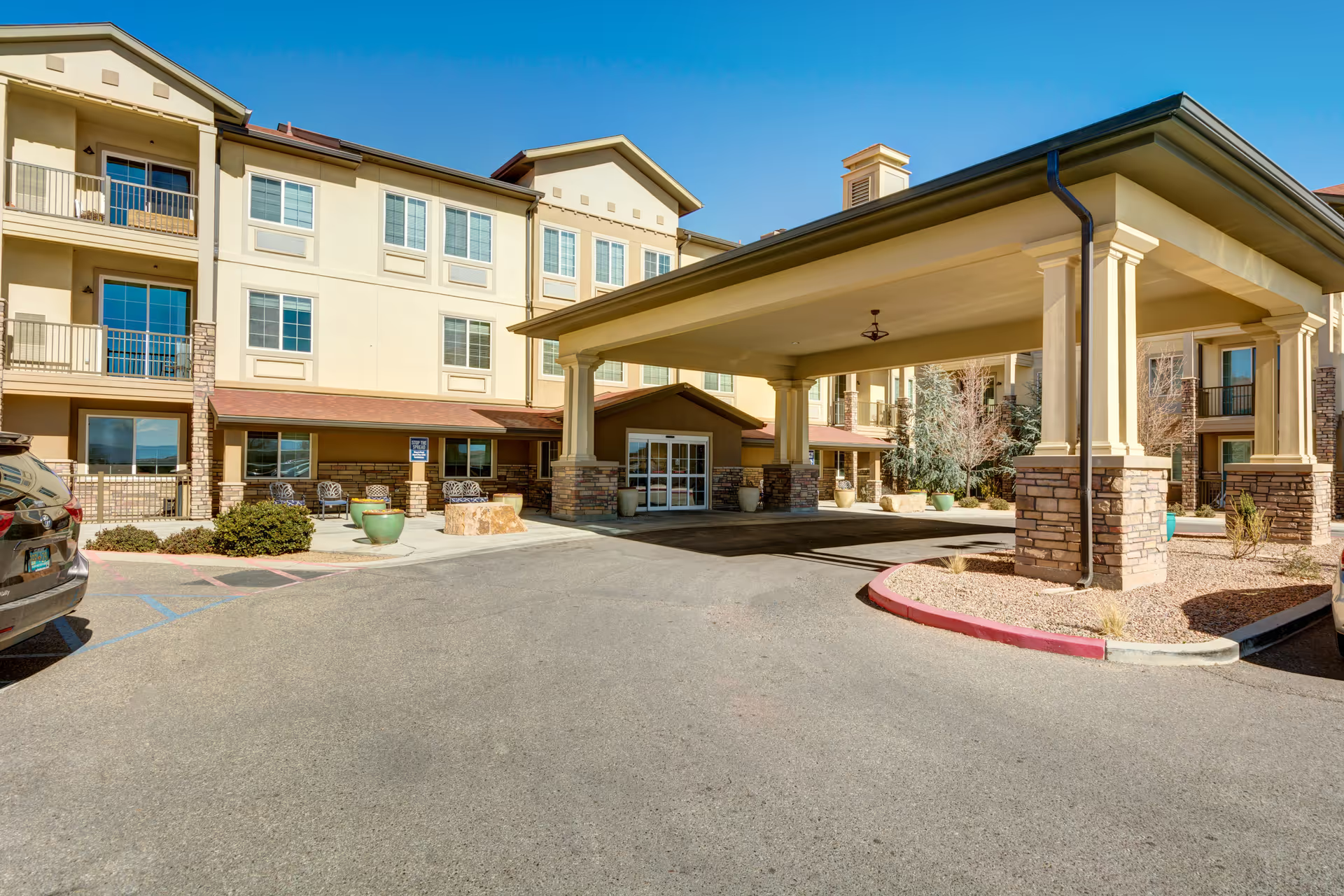
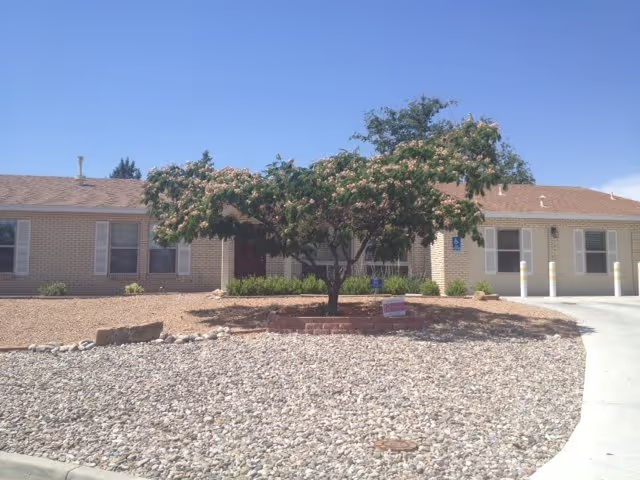
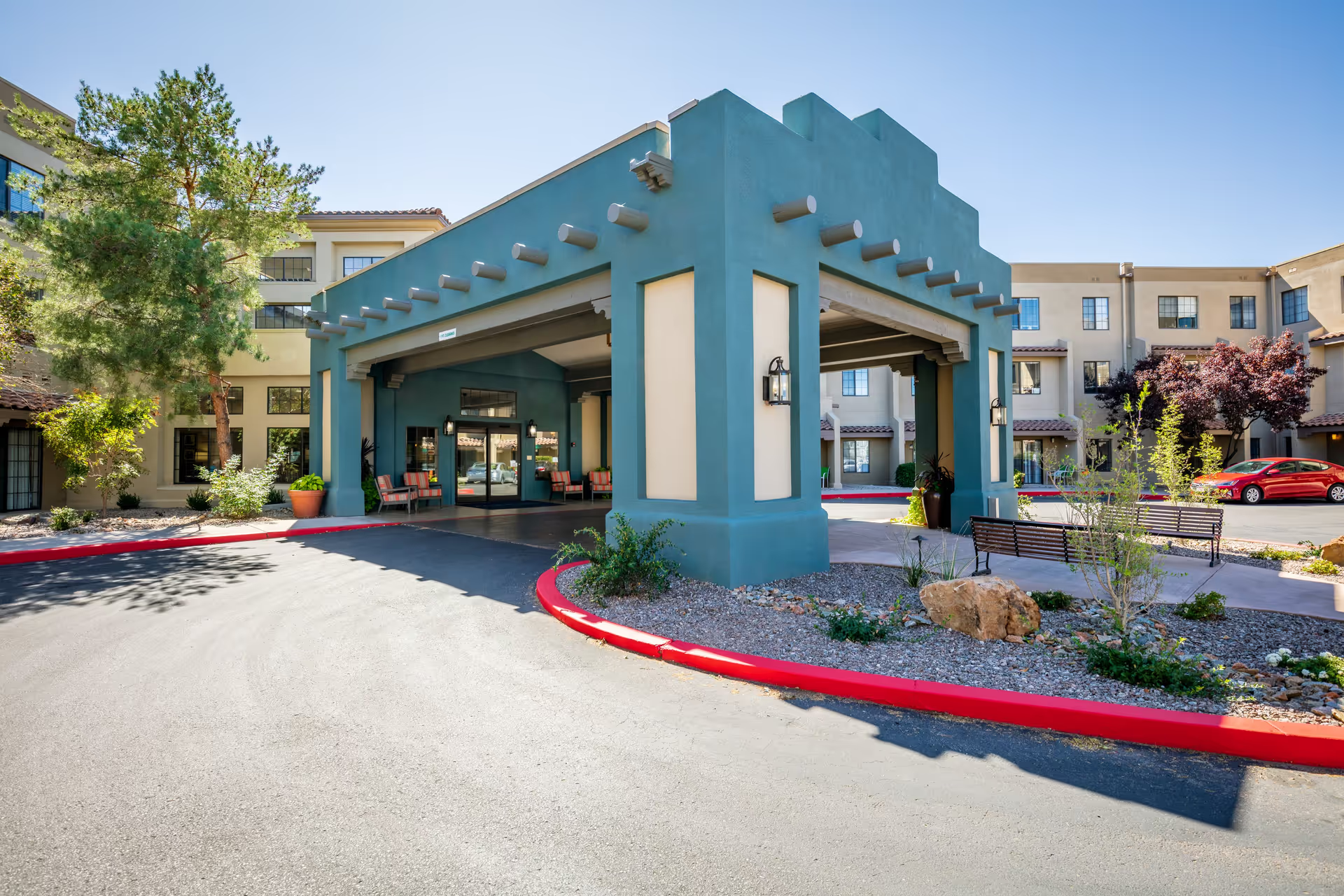
Facilities and amenities: The facility is often described as clean and well-maintained, with reasonable in-room TV pricing and welcoming décor in many areas. Contrasting observations include localized sanitation and odor-control concerns related to incontinence care, requests for improved visiting-area comfort, cosmetic maintenance needs like repainting rooms, and practical issues such as narrow parking spaces. These are facility-level upkeep and design items that influence day-to-day comfort.
Management and access: Leadership presence and prompt administrative responses are recurring positives. Admission access is a noted operational barrier for some families—insurance and bed-availability constraints were raised—indicating opportunities to streamline placement and pre-admission communication. Overall, the facility shows strengths in clinical rehabilitation and compassionate direct care, while patterns around staffing levels, medication-management processes, customer-service consistency, and certain environmental maintenance items represent primary areas for improvement.
For prospective residents and families: Expect a rehabilitation-oriented facility with many engaged, caring staff and generally positive clinical outcomes. Ask specific questions about medication-safety protocols, staffing ratios on the resident’s unit, activity schedules, incontinence-care procedures, and visiting-area accommodations. If parking, cosmetic room condition, or nutrition/water quality are priorities, raise those items during your tour so management can address them directly.