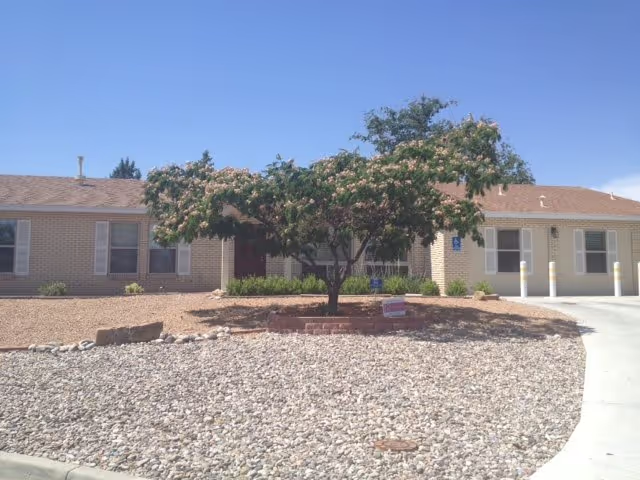
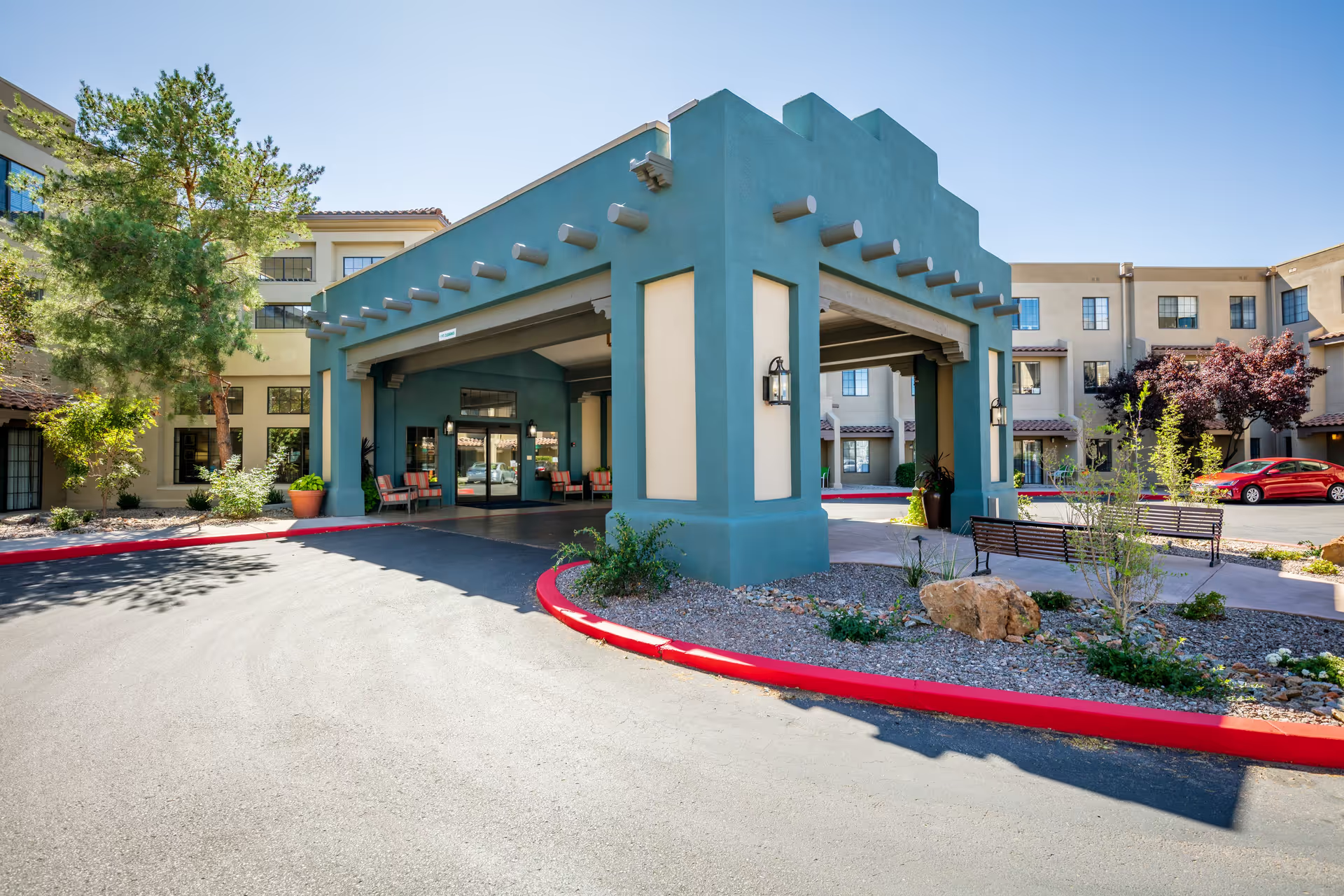
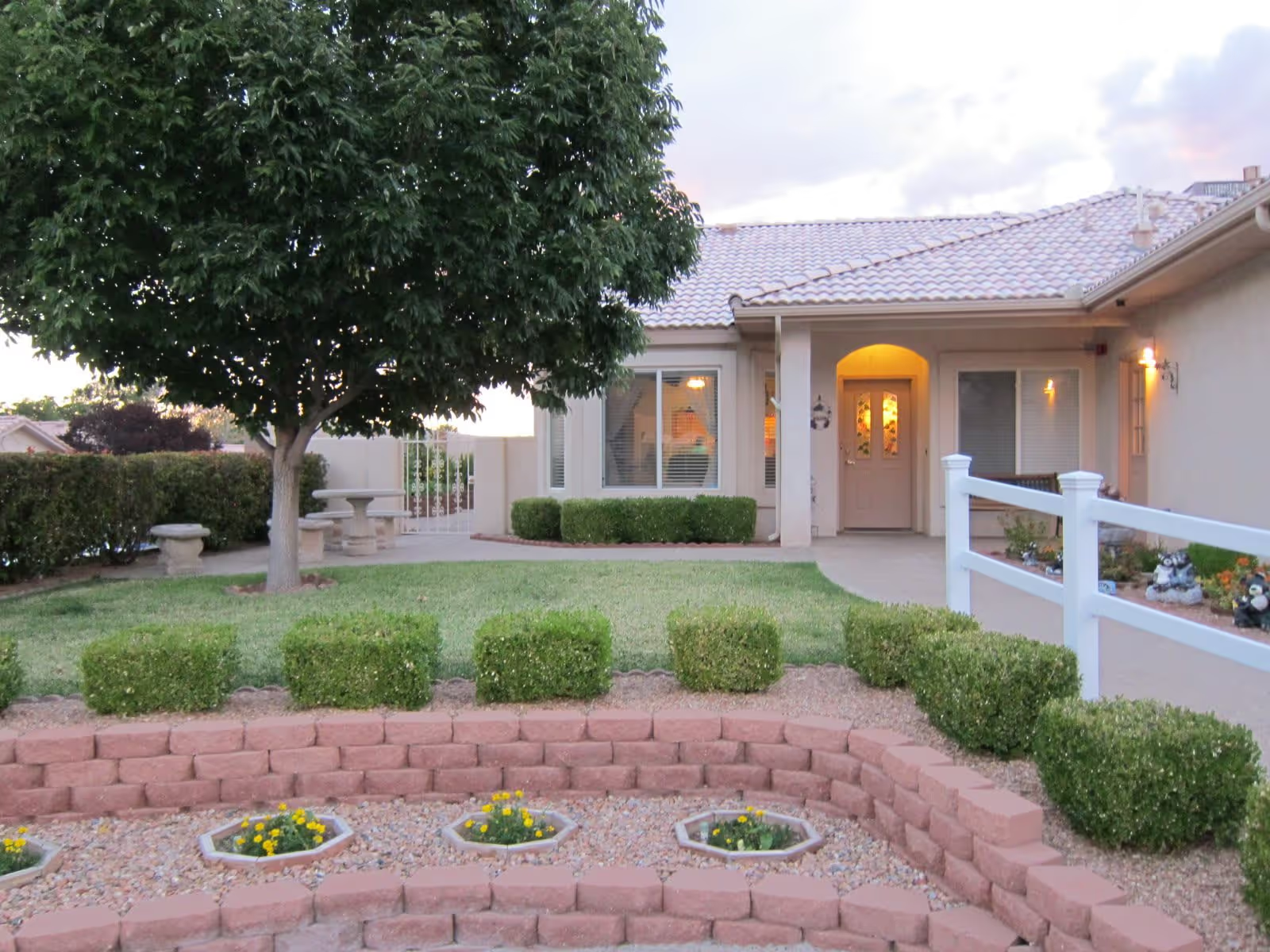
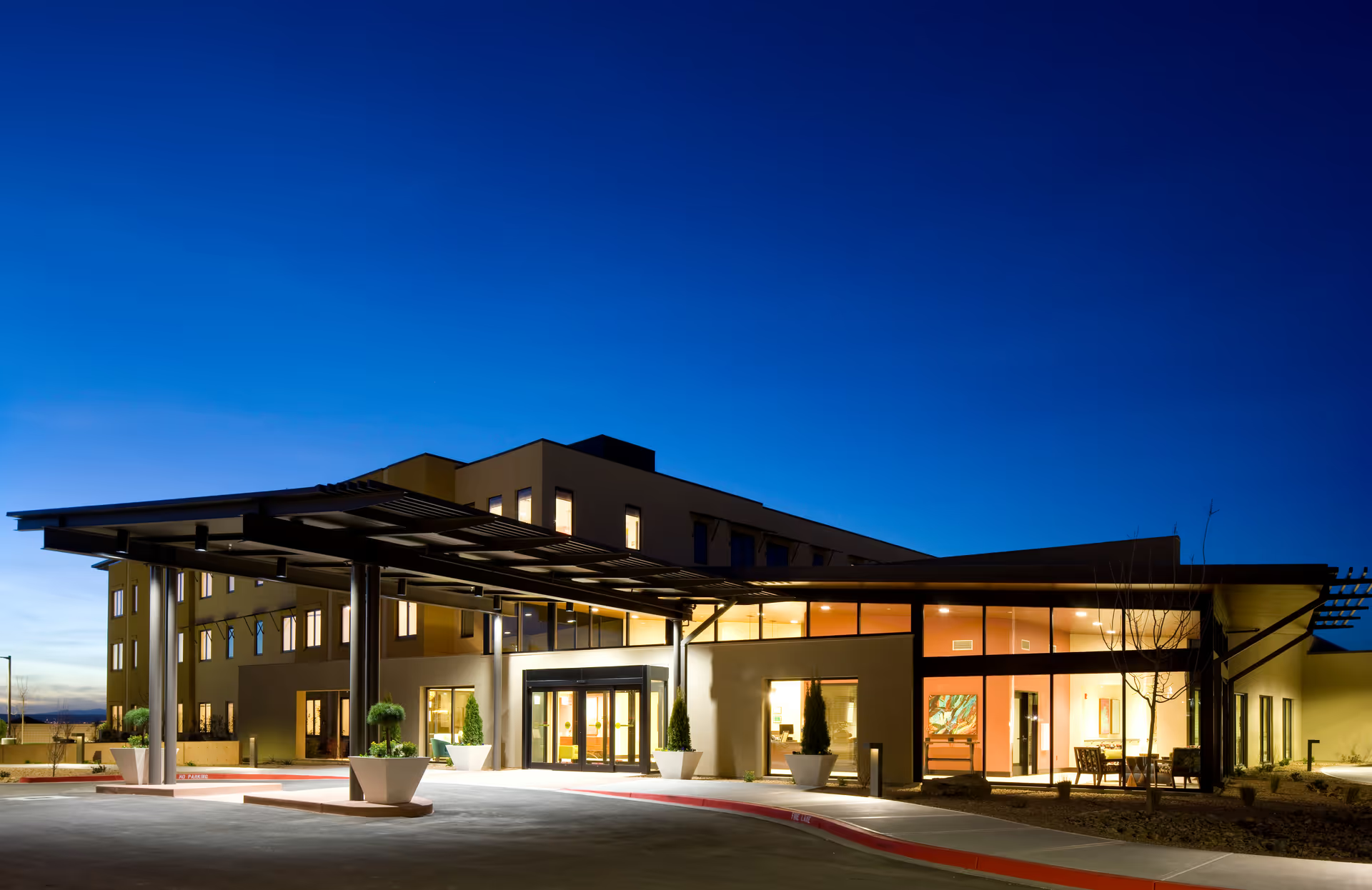
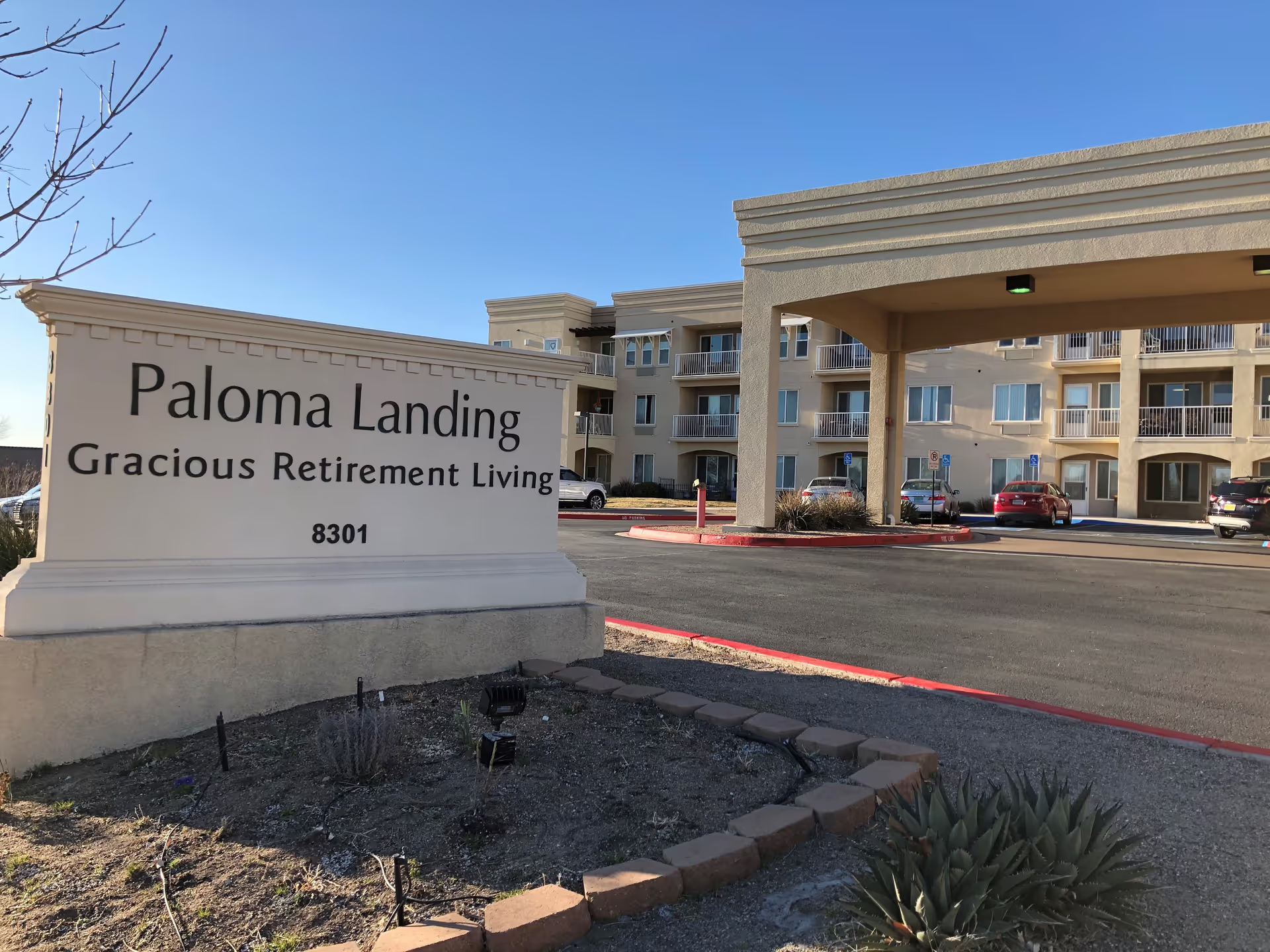
Overall impression: Palmilla Senior Living is frequently described as a well-appointed, modern community with many on-site services and a strong emphasis on hospitality. Reviewers commonly praise the physical plant — bright common areas, scenic views, accessible bathrooms, and a range of amenities (theater, gym, salon, library, and outdoor walking spaces). The community offers multiple levels of care (independent, assisted, memory care, and nursing), on-site therapy services, and visiting medical providers, which many families viewed as strengths when considering aging-in-place needs.
Care and staff: A dominant theme is the quality of frontline caregivers. Numerous comments highlight compassionate, attentive staff who develop personal relationships with residents and families. Several families singled out individual staff and directors for rapid responsiveness, strong family communication, and hands-on problem solving. At the same time, reviewers describe variability in clinical reliability: concerns about medication administration, inconsistent checks, and gaps in coordination during staff absences or shift changes. These clinical-process inconsistencies have materially affected some resident outcomes, creating a mixed picture where strong individual caregivers coexist with episodic operational weaknesses.
Dining and nutrition: Dining is positioned as a core amenity — restaurant-style service with extended hours and meal choice is widely appreciated. Many reviewers enjoyed chef-prepared meals, portion sizes, and the café-like options. However, others noted variability over time (changes after staffing or chef turnover), instances of cold or overly seasoned dishes, a repetitive menu, and uneven service in certain units. Prospective residents should assess current kitchen staffing and request recent sample menus during a tour.
Activities and memory-care programming: The activity program is extensive and varied, with multiple daily schedules, exercise classes, movie nights, and outings. The memory-care unit design (private rooms, front porches, staff hub) received positive comments for layout and resident dignity. Execution of programming in memory care appears uneven: some reviews describe light engagement or paused programming when activity staff changed, while others report vibrant, well-run memory-care activities. This indicates that programming quality may depend on current staffing and leadership in wellness/activities roles.
Facilities and operations: The facility’s cleanliness, new construction, and accessible design are repeated positives. Amenities such as in-unit laundry, transportation, and on-site therapies add practical value. Operational concerns include parking constraints and occasional housekeeping or sanitation issues noted by families. Some reviewers mentioned pest-control concerns and inconsistent maintenance follow-through; these items suggest the need for careful inspection during visits and follow-up on maintenance protocols.
Management, contracts, and billing: Management impressions are mixed. Reviewers praised individual leaders (executive directors, directors of nursing, wellness directors) for responsiveness and family outreach, but also described corporate-oriented decision-making, sales pressure at move-in, and perceived focus on occupancy. Several families raised concerns about billing transparency, a la carte charges, mid-term price increases, move-out assessments (carpet or wear charges), and difficulty reaching corporate-level contacts. These patterns point to the importance of reviewing lease language, fee schedules, and dispute procedures prior to committing.
Notable patterns and advice for families: The most consistent pattern is a contrast between strong, compassionate frontline care and recurring operational gaps at the systems level (medication processes, staffing continuity, dining consistency, billing transparency). For prospective residents and families this translates into generally strong day-to-day resident experience when staffing is stable and leadership on site is proactive, but potential variability when there is turnover or when corporate-level responsiveness is required. During decision-making, ask specific questions about staff tenure and turnover rates, medication-administration protocols, recent chef/activity-staff continuity, move-out charge policies, and documented guarantees for promised services. Scheduling multiple visits, meeting current families, and requesting written clarifications on fees and clinical processes can help assess whether the current operational environment matches your expectations.