Overall impression: Calibre Post Acute elicits a polarized set of experiences. Many families describe strong clinical and rehabilitative strengths that support successful short‑term recovery, while other families report operational and safety concerns that materially affect day‑to‑day resident experience. Prospective residents should weigh the facility’s clear therapy and wound‑care capabilities against documented variability in routine care, housekeeping, and administrative processes.
Care and clinical services: The facility receives consistent praise for its therapy departments (PT/OT/speech) and for wound and post‑operative management; multiple accounts describe effective rehab regimens that led to safe returns home. At the same time, there are concerning accounts of medication and respiratory‑medication lapses, a serious medication error, and gaps in clinical documentation and incident response. These patterns indicate that while acute clinical expertise exists on site, system‑level controls (medication administration checks, rescue‑medication availability, and incident escalation/communication) may be inconsistent and deserve direct inquiry during intake.
Staff and conduct: Many reviewers highlight compassionate, attentive nurses, CNAs, and specific staff who provide exceptional support and communication. Admissions staff and social workers are frequently singled out as helpful during transitions. However, staffing quality appears variable by shift and by individual — with repeated mentions of poor responsiveness on certain shifts, concerns about communication tone, and uneven adherence to care routines. Night‑shift responsiveness and supervision appear to be particular areas of concern. Families should ask about staff turnover, staffing ratios by shift, and who will be the regular point(s) of contact.
Dining and daily care: Comments about meals are mixed: some describe notable culinary offerings and satisfying dining, while others report late or inadequate meal service and issues with sheet and urinal servicing. Bathing schedules, toileting/incontinence support, and routine housekeeping are also described inconsistently across accounts. Those needs are often decisive for long‑stay placements, so verify expected schedules and escalation processes for missed personal‑care tasks.
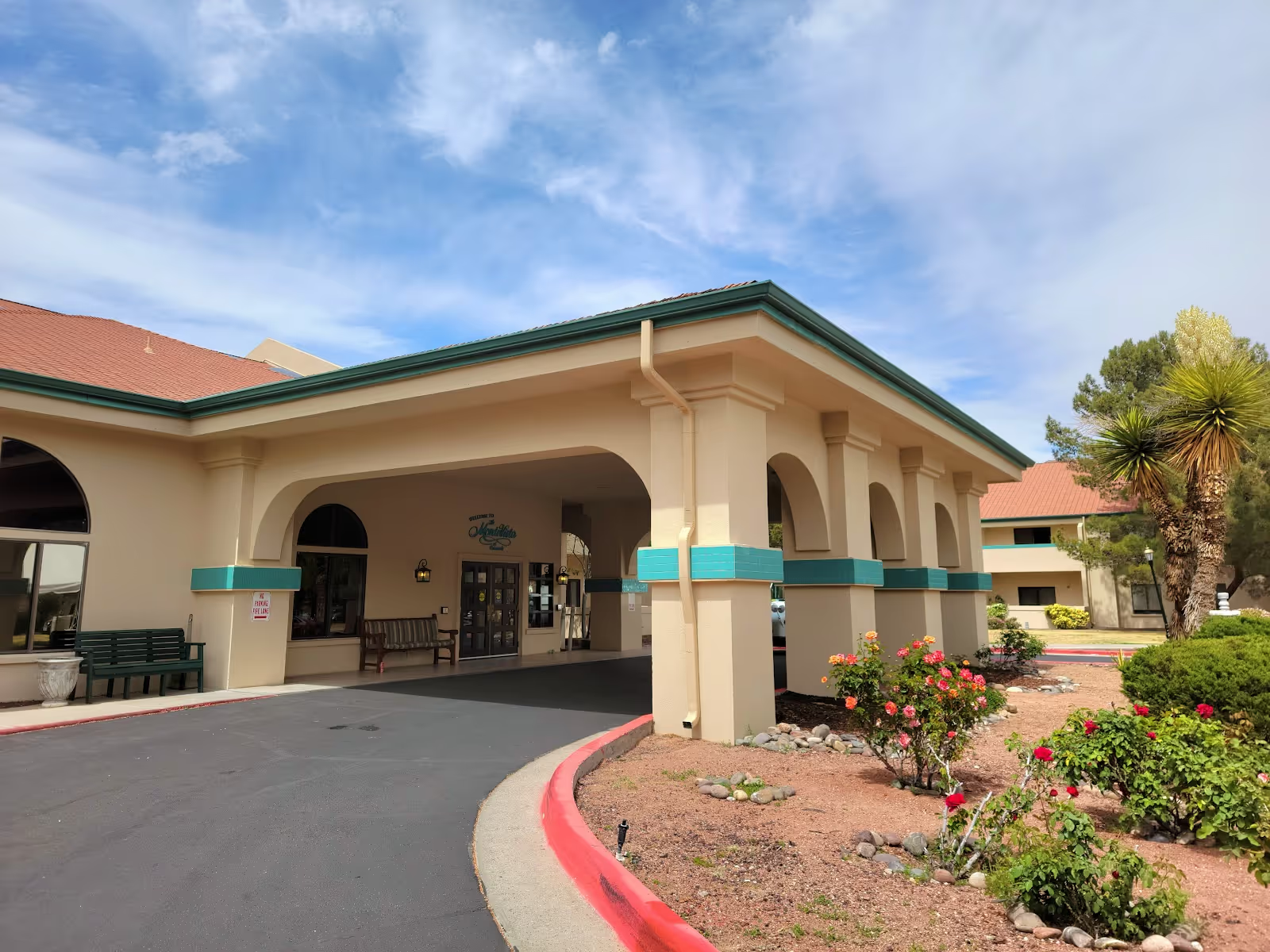
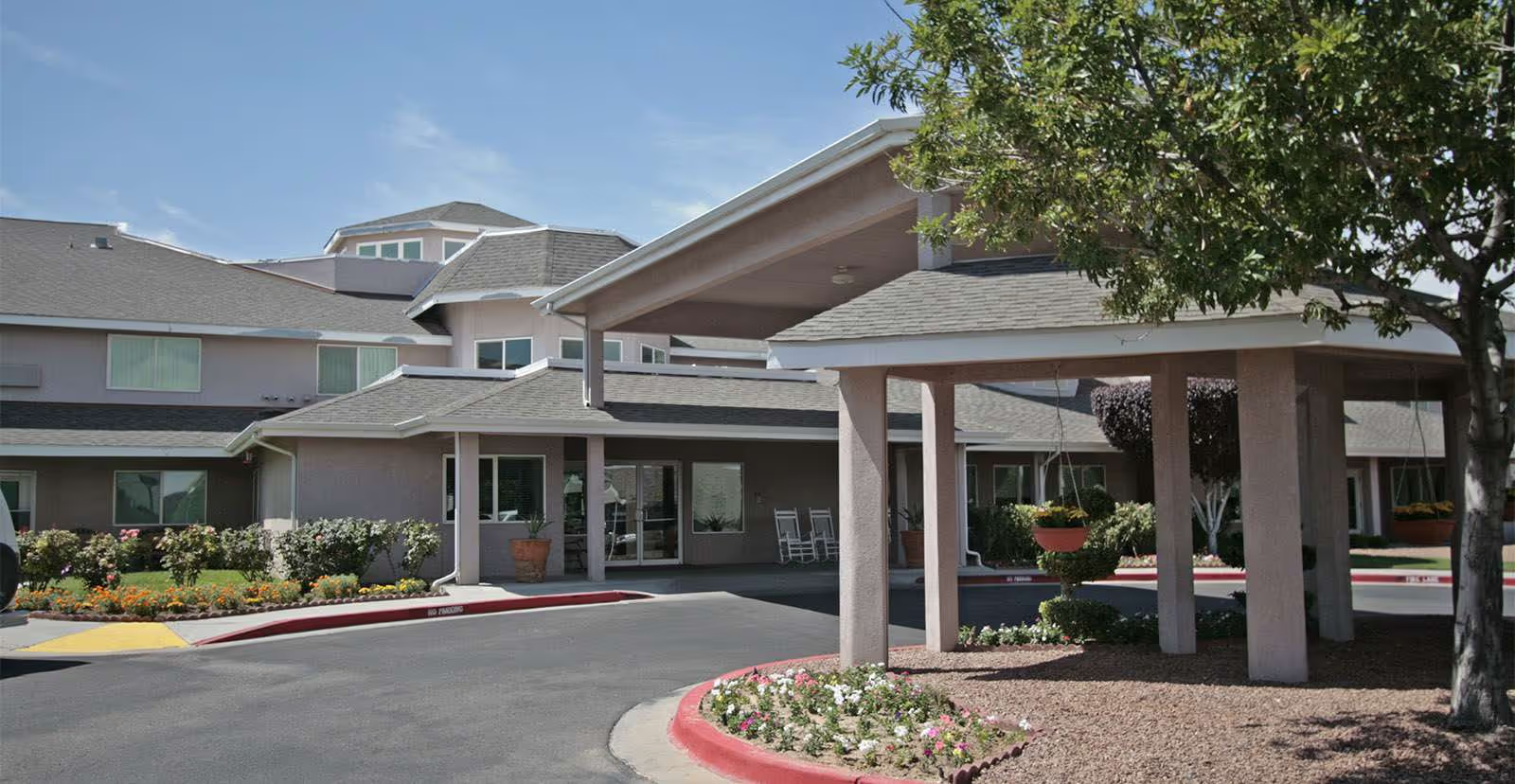
Facilities and amenities: The facility is often described as bright, with attractive common areas, natural light, and pleasant views; maintenance and responsiveness to repairs are also noted positively. Conversely, reviewers cite areas of deferred maintenance and amenity gaps (unstable beds, unavailable TVs or ice machines, occasional holes or worn finishes), and the presence of semi‑private rooms with multi‑resident bathrooms is a frequent operational limitation. Clarify room options and routine maintenance protocols with admissions staff.
Management and administrative practices: Reception, admissions coordinators, and certain social workers receive consistent praise for being helpful and knowledgeable. Nevertheless, reviewers also describe administrative disorganization, difficulty obtaining medical records, and a perception that billing or financial issues can be prioritized over family concerns. These are administrative traits that can impact family trust and discharge planning; prospective families should ask about medical‑record access, billing points of contact, and grievance procedures.
Notable patterns and recommendations: The overall pattern is one of strong clinical and rehabilitative capability paired with variable reliability in routine care, documentation, and facility upkeep. There are also serious individual allegations (including property mishandling) that warrant direct inquiry. For families considering Calibre Post Acute, recommended steps include: touring more than once (including a night‑shift observation if possible), asking for examples of medication‑safety protocols, confirming private‑room availability if needed, requesting names of primary caregivers and points of contact, and verifying how the facility documents and communicates incidents and clinical changes. These actions will help align expectations with the uneven experiences reflected in the reviews.