Overall impression: Casa Bella presents as a modern, well-equipped assisted living option with several operational strengths and some recurring operational weaknesses. Many families highlighted competent clinical care, a clean environment, and a meal program that emphasizes home-style, balanced offerings. At its best the facility reads as attentive and personal, particularly in smaller-unit configurations where residents are able to settle in quickly and staff engagement is consistent.
Care quality and clinical services: Reviewers describe effective clinical follow-through in several areas, including wound-care resolution and access to nurse practitioners and physical therapy. Families frequently noted that direct caregiving staff are patient and attentive; some reviewers emphasized that residents are not left unattended and receive timely assistance. However, there are also descriptions of inconsistent personal-care scheduling, especially around bathing and morning care on certain shifts, which indicates variability in how care tasks are staffed and prioritized across days.
Staff and management: Strengths include generally compassionate aides, a visible and praised director, and responsive communication when leadership is present. Multiple comments link positive daily operations to strong on-shift leadership. Conversely, there is a pattern of variability when the director or primary manager is not present: reviewers cite gaps in accountability, inconsistent communication, and coordination issues. Weekend staffing patterns and coverage appear to be particular pressure points, contributing to uneven experiences.
Dining and activities: The dining program is frequently described as a positive feature—nutritious, varied, and plentiful home-cooked meals served in a dining room setting. At the same time, the facility appears to have limited offerings for texture-modified or soft diets, which may be important for residents with swallowing or chewing needs. Activity programming includes cognitive and social options such as games, coloring, and mental-stimulation activities; some families appreciated these offerings. There are, however, mentions of gaps in organized physical exercise (for example, chair-based programs), suggesting opportunities to broaden the activity mix for mobility-focused programming.
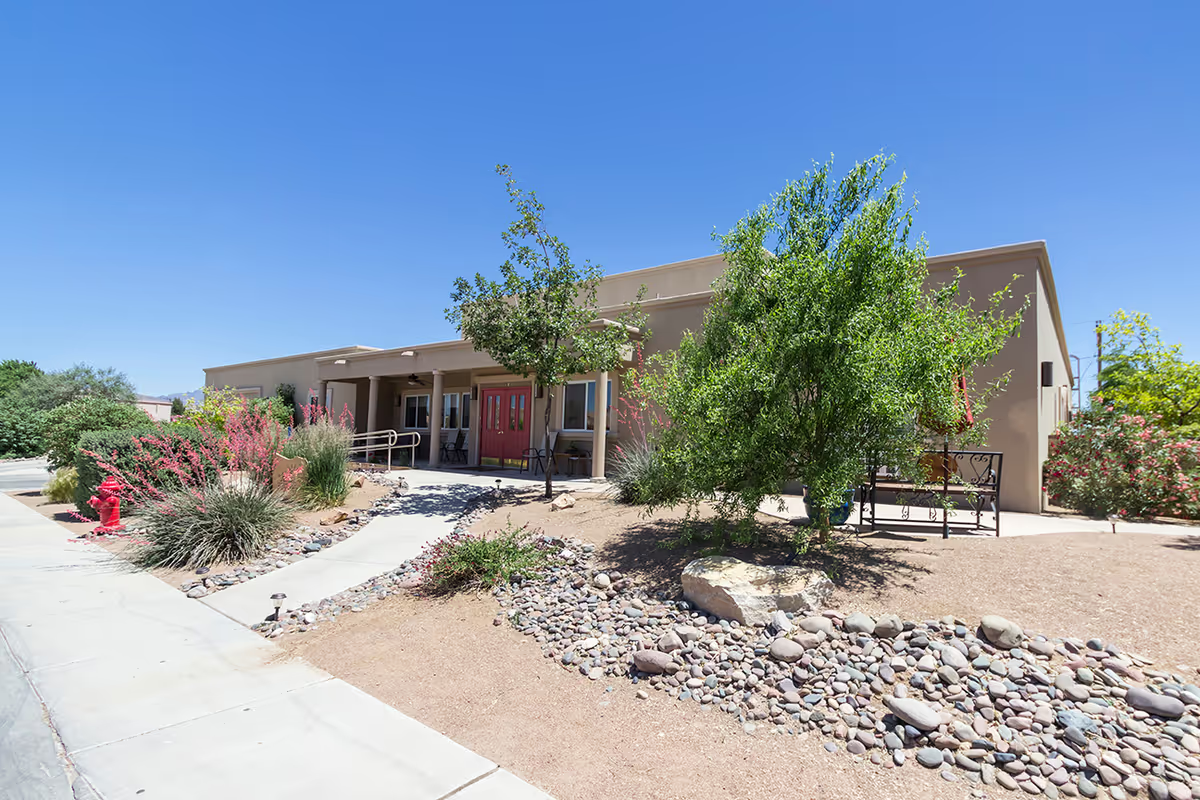
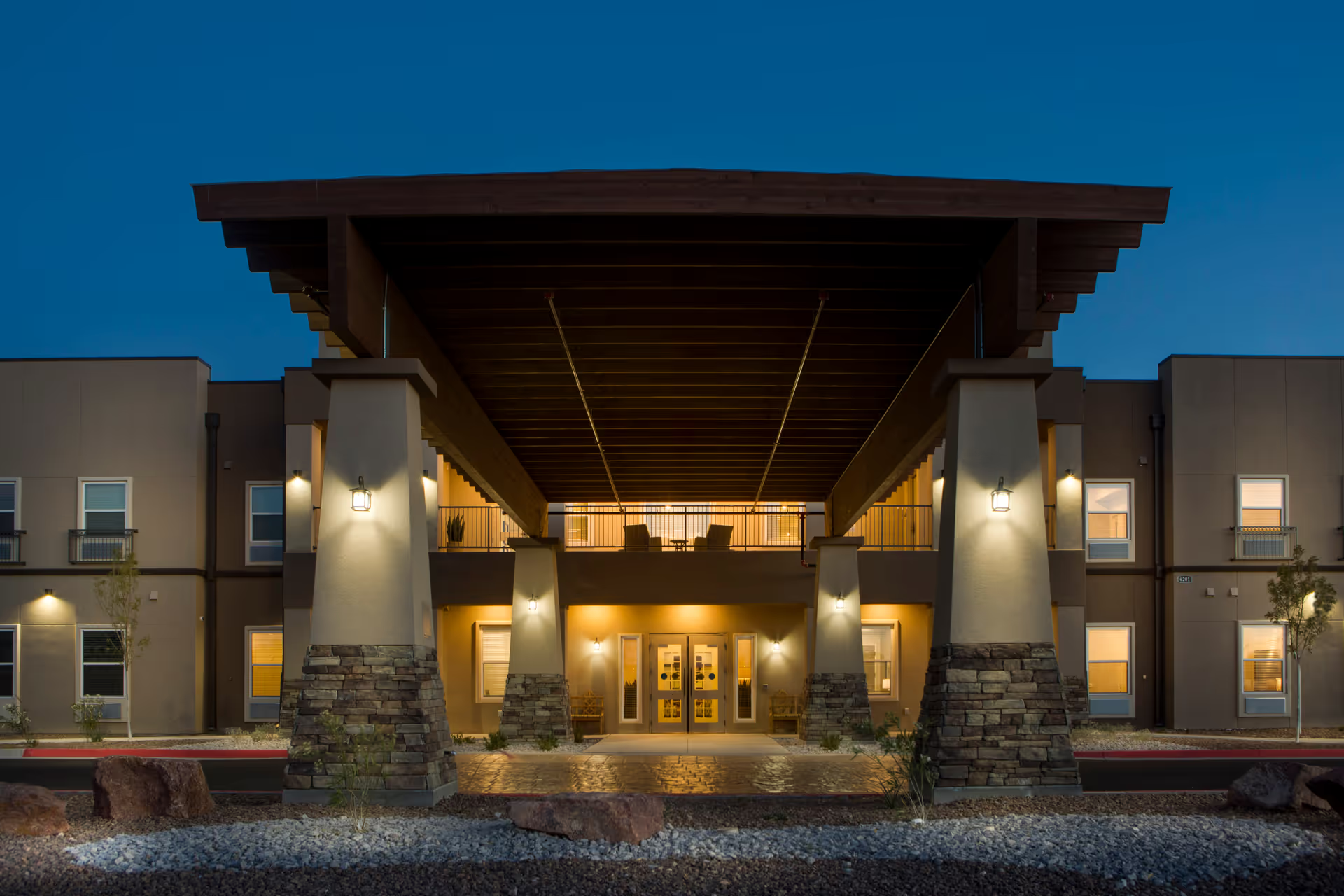
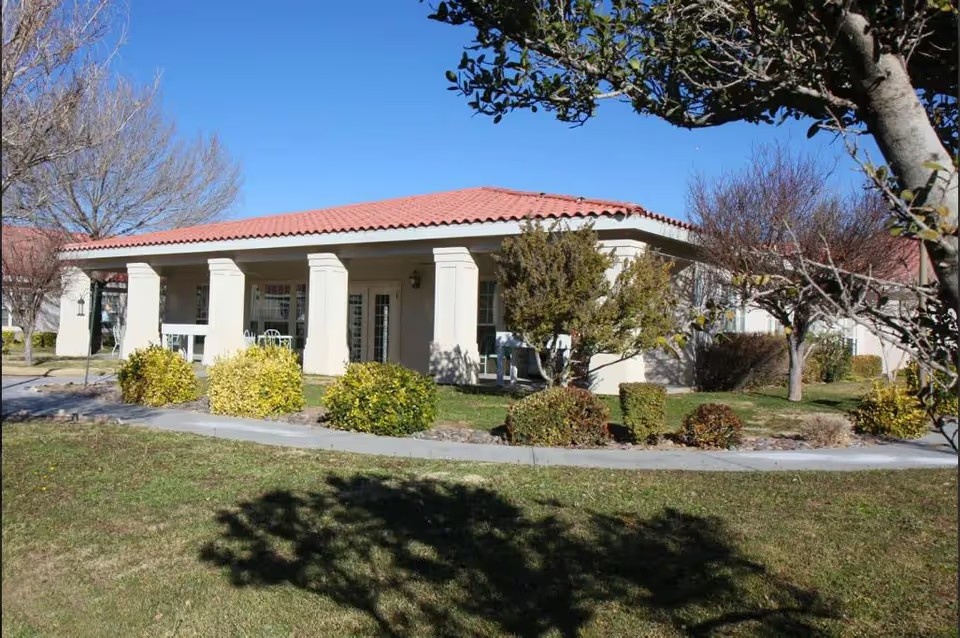
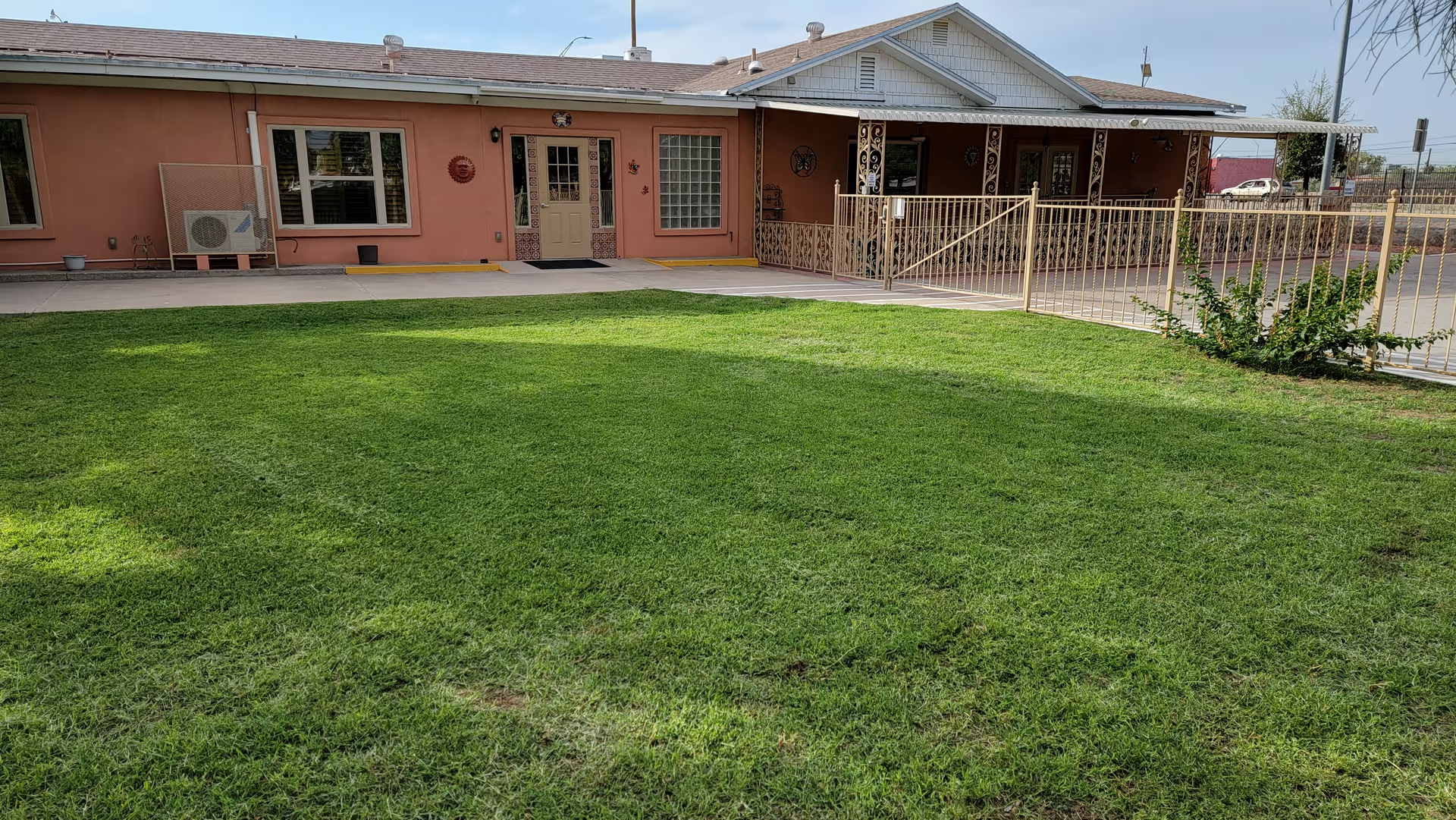
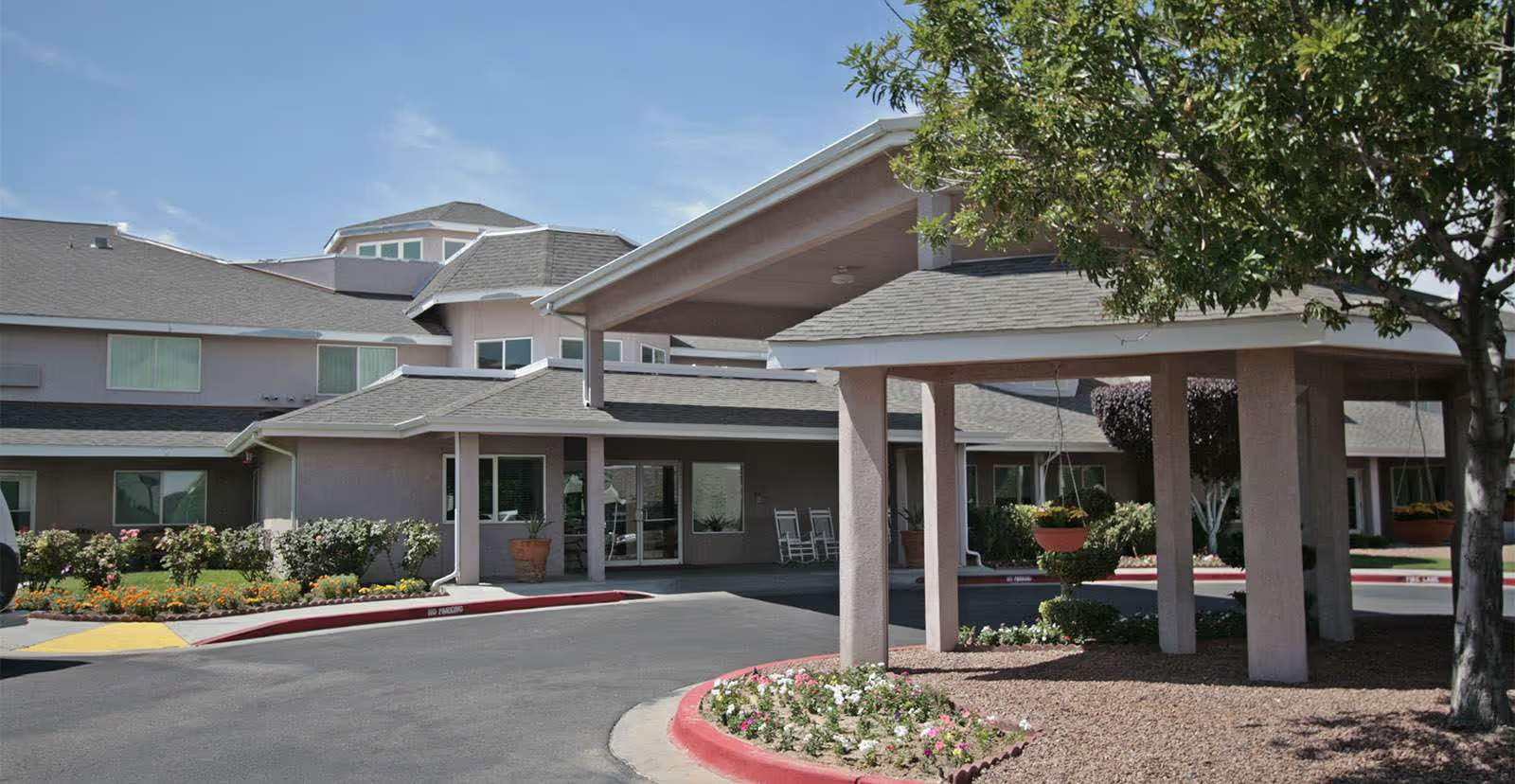
Facilities and atmosphere: The physical plant is often described as new, well lit, and clean, with a dedicated memory-care area and weekly housekeeping routines. Some reviewers preferred the smaller, ten-resident model for its home-like feel. Others described larger-floor configurations as noisier and more institutional, with privacy or space limitations in certain units. A few comments referenced odor-control or sanitation concerns in particular areas, indicating unevenness in environmental maintenance.
Admissions, tours, and pricing: Several families praised the help they received in finding placement and felt the care was worth the expense; nevertheless, cost was described as higher than average. There are also accounts of rushed or sales-focused tours and pressure around room availability, which can affect initial impressions and the admissions experience. Communication lapses and occasional miscoordination during tours were mentioned.
Bottom line: Casa Bella appears to offer solid clinical capability, an appealing physical environment, and a generally caring staff, particularly when on-shift leadership is present. Prospective residents and families should weigh those strengths against operational variability—notably weekend staffing, occasional cleanliness or odor-control lapses, limited texture-modified meal options, and differences in atmosphere between smaller and larger household models. A recommended approach is to tour during different shifts (including weekends), ask about weekend staffing and bathing schedules, confirm diet accommodations, and meet the manager who will oversee the resident’s daily care to gauge the consistency of leadership and accountability.