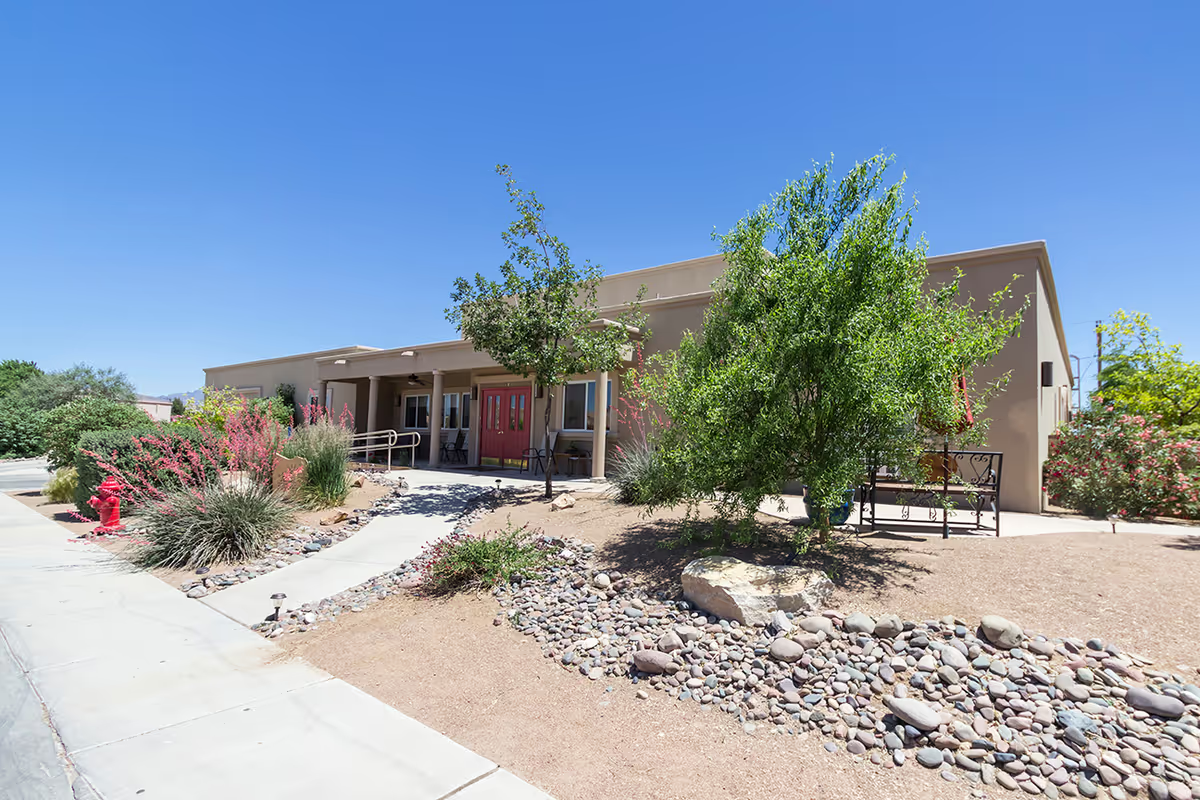
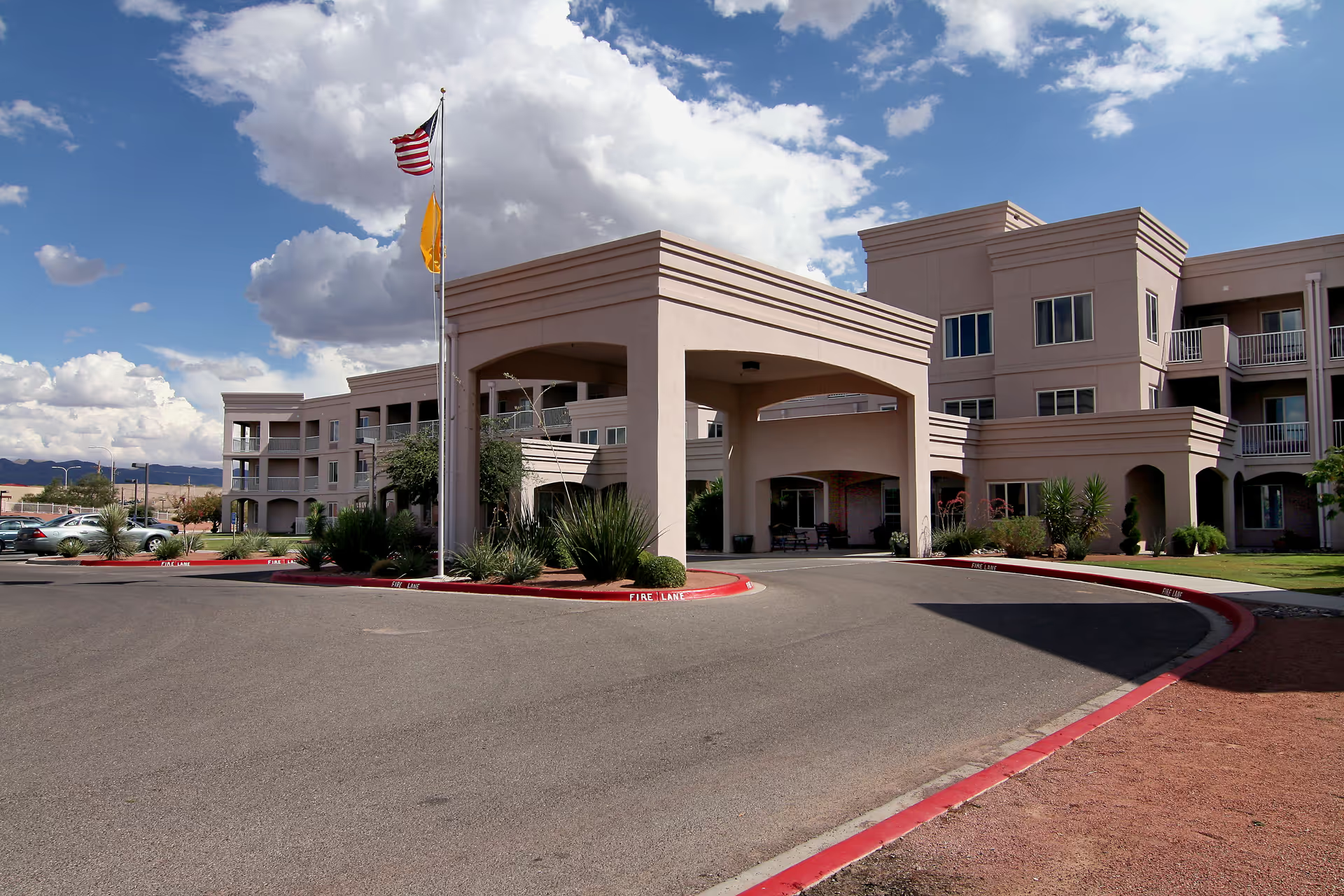
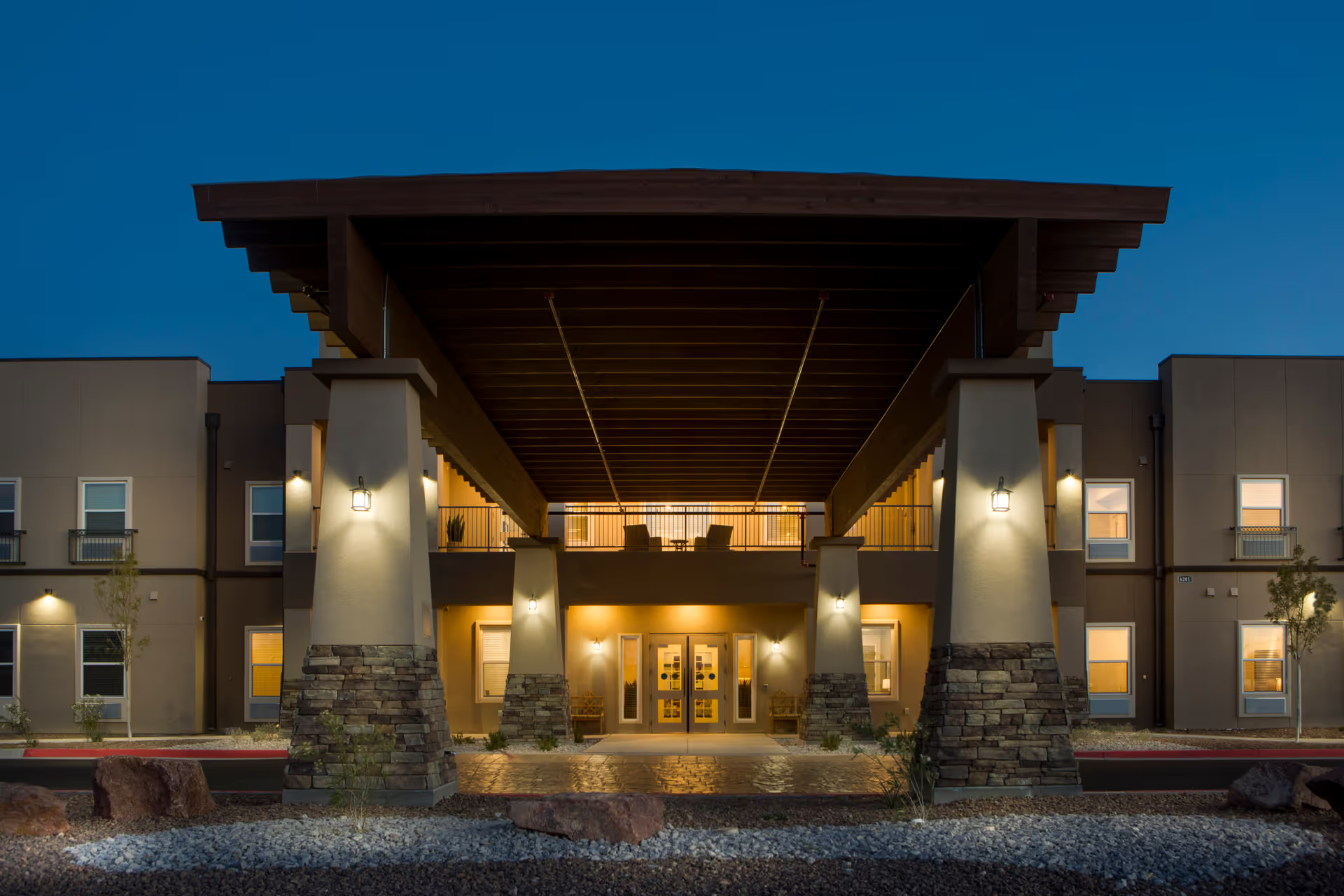
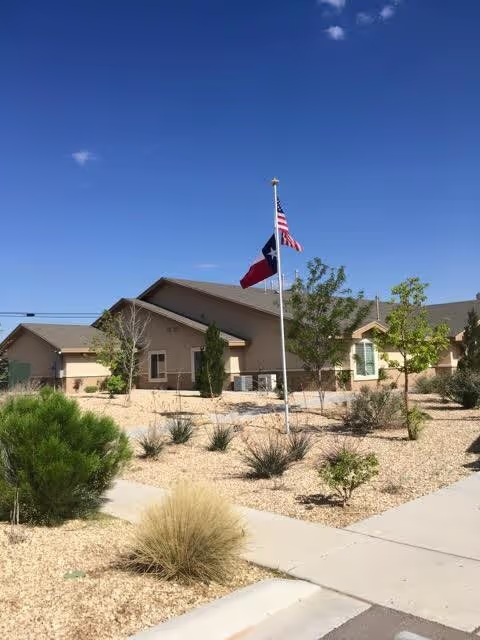
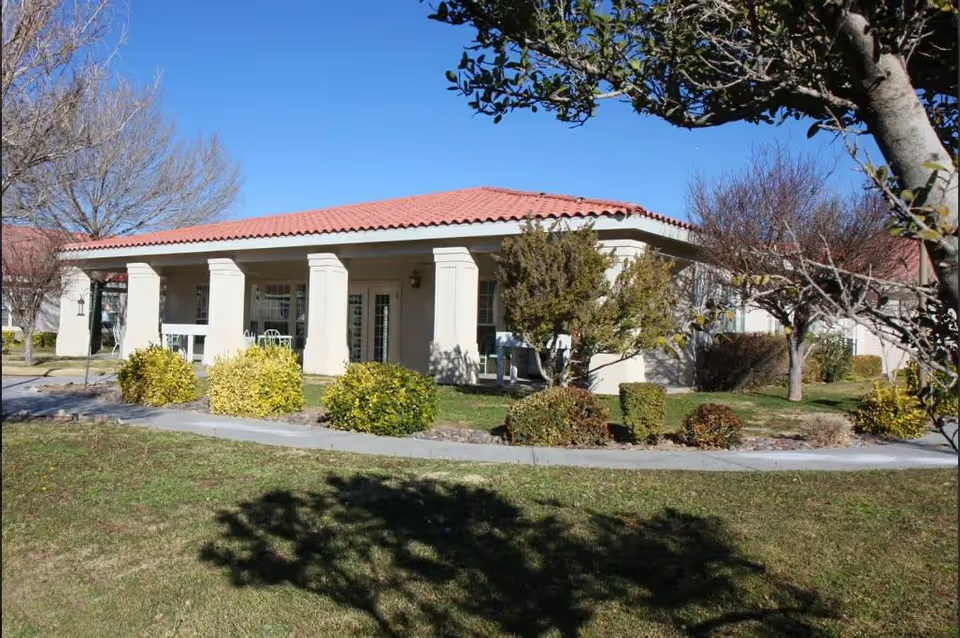
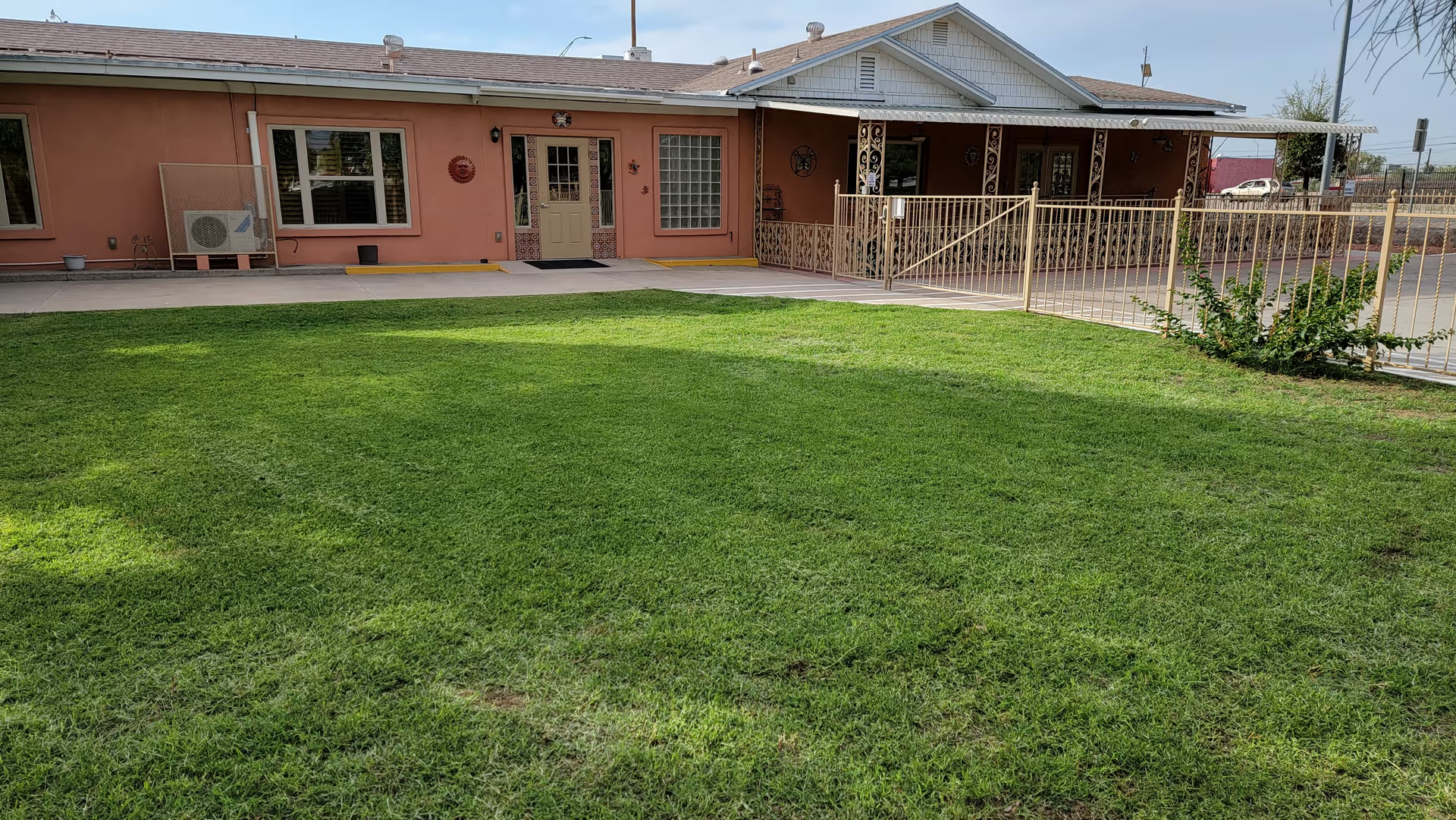
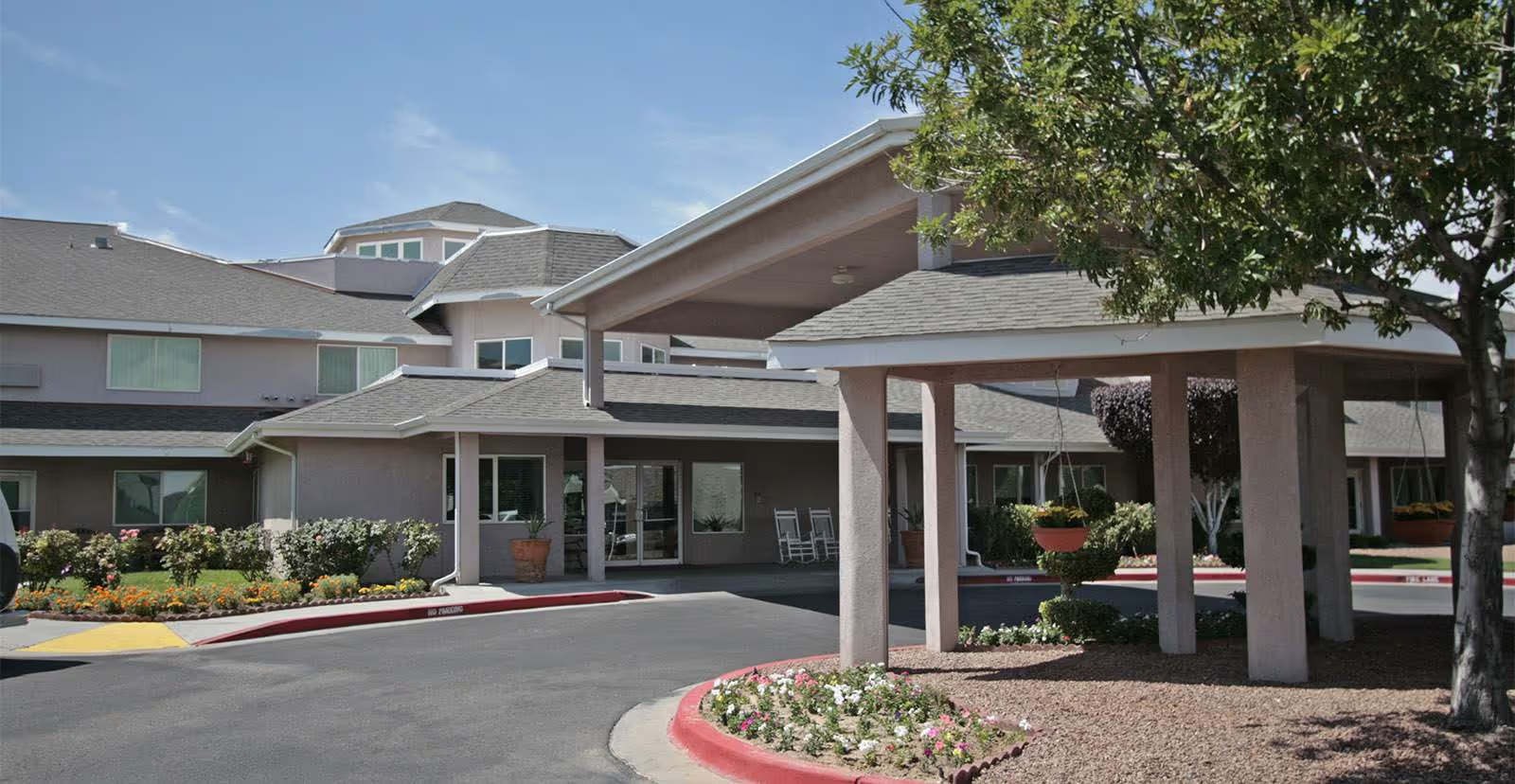
Las Cruces Village Nursing & Rehabilitation is a large campus-style provider with a range of offerings that appeal to active older adults and families seeking on-site therapy and a range of amenities. Positive attributes frequently described include a friendly, personable caregiving team and accessible administrative personnel, casita-style independent living apartments with full kitchens, and a broad amenities package (indoor pool, 24-hour fitness room, wood shop, library, beauty shop, auditorium and guest rooms). The campus layout, scenic views, and on-site chapel/chaplaincy support a community-like atmosphere that many residents and families find attractive.
Clinical and care-related experiences are mixed. Several families praised the on-site rehabilitation and memory-care services, noting attentive staff and a focus on recovery and safety for those units. At the same time, there are notable operational patterns indicating variability in care delivery: concerns about medication management, gaps in clinical coordination, inconsistent bathing and hygiene schedules, and delays responding to call systems. These patterns point to uneven clinical processes and staffing consistency across shifts and service areas.
Dining and housekeeping are areas of pronounced variability. The facility has pleasant dining spaces and a number of residents enjoy meals and social dining events; activity programming is robust and includes musical performances, therapy animals, chapel services and educational offerings. However, meal quality and service practices are described inconsistently — ranging from positive dining experiences to examples of poor food temperature, presentation and portioning — and there are multiple mentions of per-meal charges or extra fees. Housekeeping frequency and linen/garment management also appear inconsistent, with some families noting monthly cleans and others describing missing items or delayed service.
Operational and administrative issues recur in the reviews. Potential residents should be aware of a complex fee structure that can include upfront buy-ins, monthly fees, and per-meal charges, as well as examples of billing errors and cross-location billing confusion. Some families described high-pressure sales interactions or aggressive marketing at the time of move-in. Privacy and staff-conduct concerns are raised in a subset of accounts, and there are isolated but serious allegations concerning missing personal items and financial-accountability lapses. Facility condition is mixed: grounds are generally well-kept, but multiple reviewers noted dated interiors, dark corridors, older carpets and mattresses that could benefit from renovation.
In summary, the facility offers many strengths that suit independent and activity-focused residents — attractive campus amenities, social programming, and a therapy-focused model — but families should carefully evaluate operational and clinical consistency. Recommended areas to probe during a visit include staffing ratios and turnover, medication-administration and incident-reporting processes, fall-prevention and monitoring systems, dining contract and fee transparency, housekeeping schedules, pet policies, and accessibility between independent living units and central services. These targeted questions will help prospective residents and families weigh the facility’s community and amenities against the variability in clinical and administrative performance documented by multiple observers.