The reviews present a mixed but consistent picture: staff performance and core care services receive positive remarks, while the building and program infrastructure show multiple limitations. Families and visitors frequently describe staff as compassionate, enthusiastic, and responsive; several accounts specifically note individual employees and an overall sense that residents’ basic care needs are being met. The community is also characterized as affordable and providing good perceived value, with an overall impression of safety and cleanliness.
Dining and social opportunities are another strength for some residents. Meals and accessible snacks were described positively, and a regular schedule of off-site activities — weekly shopping and occasional trips to movies, parks, and museums — exists. At the same time, activity availability and intensity appear uneven: some observers saw active programming, while others observed low engagement and idle time. The facility lacks onsite fitness amenities such as a gym or pool, which may limit structured exercise options.
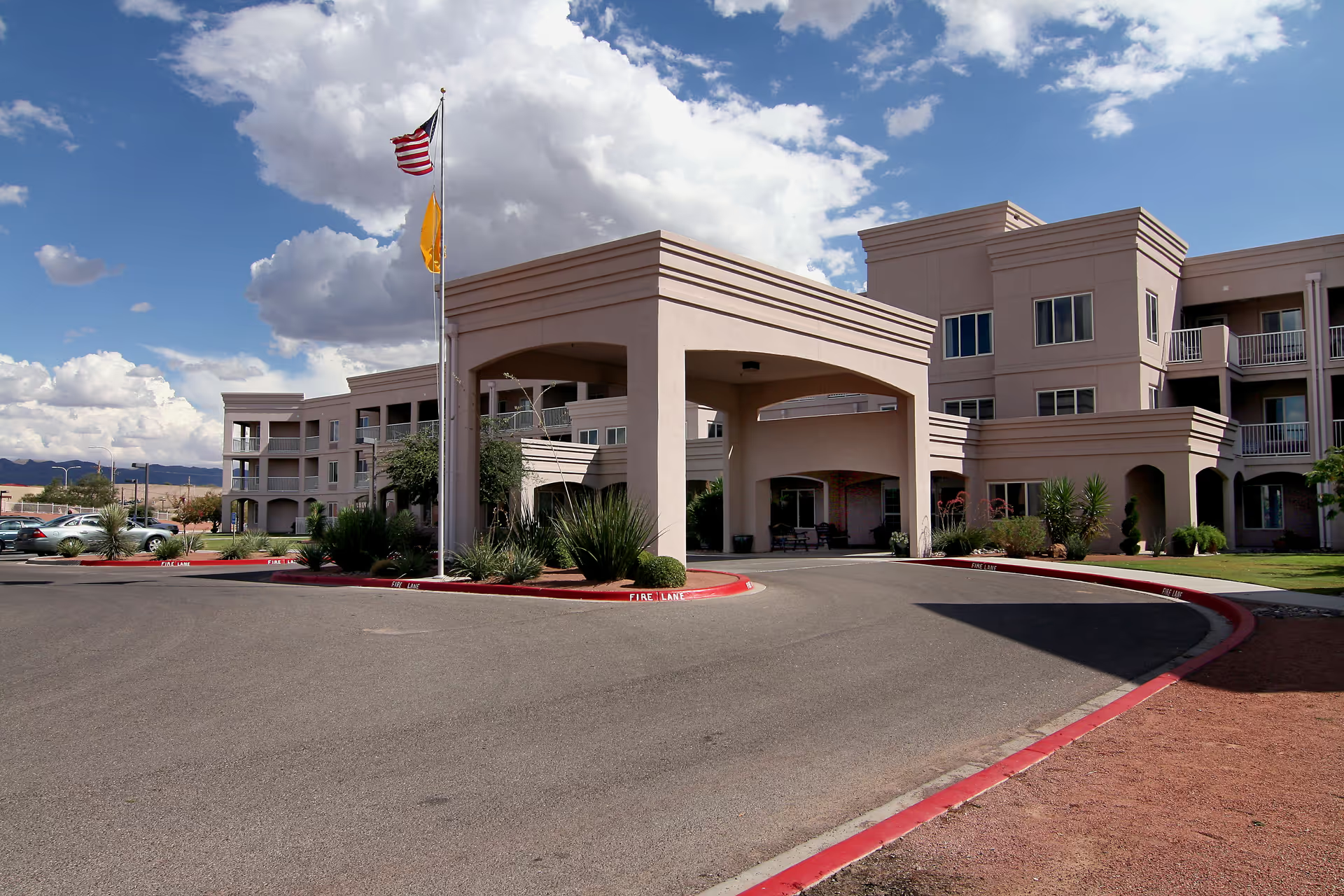
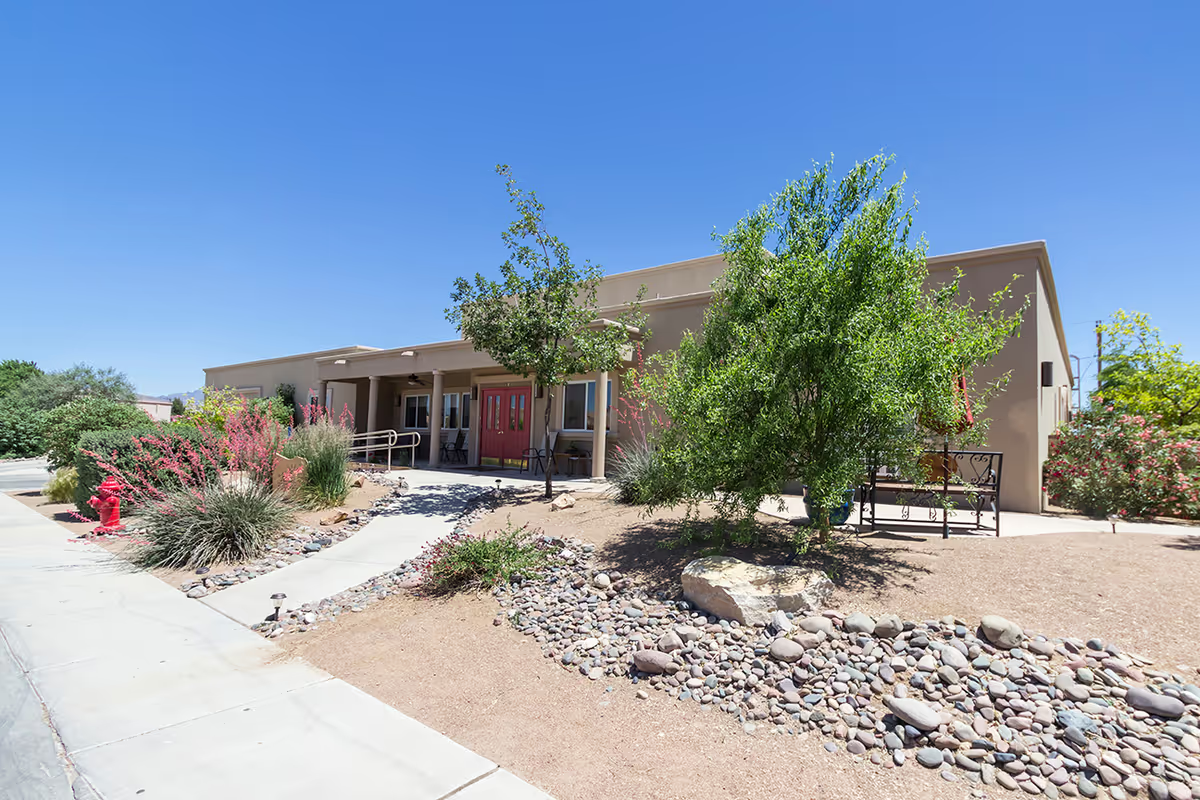
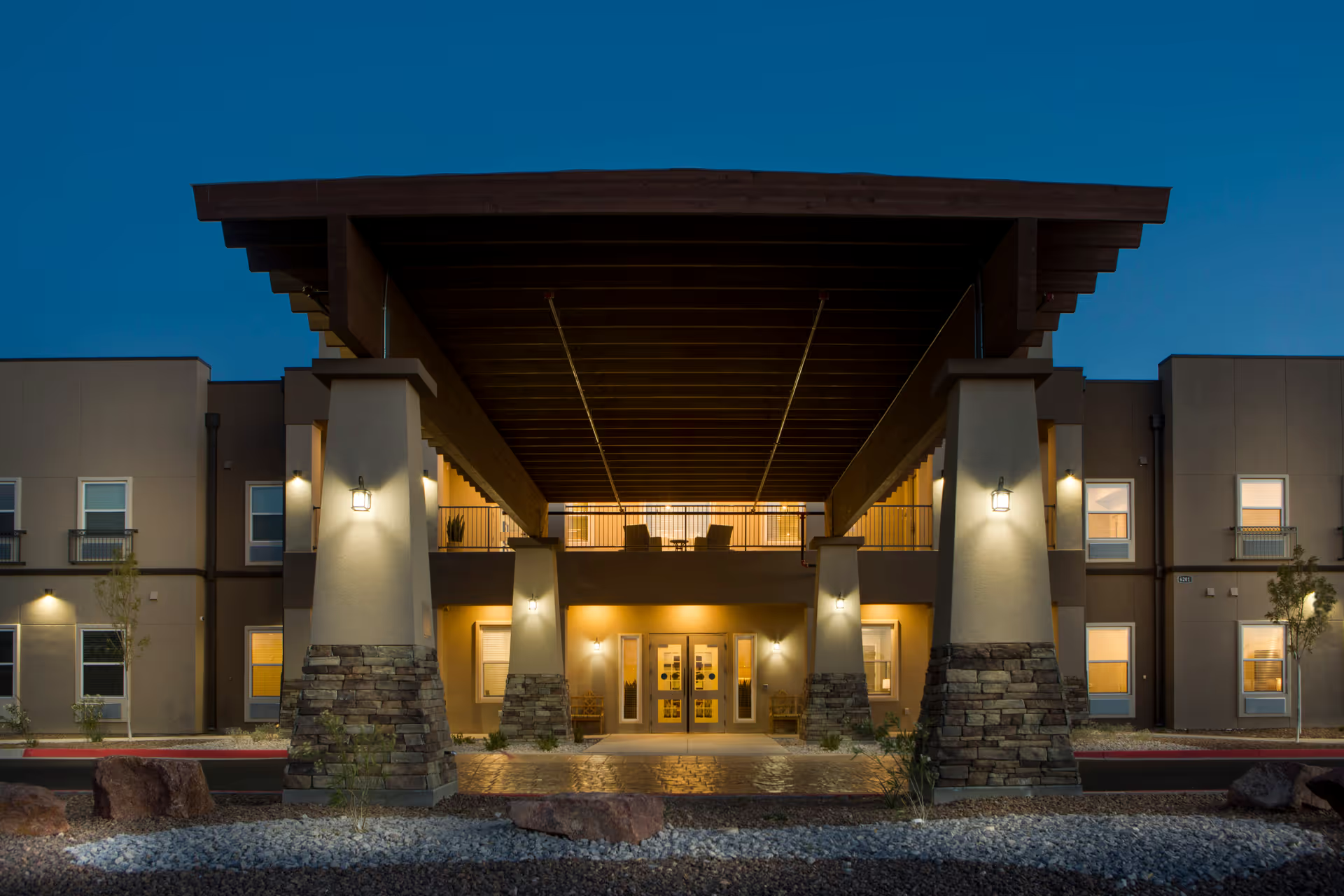
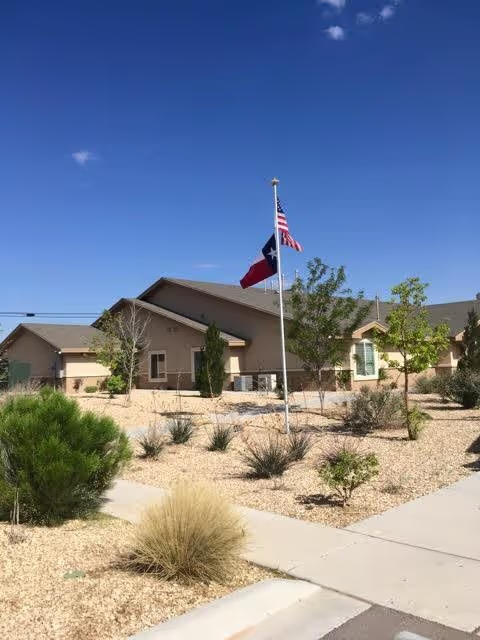
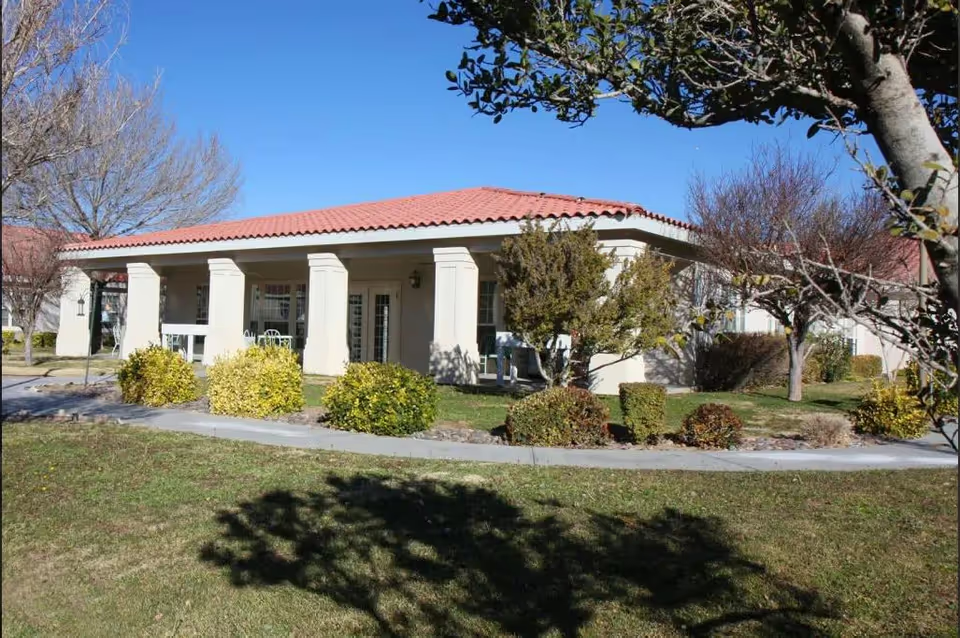
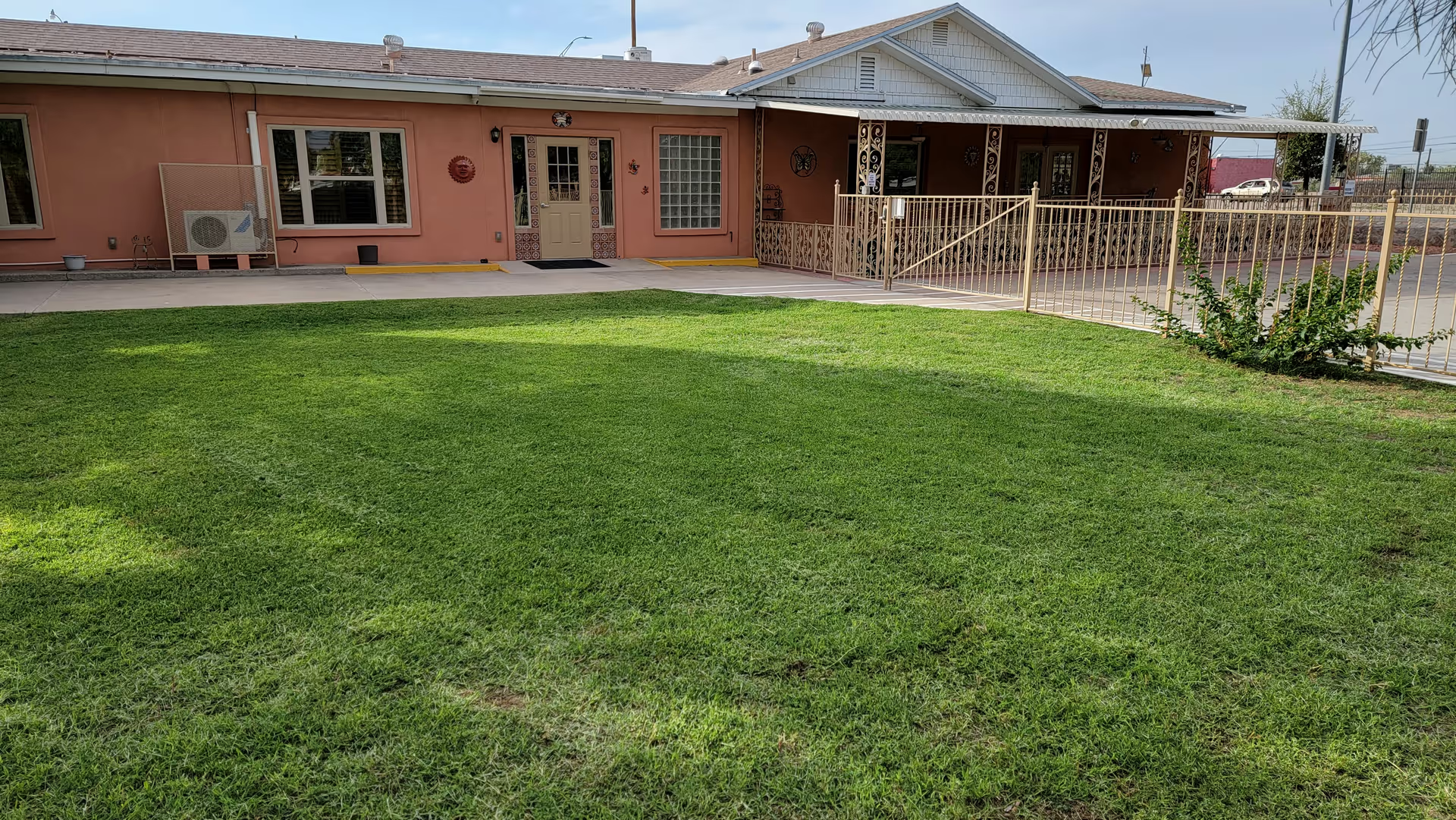
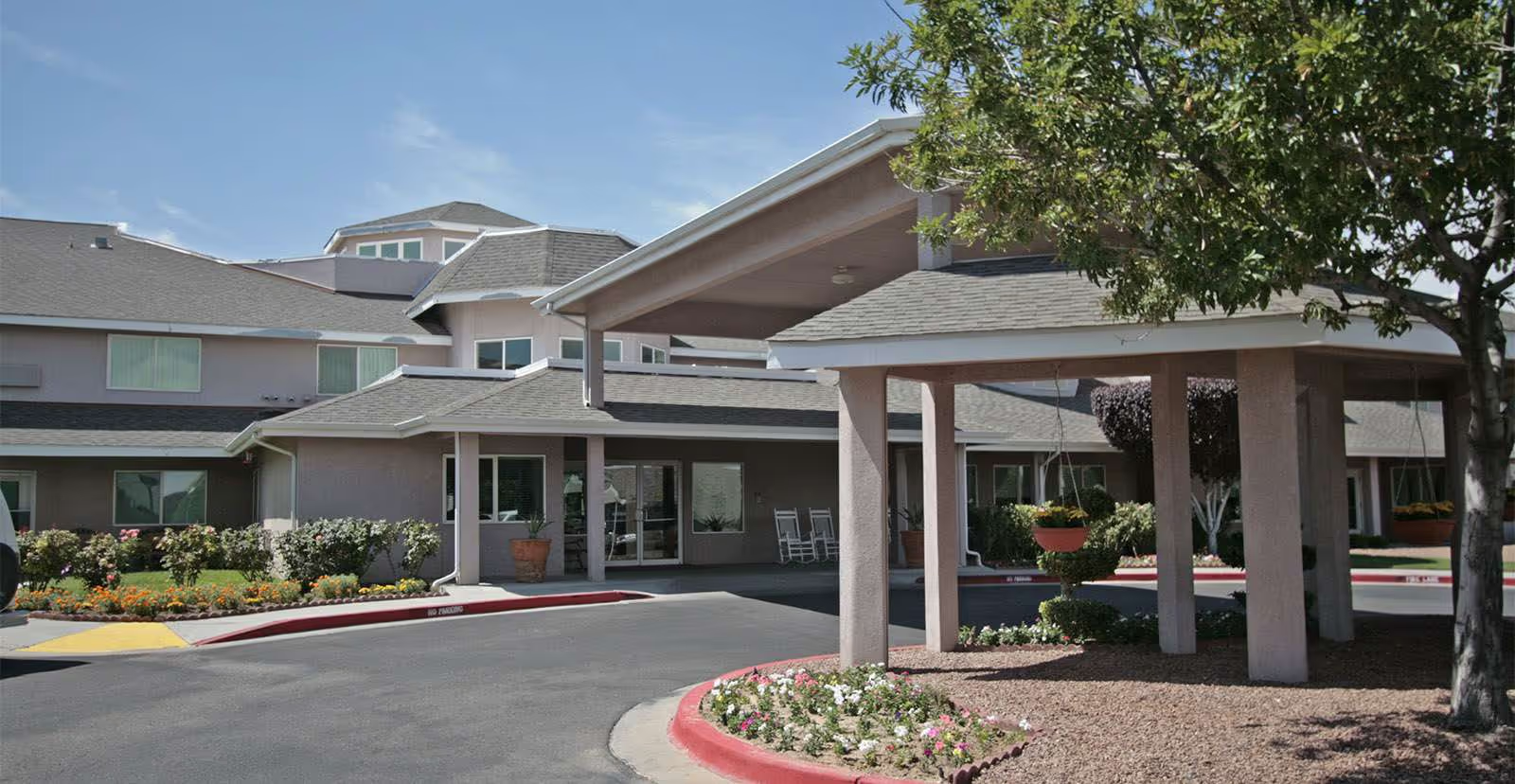
Physical-plant limitations are a recurring concern. Reviewers describe an older, dated facility with narrow, maze-like hallways, many turns, and rooms positioned closely together. Unit layouts with a single bathroom and a small outside area constrain privacy, circulation, and access to outdoor common space. These features can affect daily comfort and wayfinding and may present challenges for residents with mobility or higher supervision needs.
Clinical suitability and programming alignment are notable patterns. The facility appears to meet routine care needs for many residents, but the combination of the building layout, limited common/fitness spaces, and relatively low program engagement led several families to conclude the community is not well suited for people with advanced dementia or significant behavioral–memory needs. Family interest in the setting varies: some are grateful for the care and affordability, while others find the environment unappealing and difficult to navigate.
Overall, prospective residents and families should weigh the strong interpersonal culture and affordability against the structural and programmatic limitations. Visitors who prioritize compassionate, hands-on staff and cost-effectiveness may find the community appropriate, whereas those seeking modern facilities, robust on-site therapeutic or fitness amenities, higher privacy levels, or dementia-specific design features may need to consider alternatives or ask management about recent or planned capital and program improvements.