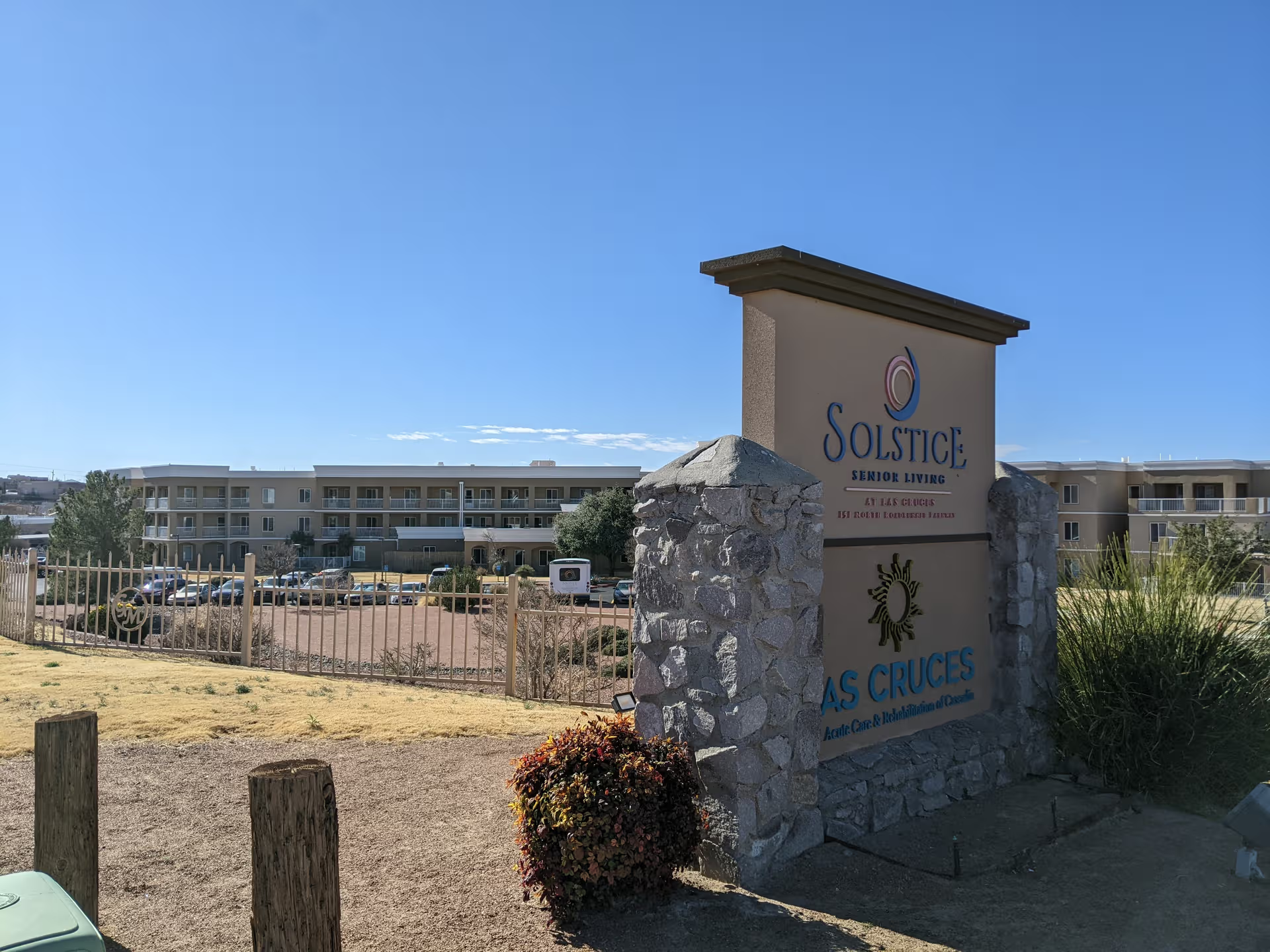
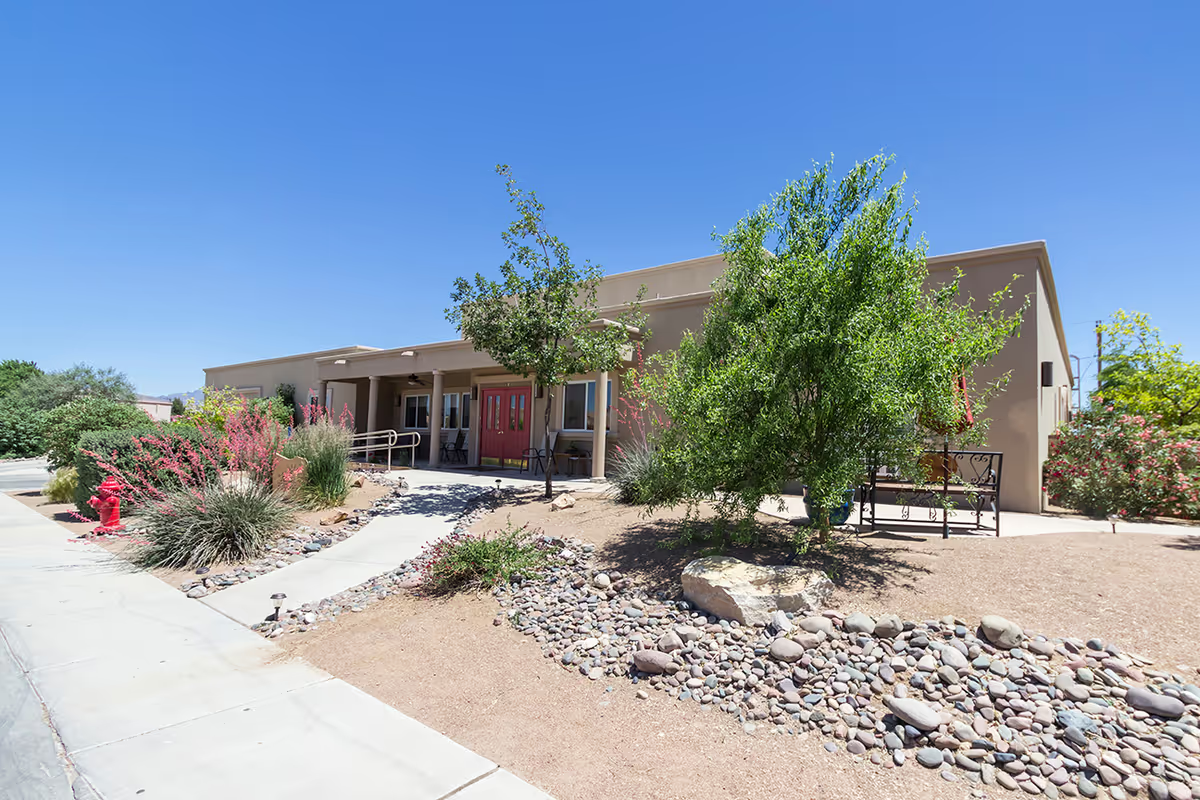
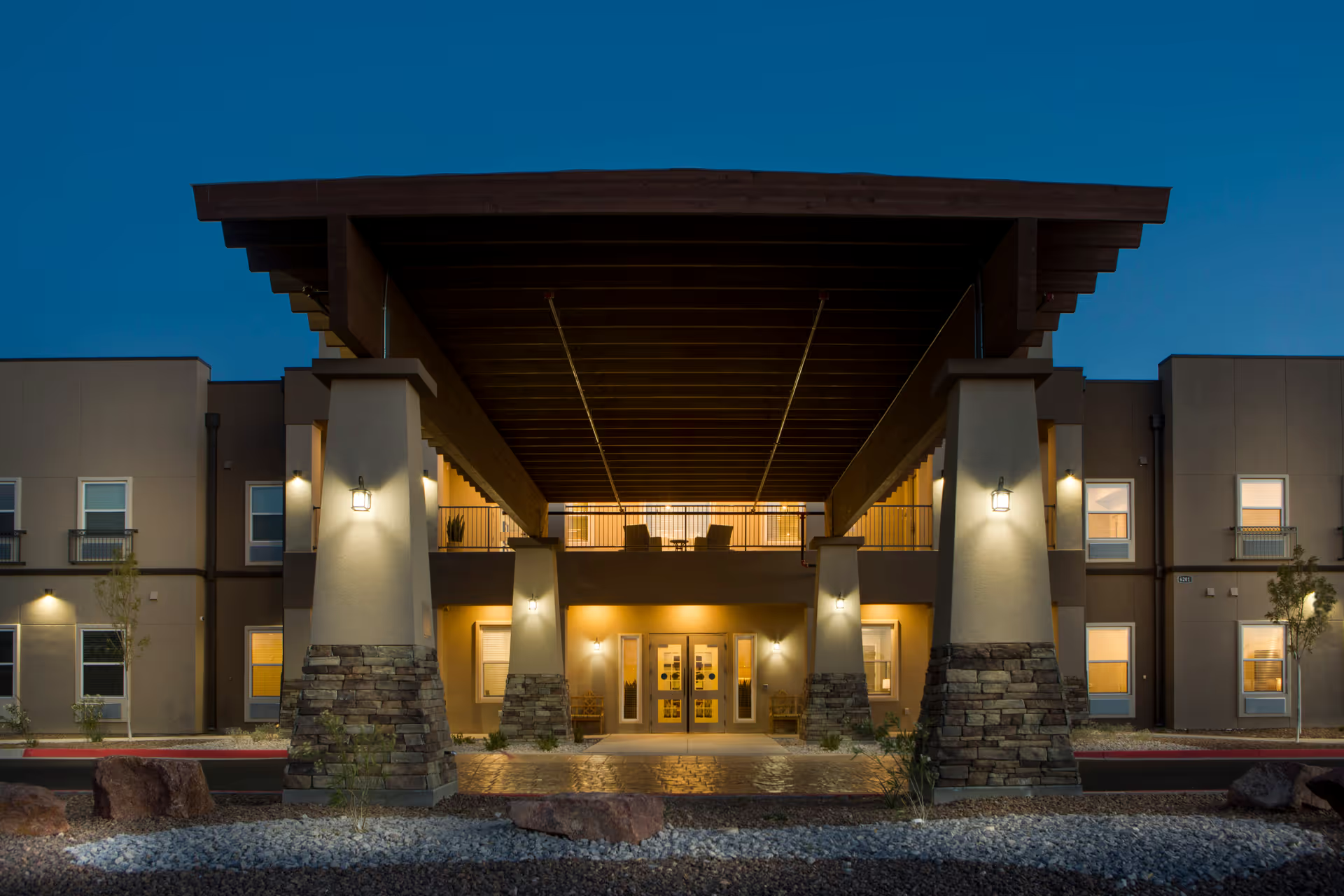
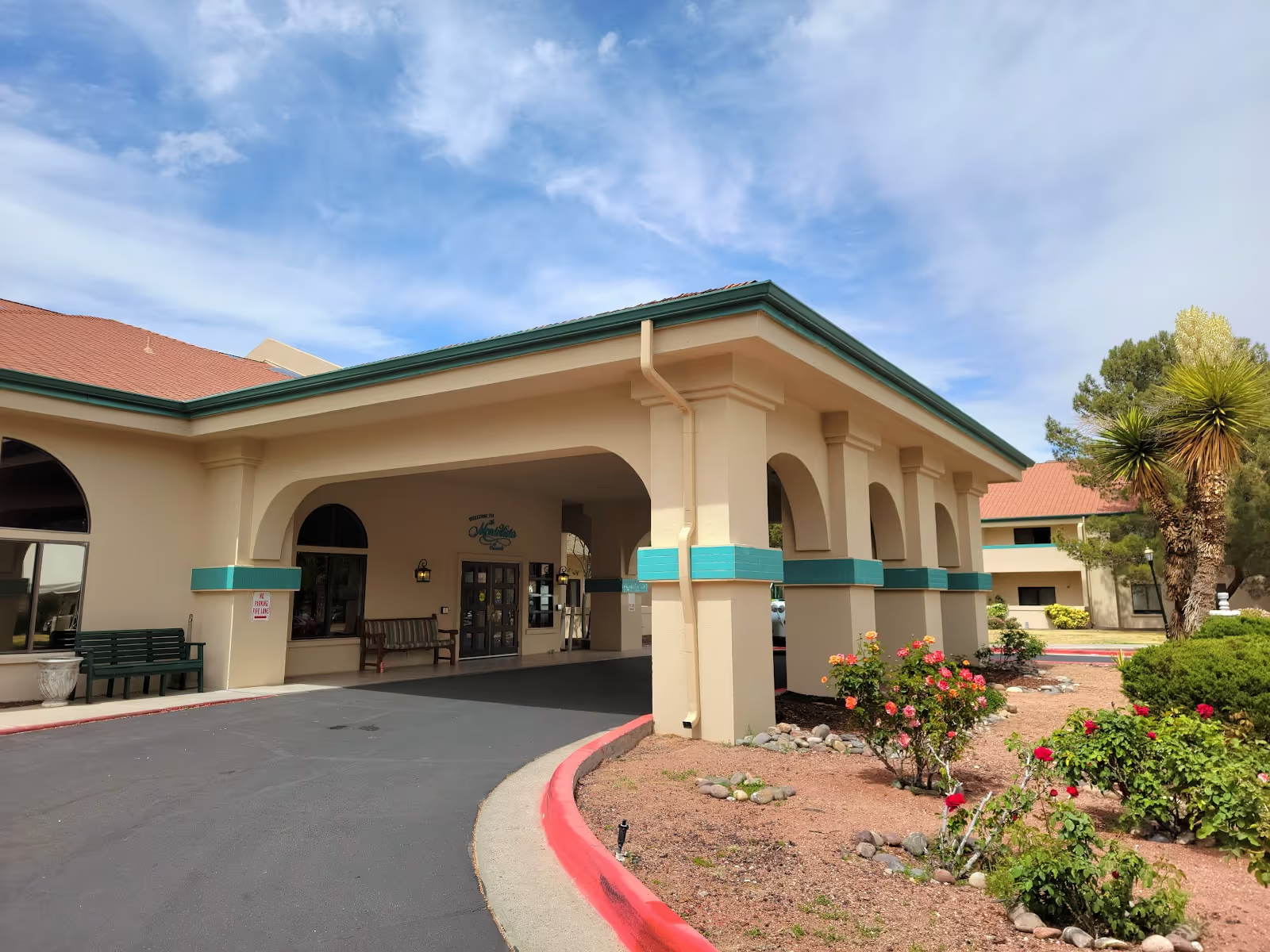
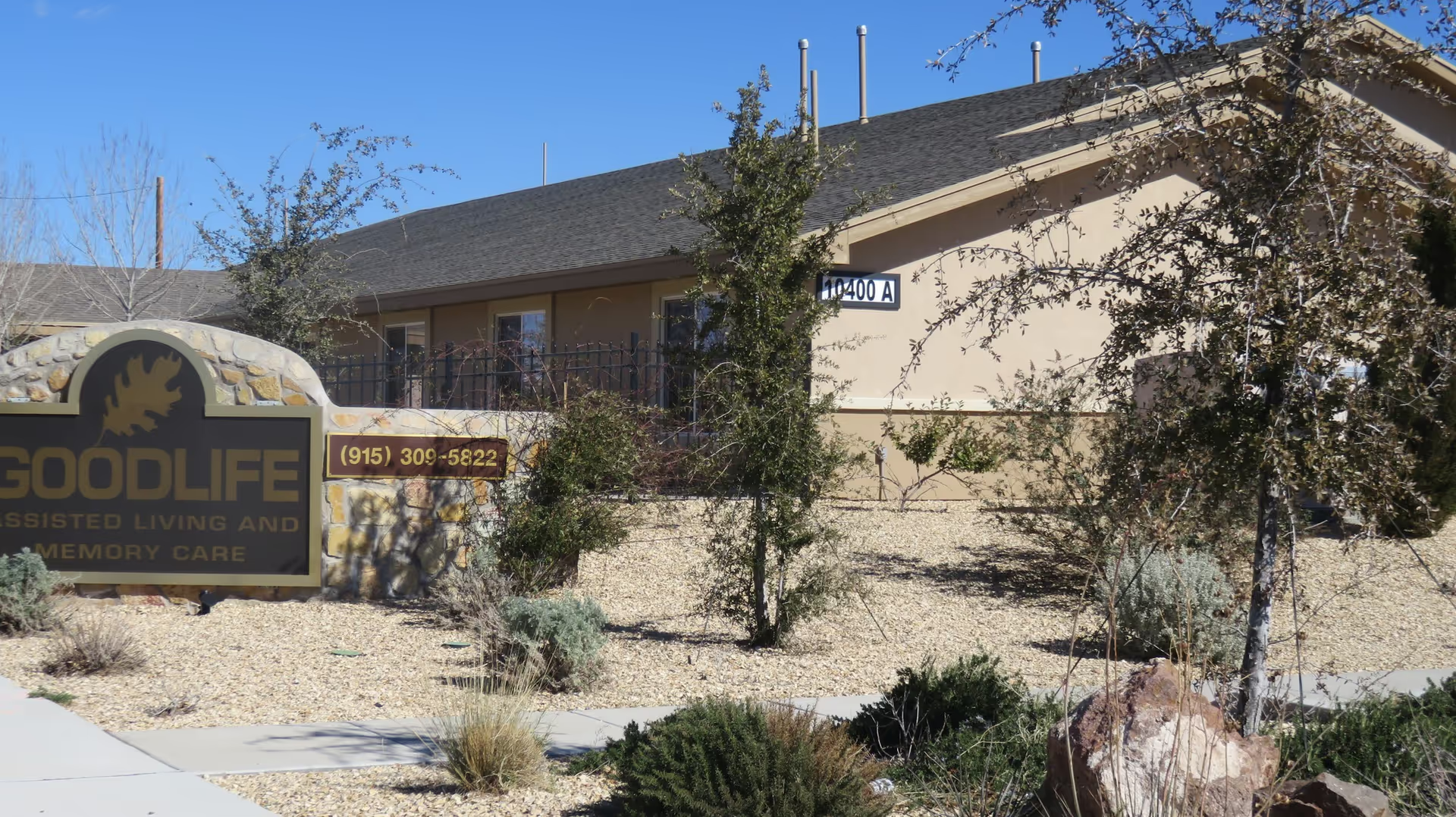
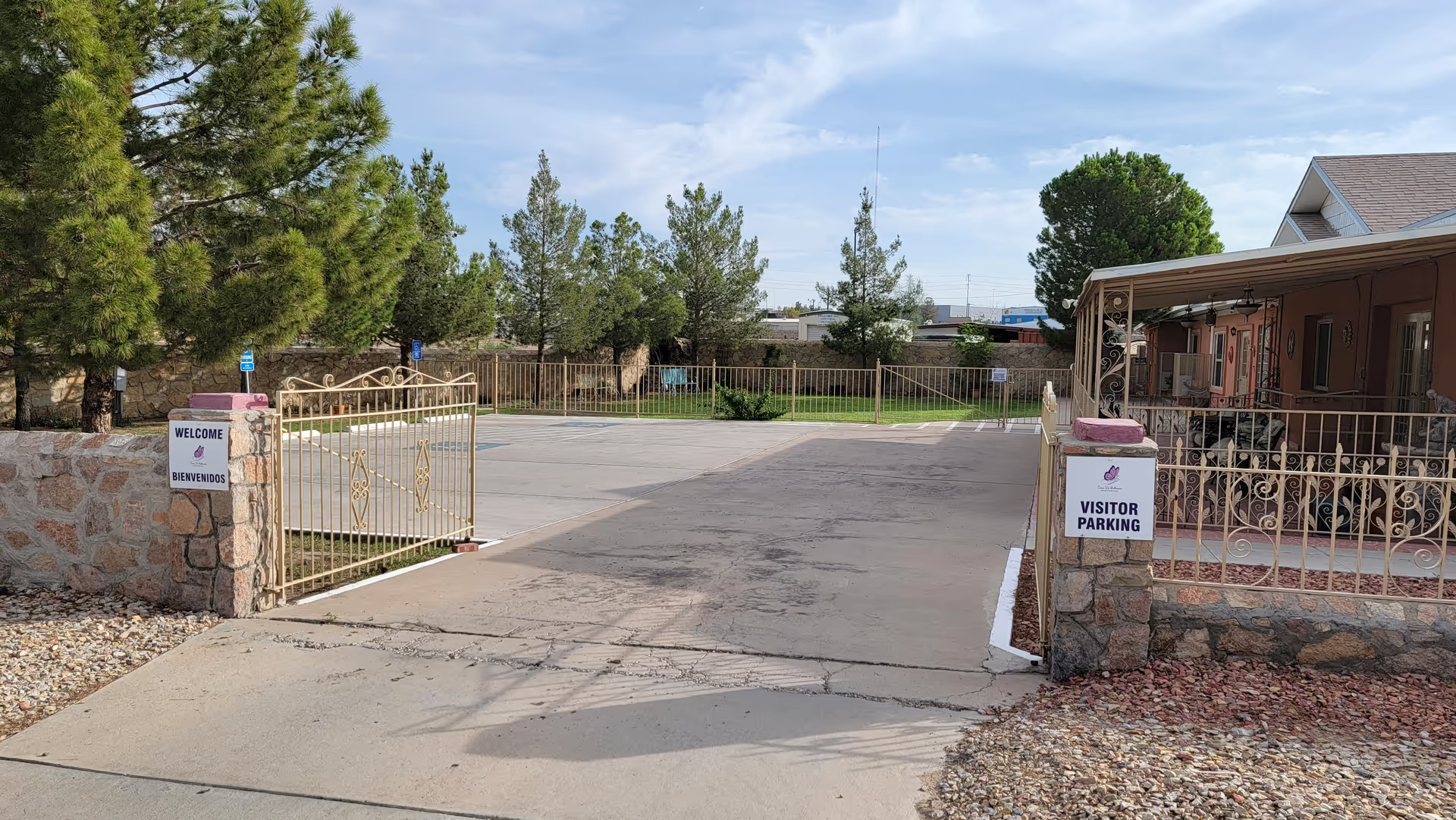
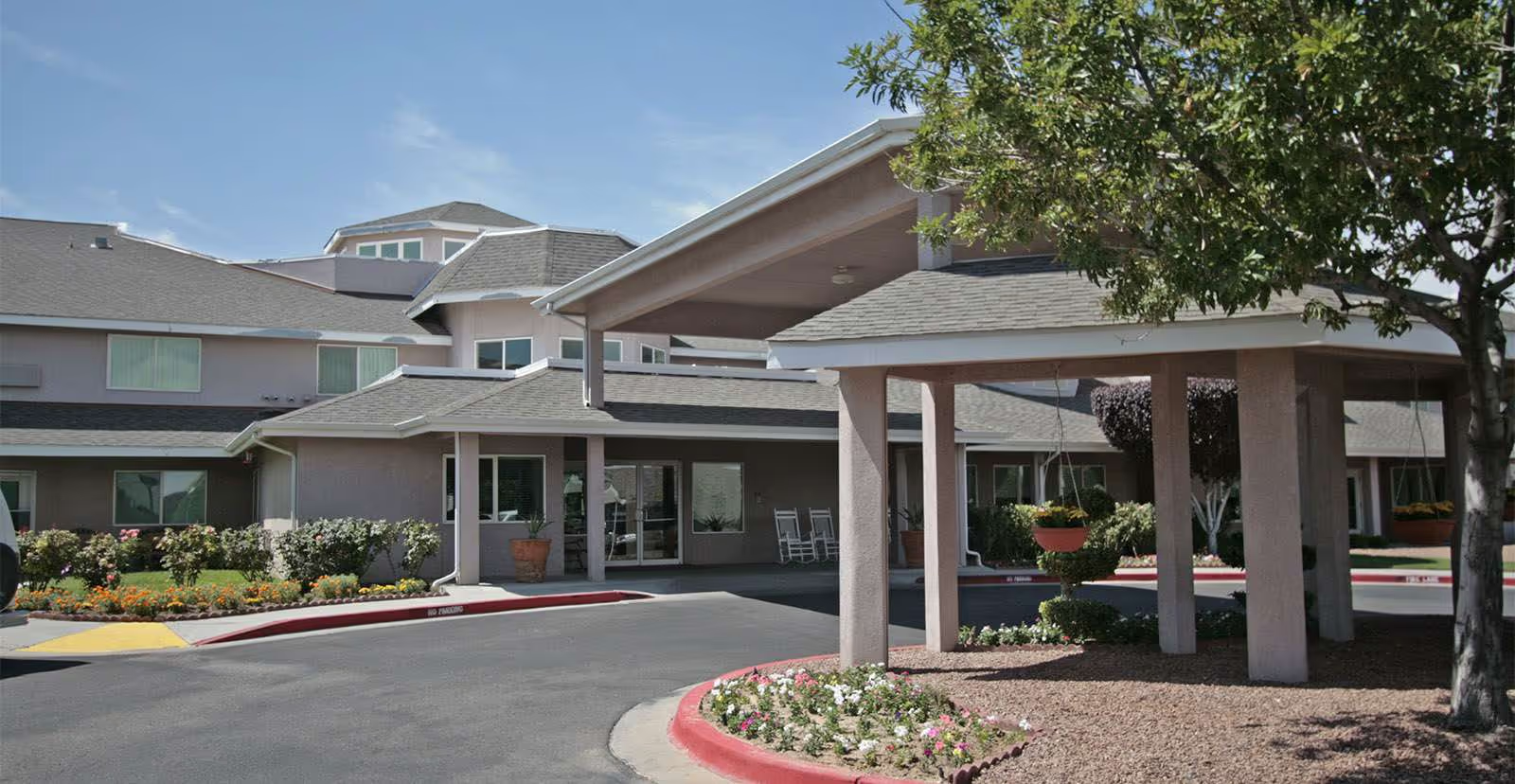
Overall impression: Reviews describe a facility with a pronounced home-like character, strong dementia-specific programming, and an activity-rich environment. Many families highlight compassionate, experienced caregivers, consistent staffing tenure, and management staff who are hands-on and responsive. The physical plant is frequently described as renovated, clean, and attractive, with several outdoor amenities and a secure, welcoming entry and common areas.
Care and staff: Care quality is commonly framed as attentive and respectful, with reviewers noting staff competency in dementia and Alzheimer’s care, thoughtful emotional support, and personalized attention. Long-tenured employees and hands-on managers are cited as contributors to continuity of care. However, there are also concerns about leadership consistency; some accounts describe supportive directors while others reference management conduct that has negatively affected staff morale. These contrasting reports suggest variability in leadership style that can influence team climate and potentially resident experience.
Dining and activities: Dining receives positive mention for flavorful meals that accommodate dietary needs and for centralized dining that supports socialization. The activity program is broad and active — examples include gentle exercise, arts and crafts, board games, bingo, live musical performances, holiday events, movies, and visiting therapy animals. On-site animals and animal-care opportunities are repeatedly described as a distinguishing feature that appeals to animal-loving residents and families.
Facilities and layout: The facility’s interior and outdoor spaces are frequently described as well-maintained and recently renovated, with a pleasant central dining room, craft area, patio, putting green, and garden areas that support walking. At the same time, the physical layout raises operational concerns: many rooms lack private in-room bathrooms, relying instead on pod/shared bathroom arrangements, and there are policies that restrict direct resident access to closets and clothing. These design and policy elements can reduce privacy and autonomy for some residents and require additional staff assistance for routine tasks.
Management patterns and notable risks: A clear pattern in the reviews is mixed perceptions of management. Several reviewers praise specific directors for clear communication and patient-focused guidance; others express concern about management tone and its effects on staff morale and teamwork. There is also mention of an ownership transition that some families felt altered the facility’s character. Taken together, these items point to a facility with strong clinical and programmatic strengths but with operational risks tied to leadership consistency, staff climate, and certain layout/policy features that may affect resident privacy and independence.
Recommendation guidance: Prospective families should weigh the facility’s demonstrated strengths in dementia care, activity programming, and the therapeutic value of animal interactions against the practical implications of shared bathroom configurations and policies governing resident access to personal belongings. When evaluating this facility, ask about current leadership stability, staff turnover, specific bathroom and privacy arrangements for the unit you are considering, and family communication protocols to confirm alignment with your expectations.