Overall impression: Reviews of The Village at Northrise – Desert Willow I and II are mixed. A clear strength across many accounts is the facility's rehabilitation and recovery focus; therapy teams and nursing staff are frequently praised for helping residents recover from orthopedic procedures and serious illnesses. At the same time, a number of narratives describe serious clinical and operational concerns that contrast sharply with the positive accounts, creating a polarized picture for prospective families.
Care quality: Clinical performance is uneven. Positive experiences emphasize skilled nursing care, attentive rehabilitation (PT/OT/SLP), effective discharge planning and coordinated therapy-driven recovery. Conversely, other accounts indicate gaps in clinical oversight — delayed escalation to higher levels of care, missed or inconsistent wound-care follow-up, medication-administration inconsistencies (including insulin management), and concerns related to infection management and timely transfers. These contrasting patterns suggest that care reliability may depend on specific shifts, units, or care teams.
Staff and communication: Many reviewers highlight compassionate, friendly, and bilingual staff, with specific praise for social services and admissions personnel who provide guidance and timely communication. Named staff received commendations for patience and advocacy. However, there are recurrent concerns about responsiveness: slow call-light response times, inconsistent assistance with activities of daily living, staff appearing overstretched, and reports of inattention attributed to device use or staffing pressures. Communication with families and with outside physicians is described as variable; some families reported clear, supportive interactions while others described inadequate coordination during clinical events and discharge.
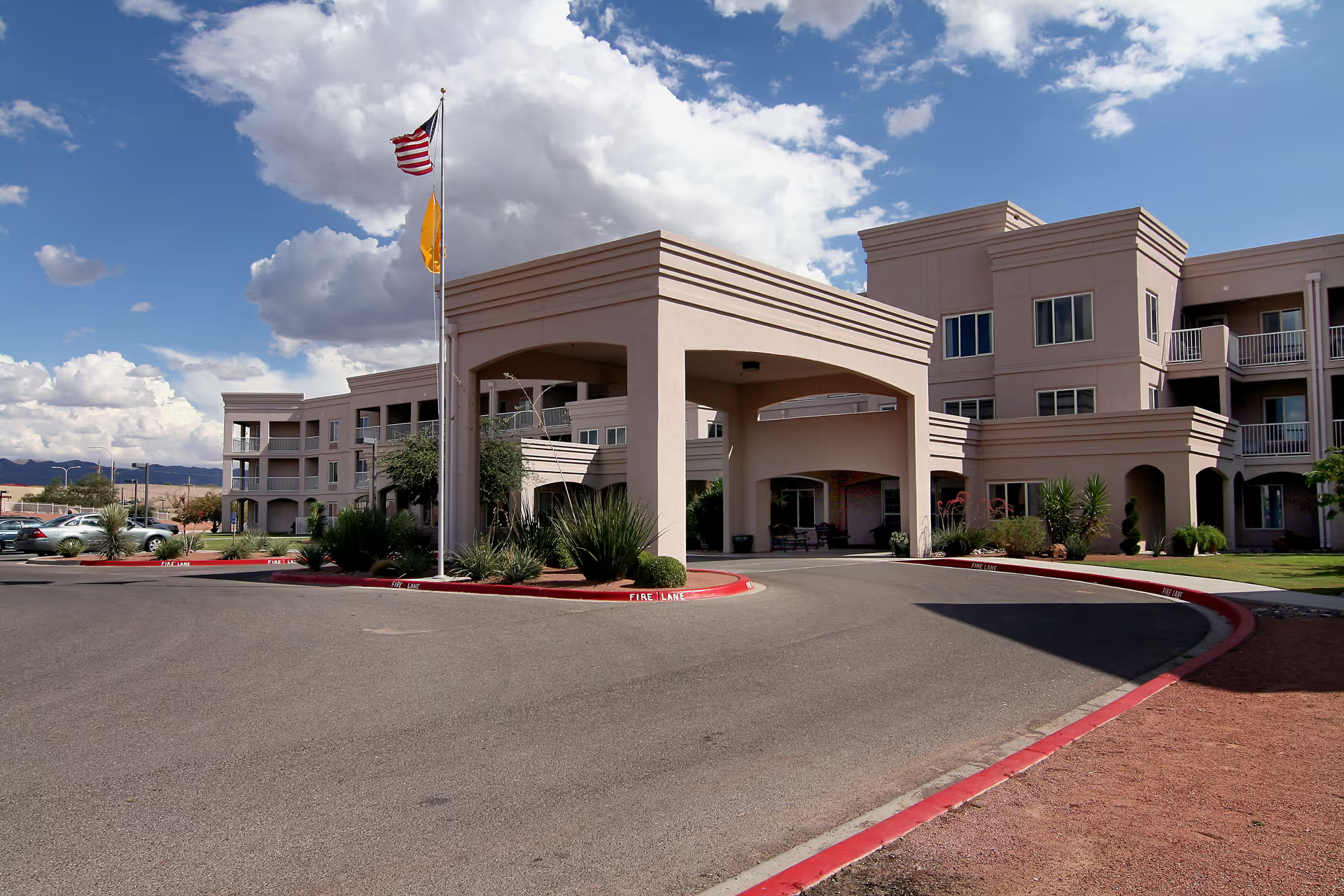
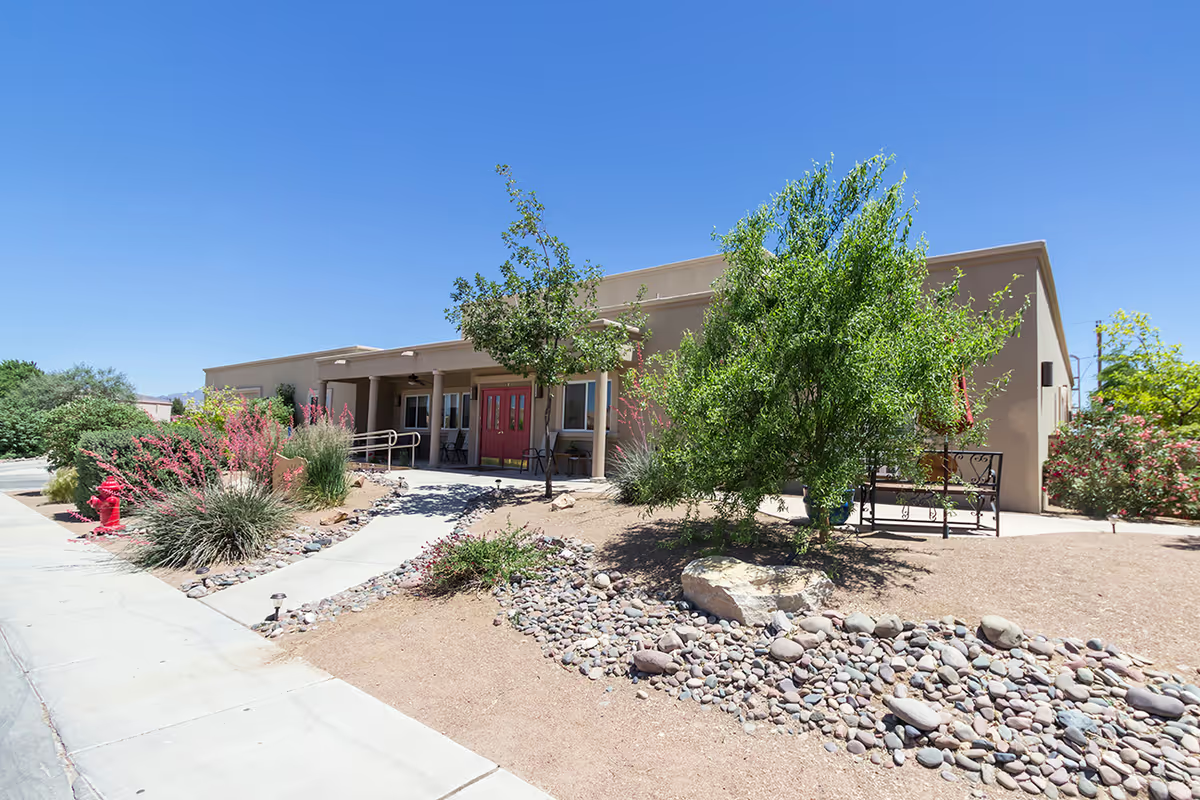
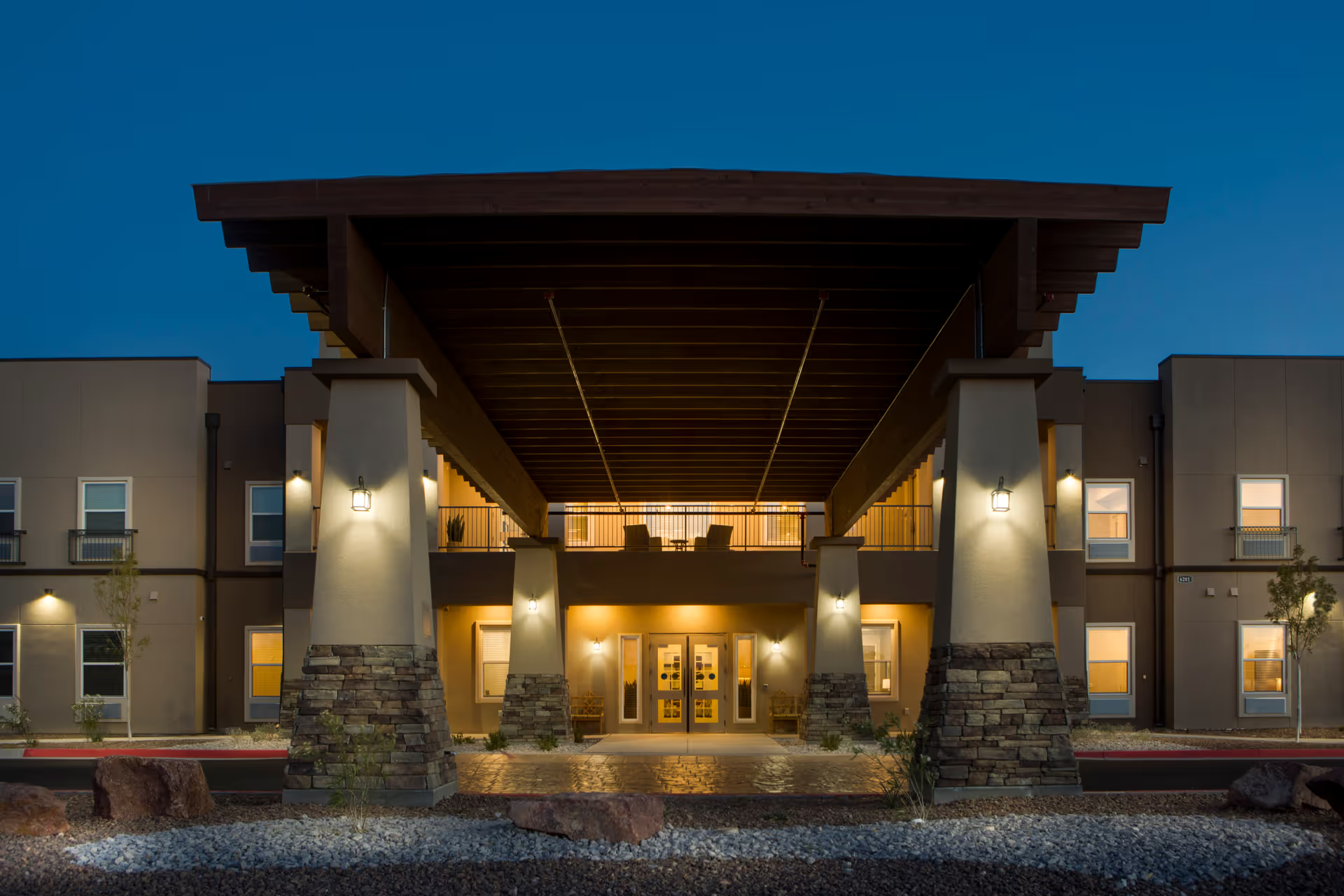
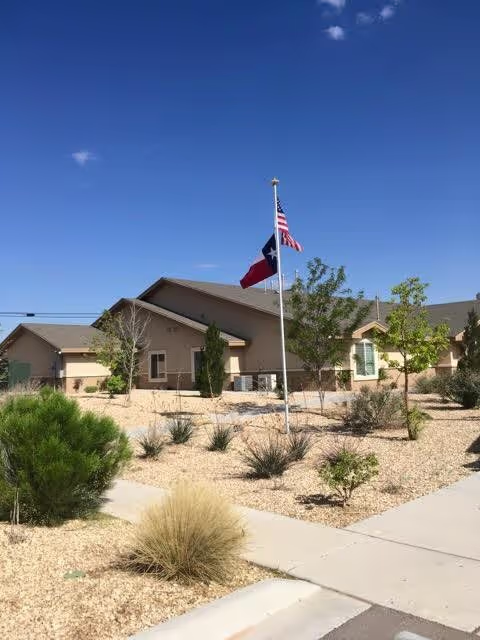
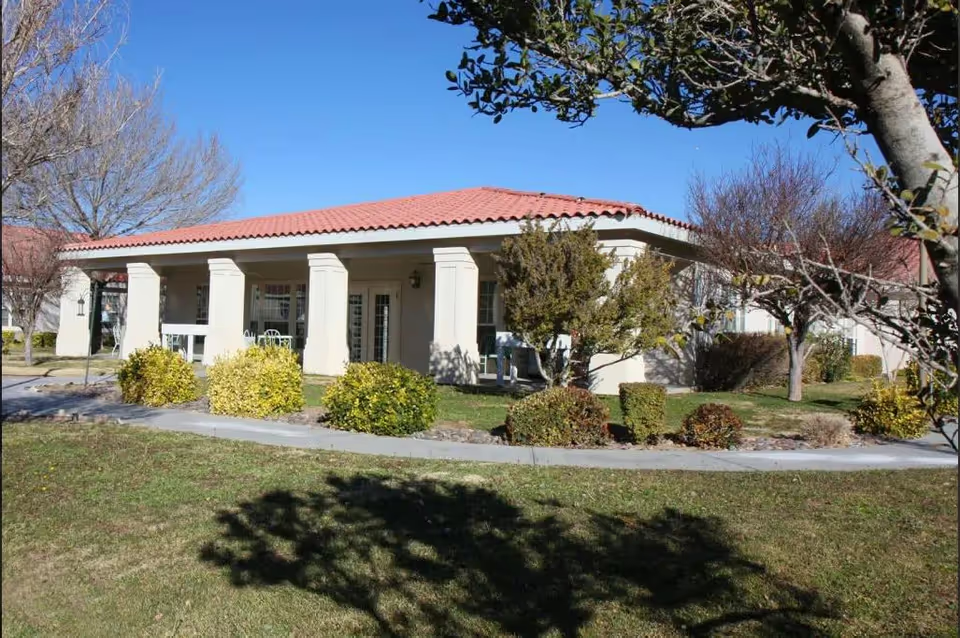
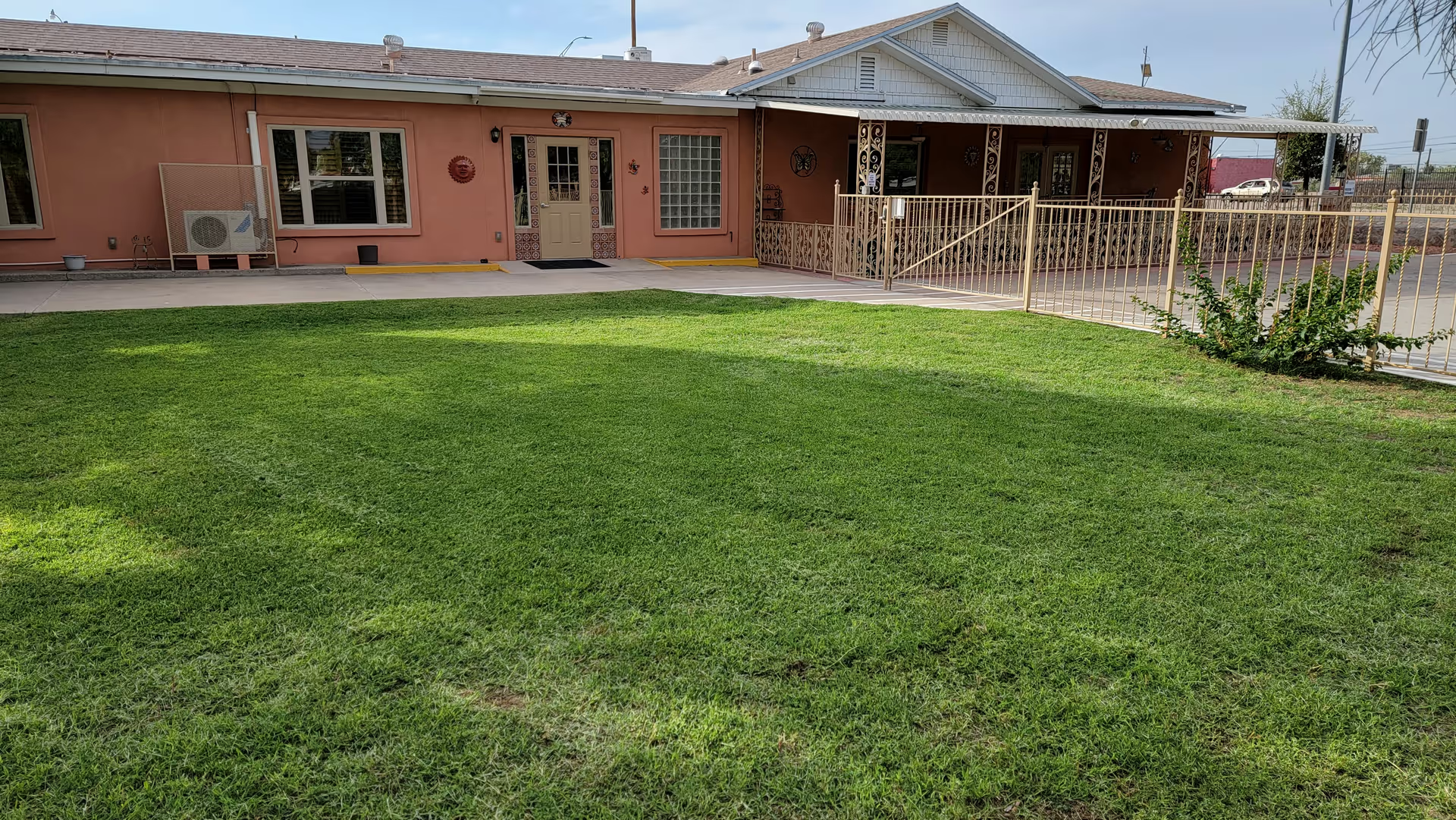
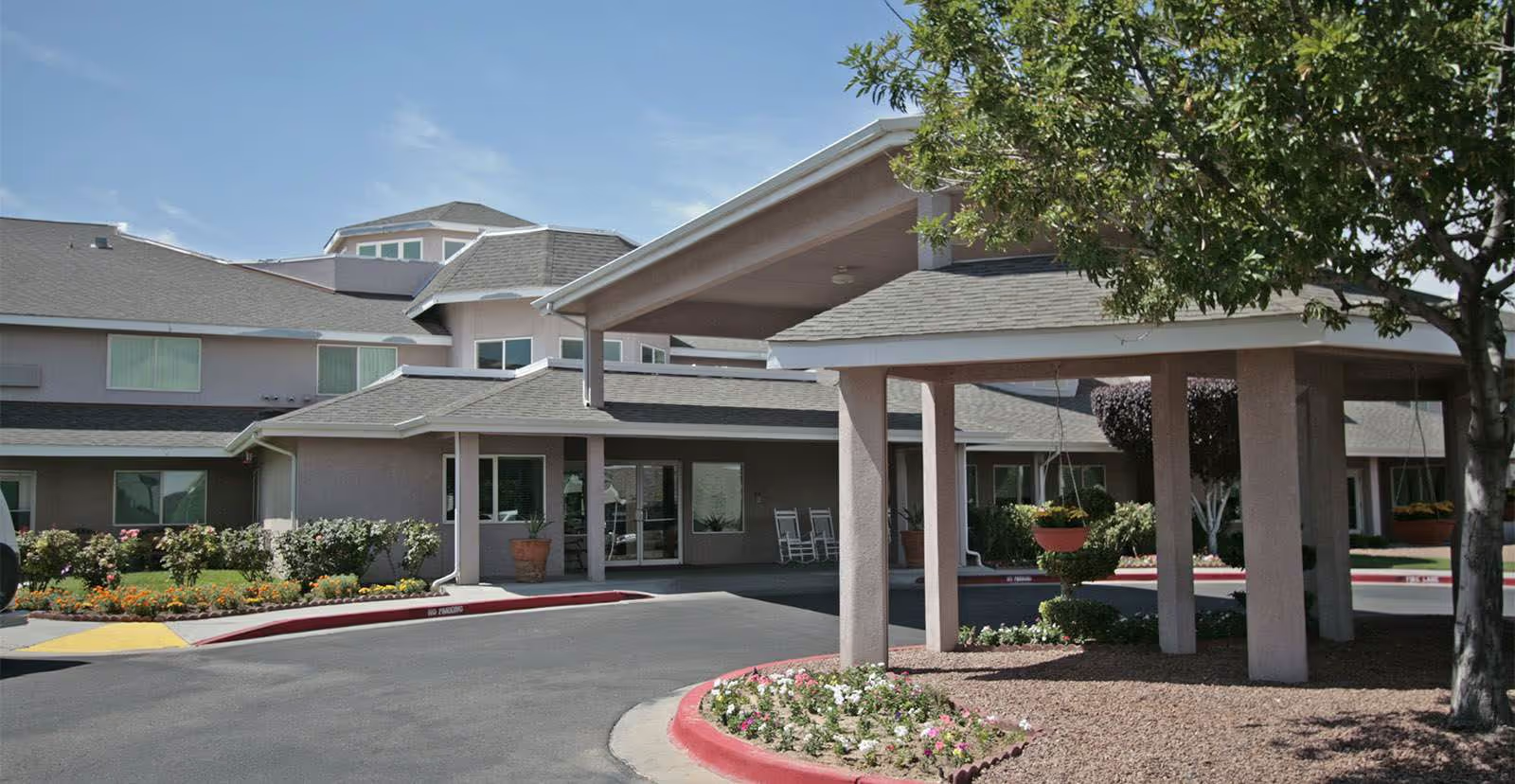
Dining, activities, and amenities: The facility offers engaging communal spaces, social events, and opportunities for resident involvement in menu planning. Kitchen staff are cited as accommodating special diets, and residents have access to pet visits and social programming. Physical amenities include private room options, outdoor patios with views, and modern common areas; some reviewers described these spaces as attractive and well maintained. At the same time, several reviews note that certain rooms and décor are dated and that housekeeping/room-cleaning consistency varies.
Safety, facilities, and management: Safety and operational controls are a recurring concern. Key patterns include inconsistent cleaning in some resident rooms and bathrooms, equipment maintenance issues (call-button and telephone functionality), security lapses at unattended entrances, and insufficient staffing at particular times. There are also notable comments about coordination with physicians and discharge planning practices that warrant verification. An isolated but serious theme that appears in reviews is concern following clinical outcomes, including an account linked to a resident death; these descriptions highlight the need for careful inquiry into the facility's emergency escalation and infection-control protocols. Additionally, there were allegations regarding review manipulation that may affect public perception.
What prospective families should consider: The Village at Northrise appears to provide high-quality rehabilitation and has many staff members who are compassionate and effective. At the same time, reviewers describe enough operational variability that families should perform targeted due diligence. Recommended questions include: current staffing ratios by shift and unit; wound-care and infection-control protocols; medication administration and insulin-safety procedures; average response times for call lights; equipment maintenance policies; physician-communication and discharge processes; and cleaning/housekeeping schedules. An in-person visit focusing on the unit(s) under consideration, interviews with social services and therapy staff, and verification of credentials and incident-handling procedures will help clarify whether the facility’s strengths align with a prospective resident’s needs.