Overall impression: Reviews emphasize a consistently strong interpersonal culture among caregiving staff. Many families and residents describe staff as friendly, patient, gentle and communicative; individual caregivers were named positively and several accounts highlight attentive, respectful interactions. Clinical care and therapy are also commonly praised—reviewers cite effective rehabilitative services and a high level of personal-care attention that has contributed to residents making progress or appearing comfortable.
Care and staff: The dominant strength cited is the caregiving team. Staff are characterized as compassionate, personable, and responsive, which appears to drive much of the positive resident experience. At the same time, reviewers raise operational concerns that affect care delivery: staffing shortages and coverage gaps were mentioned as a recurring operational constraint, and some reviewers expressed uncertainty about consistency of rehabilitation planning and outcomes. There are also isolated remarks indicating concerns about staff communication tone, which suggest variability in staff conduct rather than a uniformly negative pattern.
Dining and activities: Direct comment on dining was minimal across the summaries; no clear pattern about meal quality or service emerged. Activities and social engagement received positive notes: observers reported residents appearing to enjoy communal life and express satisfaction, and several families described their relatives as happy and well cared for socially.
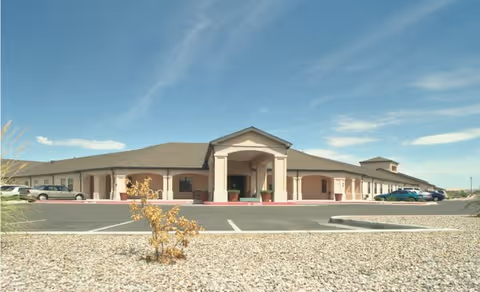
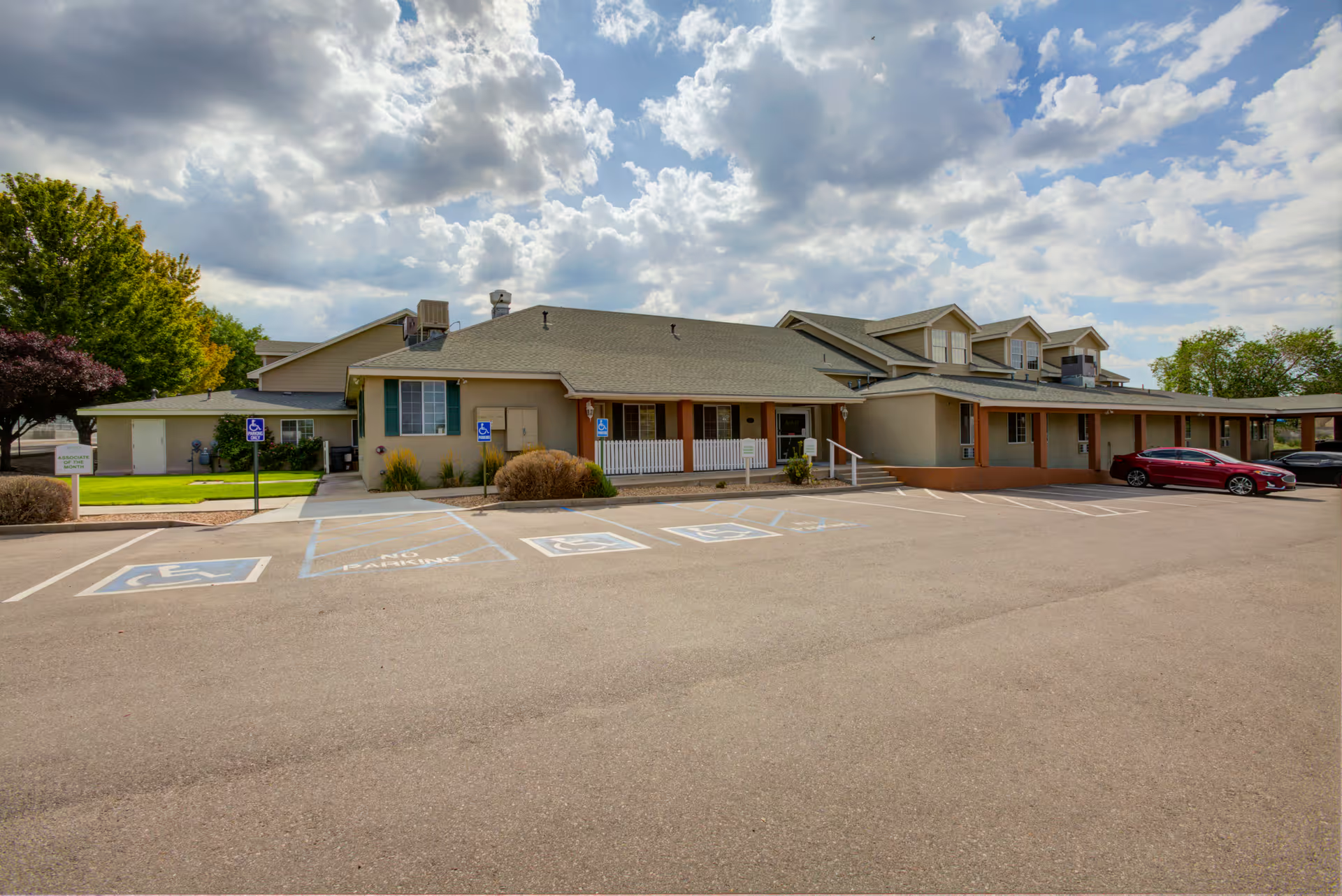
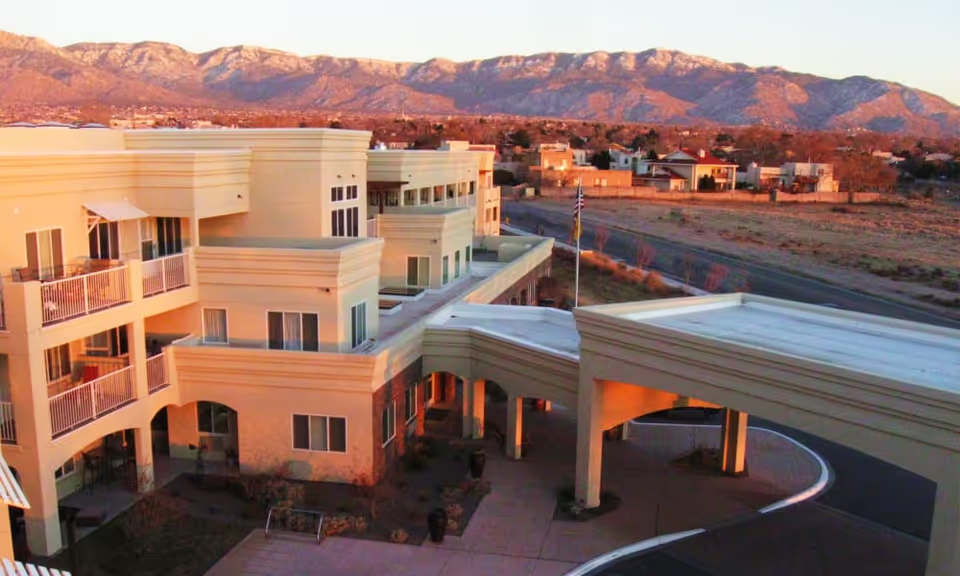
Facilities and sanitation: Facility-level issues are mixed. Several reviewers described the environment as clean or improving, while others cited sanitation concerns and said parts of the building need maintenance. The pattern is one of variability—some areas and visits feel well-maintained, while others show signs of deferred upkeep. This inconsistency may be contributing to differing perceptions of cleanliness and overall environment.
Management and notable patterns: Management appears to be delivering strong person-centered care through its staff, but operational weaknesses are evident. The main themes are understaffing, inconsistent facility upkeep, and uneven experiences between residents (some thriving, one or two expressing a desire to leave). Prospective families should weigh the facility’s clear strengths in caregiving and therapy against the potential for variability driven by staffing levels and maintenance. If possible, arrange multiple visits at different times of day, ask about current staffing ratios and recent maintenance initiatives, and request specifics about rehabilitation plans and communication protocols to assess fit.