Overall impression: Reviews describe a facility with strong strengths in staff engagement and around-the-clock clinical availability, paired with uneven operational consistency across units. Many families emphasize that compassionate, professional caregivers and a 24-hour clinical presence are notable assets; others describe markedly different experiences that point to variability in day-to-day care practice.
Care and clinical quality: The facility receives frequent praise for attentive, empathetic staff who provide support for mental-health needs including PTSD and disability-related care. Intake assessments are described as thorough, and several accounts speak to staff who go beyond basic duties to support residents and families. At the same time, there are clear concerns about inconsistent nursing performance and conduct in parts of the facility. Some reviewers raised serious questions about medication practices and the effectiveness of discharge planning; one or two accounts framed these as matters warranting formal review. These contrasting reports suggest that clinical quality may depend heavily on unit staffing and local leadership.
Staff and family communication: Communication and family support are repeatedly noted as strengths. Families report feeling listened to during tours and appreciative of staff who provide updates and emotional support. However, administrative responsiveness is uneven: difficulties obtaining medical records and contacting records personnel were specifically highlighted, indicating a process gap that can complicate care transitions and family coordination.
Dining, activities, and culture: Dining receives positive mentions, including specific liked menu items and general camaraderie around meals. Reviewers also reference an engaging communal atmosphere and social interaction among residents. The facility’s approach to admissions and social routines (including standardized clothing and unit culture) was described as distinctive; some families found the environment welcoming and supportive, while others perceived it as institutional in certain units.
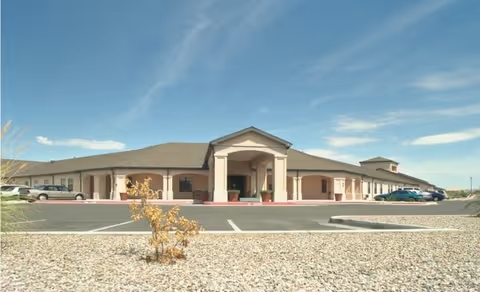
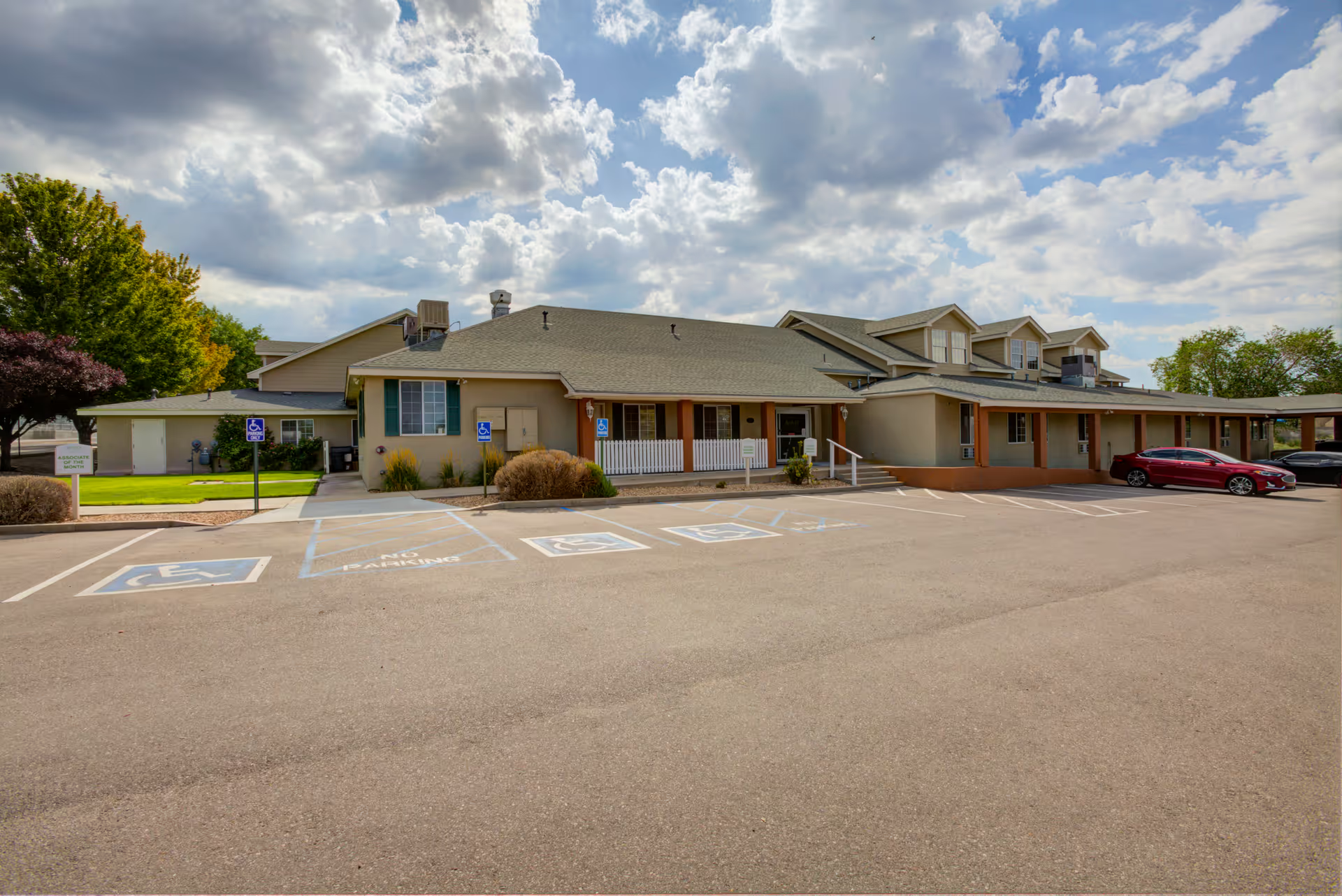
Facilities and management: Physical conditions appear variable by unit. Descriptions of some areas suggest lower-tier room quality and maintenance issues, while other units and common areas are viewed more favorably. Concerns about adherence to clinical codes and policy consistency were raised and characterized by reviewers as significant enough to merit investigation in a few instances. Administrative processes such as record retrieval and discharge coordination were identified as operational weaknesses that management could address.
Notable patterns and considerations for families: The dominant positive pattern is strong interpersonal care from many staff members and a capacity to provide continuous psychiatric attention. The dominant negative pattern is variability—across nursing competence, unit cleanliness, medication management practices, and administrative responsiveness. Prospective residents and families would benefit from touring specific units, asking detailed questions about nursing staffing ratios, medication protocols, discharge planning, and records access, and observing staff–resident interactions during the visit. For cases with complex clinical or regulatory concerns, requesting clarification of policies in writing and confirming escalation pathways with leadership may be prudent.