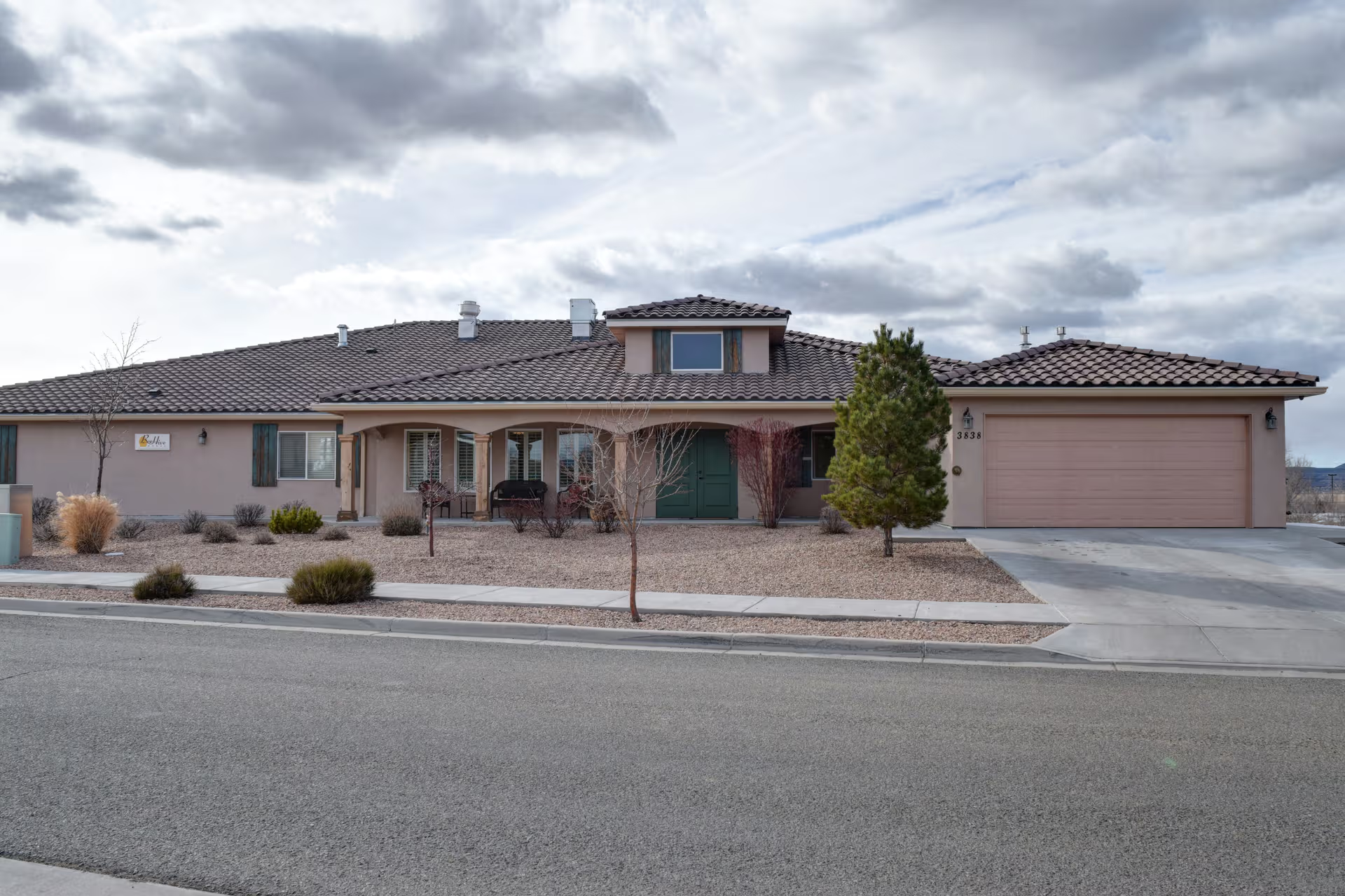
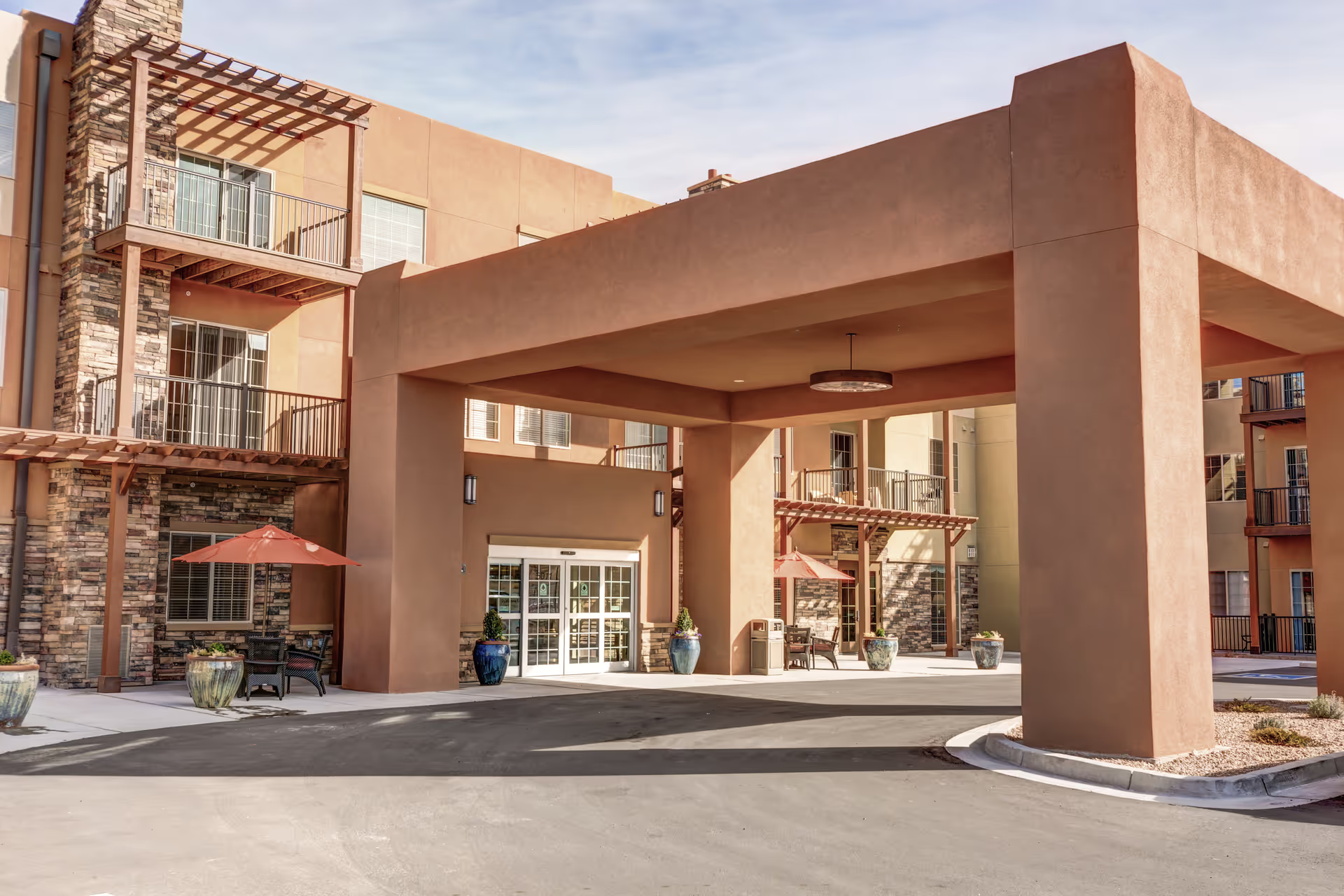
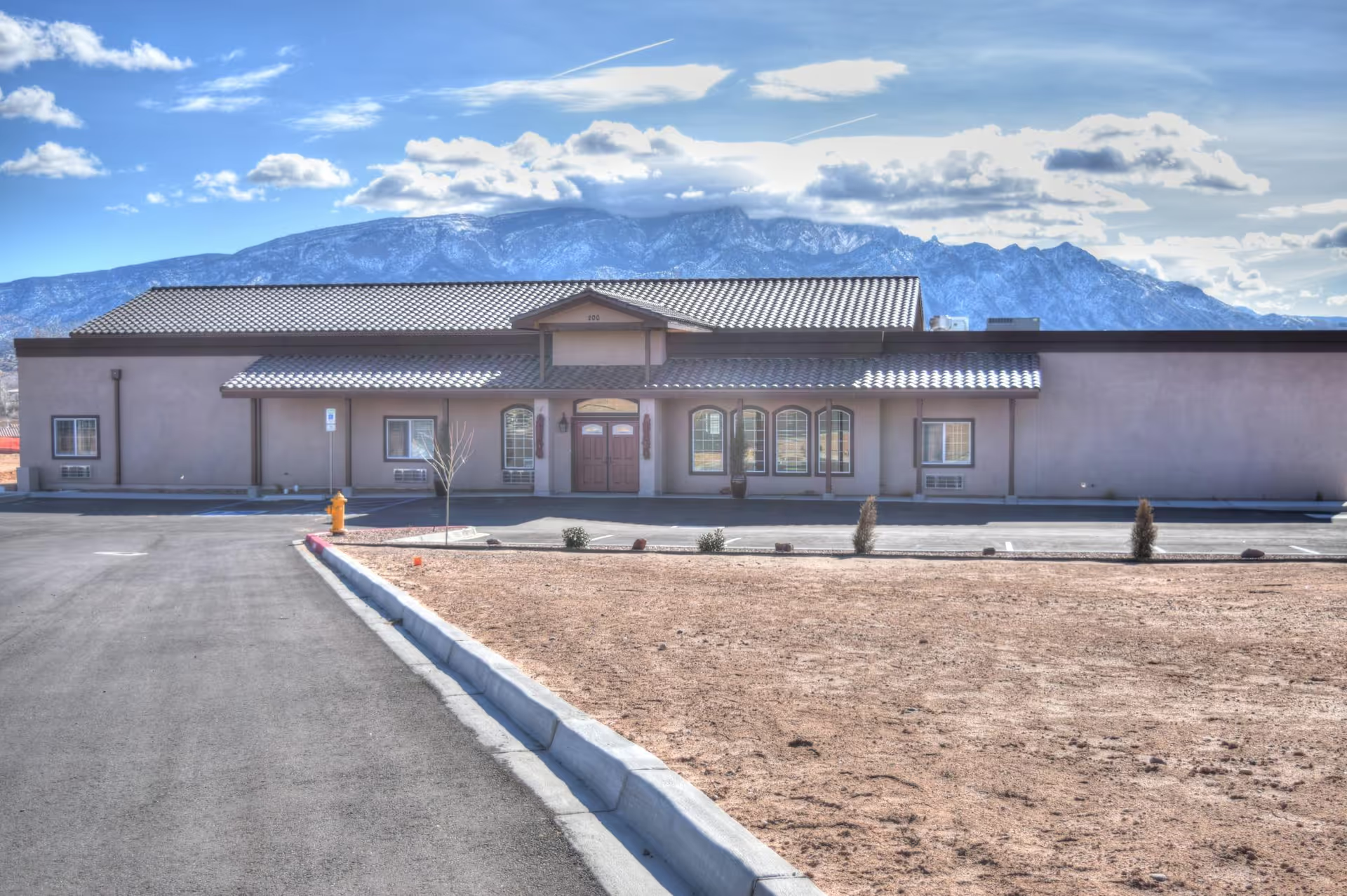
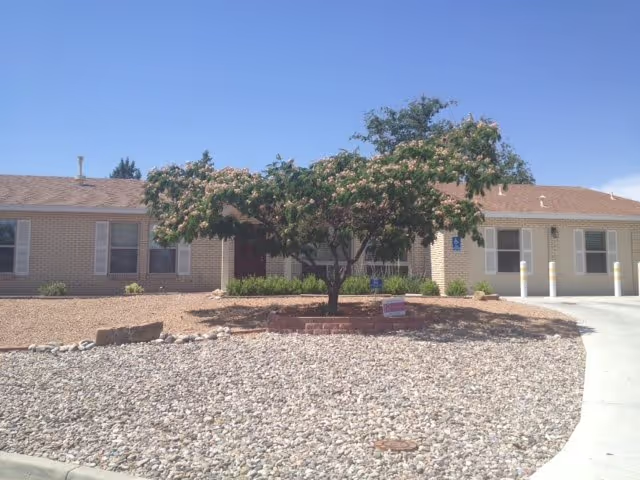
Sombrillo Nursing & Rehabilitation Center elicits a mix of positive and critical experiences. Many accounts highlight a consistently compassionate direct-care team and a strong rehabilitation program; occupational and physical therapy services are often described as effective at producing measurable progress, and discharge coordination (including oxygen setup) is frequently cited as efficient. Admissions staff and certain coordinators receive favorable mention for professionalism and helpfulness. Facility strengths also include clean, regularly serviced resident rooms, a well-maintained garden and grounds, and a variety of daily activities and social programming that families find engaging.
Care and staffing perceptions are broadly positive but uneven. Numerous comments describe attentive, knowledgeable caregivers who support residents’ daily needs and therapy goals; however, reviewers also report intermittent staffing shortages and periods when staff appear busy, which correspond with longer wait times for assistance and concerns about timeliness of care. There are repeated references to clinical and medication-management issues — examples include medication-administration concerns and missed or poorly communicated clinical appointments — suggesting gaps in clinical oversight and the need for stronger medication and care-coordination protocols.
Dining and activities receive mixed assessments. Some families praise ample portions, pleasing meals, and social dining opportunities; others note a decline in food quality following organizational changes and describe menus that are heavy on starches. Recreational programming is a consistent bright spot: organized activities such as bingo, gardening, chair exercise, bean-bag toss and musical performances are noted as meaningful engagement options for residents.
The physical environment is generally described as clean and orderly, with daily housekeeping and well-kept outdoor spaces. At the same time, there are inconsistent cleanliness and infection-control perceptions across accounts. Room configuration and accommodations are a recurring operational constraint: many residents are placed in shared rooms, private rooms are limited and carry higher fees, and some bathrooms and room sizes are described as small.
Operational and administrative issues emerge as another theme. Families report communication gaps with management and care teams, billing and pricing confusion (including changes in pricing or transfers without clear notice), and restrictive visitation policies during public-health events that affected family access. A small number of accounts raise serious concerns, including allegations of significant misconduct and medication-related problems; these appear isolated but are consequential and underscore the importance of verifying current quality and oversight measures when assessing the facility.
Overall, Sombrillo appears to offer strong rehabilitation services, compassionate direct care, and a clean, activity-rich environment for many residents. Prospective residents and families should weigh these strengths against documented variability in food quality, private-room availability and cost, episodic staffing shortages, and administrative communication and billing practices. When evaluating placement, consider asking about current staffing ratios, medication-management safeguards, recent sanitation and infection-control audits, visitation policies, and options for private accommodations.