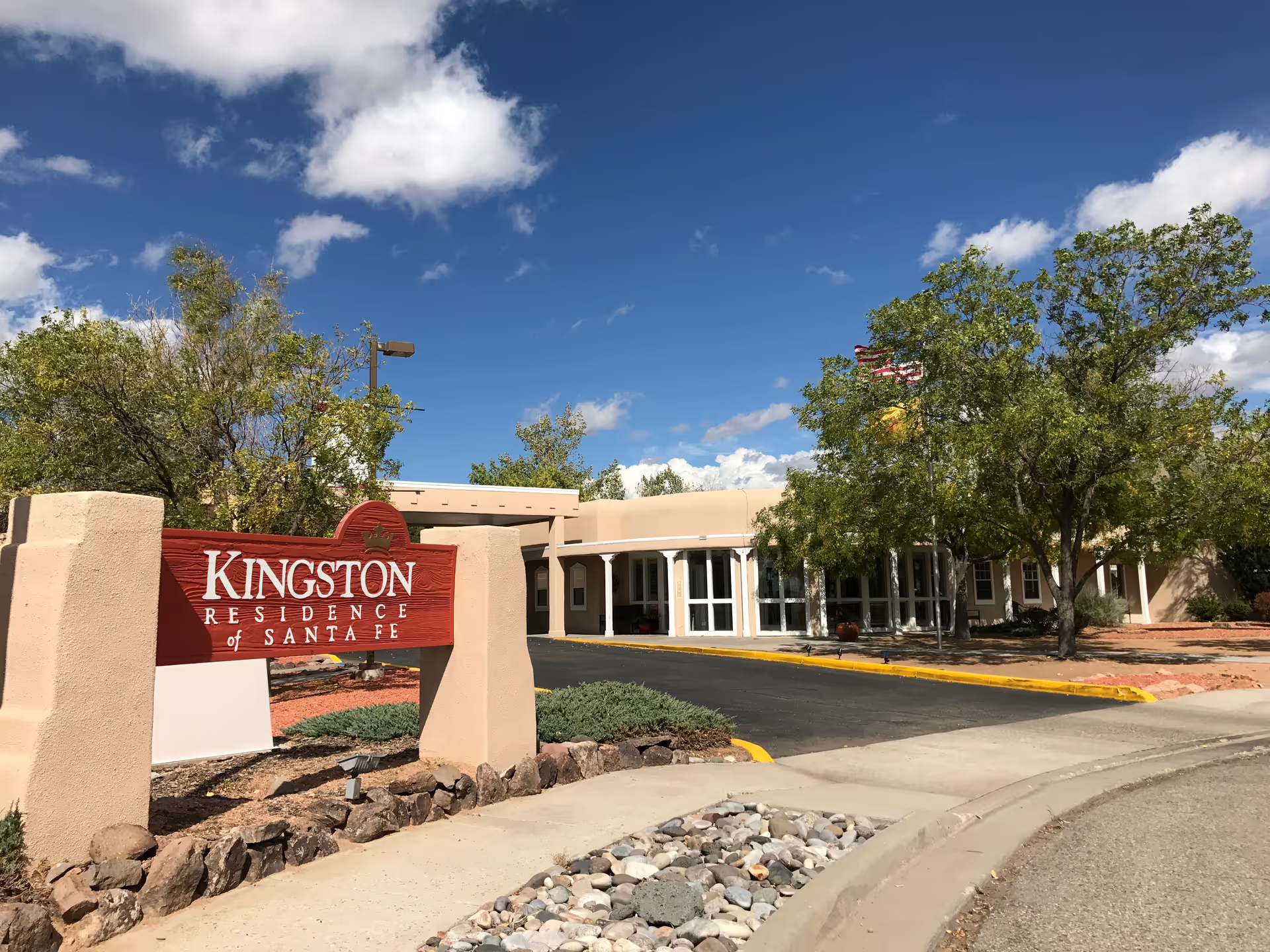
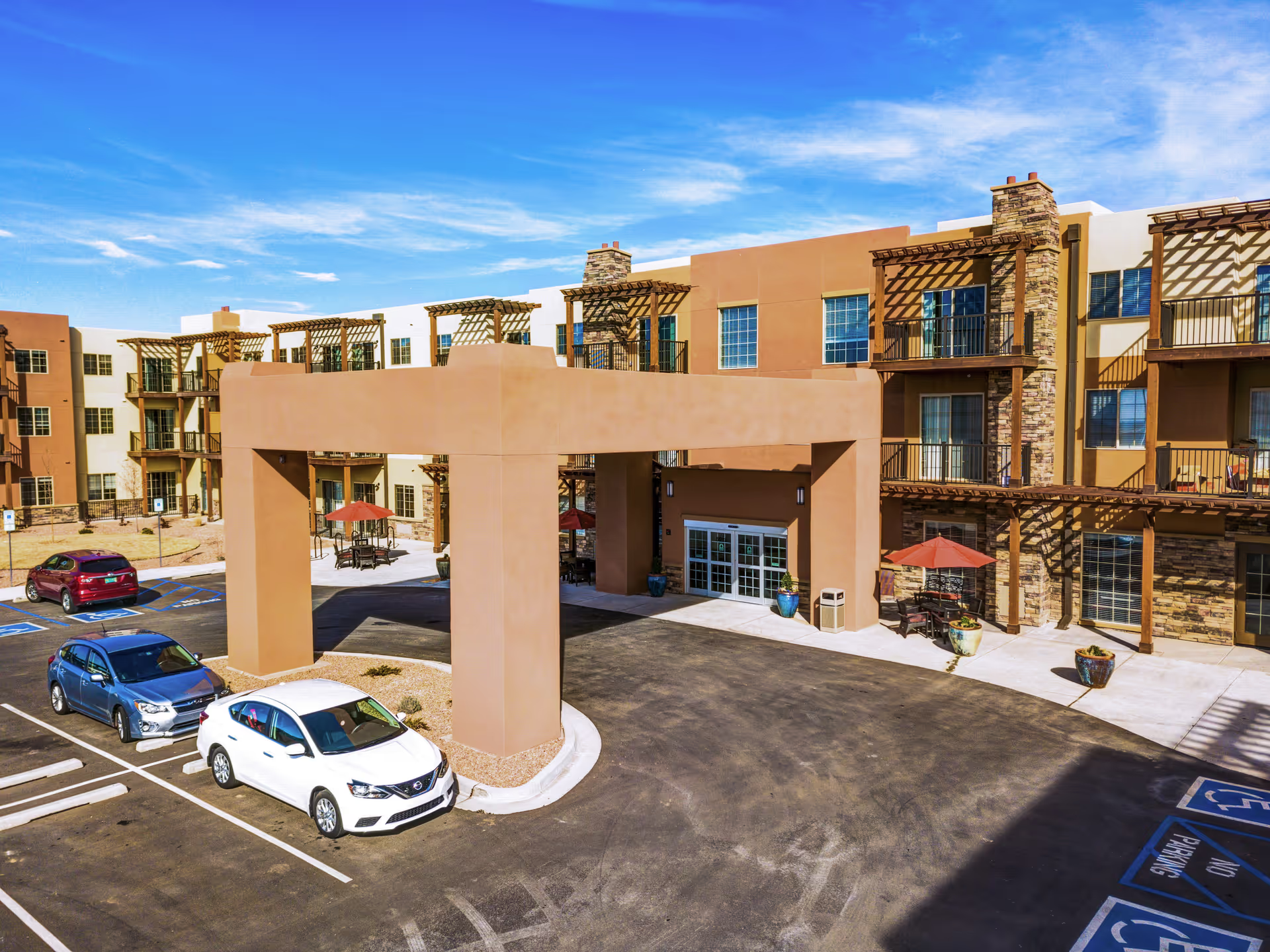
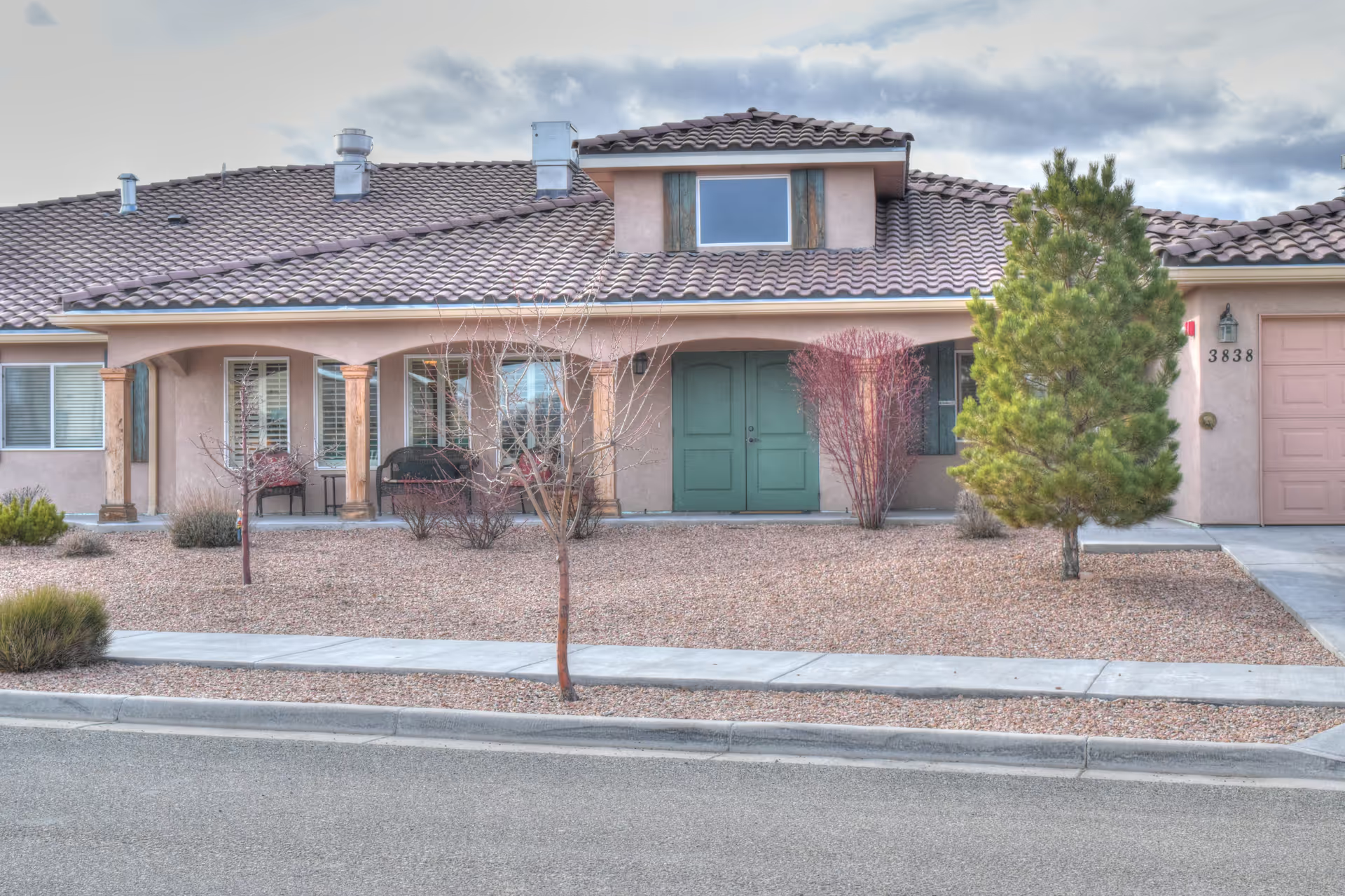
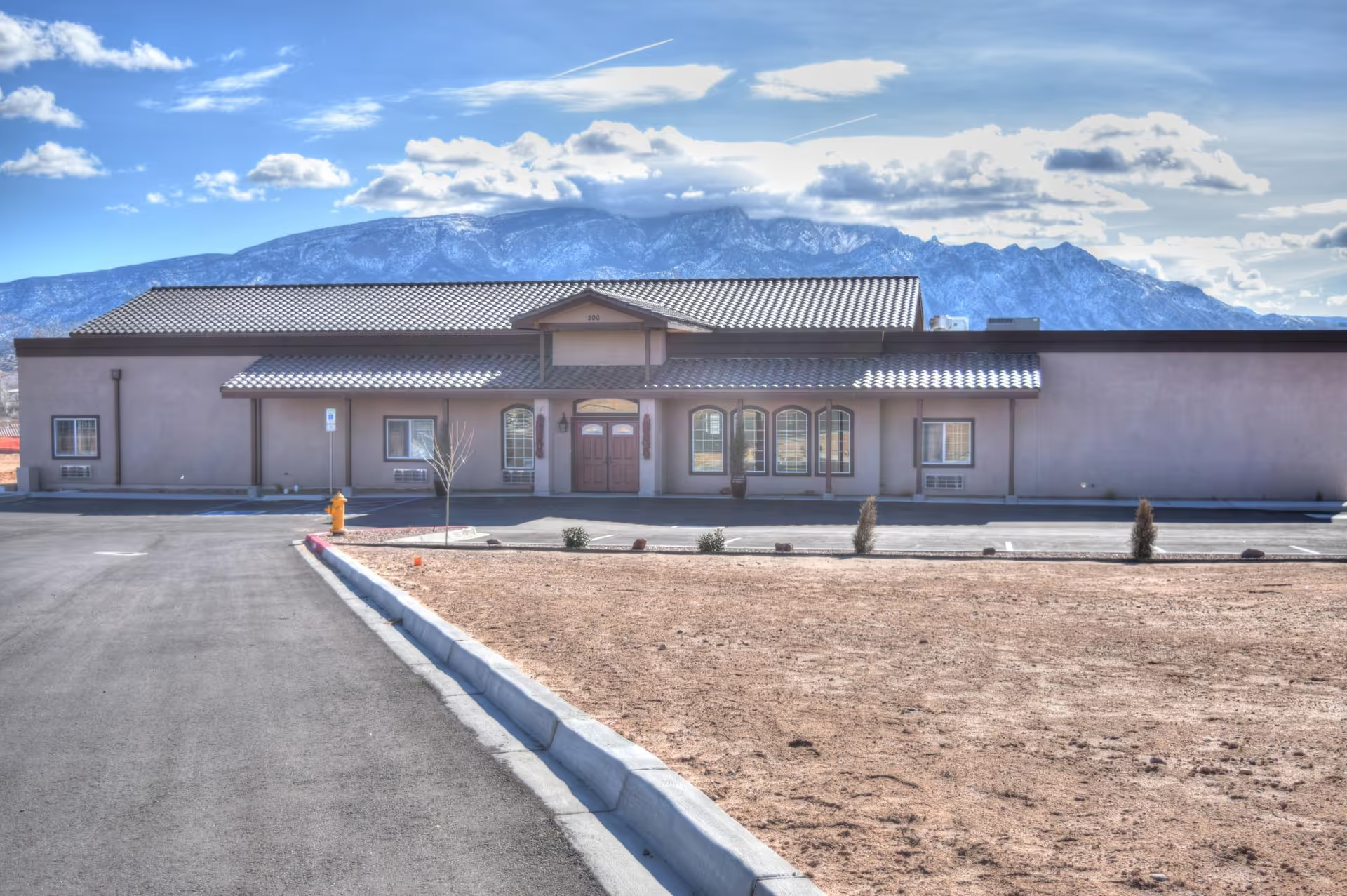
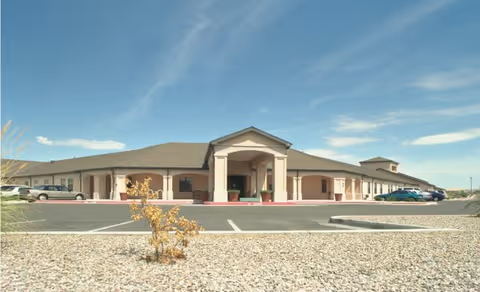
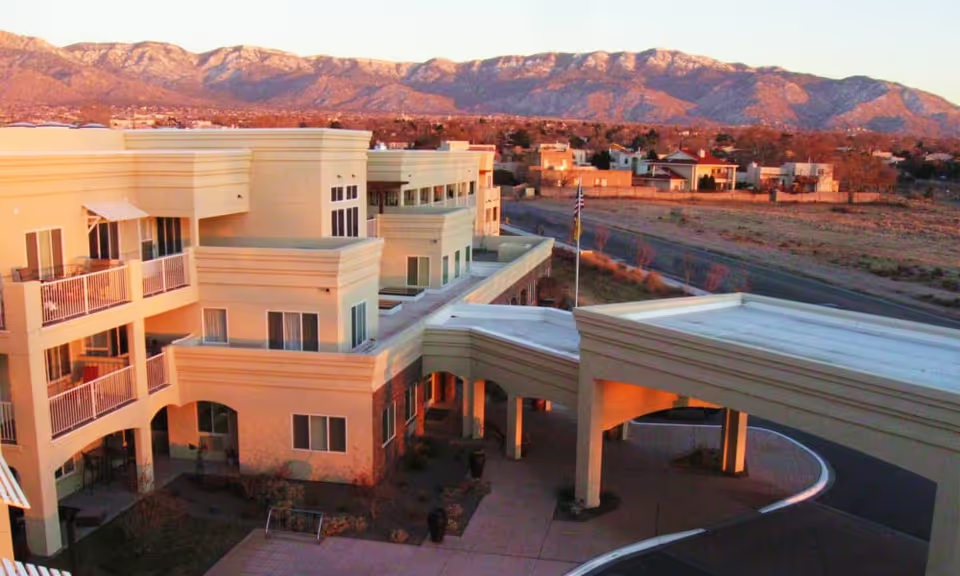
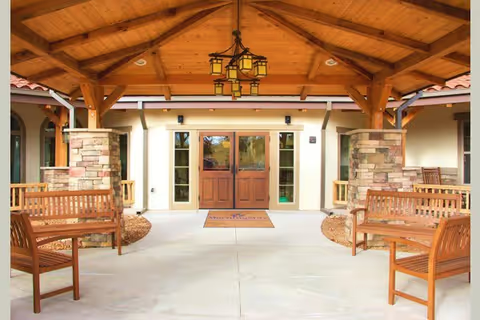
El Castillo Life Plan Community presents a mix of strong physical amenities and operational caveats. The campus is described as newer in places, dog-friendly, and attractive, with interior landscaped courtyards, a fenced dog run, and well-maintained grounds. Apartment layouts — especially one-bedroom units with full kitchens — receive positive notes for livability. The community benefits from a downtown Santa Fe location and connection to a sister community with an established history; some amenities such as a pool are located at that sister campus and are reachable by shuttle. There are newer units alongside older, darker rooms in courtyard-facing areas; availability is limited and a long waiting list is common.
Care quality and staffing elicit mixed impressions. Many reviewers highlight caring direct-care staff, a favorable staff-to-resident ratio, and multiple RNs on duty with the ability to transition residents across independent, assisted, and nursing care. At the same time, others describe staffing shortages, workload pressures, and variable team dynamics — including concerns about staff conduct, clique-like interactions, and inattentiveness to prospective residents. There are also divergent perceptions about nursing availability and end-of-life care quality; prospective families should verify current clinical staffing levels and policies for higher-acuity needs.
Dining is frequently praised: reviewers note very good food, varied cooking, buffet options with menu choices, a bistro and deli, and friendly dining staff. Contract terms appear to affect meal access (some residents have a single meal-credit included), so meal inclusion varies by residency agreement. Activity programming and social engagement range widely in accounts — from reports of abundant activities, happy hour, and active programming to reports of minimal offerings. This suggests that activity availability may depend on unit type, resident interest, or staffing levels.
Operational and policy considerations are notable. Multiple reviewers describe slow or inconsistent follow-up from admissions staff and limited touring opportunities. There are references to restrictive policies affecting visitor access, memory-care unit access, and external caregivers or mobility-assist devices; these policy elements can materially affect daily life and care transitions. Pricing is commonly identified as high with an upfront buy-in model. Management impressions are polarized: some praise recent changes in leadership and improved operations, while others describe inconsistent managerial responsiveness and culture. Finally, several practical items recur across accounts — certain amenities are offsite and shared with a sister campus, some units are dated, and immediate move-in availability is often limited.
For prospective residents and families: verify the specific contract details that govern meals, guest and caregiver policies, memory-care access, and transition pathways to higher levels of care. Ask for current clinical staffing rosters and metrics, sample activity calendars, and a clear explanation of which amenities are on-site versus offsite. These checks will clarify how the community’s strong dining, location, and physical environment align with your expectations for clinical support, daily programming, and overall management responsiveness.