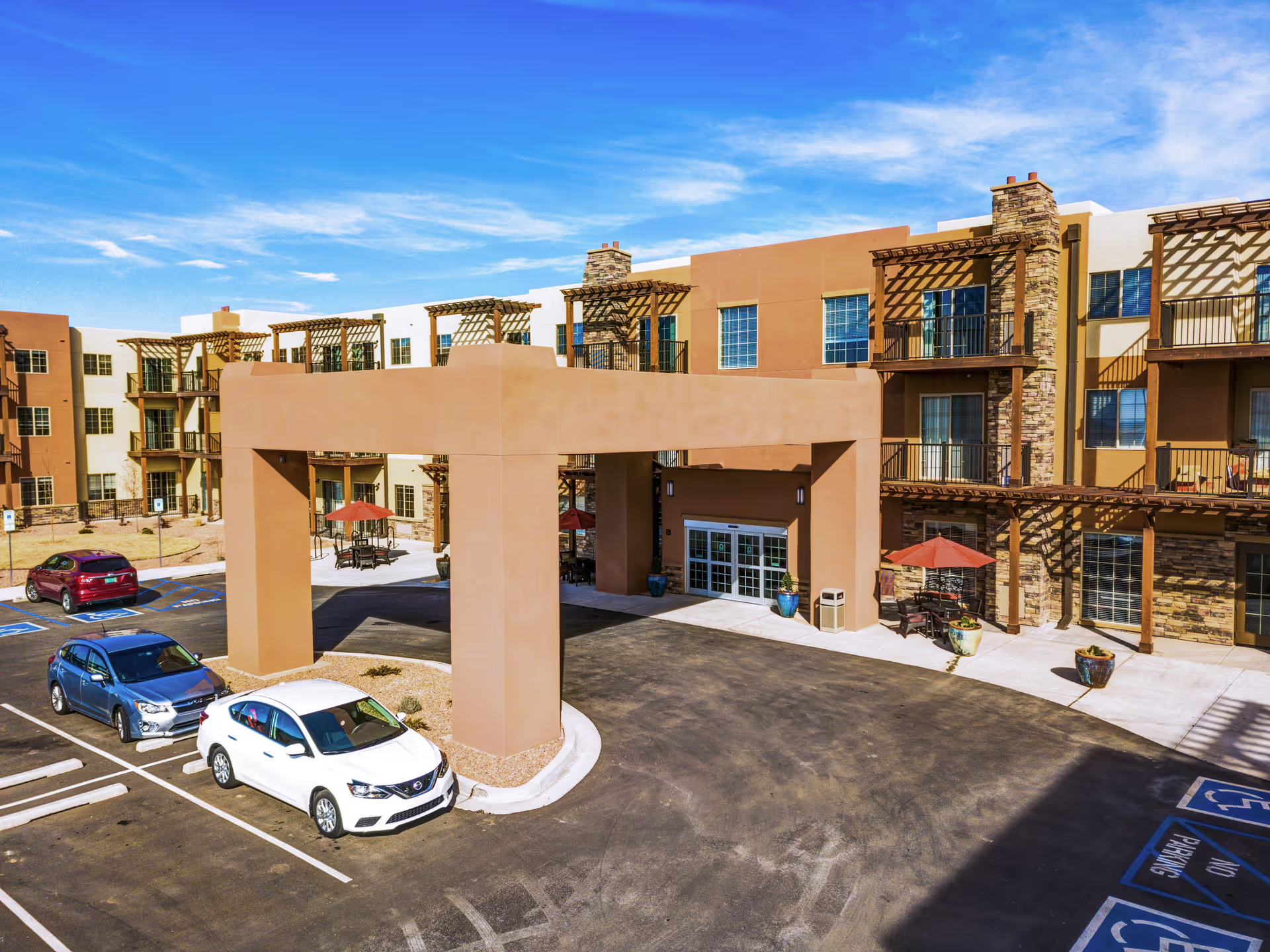
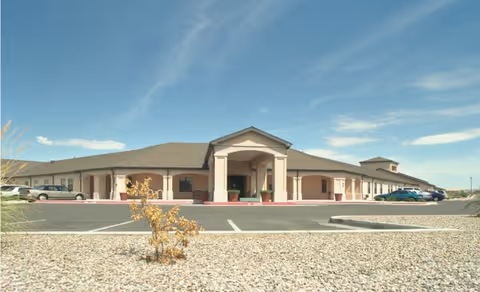
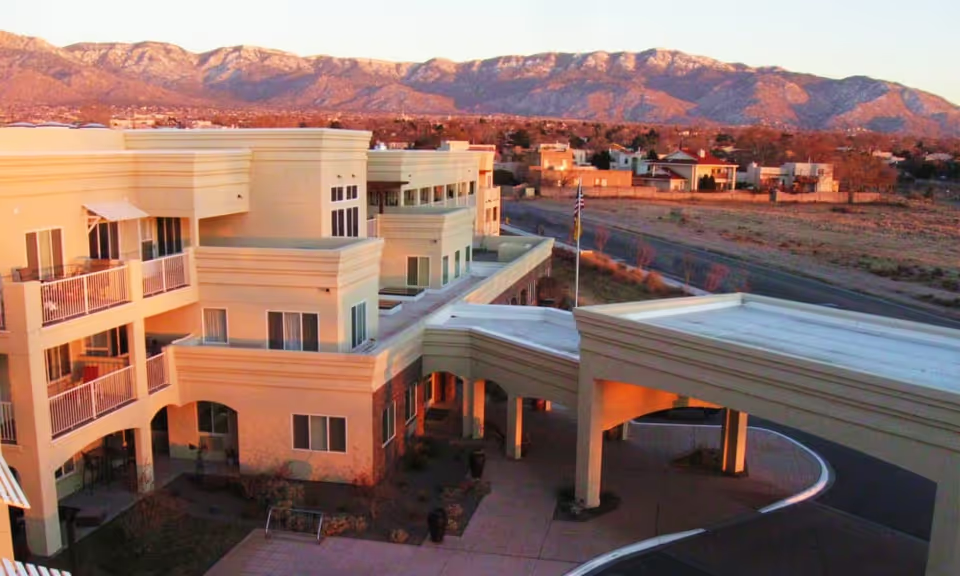
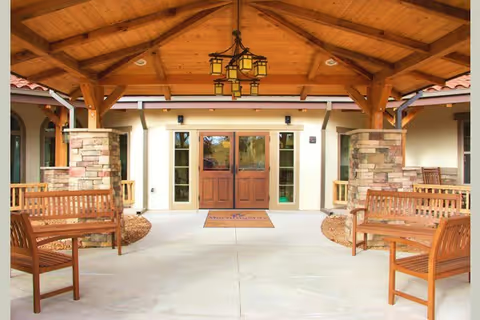
The Montecito of Santa Fe is consistently described as a well-appointed, resort-style independent living community with strong amenities and an active social environment. Reviewers praise the clean, well-maintained common areas and grounds, apartment-style units (including two-bedroom and villa options), and a broad range of on-site amenities such as a gym with a dedicated trainer, spa, pool, hot tub, salon, library, and multiple activity rooms. The dining program is frequently characterized as high quality, with diverse menu options including gluten-free and vegan choices and pleasant restaurant-style and outdoor dining spaces.
Activity programming and community life are clear strengths. The community offers a wide array of opportunities for engagement — exercise classes, games, book groups, concerts, live music, and speakers — and many reviewers emphasize an engaged, welcoming resident culture. The fitness program includes trainers knowledgeable about conditions such as Parkinson’s disease, and there are repeated positive notes about staff who organize and lead events. Maintenance and housekeeping are generally reported as responsive, and front-desk and tour staff receive positive mention for helpfulness and thorough tours.
Care and staffing show a mixed picture. Many families describe caring and communicative nursing and caregiving staff, but a pattern of operational concerns also appears in the reviews. Common themes include inconsistent staffing levels, high turnover, gaps in clinical coverage (including lack of guaranteed 24/7 RN presence), and variability in responsiveness to resident calls. A few reviewers described serious medication-management lapses and long delays in clinical response; these accounts are significant outliers that prospective families should address directly with management.
Workplace culture and human-resources processes are another recurrent area of concern. Several accounts indicate interpersonal and supervisory issues among staff and dissatisfaction with how certain personnel matters were handled. These comments suggest potential weaknesses in staff training, conflict resolution, and HR follow-through rather than uniform day-to-day care problems. Prospective residents should ask about staff retention, training programs, and HR complaint procedures when evaluating the community.
Operational limitations affect daily life for some residents. Reviewers report occasional kitchen-staffing shortages that can reduce menu variety or interrupt meal-service continuity, limited transportation capacity (often a single handicapped van), and some accessibility gaps such as a lack of automatic door openers. Some units were described as darker or smaller in layout relative to others, so unit-by-unit inspection is advisable. Cost is another recurring theme; several families consider pricing to be on the high side, and value perceptions vary depending on the level of services used.
Overall, The Montecito projects a strong independent living offering with extensive amenities, many engaged residents, and generally attentive maintenance and food service. At the same time, recurring operational patterns — staffing inconsistency, clinical coverage gaps, and workplace-culture issues — merit careful inquiry. Recommended questions for prospective families include staffing ratios and turnover, 24/7 clinical coverage and medication protocols, kitchen staffing contingency plans, transportation availability, accessibility features in specific units, and the community’s HR grievance and staff-training processes.