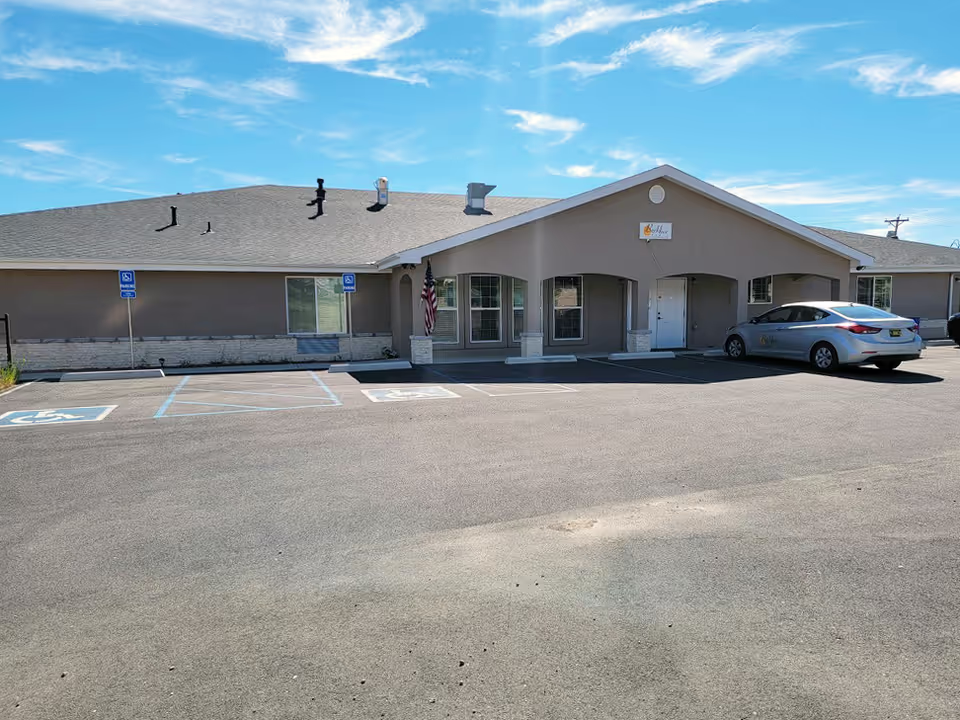
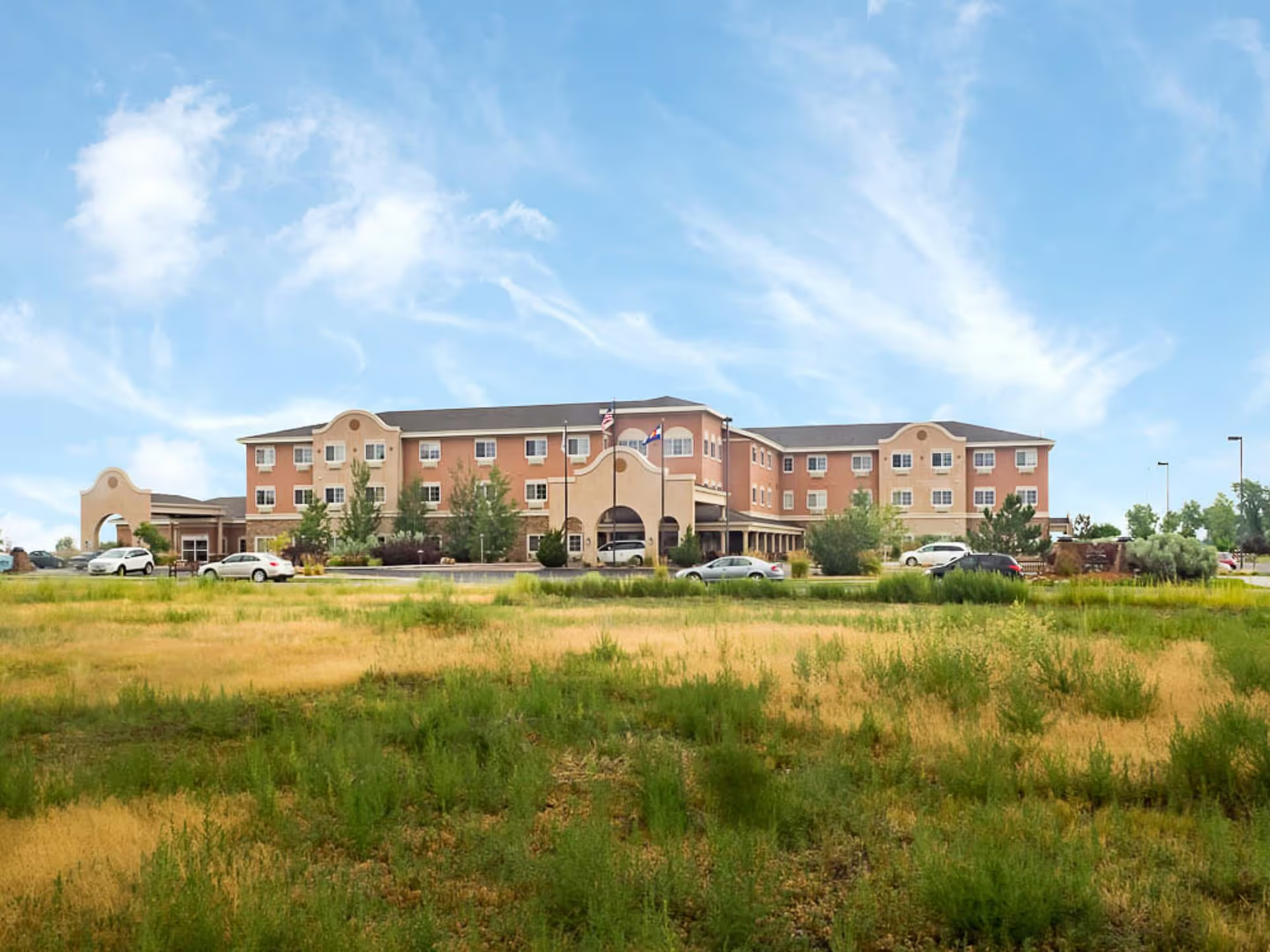
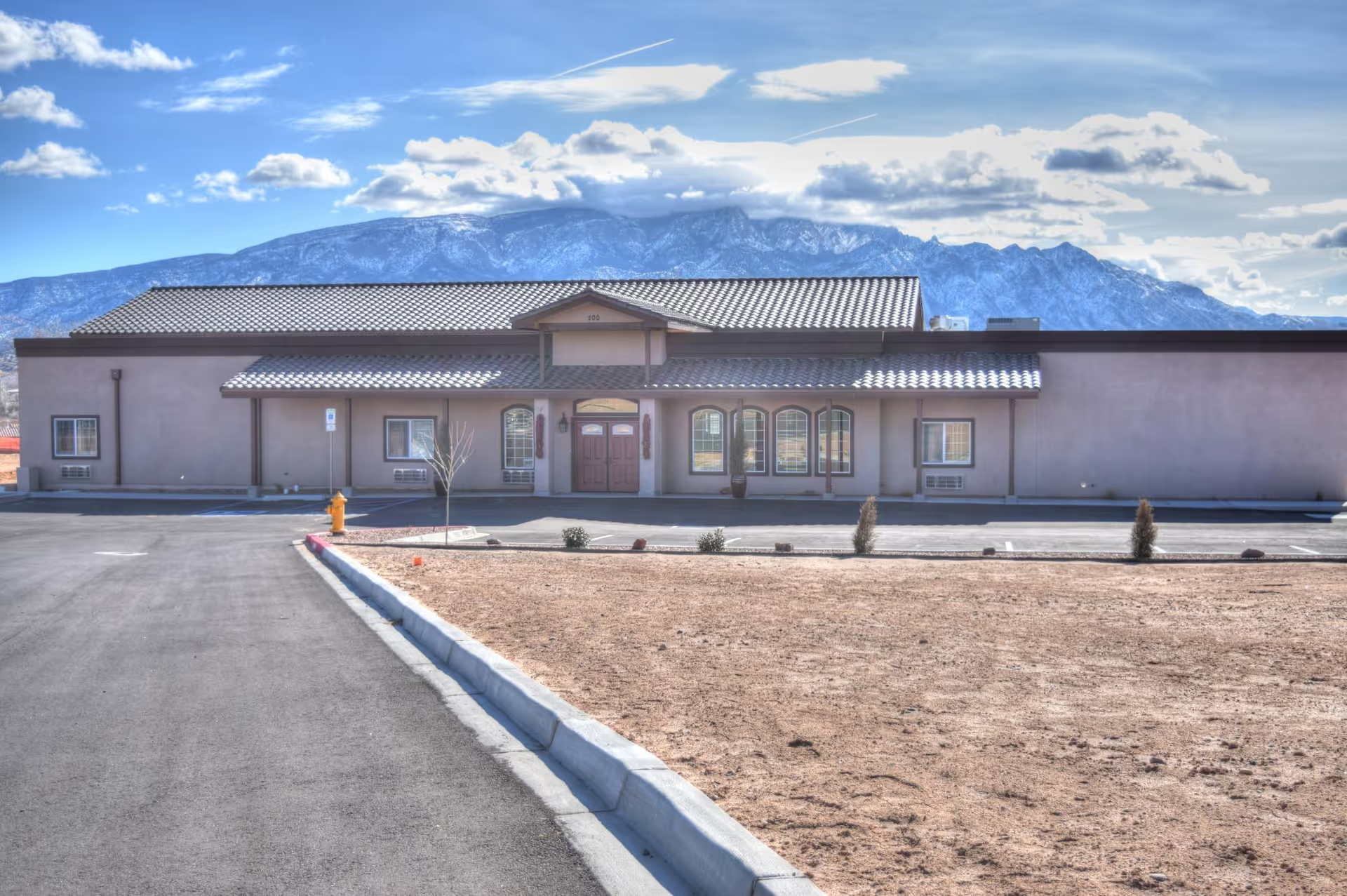
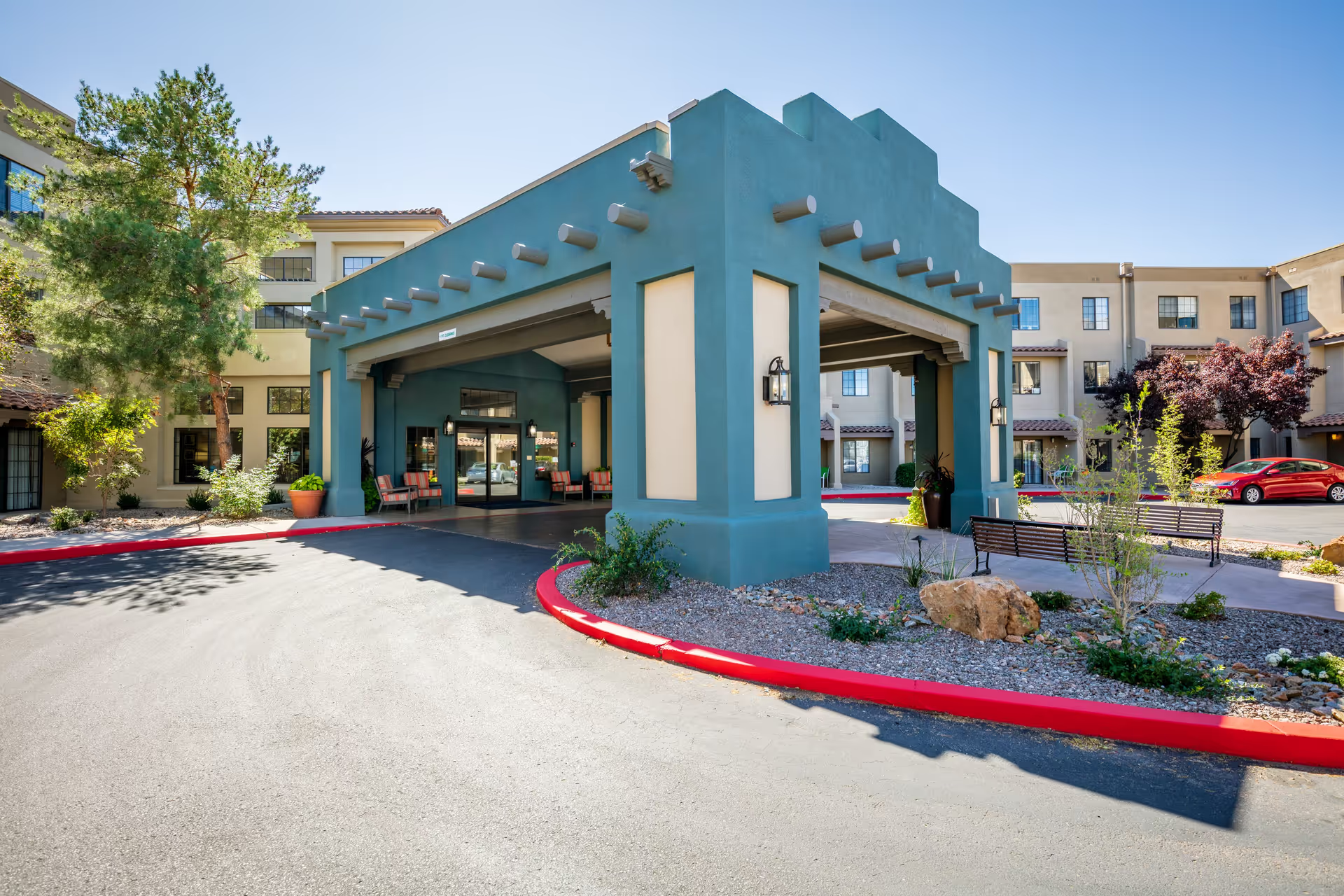
Taos Healthcare elicits strongly mixed feedback that clusters into clear strengths and operational weaknesses. Strengths center on people and programs: many families and visitors describe staff as compassionate, respectful, and willing to go beyond routine duties. Nursing and therapy teams are frequently praised for effective short‑term rehabilitation and successful discharges home, and on‑site PT/OT/Speech services are seen as a definite asset. The facility’s recreational offerings — including organized activities, outings, Bible study, nightly movies, and an engaged activities director — contribute to a lively environment for residents. Physical plant attributes such as recent remodeling, a clean environment, an exercise room, salon/barbershop, worship/recreation rooms, and enhanced entry security are also consistently noted as positive features.
Despite these strengths, operational issues recur across reviews and warrant consideration. Medication administration and timely pain management were unevenly managed in several accounts, and reviewers described delays or missed doses. Linked to this are staffing and responsiveness problems: some shifts were characterized as understaffed or slow to respond to call bells, and there are multiple comments about poor handoffs or contradictory vital signs between shifts and arriving emergency personnel. Communication gaps affect both family contact and internal coordination — examples include inconsistent phone access, missed callbacks, and difficulty arranging specialist follow‑up or transfers. These factors collectively point to gaps in clinical follow‑up, external specialist coordination, and transfer logistics.
Dining and personal-care areas show variability. Meal quality was described as ranging from excellent to poor, and several comments identified lapses in mealtime assistance for residents with special needs (for example, denture or feeding assistance). Hygiene and incontinence‑care management concerns were also mentioned, indicating inconsistent execution of routine personal‑care tasks. Operational controls for residents’ personal items and laundry tracking appear weak in some accounts, with instances of missing clothing or devices prompting family intervention.
Management and culture appear uneven: some families praised administrators who intervened effectively and recovered devices or corrected problems, while others experienced unresponsive or discourteous front‑desk or managerial interactions. Maintenance and environmental upkeep receive generally positive feedback, but room size and occasional crowding are noted as limitations. In sum, prospective residents and families are likely to encounter strong therapeutic and social programming and a caring frontline staff, but should assess continuity of nursing care, medication processes, communication systems, and personal‑care procedures during tours and conversations with administrators. Asking about staffing ratios, medication‑administration protocols, specialist‑referral pathways, laundry/item tracking, and family communication procedures will help clarify whether the facility’s operational practices match its service strengths.