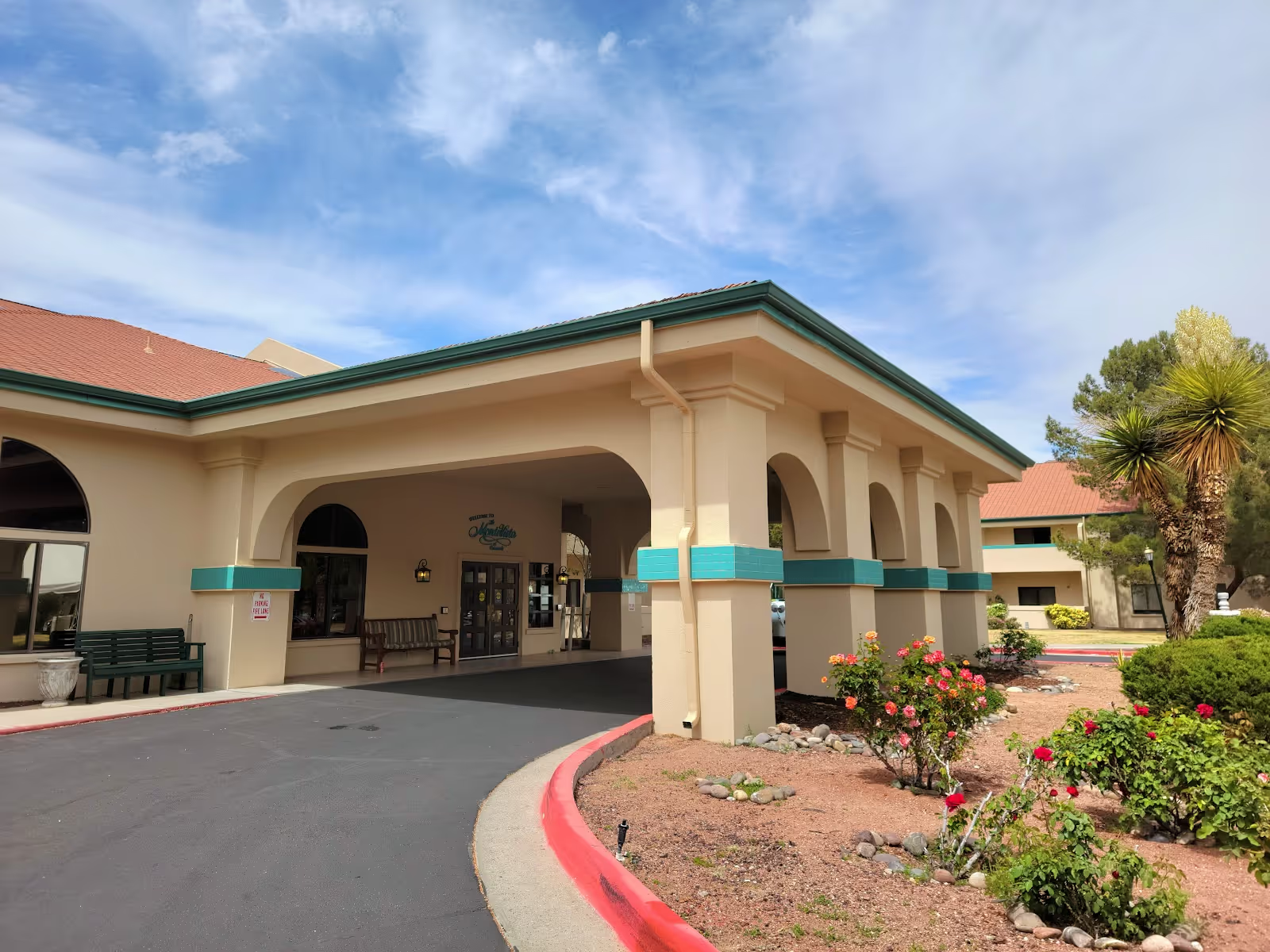
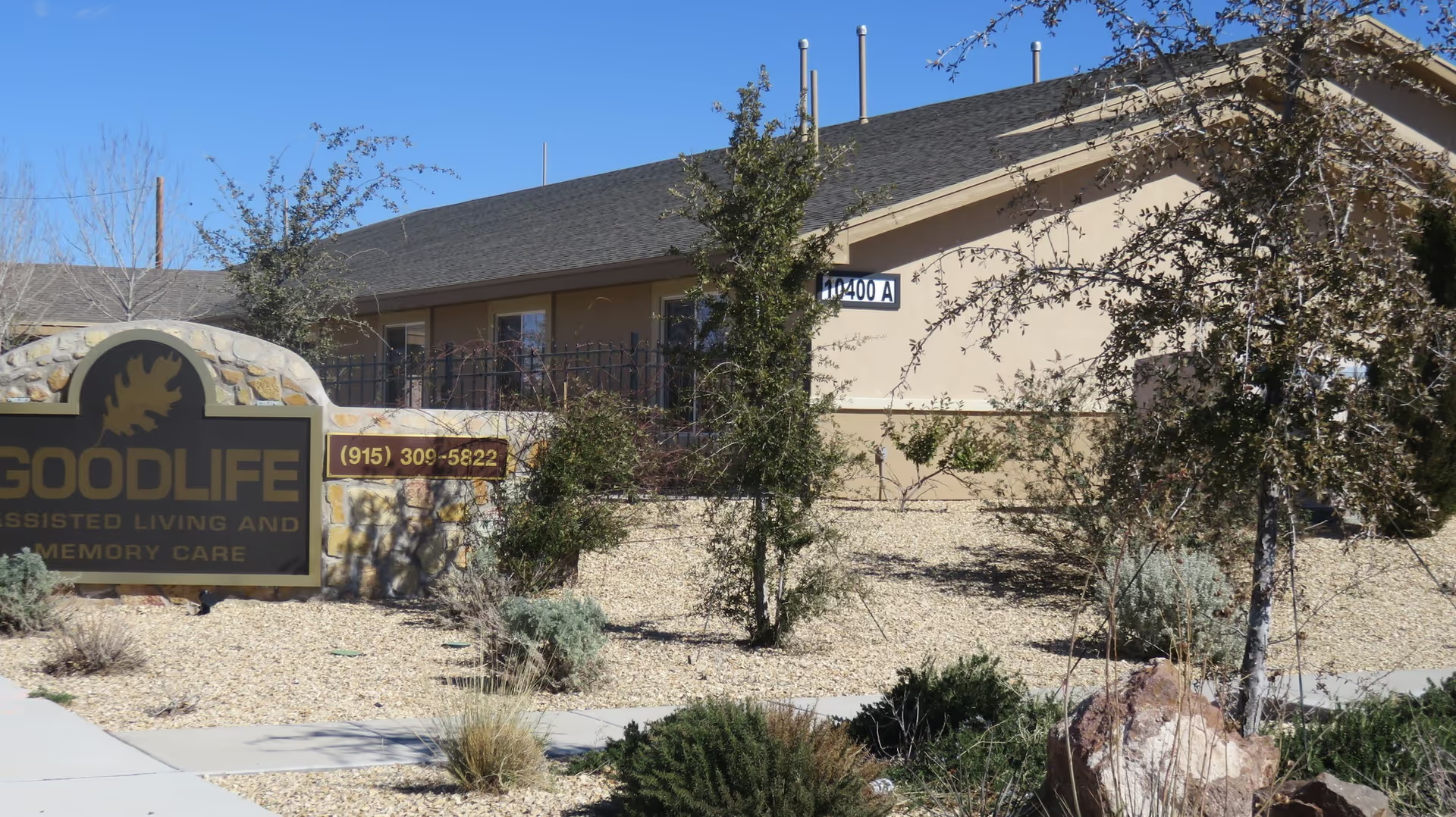
The reviews present a mixed but actionable picture of the New Mexico State Veterans Home. Many comments emphasize a clean, well-maintained physical environment, private rooms with en-suite bathrooms, and visible recent upgrades. Across multiple notes there is consistent recognition that the facility preserves a veterans-first focus and offers creative activities that encourage family involvement. Several families expressed strong satisfaction with compassionate, courteous frontline staff and described efficient daily operations and helpful responsiveness from caregivers.
Care quality appears variable. Positive accounts describe attentive nurses and aides who provide respectful, person-centered support; however, other accounts point to operational gaps that affect care continuity. The main care-related issues include delays in attending to residents' needs and concerns about infection-control and medication-administration practices (for example, lapses in protective procedure adherence). These concerns suggest a need for reinforced clinical protocols, supervision, and staff training to ensure consistent application of safety procedures.
Dining and activity programs show contrasting feedback. Activity offerings and opportunities for family participation are praised as meaningful and creative. By contrast, dining receives mixed evaluations: reviewers cited both timely, satisfactory meals and instances of late service and lower-quality food. This pattern indicates variability in meal-service consistency rather than a uniform program strength or failure.
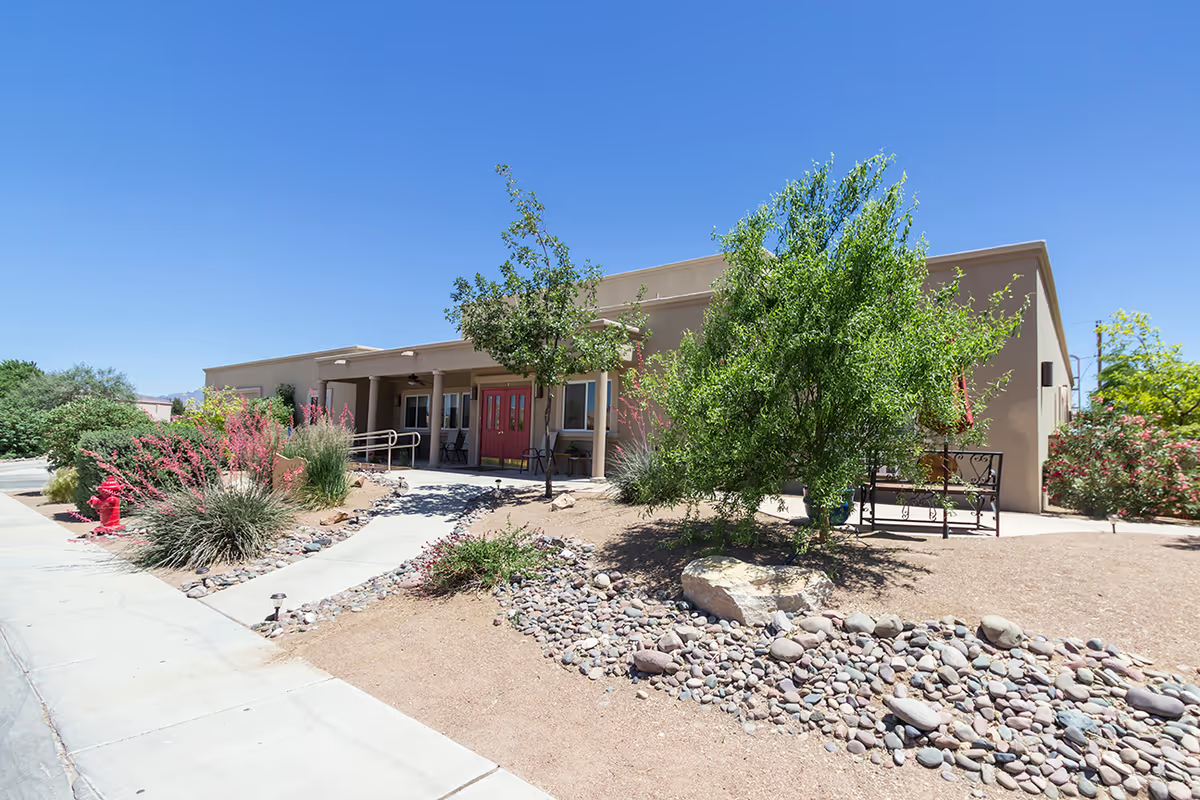
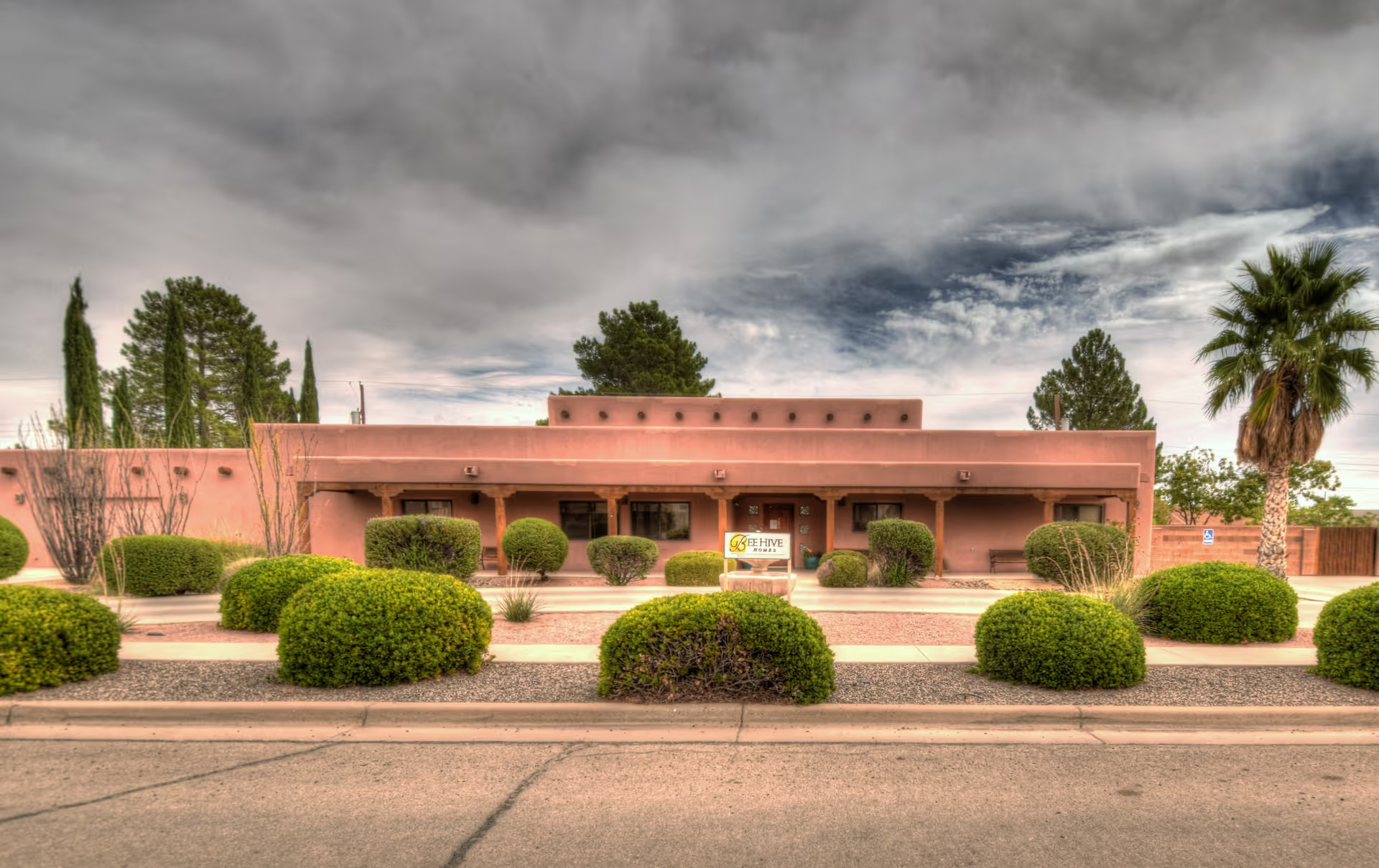
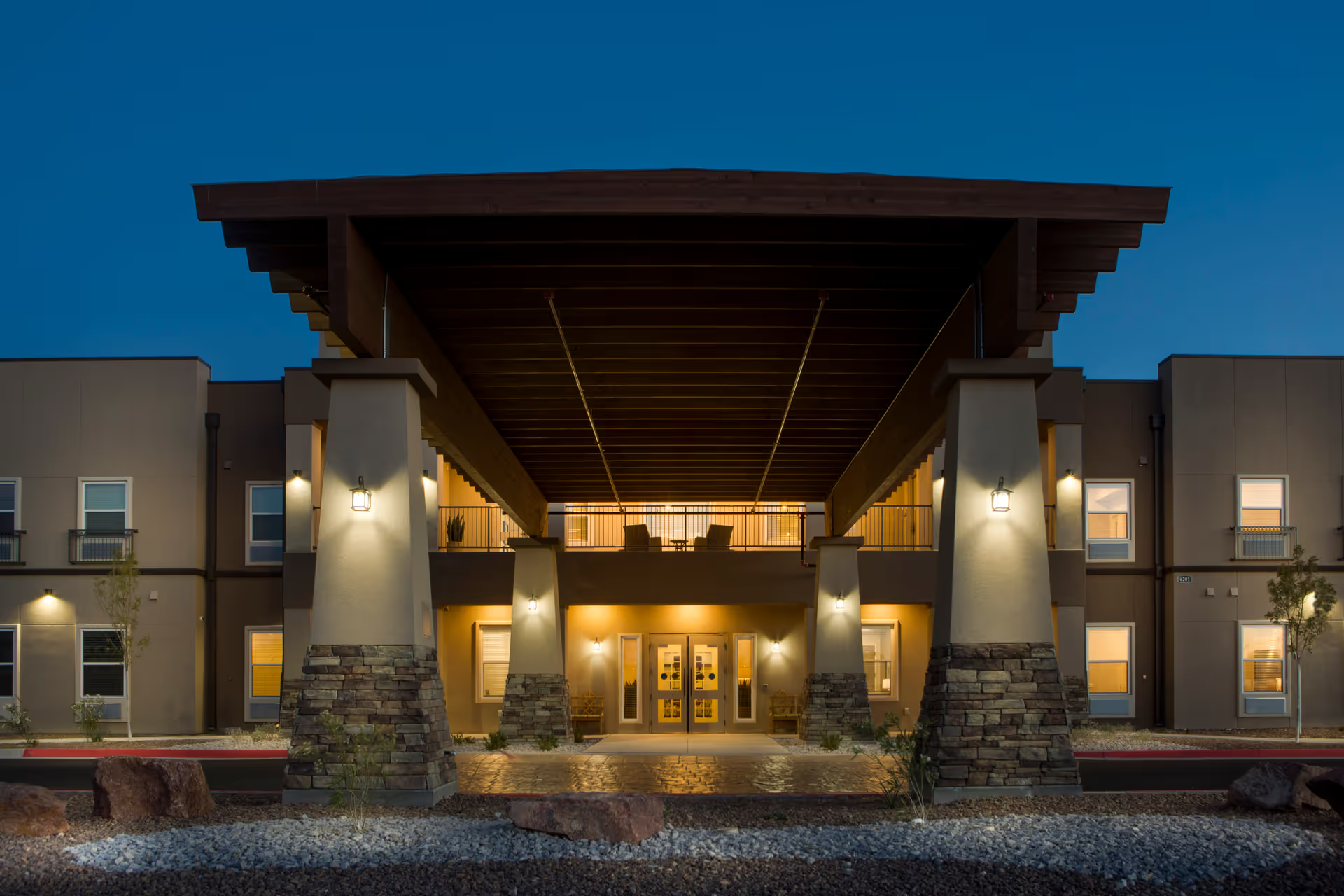
Facility and environment observations are generally positive but not uniform. Multiple reviewers noted a clean, pleasant-smelling environment and recent facility improvements; other reports described odor or sanitation inconsistencies in some areas. These divergent impressions point to uneven maintenance or localized infrastructure issues that may require focused facilities management or plumbing/pest-control follow-up.
Management and operations are another area of divergence. Some reviewers recalled competent prior leadership, while others described current administrative turnover, reliance on travel nurses, and unclear leadership continuity. Staffing instability appears linked with reports of overwhelmed staff, idle or underutilized aides, and variability in professional conduct. Communication-system shortcomings (notably phone access problems) were also mentioned and could affect family outreach and incident response.
Overall, the facility demonstrates clear strengths in veteran orientation, physical condition in many areas, and positive staff-resident interactions. At the same time, recurring operational patterns—staffing instability, inconsistent clinical safety practices, intermittent dining service quality, staff-conduct variability, and communication or facilities maintenance gaps—warrant follow-up. Prospective residents and families should consider discussing current staffing ratios, infection-control protocols, recent administrative changes, meal-service schedules, and mechanisms for family communication when evaluating placement or during visits.