The reviews portray a facility with a mix of genuine strengths and recurring operational weaknesses. Positive accounts emphasize caring, warm interactions between staff and residents, visible recreational programming (especially music and group events), on-site grooming services, and an admissions team that families found supportive and knowledgeable. Several families described meaningful, hands-on care from therapists and nurses, and noted clean, home-like common areas and acceptable food variety. These elements suggest the facility can provide a comfortable, socially engaging setting for many residents.
At the same time, a clear pattern of variability emerges across care domains. Many reviewers described inconsistent staffing levels, particularly overnight and on certain units, which they linked to long wait times for assistance and delayed responses to call lights. Those staffing inconsistencies appear to affect clinical incident response and family communication: families cited delays in notification, unclear explanations after adverse events, and uneven transparency about billing and medication costs. There are repeated operational concerns around medication-management controls and fall-prevention/transfer safety that families associated with adverse outcomes; one or more reviews raised serious concerns about medication use and clinical transfer decisions.
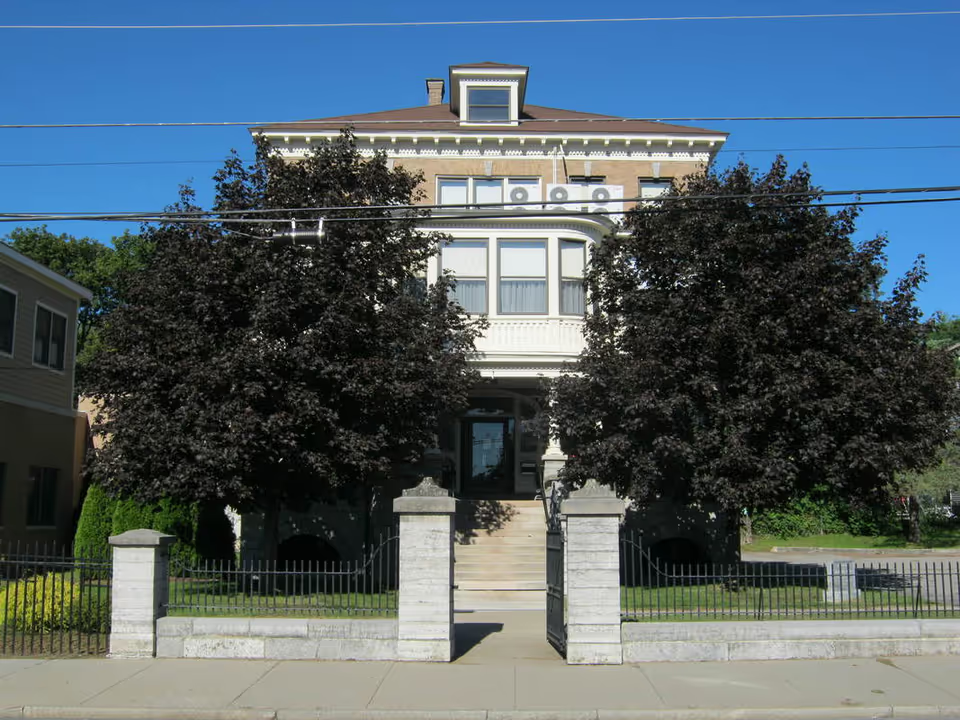
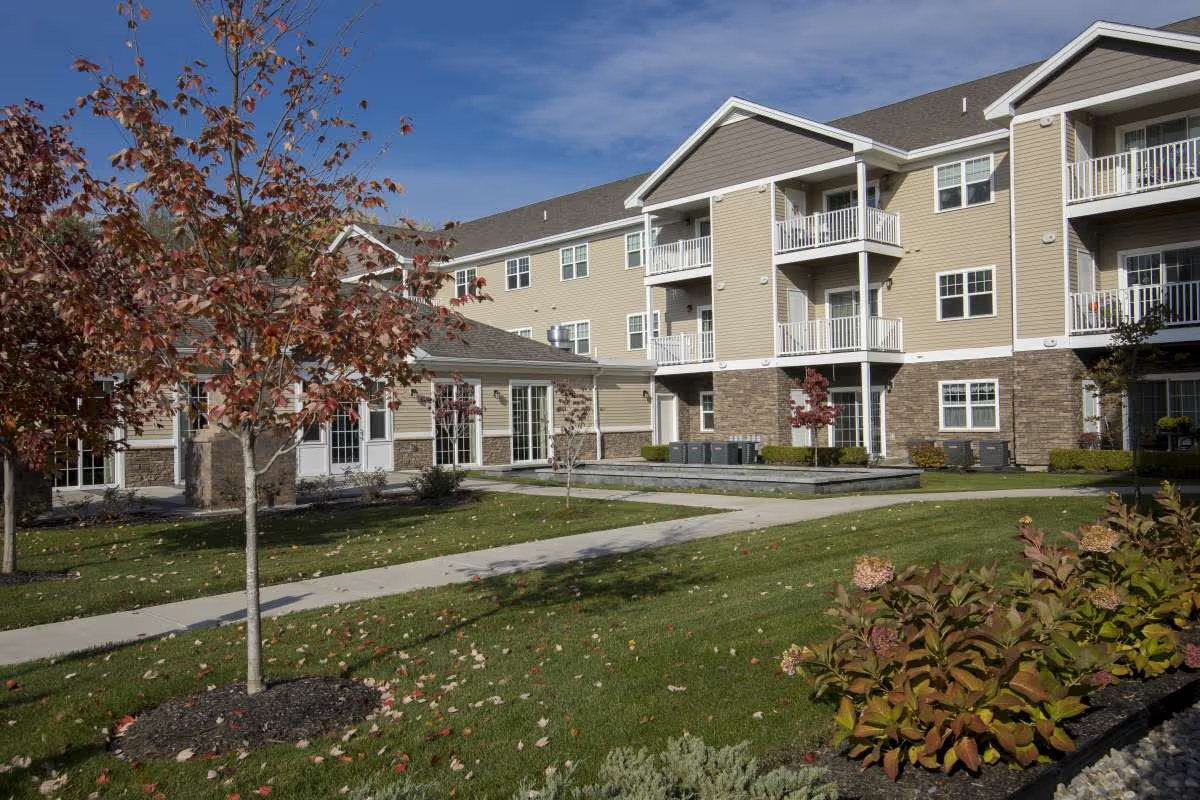
Facility condition and unit-level experience were also mixed. While some areas were described as clean and home-like, other parts of the building were characterized as dim, poorly maintained, or less welcoming, with specific mentions of one floor being notably worse. Reports also included loss or mishandling of personal belongings and questions about infection-control practices and readiness to limit outbreak risk.
Dining and activities are generally cited as strengths: reviewers commonly praised the food variety and the availability of engaging programming, including music and grooming-oriented social interaction. Therapy services are present and valued by many families, though several accounts indicate variability in therapy outcomes and adequacy.
Management and policy issues surfaced repeatedly. Admissions staff received positive feedback for professionalism and ease of process, but families also described inconsistent admission criteria for memory-care services and opaque charges for medications. Communication lapses around clinical incidents, transfer decisions, and family notifications were noted often enough to be considered a systemic concern rather than isolated events.
In summary, prospective residents and families should weigh the facility’s clear interpersonal strengths—compassionate staff, active programming, and supportive admissions—against operational vulnerabilities that have safety and transparency implications: inconsistent staffing, delays in response, gaps in medication and fall-safety practices, uneven facility maintenance, and variability in therapy effectiveness. Those considering placement would benefit from targeted questions about staffing ratios (including overnight coverage), fall-prevention protocols, medication-administration safeguards, how the facility communicates with families after incidents, memory-care admission criteria, and billing practices for medications and out-of-pocket charges.