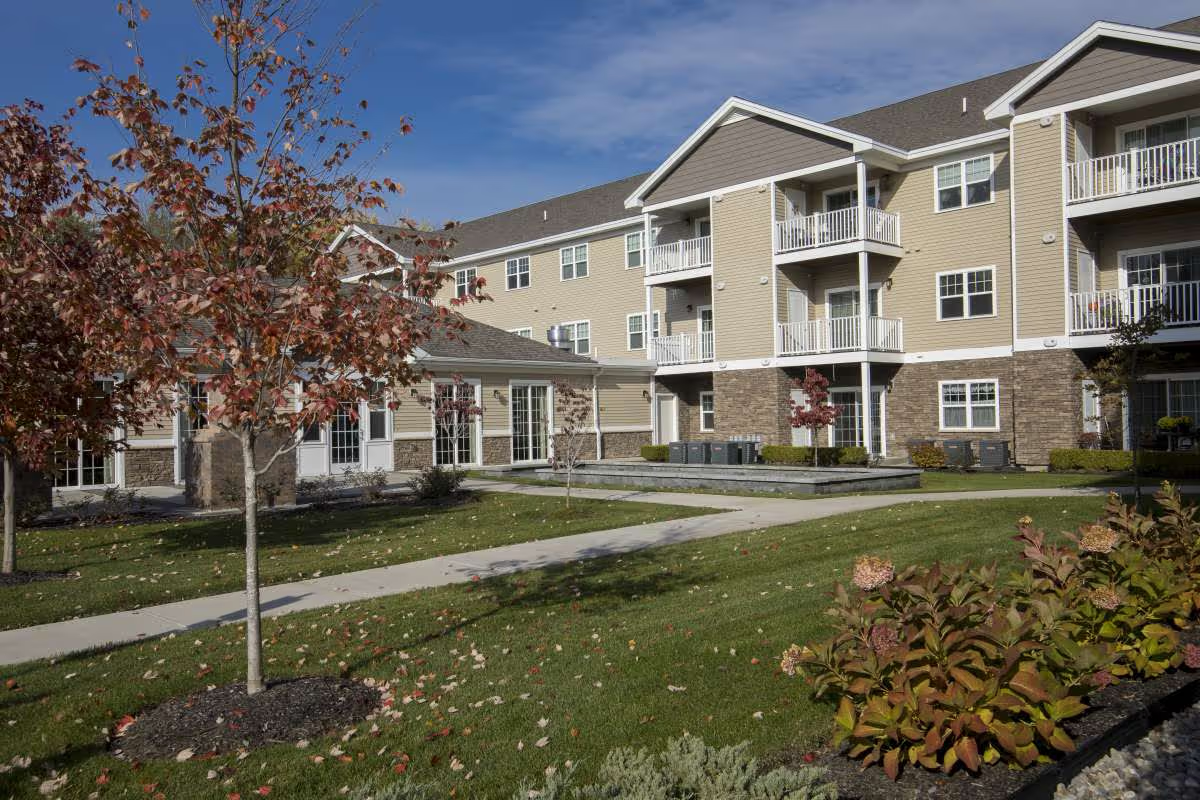
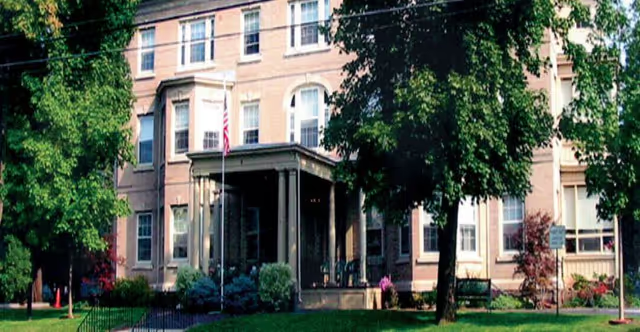
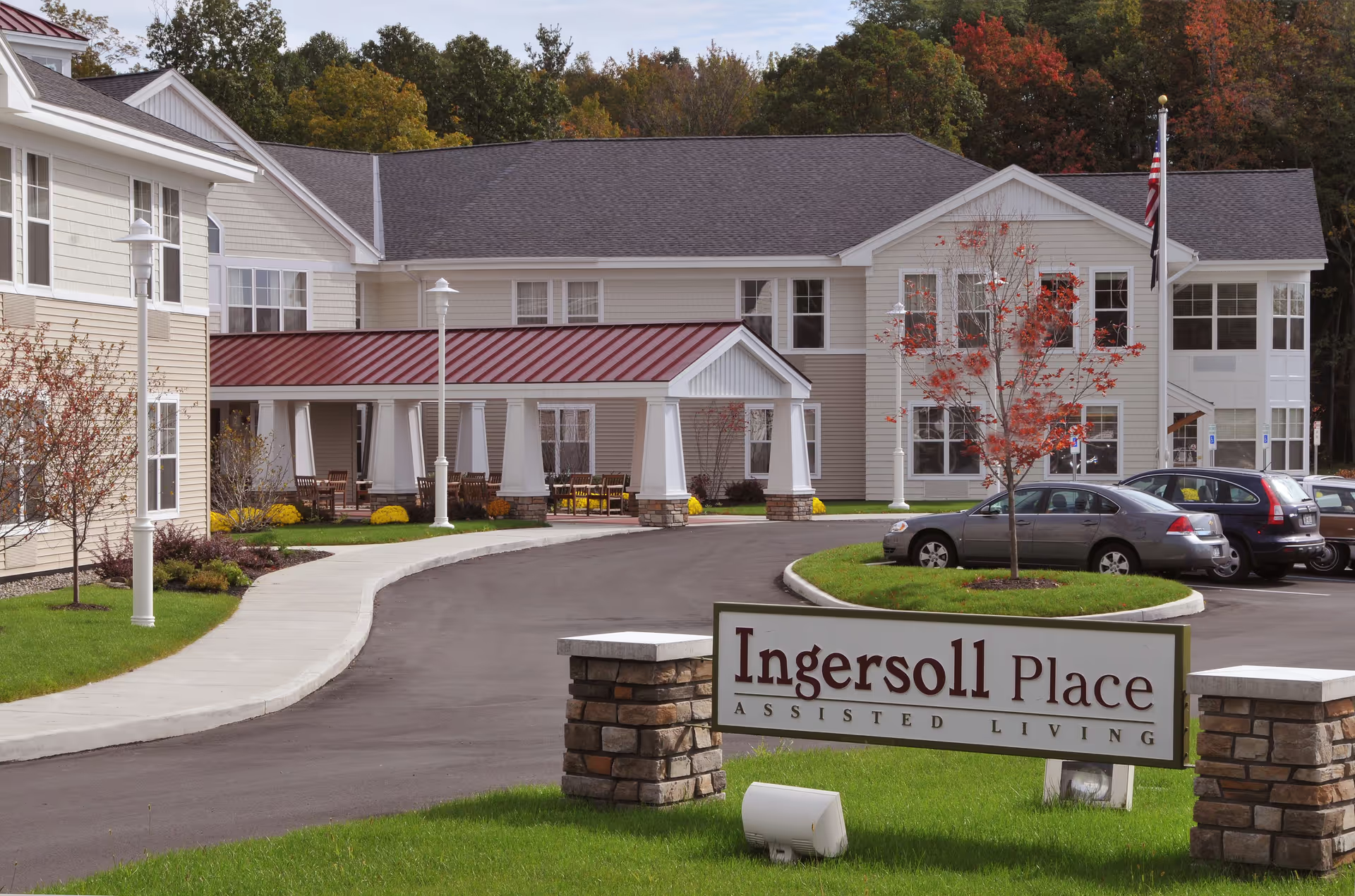
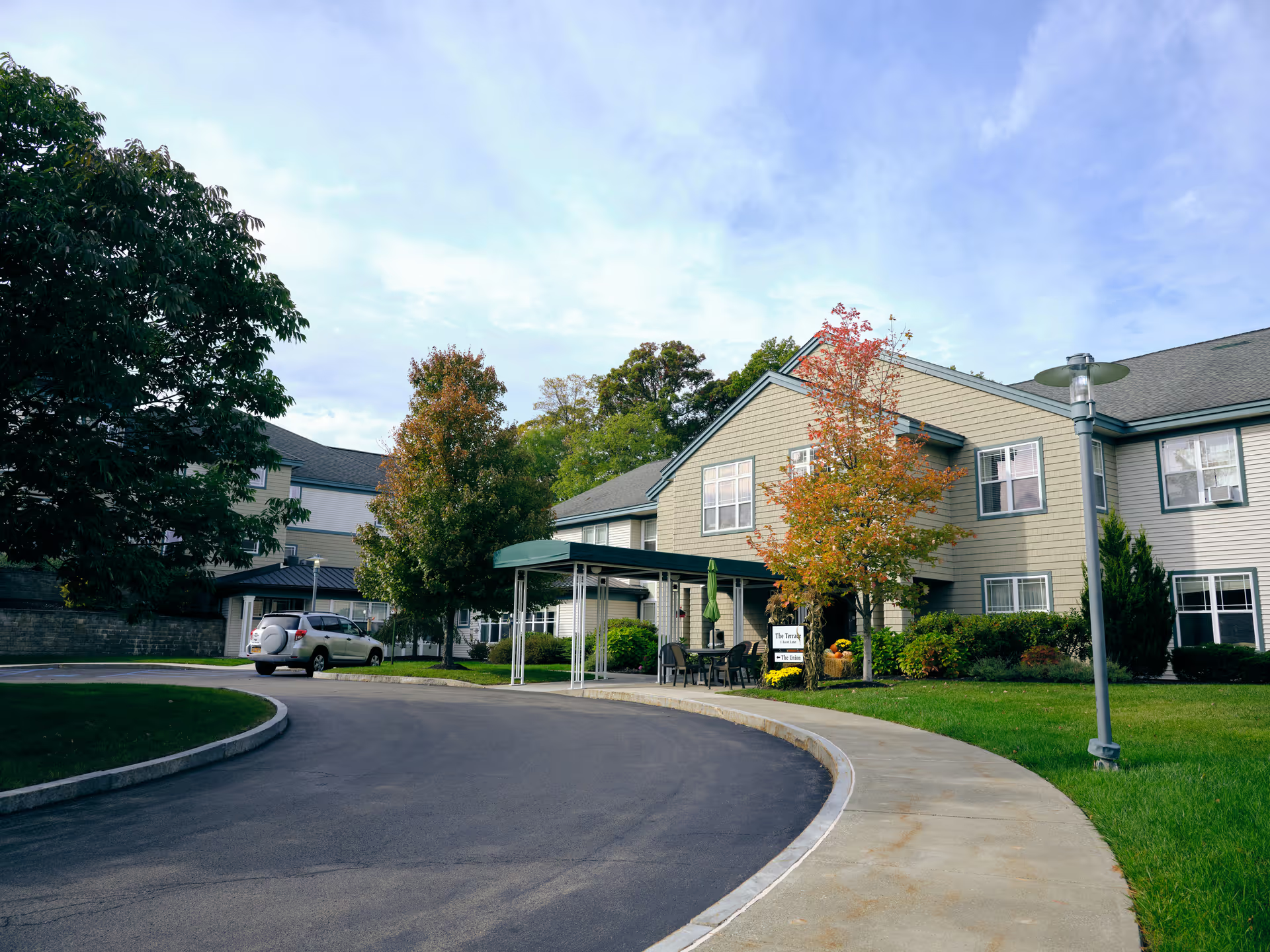
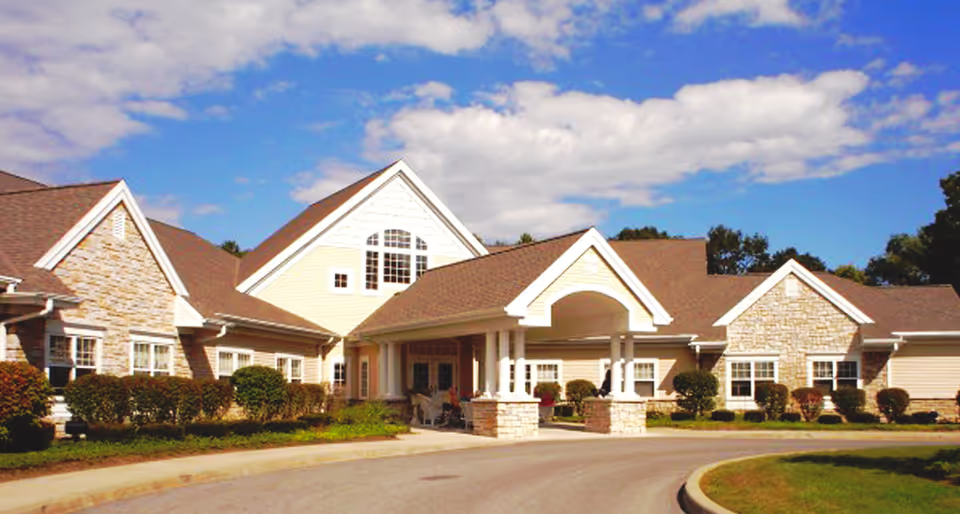
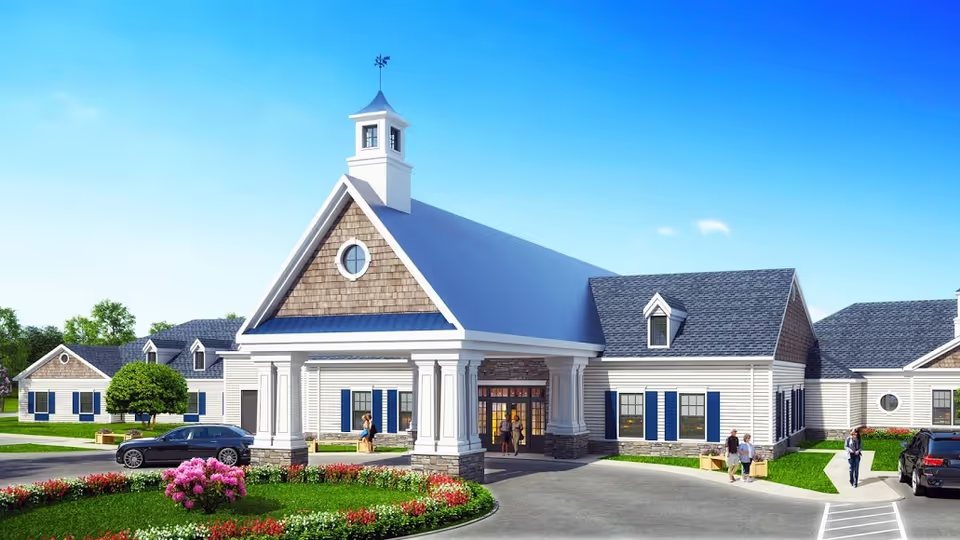
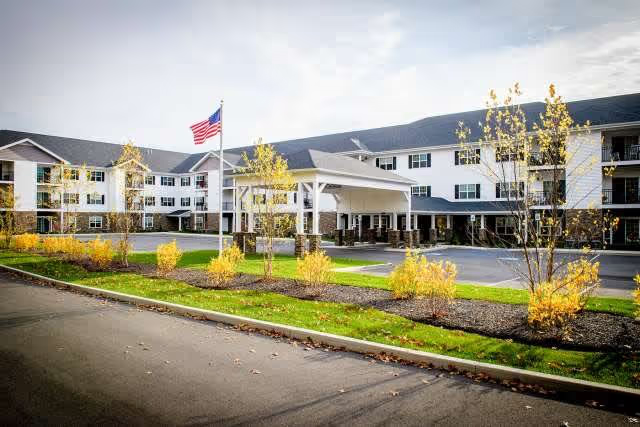
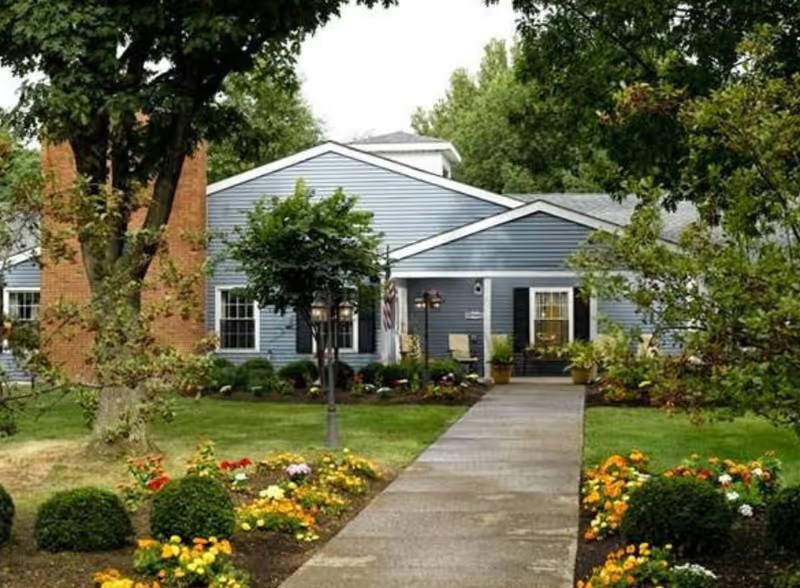
Provincial Glenville presents as a well-appointed independent-living community with a strong emphasis on hospitality, social programming, and an attractive central design. The facility’s standout physical feature is a bright atrium with skylights, plantings, and communal dining that many residents and visitors described as welcoming and hotel-like. Apartments are generally described as spacious, well-lit, and functional — often with kitchens, balconies, and modern finishes in renovated units. On-site amenities such as a salon, fitness/weight room, library, and multiple gathering spaces support a broad range of social and recreational needs.
Care and staff performance are frequent strengths in the feedback. Staff are commonly characterized as kind, attentive, and responsive, with several mentions of prompt emergency responses and personalized greetings. Housekeeping and linen services are included on a regular schedule, and move-in coordination and tour experiences are often described as helpful and professional. The community’s social culture and resident friendliness are consistent positive themes: many residents find the environment engaging and report improved social connections after moving in.
Dining and activities are central to daily life at the community, and reviewers cite three meals daily served in the atrium, professionally-staffed dining service, and a varied activity calendar (bingo, live music, worship services, crafts, outings, movie nights). That said, meal quality and menu consistency are uneven in accounts — some families praise the food, while others describe bland or repetitive options and limited fresh-fruit choices. Activity participation also varies: programming is available and diverse, but engagement levels fluctuate and very active seniors may find fewer targeted exercise options.
Operational and facility-level issues recur enough to merit attention. Several accounts describe staffing pressure that can lead to missed nonessential services or slower responses for nonurgent needs. Contract and billing practices emerge as a notable area of concern: a subset of families experienced unexpected fees, communication gaps about charges, and disputes that required follow-up. There are also recurring notes about maintenance and cosmetic needs (carpet, cabinets, isolated leaks) and access constraints such as limited outdoor seating and laundry access during staff linen hours. Accessibility gaps in specific bathrooms and balcony railings were also mentioned; paired with the community’s independent-living focus, these raise important questions for anyone with progressive care needs.
A key pattern is the facility’s orientation toward independent living rather than higher-level clinical care. The community is frequently recommended for older adults who are largely independent and value social engagement and included services. Prospective residents and families should verify clinical transition options and financial policies up front, because on-site assisted-living capacity and Medicaid-transition pathways are limited. Additionally, given mixed comments on food, maintenance, billing, and staffing, visitors are advised to tour during meal service, ask specific questions about staffing ratios and contingency plans, review the residency agreement line-by-line, and inspect apartment accessibility features that matter for the prospective resident.
In sum, Provincial Glenville offers many strengths for independent-living residents: an appealing physical environment, active social programming, attentive staff, and included services that create value for many families. Those considering the community should balance these positives against operational caveats — particularly around meal consistency, billing clarity, maintenance follow-through, staffing robustness, and the absence of on-site higher-level care — and seek specific assurances on the items most important to their situation.