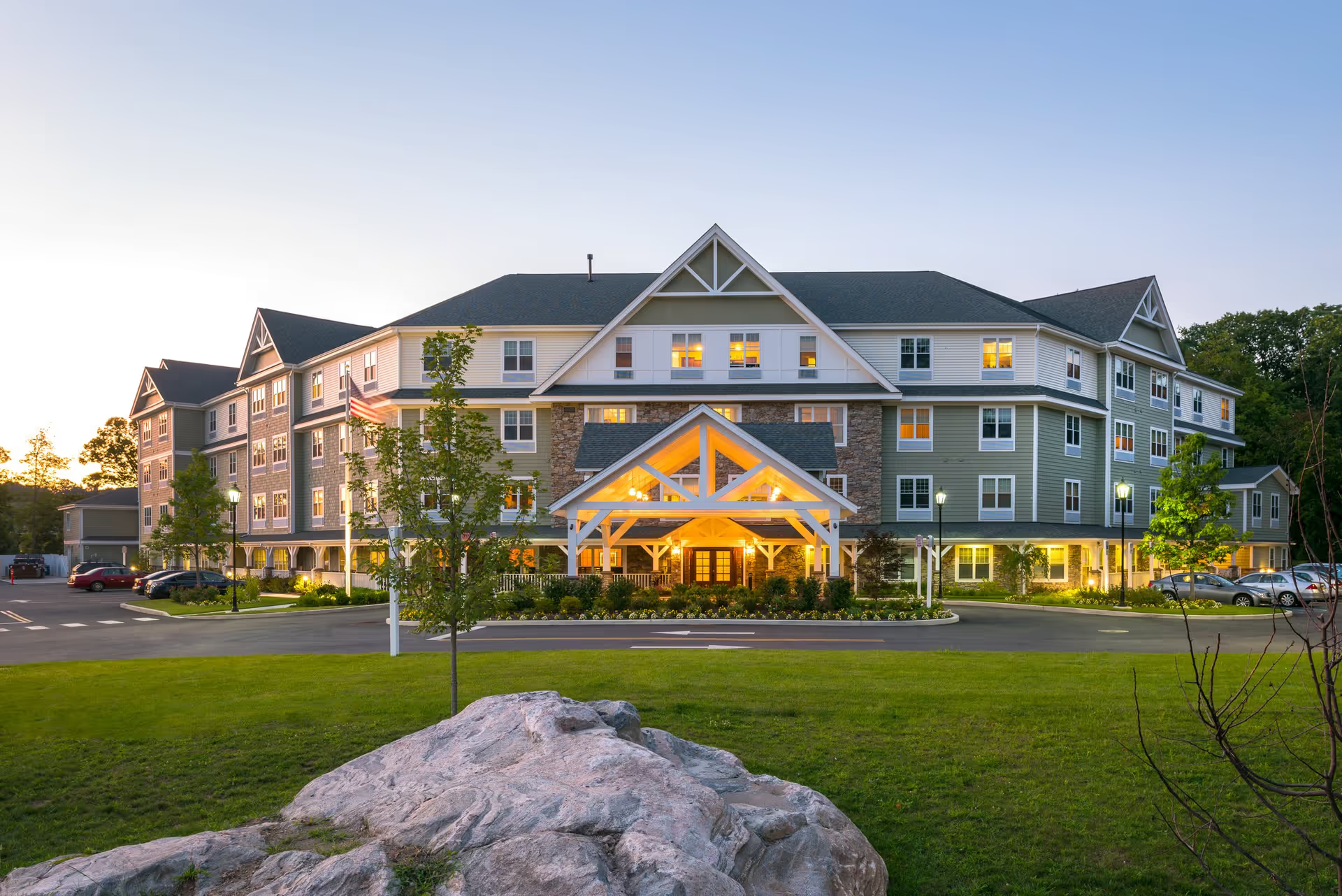
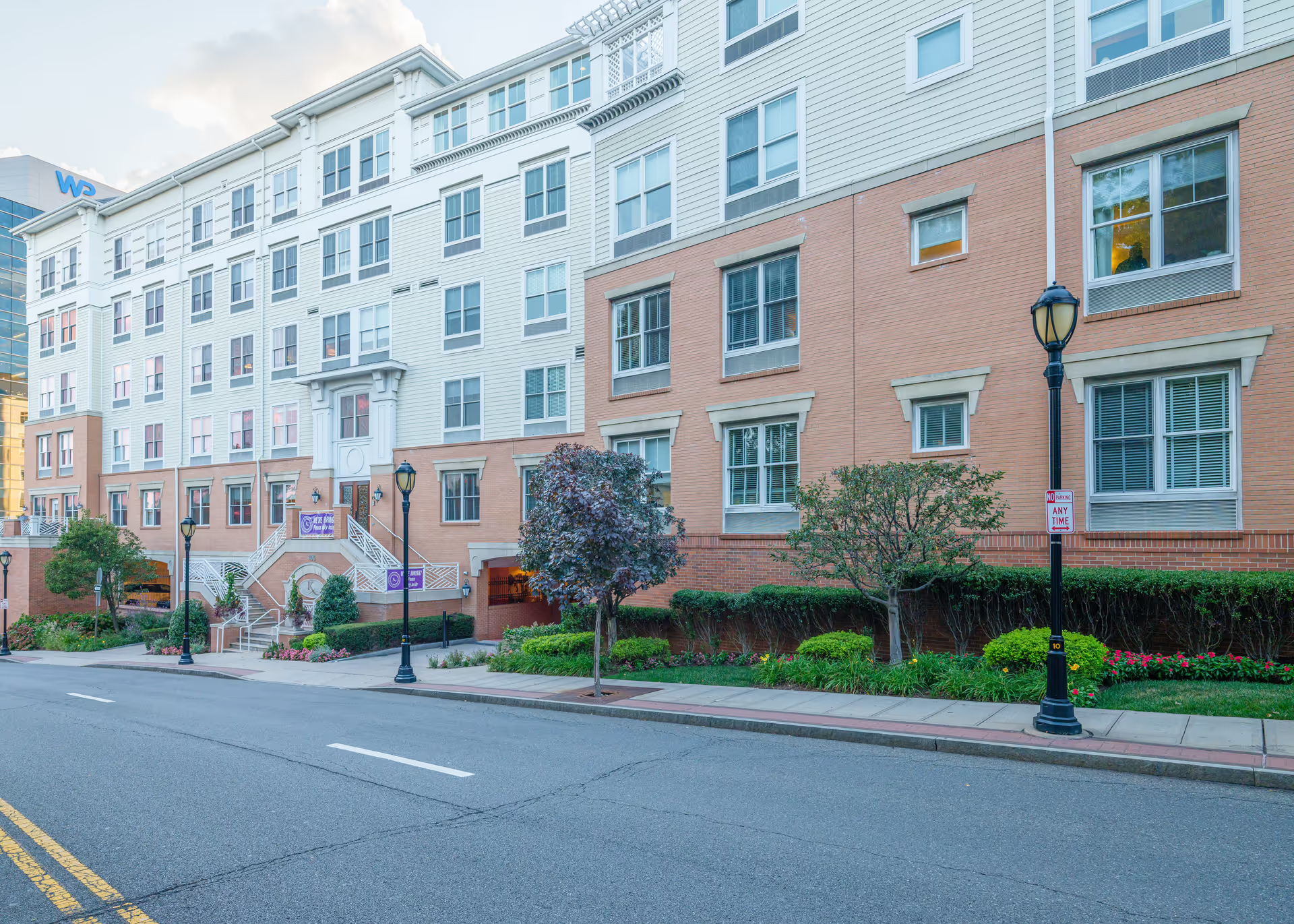
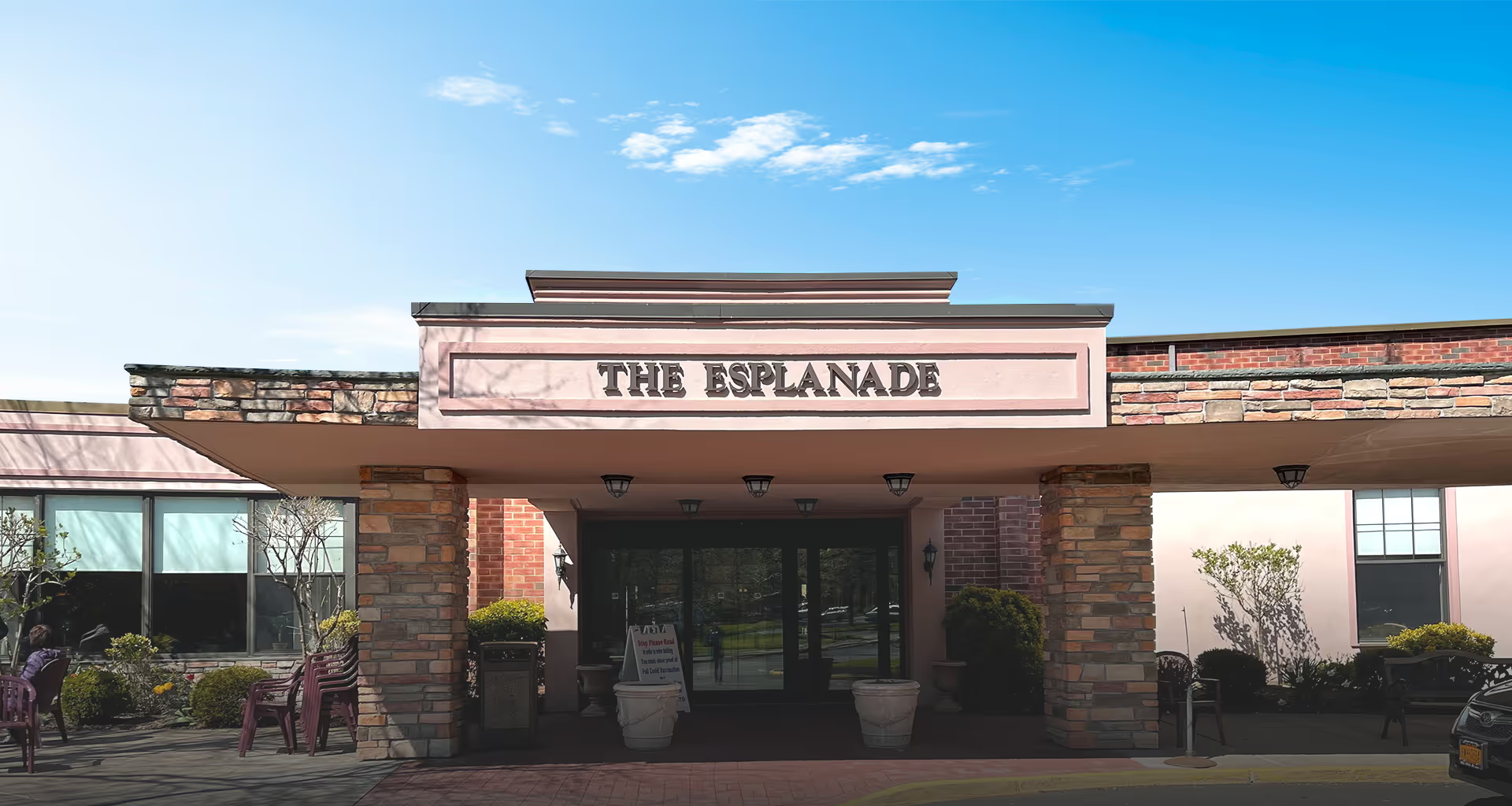
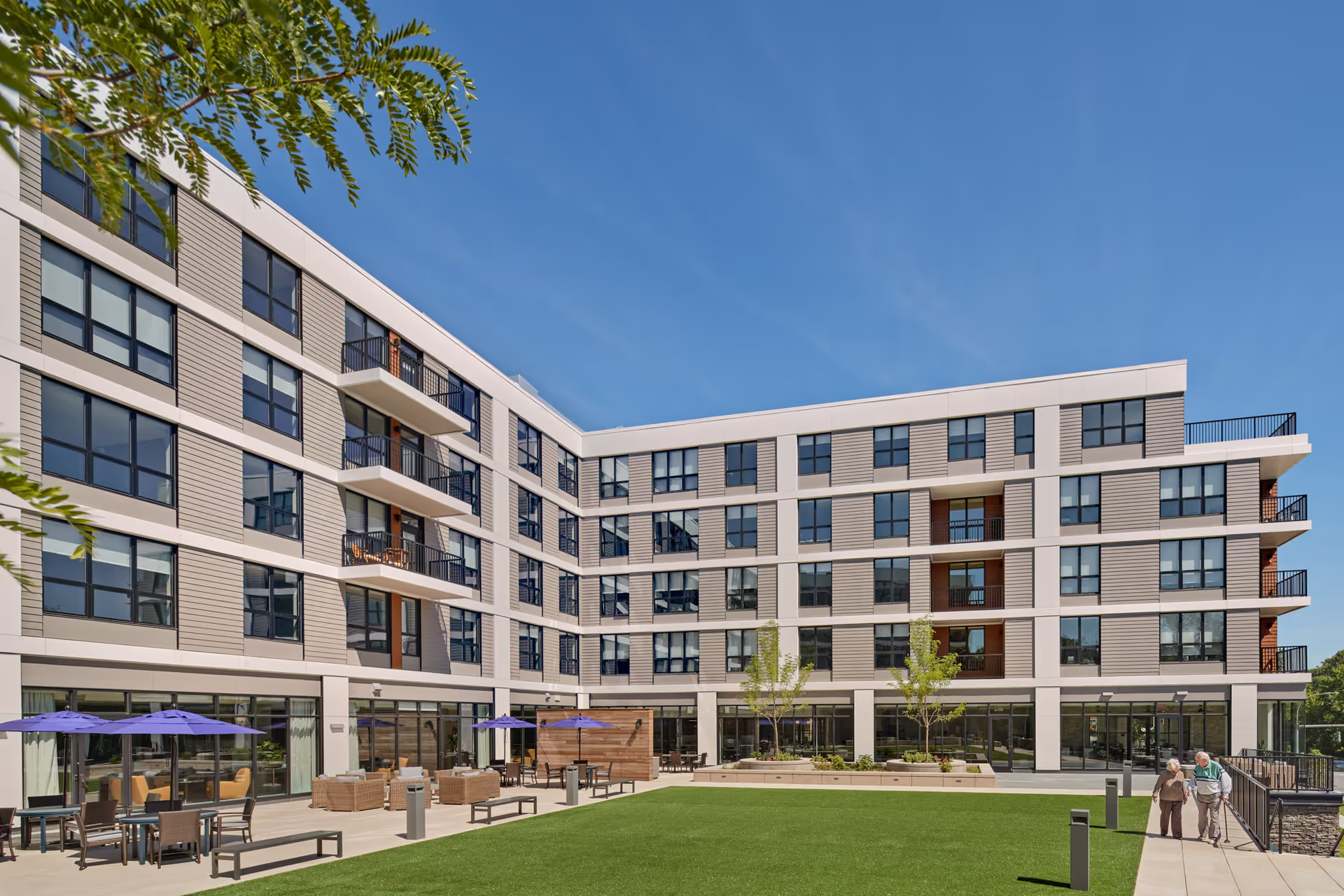
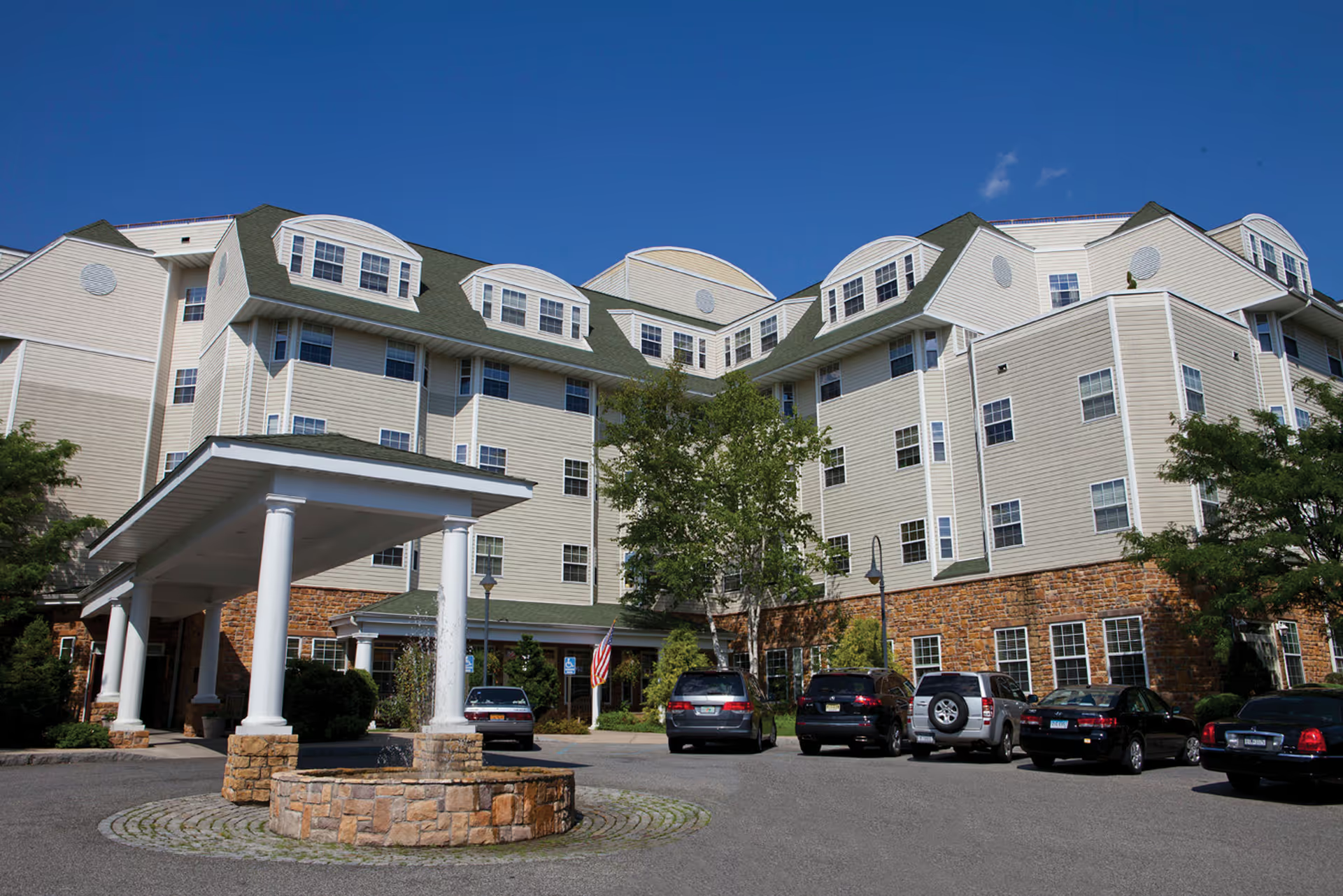
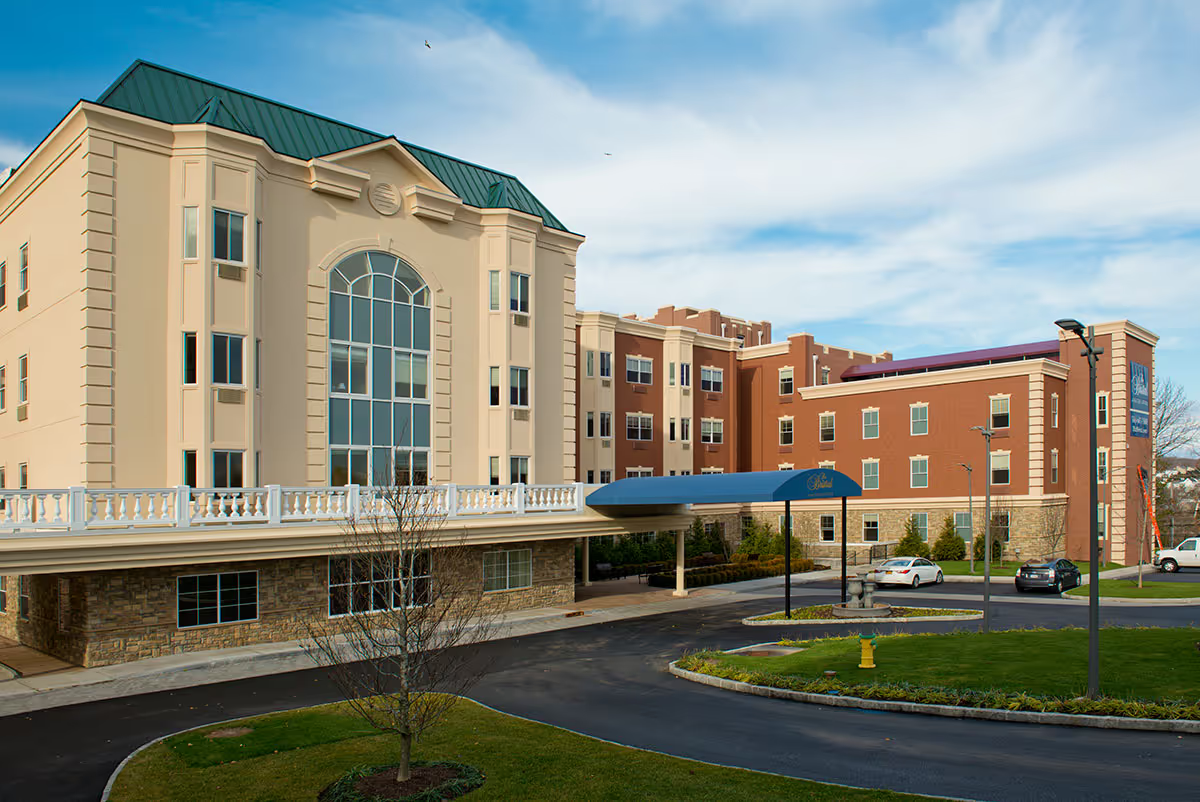
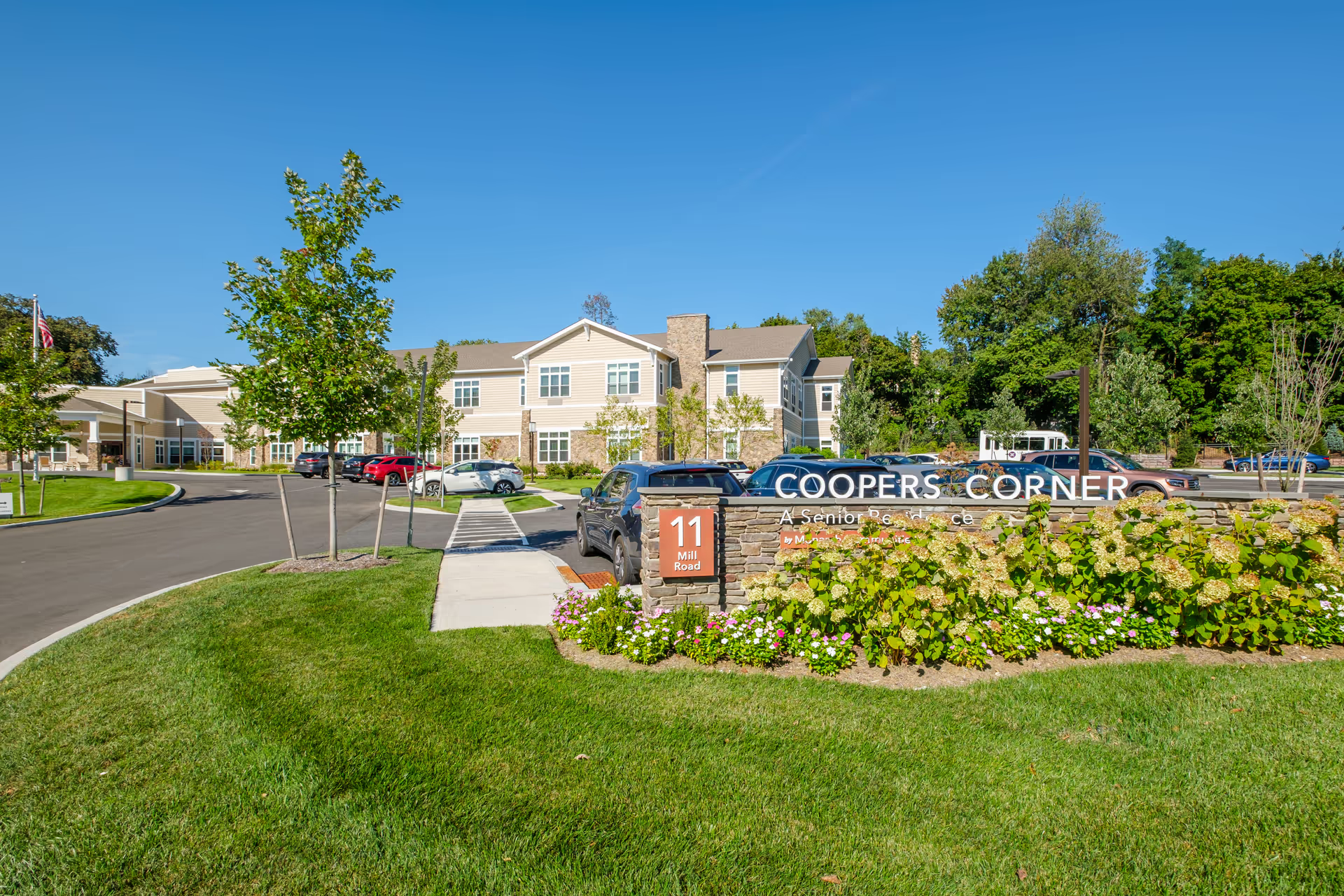
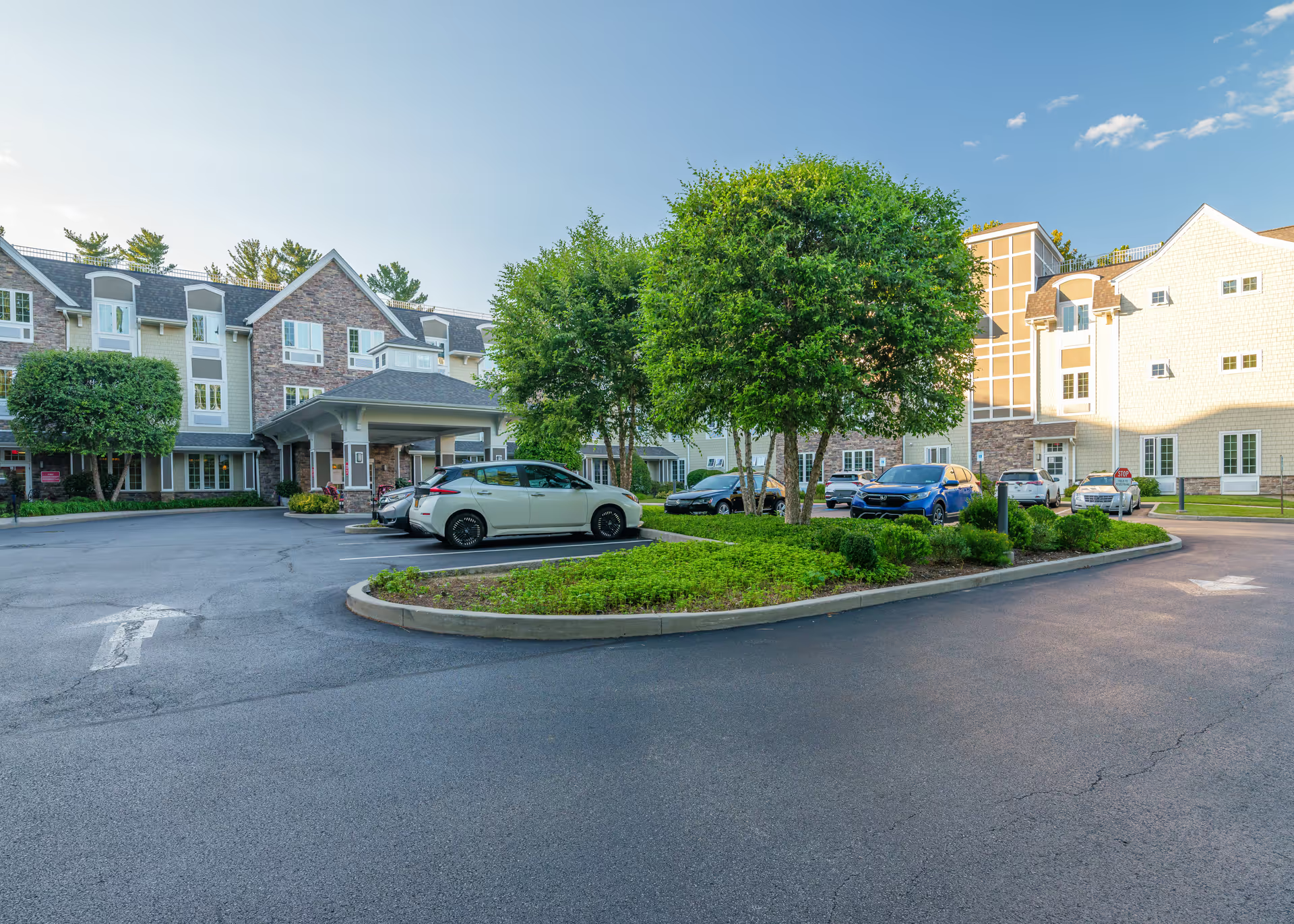
Atria Woodlands elicits strongly mixed but patterned feedback. Many families emphasize a warm, welcoming culture at arrival: staff members—particularly sales and move-in liaisons—are repeatedly praised for smooth onboarding, frequent early updates, and substantial hands‑on support during the transition. The campus presents as well maintained with attractive grounds, comfortable apartments, multiple social spaces, and a broad set of amenities that support an active lifestyle. The community’s aging‑in‑place model (independent, assisted, memory care) and on‑site clinical resources (therapy, wellness center, accessible physicians) are clear strengths for families seeking continuity of care.
Care and staffing create a split narrative. Numerous reviews describe compassionate, attentive caregivers and long‑tenured employees who know residents personally; those accounts highlight dignity, individualized attention, and good medication and therapy routines. However, a recurring operational pattern is inconsistent staffing levels—families report delayed responses to calls, reduced frequency of proactive check‑ins over time, and variable follow‑through on personal care tasks. These issues are framed as systemic (scheduling and resourcing) rather than isolated events and can affect perceptions of reliability and safety, particularly in the assisted and memory care areas.
Dining and activities are prominent positive features but show variability. The dining program, chefs, and accommodating servers receive frequent praise for flavorful menus and the ability to adapt meals to preferences. Still, there are intermittent accounts of reheated or poorly timed meals and requests for more brain‑healthy/dietary options. The Engage Life/activities program is often described as robust—daily programming, outings, live entertainment, classes, and social events—though some families note limited access to certain activity areas for specific care levels and occasional gaps in staff availability to engage residents one‑on‑one.
Facility operations and management present mixed impressions. Many reviews commend front‑desk responsiveness, housekeeping, and the physical plant; others raise sanitation concerns in specific units or common areas and mention pest‑control or cleanliness variability. Financial transparency and billing practices are another consistent theme: reviewers cite unclear a la carte pricing, substantial add‑ons (for items like medication management), and disputes over post‑discharge charges. There are also comments about management turnover and uneven communication—some families praise current leadership for improvements, while others describe slow or insufficient responses during care transitions or infection‑control events. A small number of reviewers raised serious claims about incident reporting and billing disputes; those allegations underscore the need for clear incident‑response protocols and billing transparency.
Bottom line: Atria Woodlands offers many attributes that appeal to prospective residents—an active program of social and culinary offerings, thoughtfully maintained facilities, on‑site clinical resources, and a number of staff members noted for compassion and effective move‑in support. Prospective residents and families should weigh those strengths against operational patterns that can affect day‑to‑day reliability: inconsistent staffing/responsiveness, uneven service levels across buildings, intermittent sanitation and meal‑service issues, and a need for clearer billing practices. Visiting during typical service hours, asking for current staffing ratios and recent incident‑response examples, and requesting a detailed fee schedule will help families evaluate whether the facility’s strengths align with their expectations and care needs.