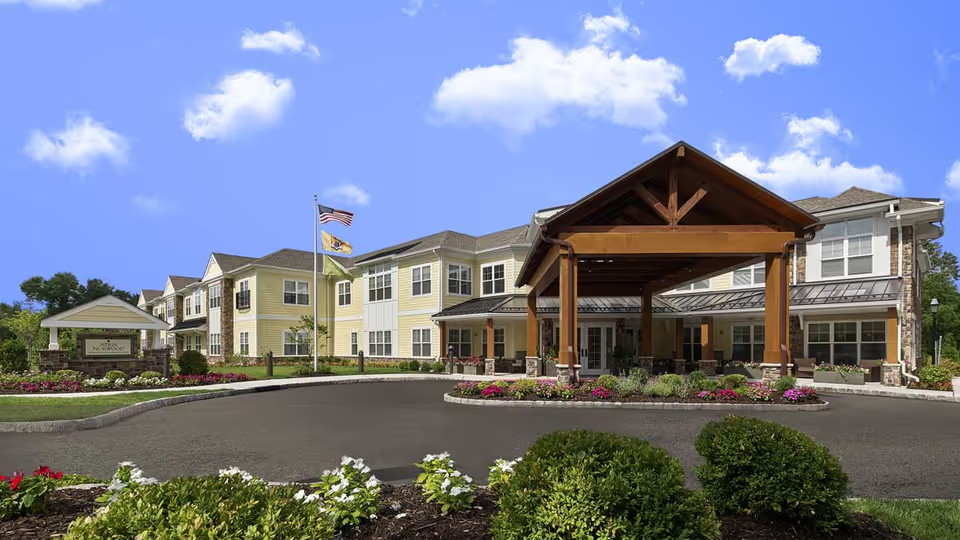
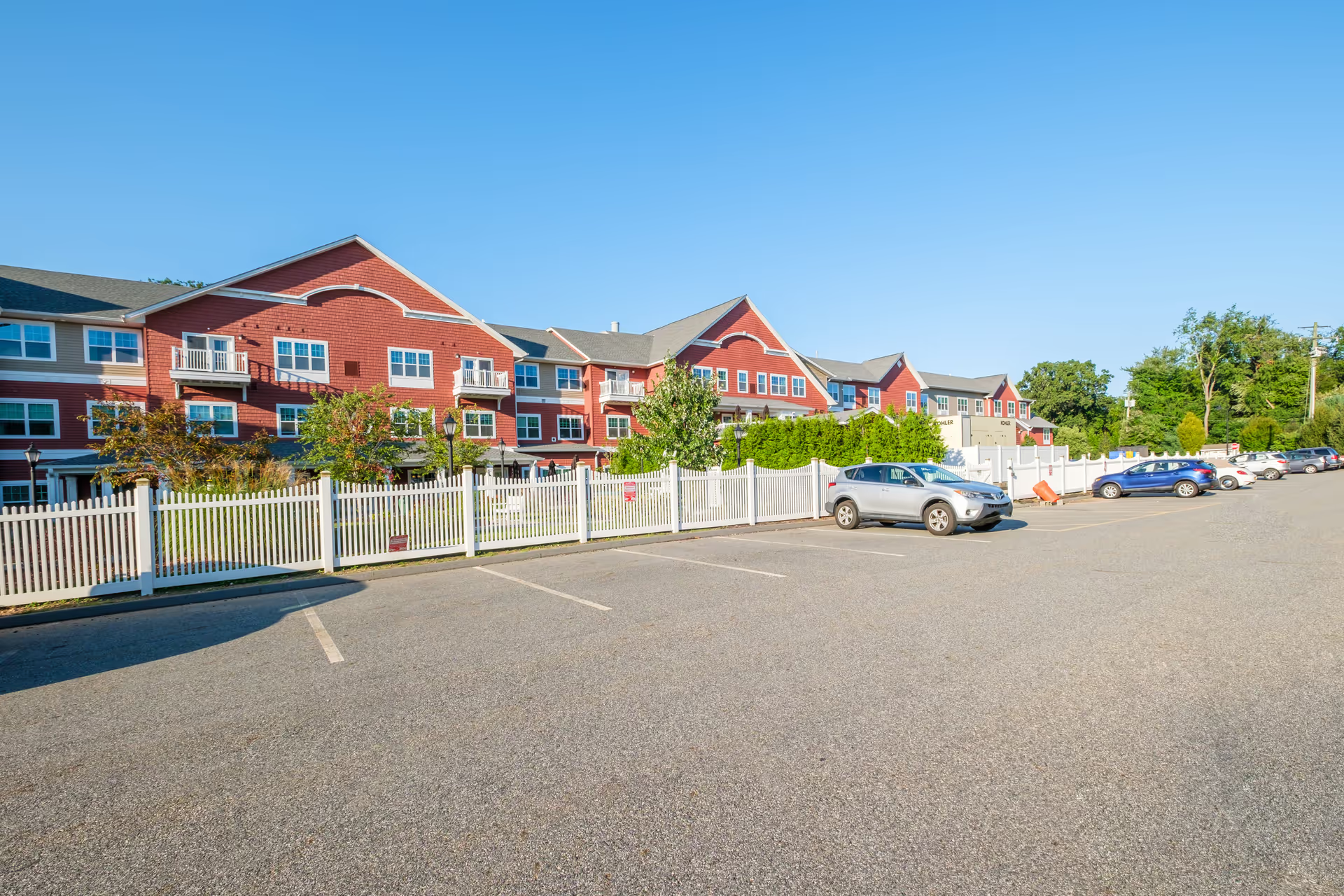
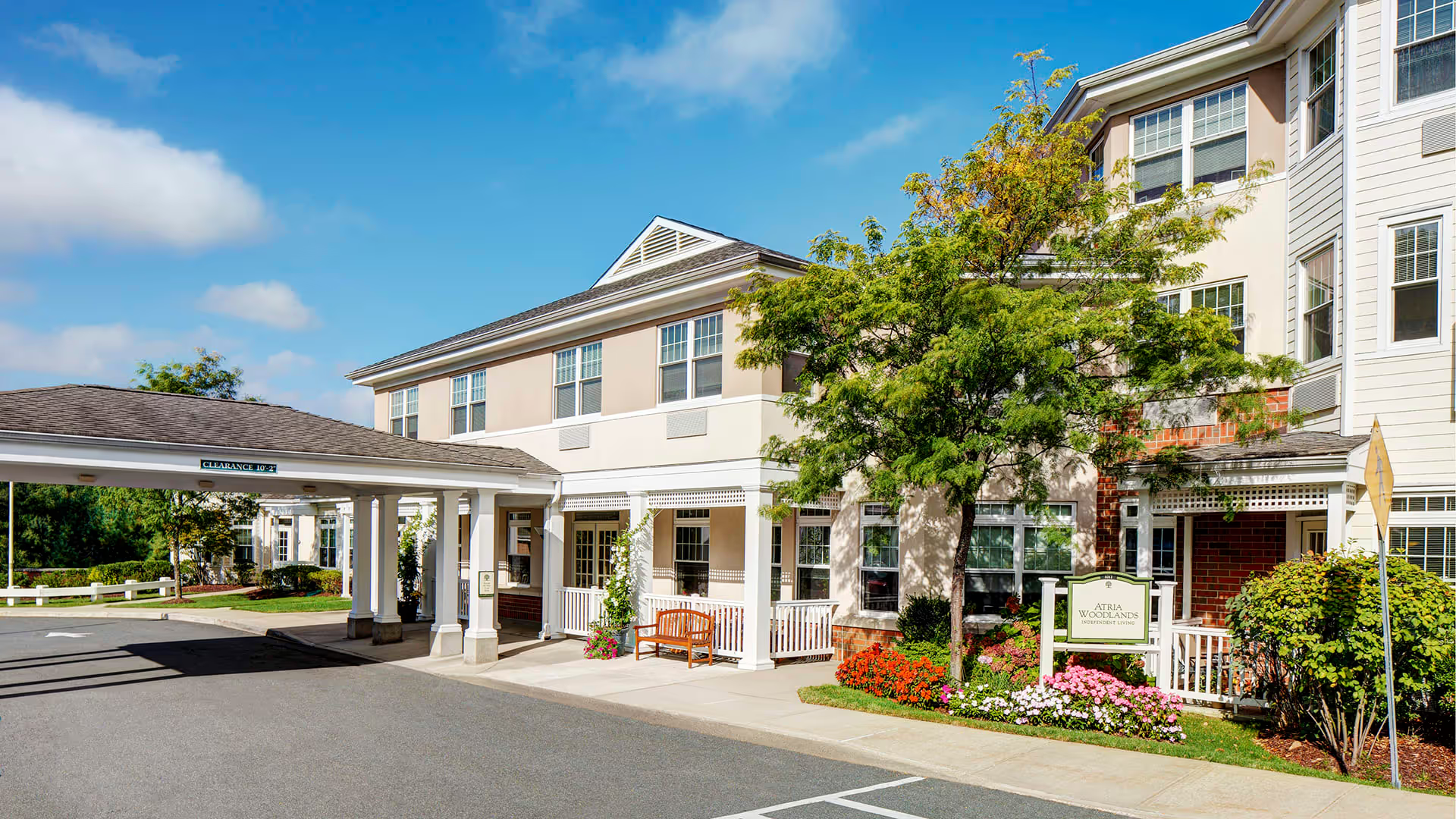
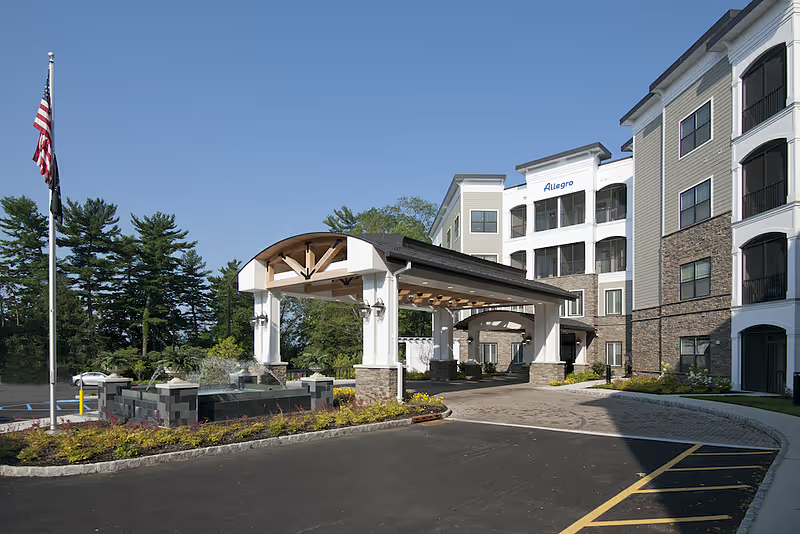
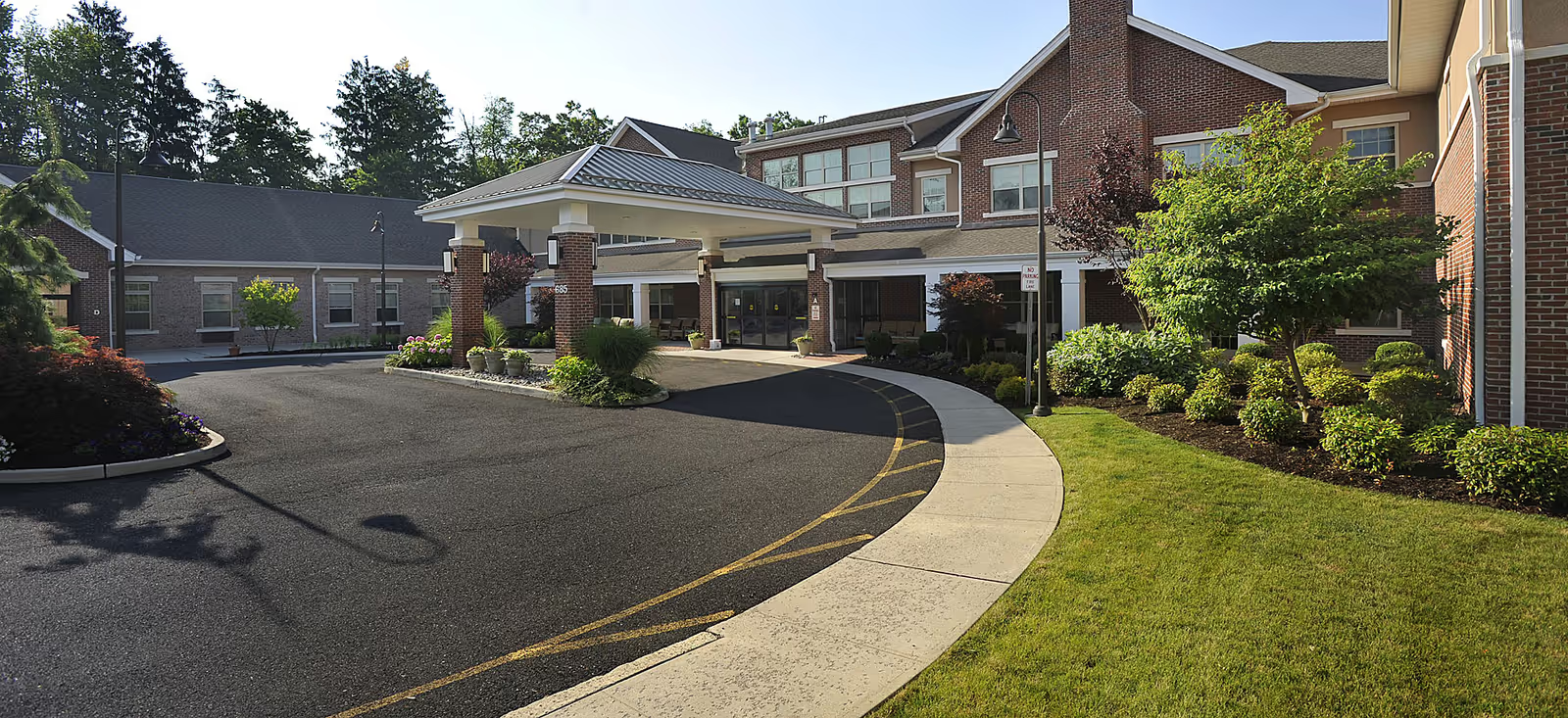
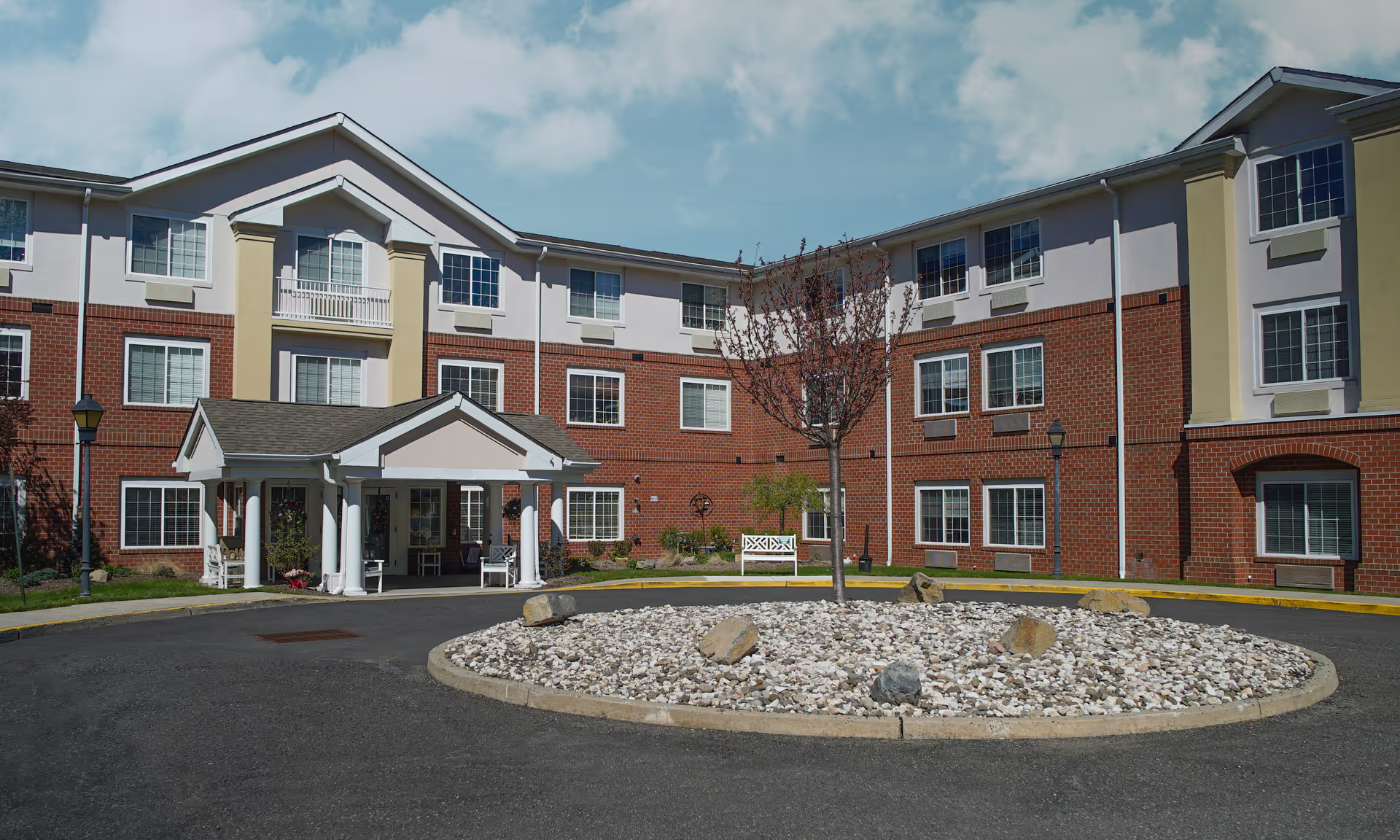
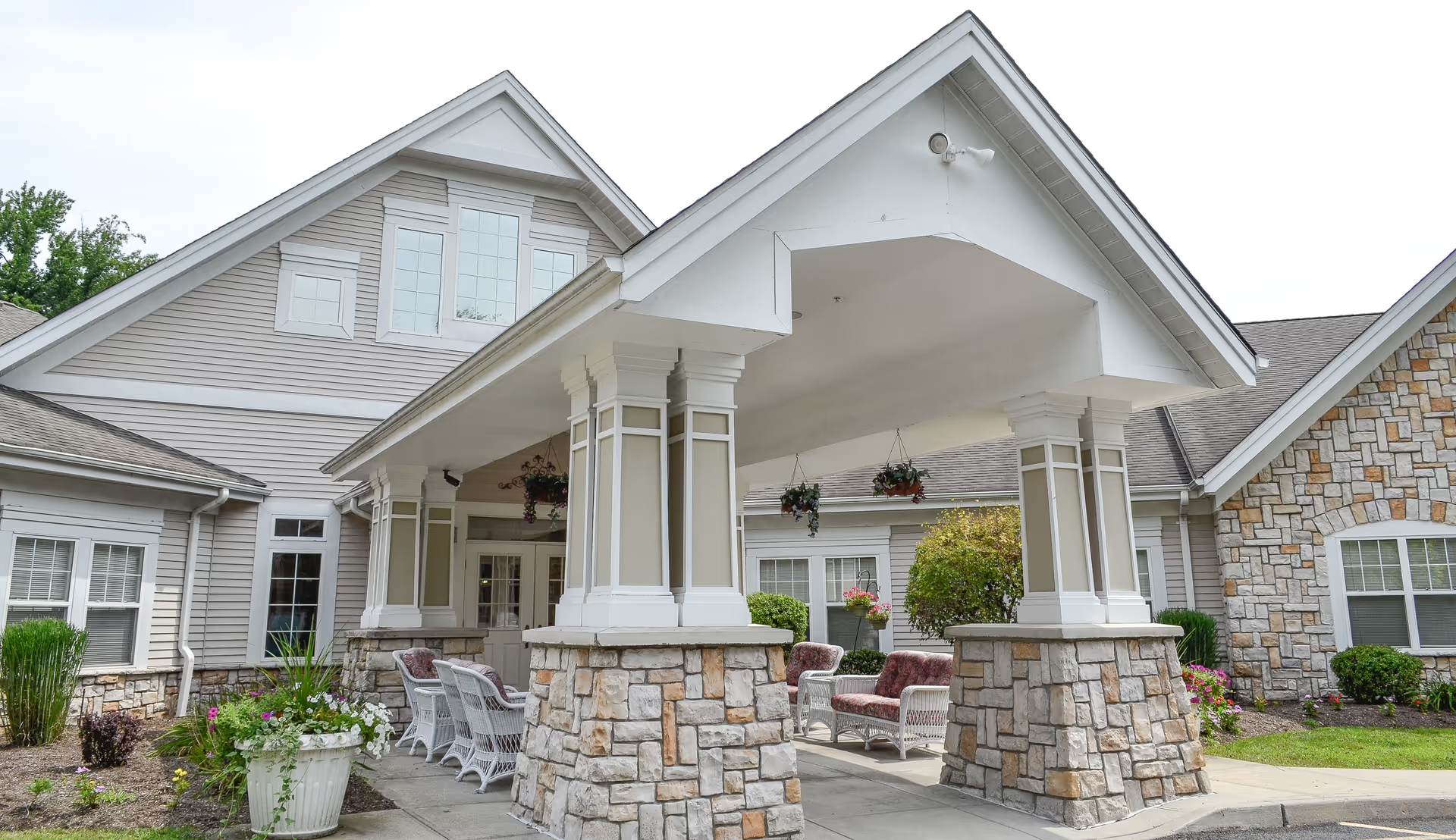
The Esplanade at Palisades presents as a well-appointed, largely well-run senior living community with many strengths in hospitality, social programming, and environment. Reviewers consistently highlight a clean, tastefully decorated building set on attractive grounds, with multiple on-site amenities such as a library, gym, salon, and outdoor spaces. Apartment options are varied and include climate control and some affordable/shared-room choices; the community supports pet ownership and allows hospice care in residences. Families and residents frequently praise the social atmosphere, active calendar of activities (including lectures and cerebral programming), transportation services, and a generally warm, family-like culture among residents.
Staffing and care quality are a prominent positive across reviews: many families describe staff and leadership as compassionate, responsive, and engaged. Several accounts emphasize helpful move-in coordination, attentive directors of resident care, strong hospital and rehab coordination, and well-managed end-of-life support. Housekeeping and maintenance are noted as timely, and the dining experience is often praised for presentation and chef-driven offerings, with some guests describing elegant, resort-like meals and special-diet/kosher accommodations.
At the same time, reviewers identify several operational weaknesses that prospective residents and families should weigh. Food quality and menu variety are inconsistent: while some meals are described as excellent, others are criticized for sparseness or preparation issues. Clinical and operational lapses are described in multiple ways — specifically concerns about medication administration processes, scheduling and hygiene assistance reliability, and occasional delays in clinical response. Relatedly, there are reports indicating variability in staff training and professionalism and uneven communication with families during clinical events. These types of issues suggest gaps in clinical-incident response protocols and family-notification practices that warrant direct inquiry during a tour and contract review.
Safety and security themes appear as intermittent but significant concerns. Reviews reference instances that point to weaknesses in property-security and incident-investigation processes, and there are mentions of pest-control concerns in some units. Prospective families should ask about current pest-control contracts, incident-reporting procedures, and protocols for safeguarding residents' belongings. Other practical considerations include limited in-unit storage/closet space, higher-than-average pricing, and ongoing renovation activity that can cause temporary disruption. Finally, while the community offers age-in-place services, reviewer comments indicate constrained availability or limited programming specifically tailored for advanced memory disorders; families seeking specialized dementia or Lewy body–focused care should confirm program readiness and unit availability.
Overall, The Esplanade at Palisades appears to provide a supportive, engaging environment with strong points in staff compassion, amenities, and social programming. However, variability in dining, clinical oversight, staff training, security follow-through, and memory-care capability are recurring themes that prospective residents should investigate further. Recommended next steps include: touring during meal service, speaking with the director of resident care about medication and incident protocols, reviewing staffing patterns for evenings, asking for documentation of pest-control and security policies, and confirming memory-care services and pricing details in writing.