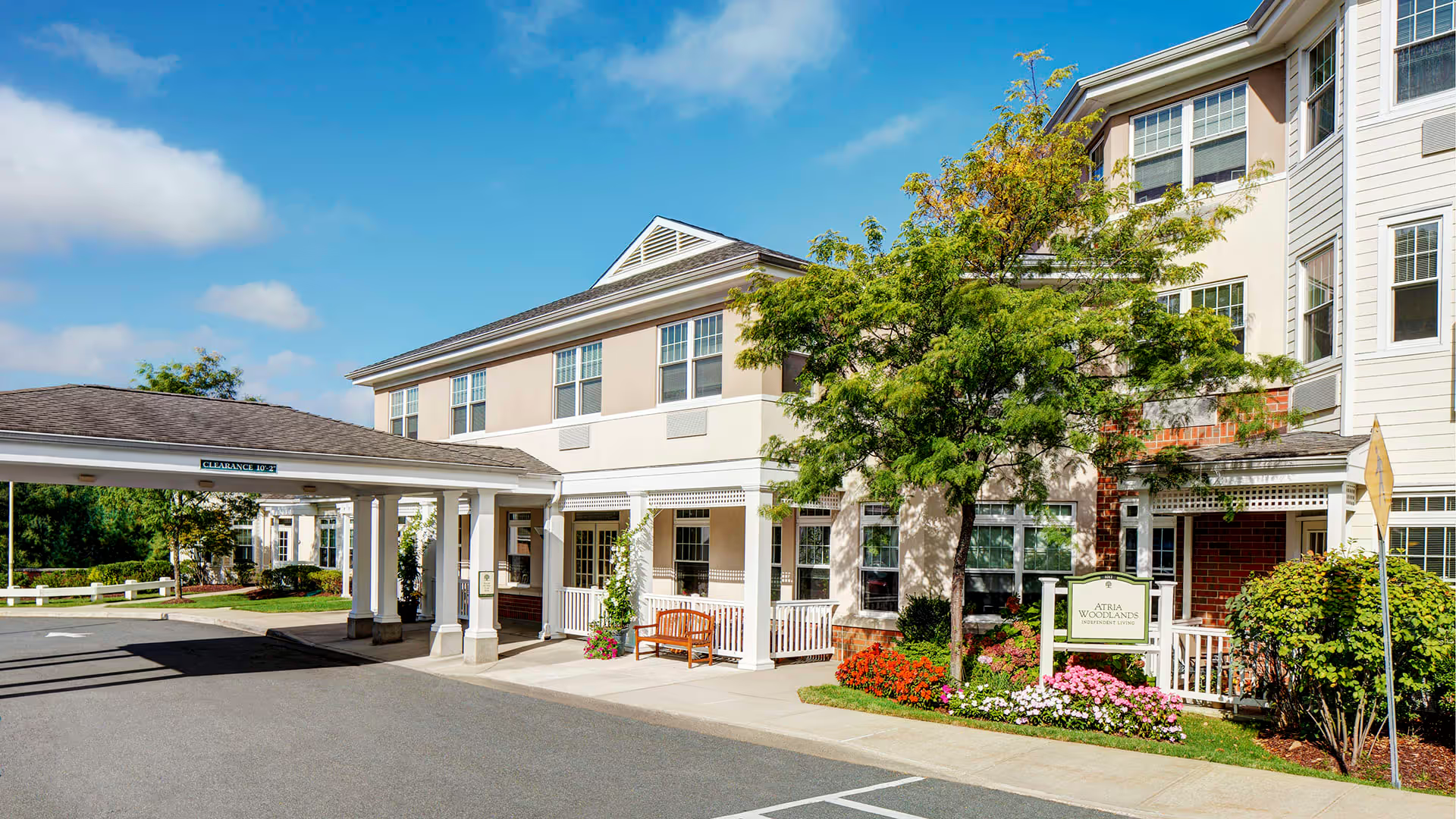
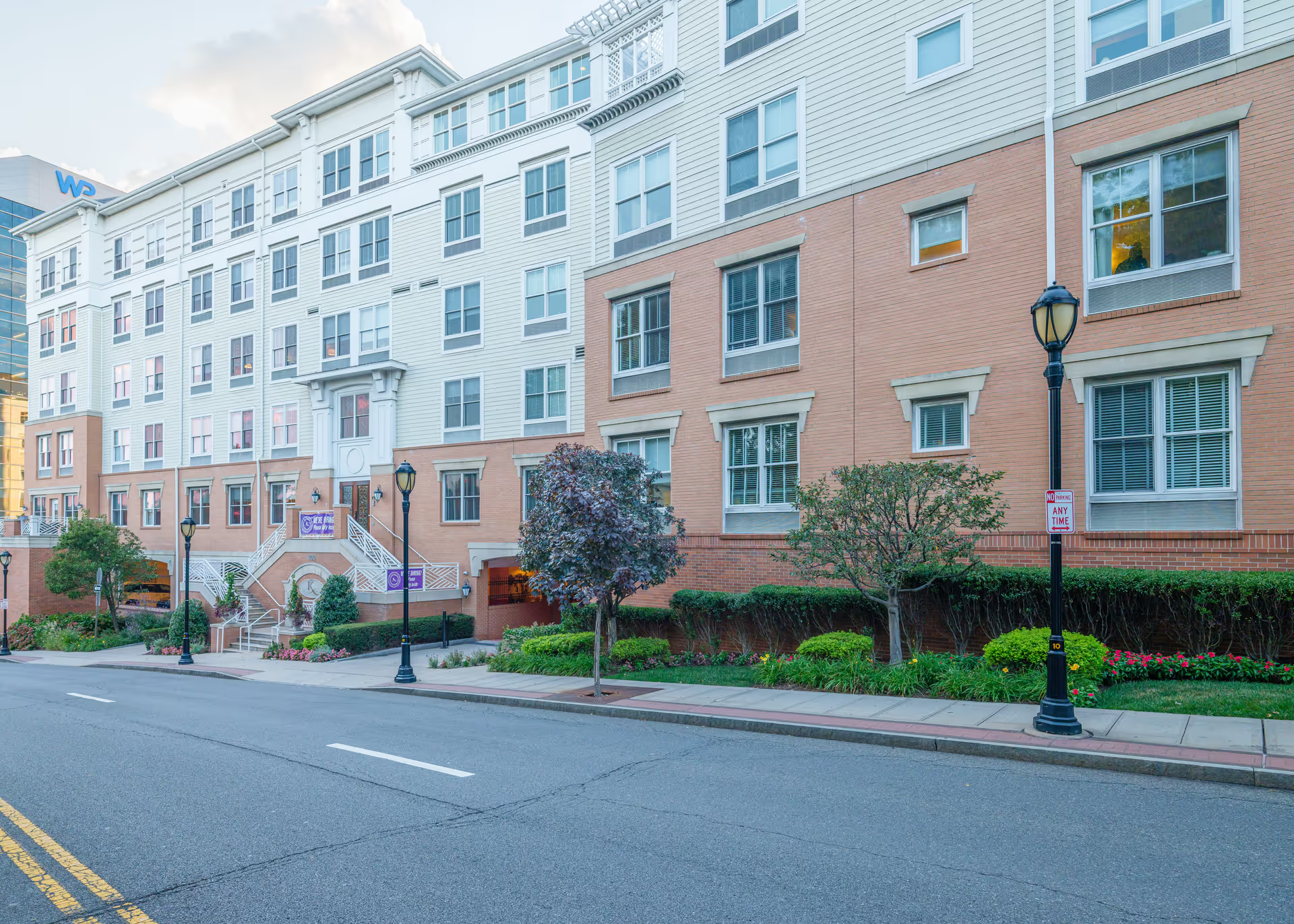
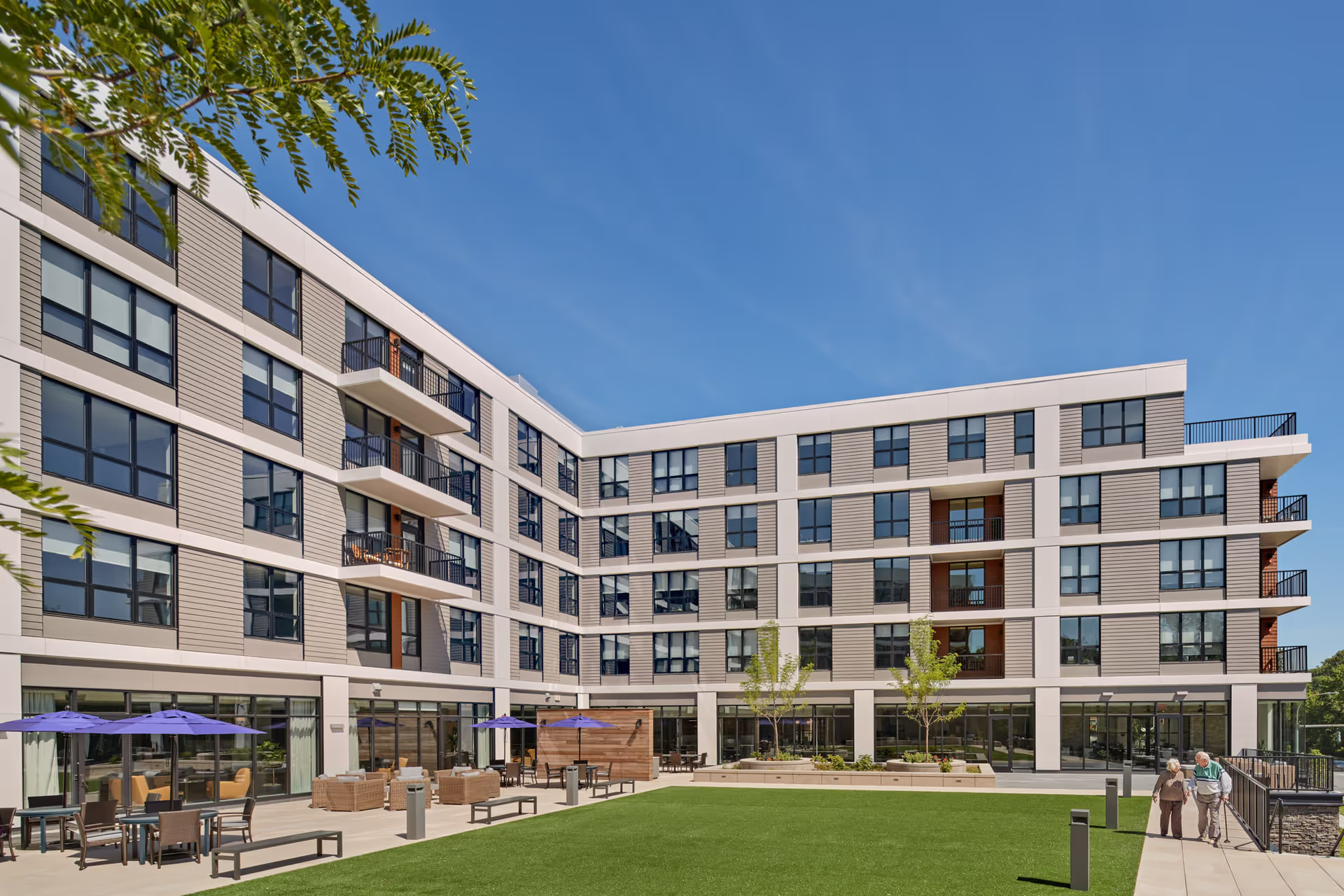
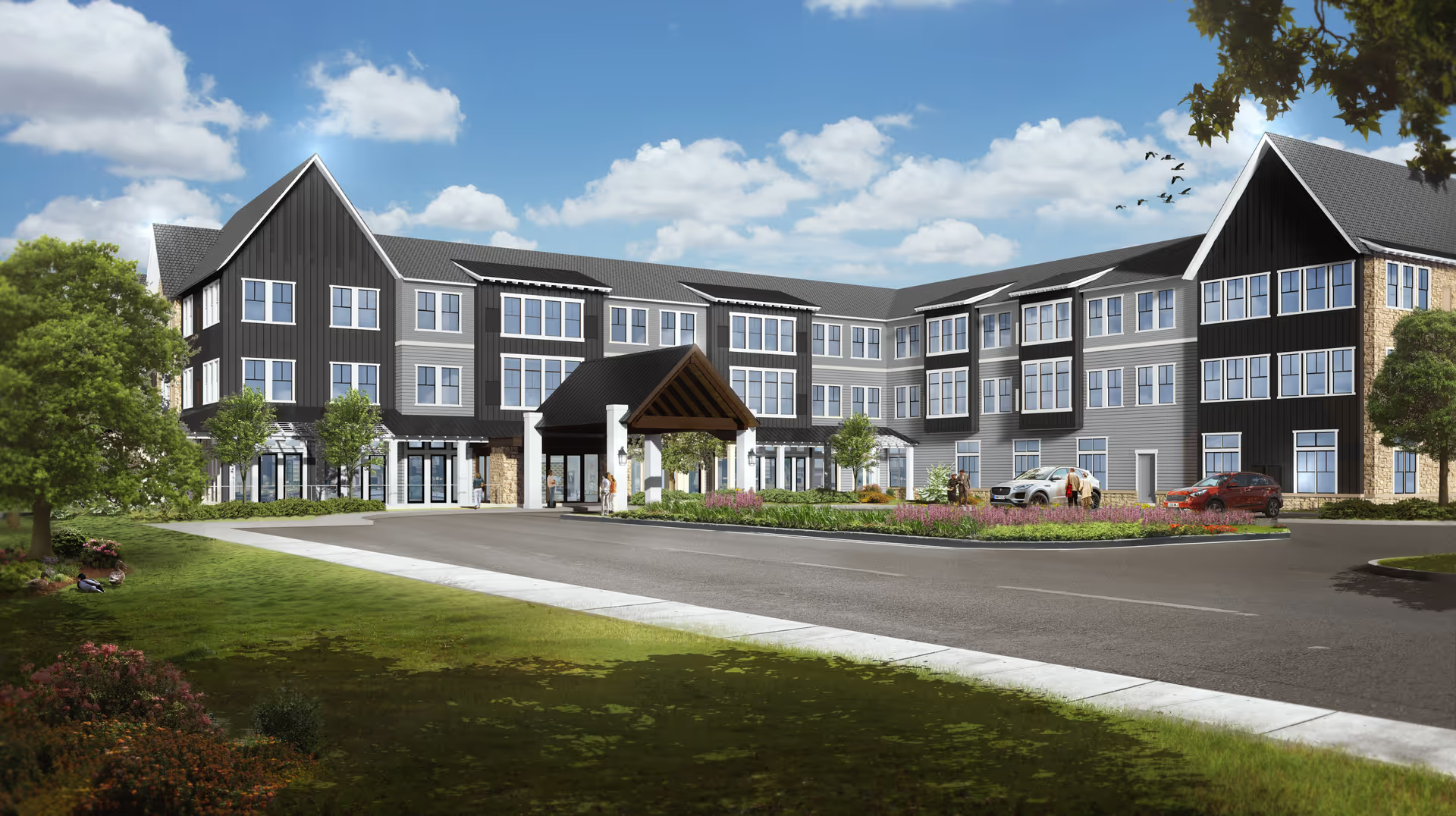
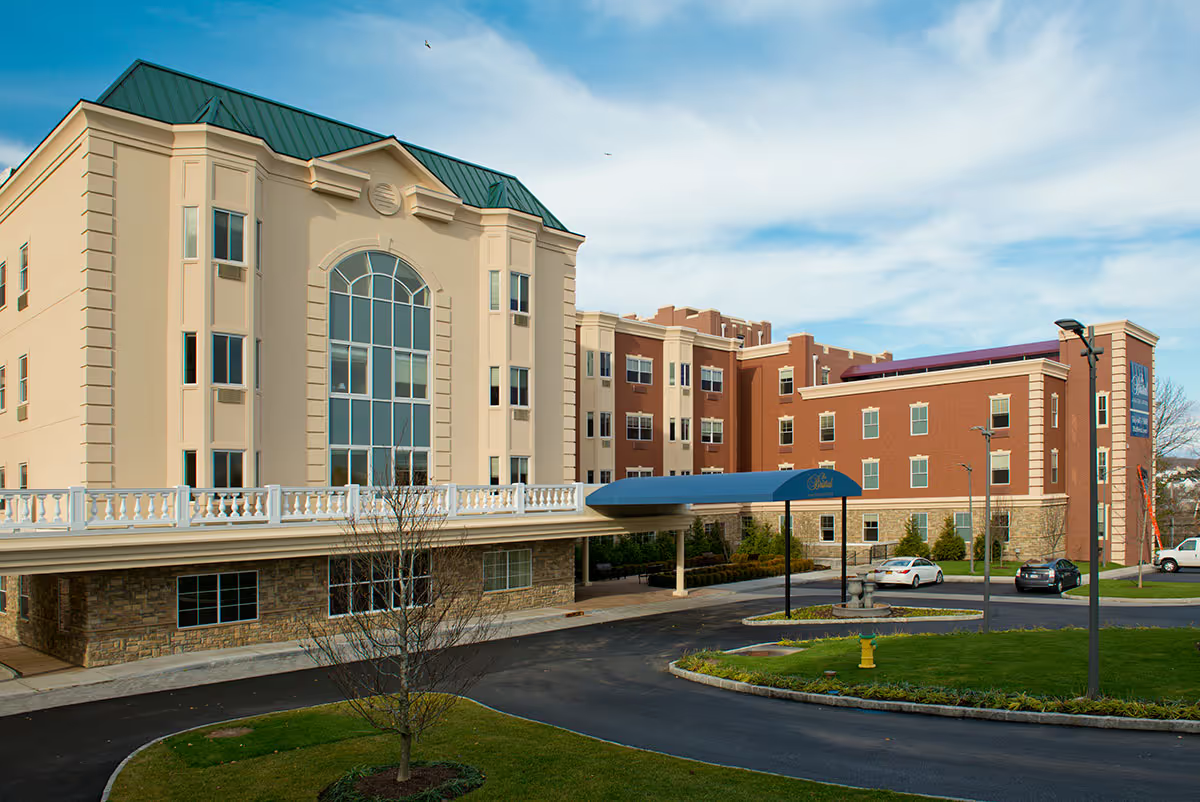
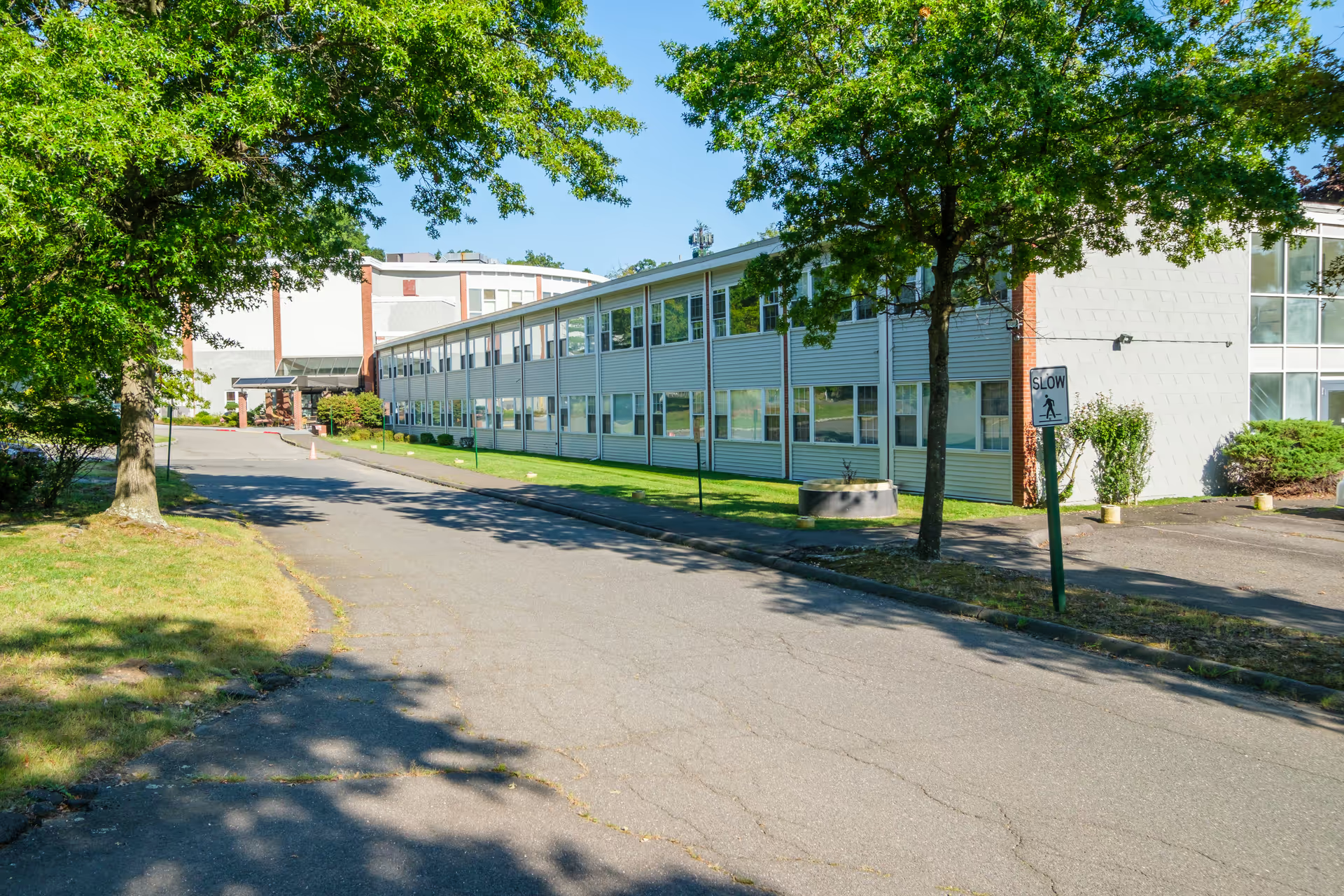
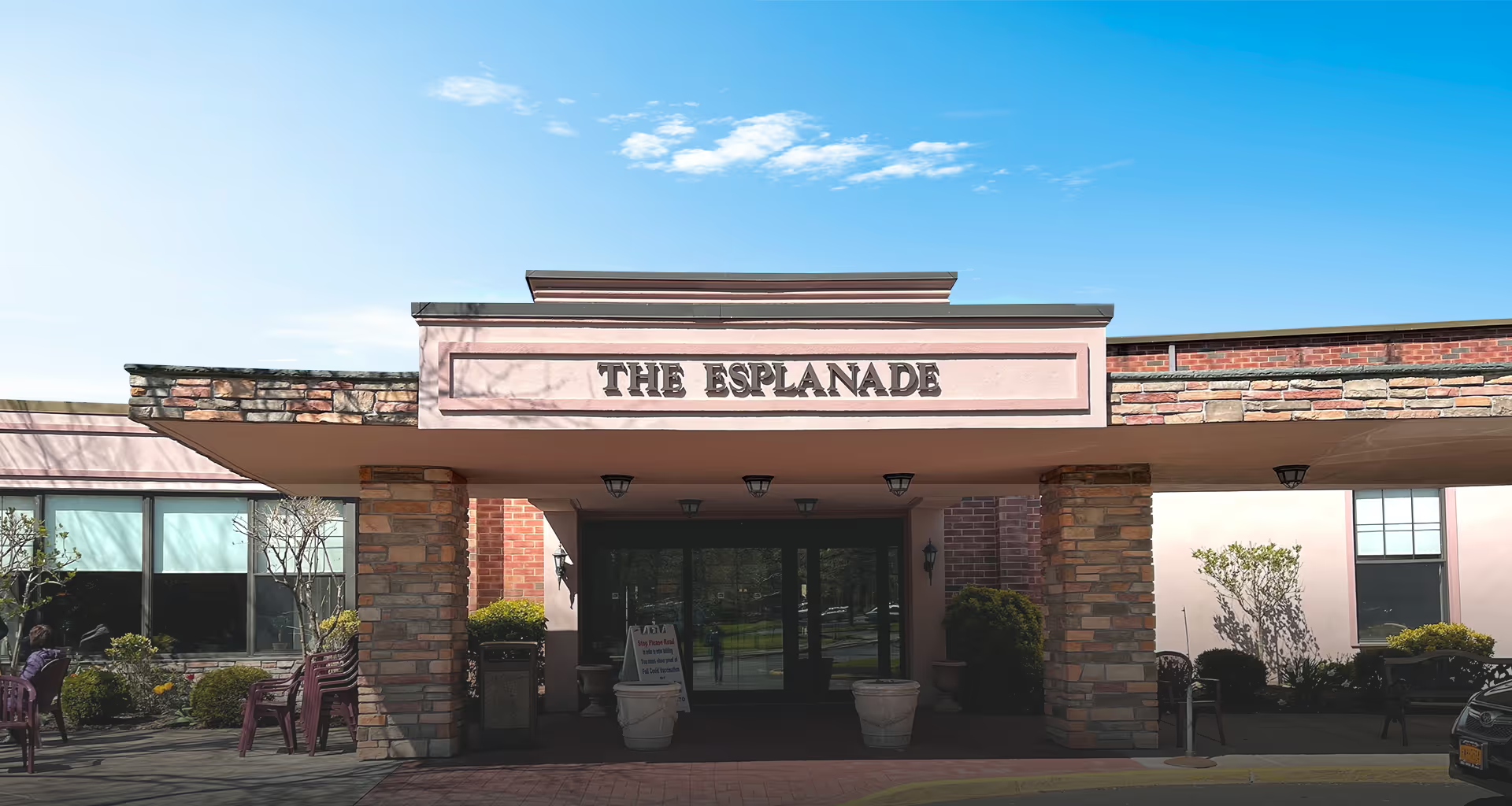
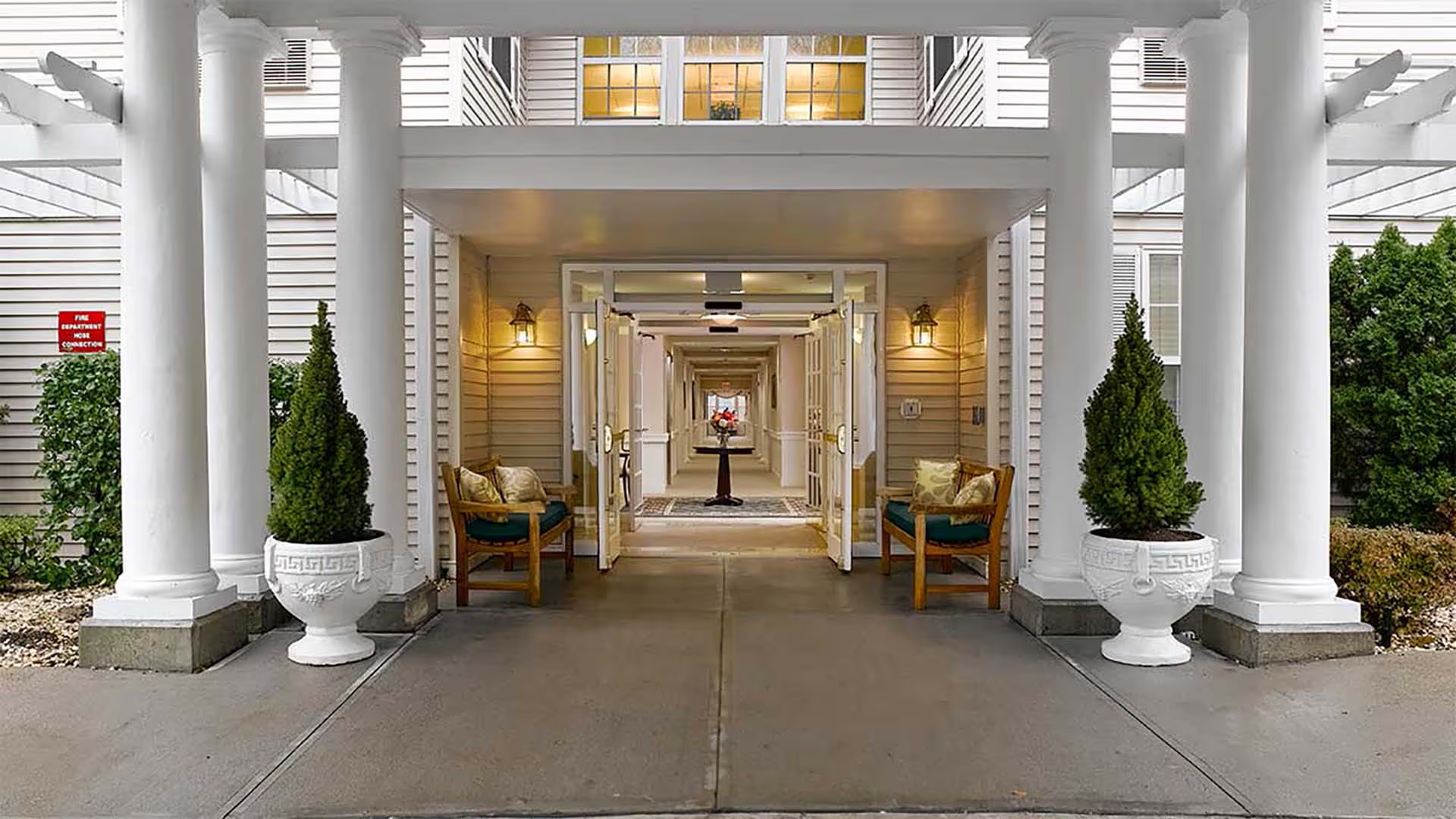
Brightview Tarrytown presents as a modern, well-appointed assisted living and memory-care community with many features that families praise. The physical plant, grounds, and common areas are frequently described as new, clean, and hotel-like; amenities such as a café, bar, theater, exercise room, salon, and multiple social spaces contribute to an active, restaurant-style environment. Residents and families commonly report a warm, socially engaging atmosphere and appreciate furnished apartment options, flexible dining times, and on-site outdoor walking areas.
Care quality reviews are mixed but show a strong clinical capability in many respects. Numerous families highlight attentive nursing, compassionate caregiving, and an overall sense that residents are treated with respect and dignity; reviewers specifically credited the nursing team and several unit-level leaders for positive health outcomes and effective support during the COVID period. However, there are recurring operational concerns related to medication processes and documentation: reviewers described inconsistent medication administration, instances where consent and appointment communication were unclear, and gaps in electronic record updates. These items suggest opportunities to strengthen medication oversight and ensure timely, auditable documentation of care plans.
Staffing and supervision are a common theme. Many reviewers praised individual caregivers, leadership accessibility, and staff responsiveness; community directors and care teams receive repeated commendation for friendliness and engagement. At the same time, several families identified variability in staffing levels—notably on weekends in the memory-care unit—which can affect response times and resident comfort. Relatedly, the physical layout of the memory-care floor drew comments that, while attractive, may reduce direct visibility and ease of supervision because of multiple doorways and long corridors. These operational traits indicate the need for consistent staffing patterns and possible workflow adjustments to match the memory-care environment.
Dining and activities are strengths for the community overall. The dining room ambience is often likened to a first-class restaurant, and many reviewers praised meal variety, fresh choices, and 24-hour access to food bars. A minority of reviewers found some meals unappealing or inconsistent, suggesting variability in menu execution. Programming is broad — exercise classes, arts, field trips, and afternoon social hours are commonly offered — and residents report meaningful social engagement. Participation levels and program consistency were more variable in some accounts, pointing to opportunities to broaden outreach and tailor scheduling to resident interest.
Management and communications receive both positive and critical feedback. Families frequently note accessible leadership, accommodating move-in processes, and proactive executive engagement. Conversely, a number of reviews document communication lapses with families about clinical appointments, care-plan adherence, and timely notifications; these comments align with the documentation and medication-process concerns and indicate areas where standardizing communication protocols could improve family confidence. Additional, localized issues such as inconsistent room-level housekeeping, occasional food-quality variability, and parking/site-access constraints were noted and may be addressable through operational tweaks.
In sum, Brightview Tarrytown demonstrates many hallmarks of a high-quality, modern senior community: caring staff, attractive facilities, varied programming, and strong clinical resources. The primary patterns of concern center on operational consistency — medication and documentation controls, staffing reliability in memory care, room-level housekeeping consistency, and certain communication processes. Prospective residents and families should weigh the strong positive aspects (facility, staff warmth, activities) against these operational areas, and consider asking leadership about specific protocols for medication oversight, weekend staffing levels in the memory unit, and family-notification procedures during touring and decision-making conversations.