Overall impression: The Bristal Assisted Living at Armonk elicits strongly polarized impressions. Many families and residents describe a resort-style, immaculately maintained community with abundant on-site amenities, engaging programming, and compassionate direct-care staff. At the same time, there are recurring operational concerns — especially around staffing, clinical coverage for cognitive impairment, and billing/administrative clarity — that prospective residents and families should evaluate closely.
Care quality and clinical services: Numerous accounts highlight individualized care plans, effective rehabilitation transitions, and accessible nursing/wellness staff who contribute to measurable improvement for some residents. On-site clinical supports and occasional in-room diagnostics were cited as conveniences that enhance continuity of care. Conversely, a pattern of limitations for higher-acuity cognitive needs is evident: families reported insufficient memory-care resources and limited evening mental-health coverage, and some described needing to arrange additional private aides. There are also mentions of inconsistent medication administration and documentation that suggest variability in clinical processes.
Staff and culture: Direct-care staff are frequently characterized as kind, patient, and family-oriented; many reviews commend aides, housekeeping, and wellness personnel for attentiveness and personal engagement. At the same time, reviewers noted chronic staffing shortages, weekend/evening coverage gaps, and elevated staff turnover. Leadership receives mixed assessments — some families praise visible, responsive directors and hands-on management, while others describe frequent leadership changes and communication breakdowns. There are occasional concerns about communication tone during stressful interactions with families.
Dining and activities: Dining impressions are mixed but generally positive. Several reviewers describe high-quality, flavorful meals with dietary accommodations and pleasant dining spaces; others report delays in meal service, order inaccuracies, and variability in food quality. The activities program is widely regarded as a strength: residents have access to exercise classes, arts programming, movies, social outings, and a broad events calendar that supports social engagement and wellness. Some reviewers noted limited evening programming or small-group options for residents with lower mobility or higher care needs.
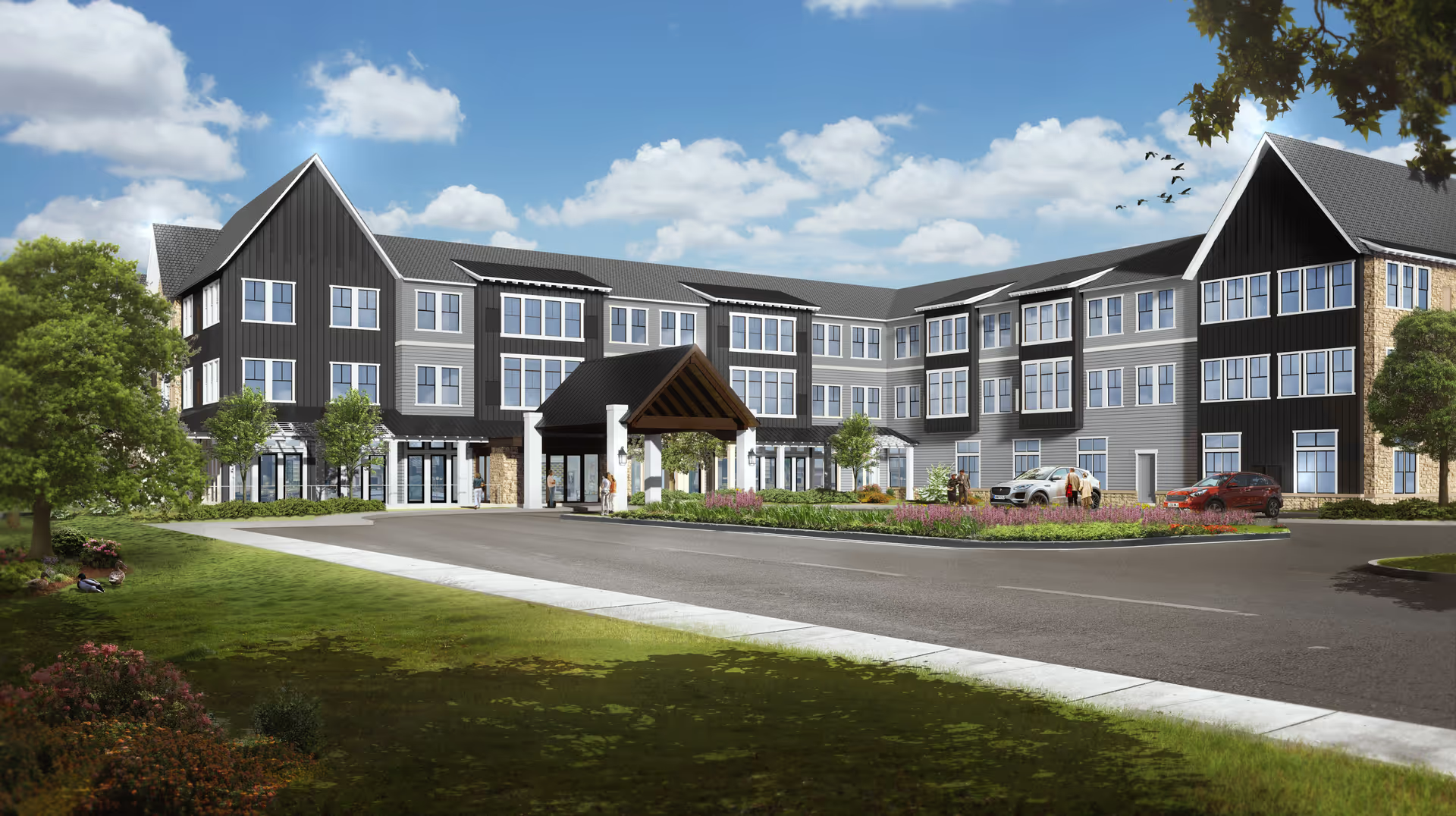
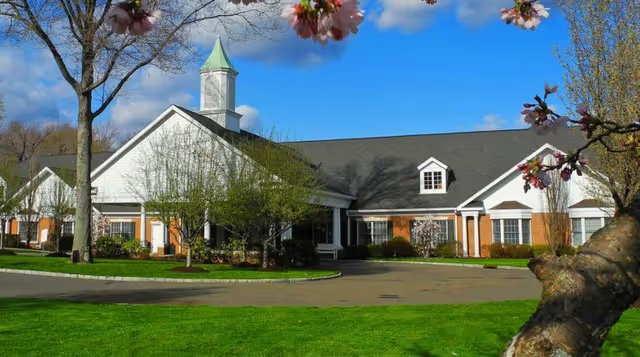
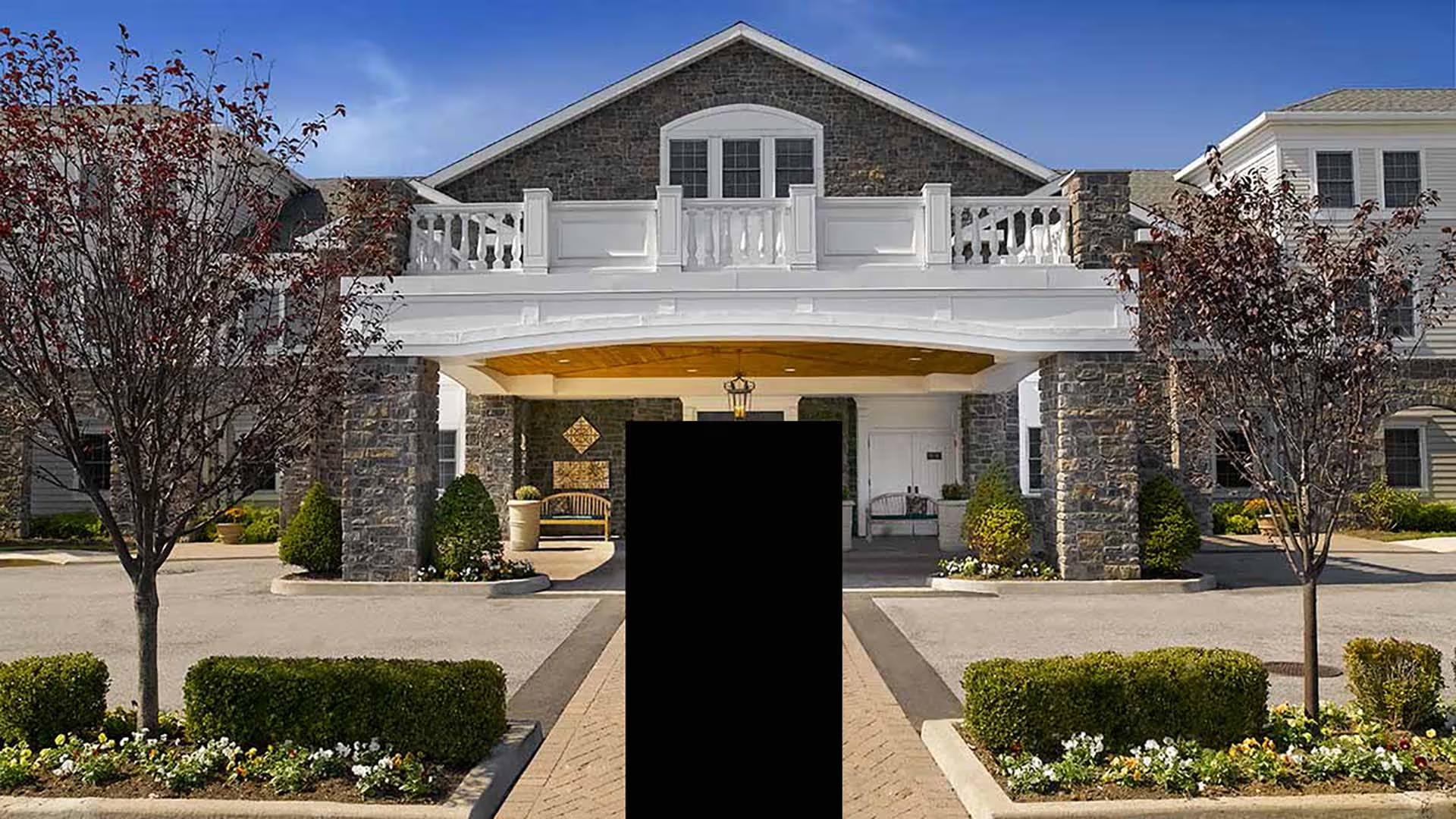
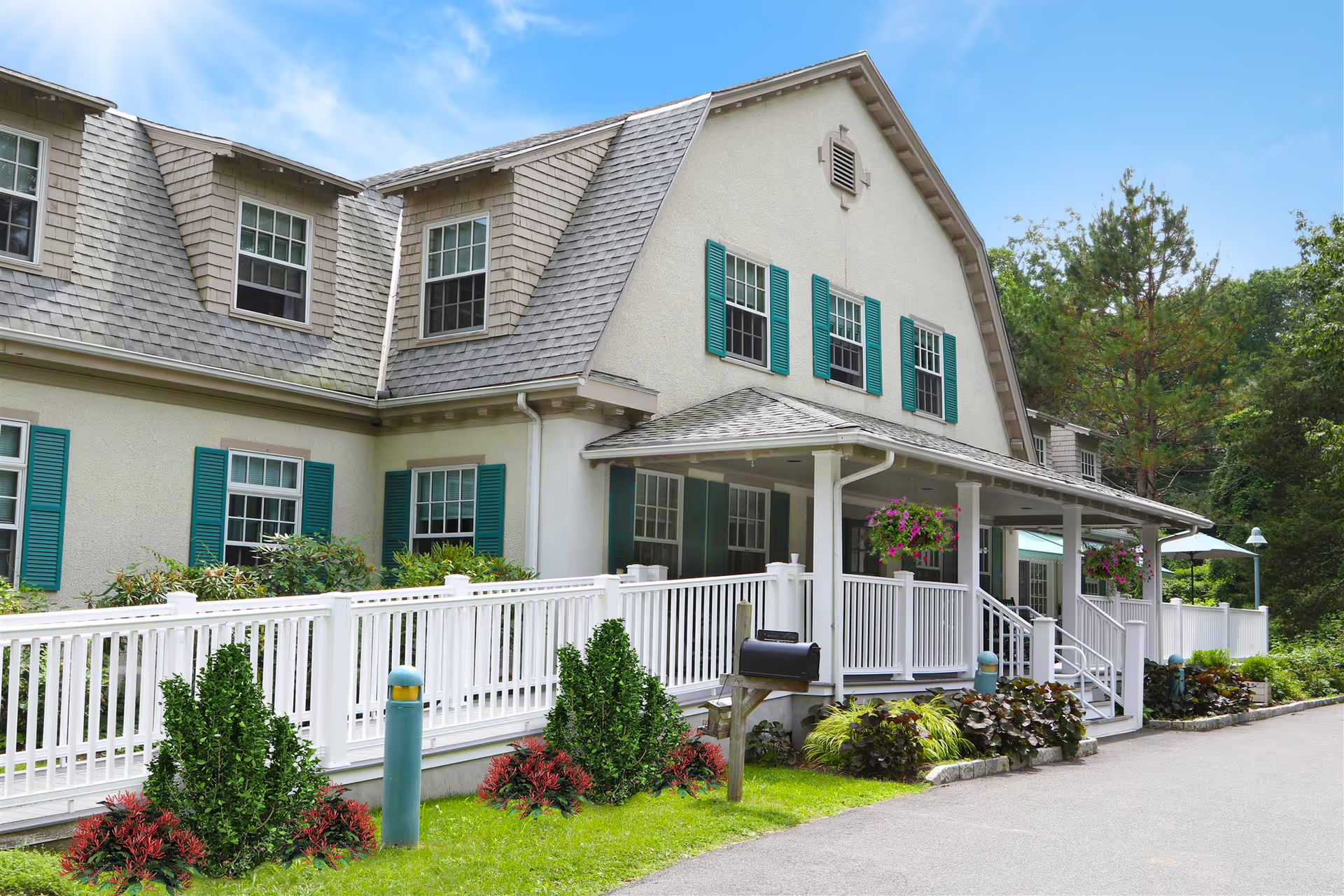
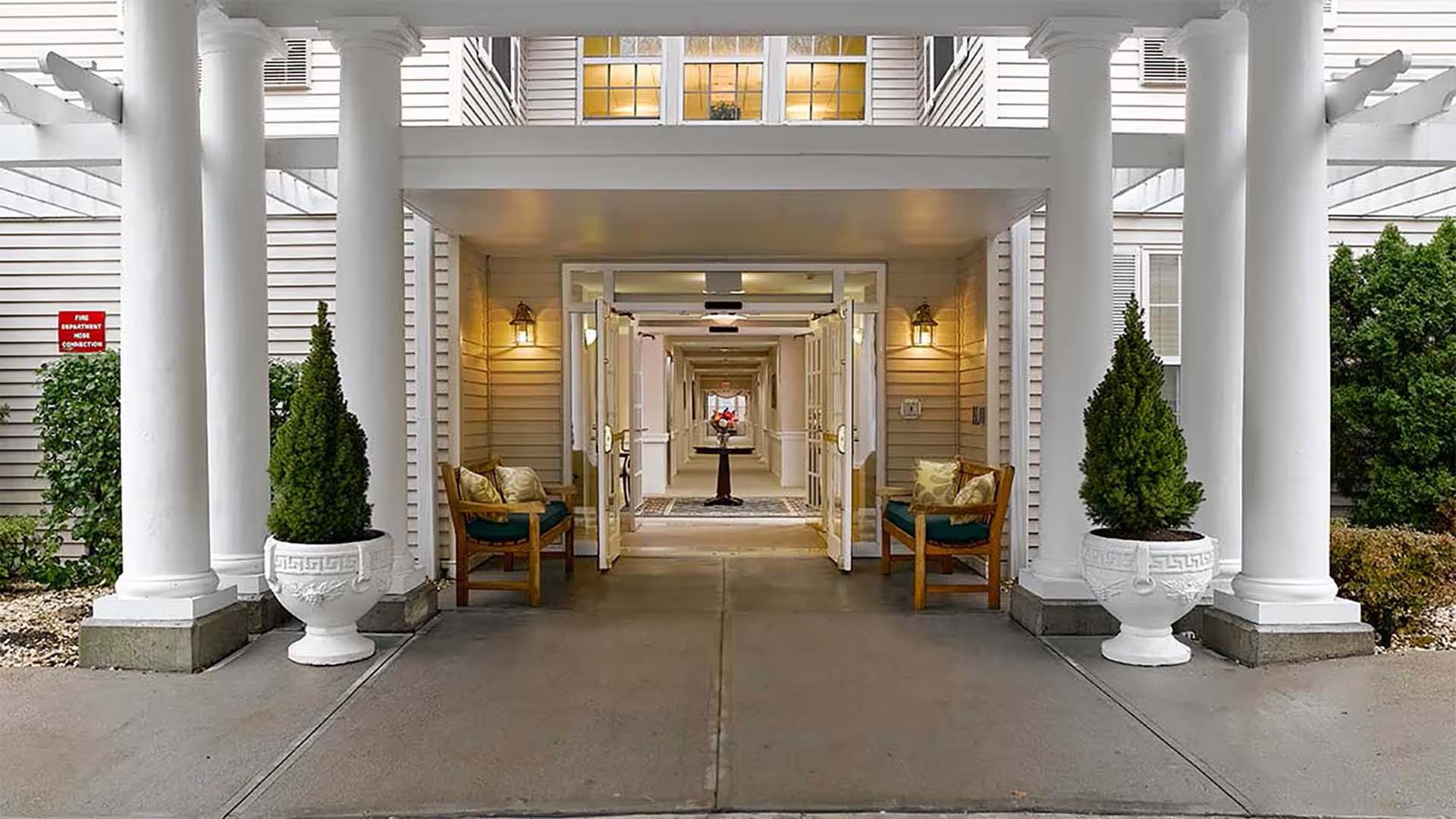
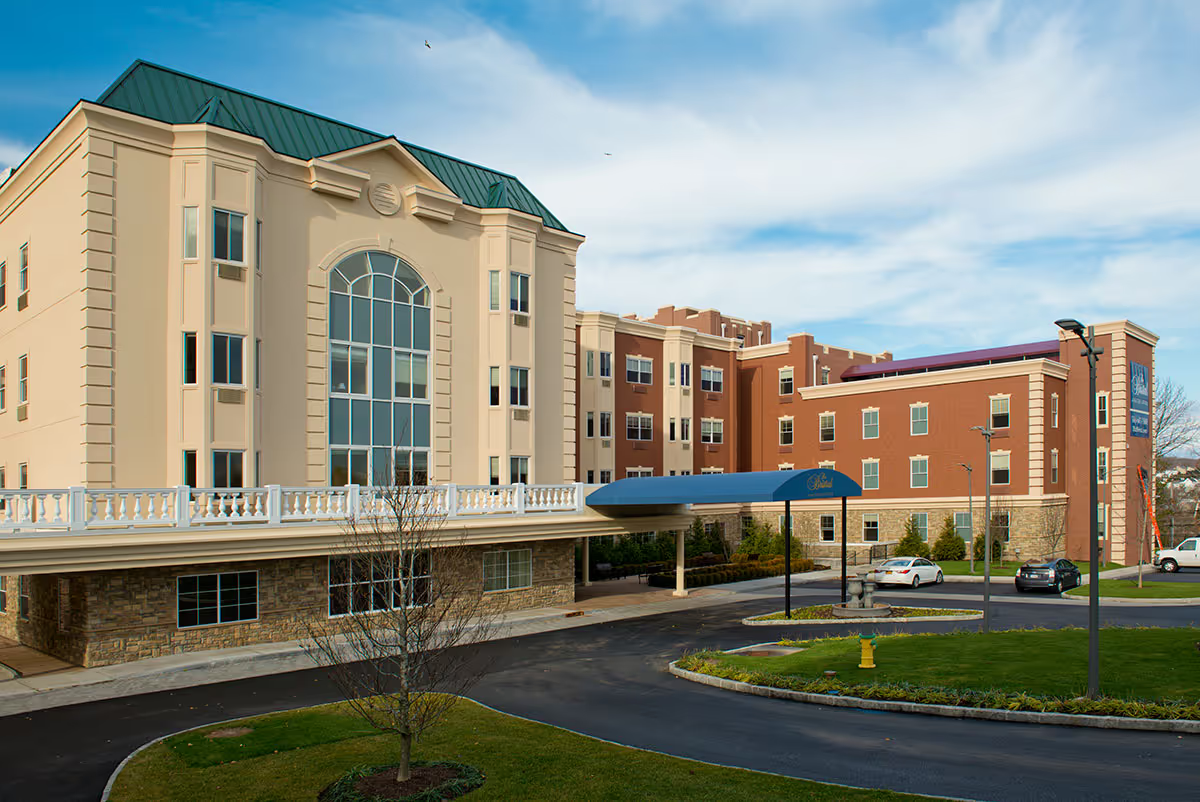
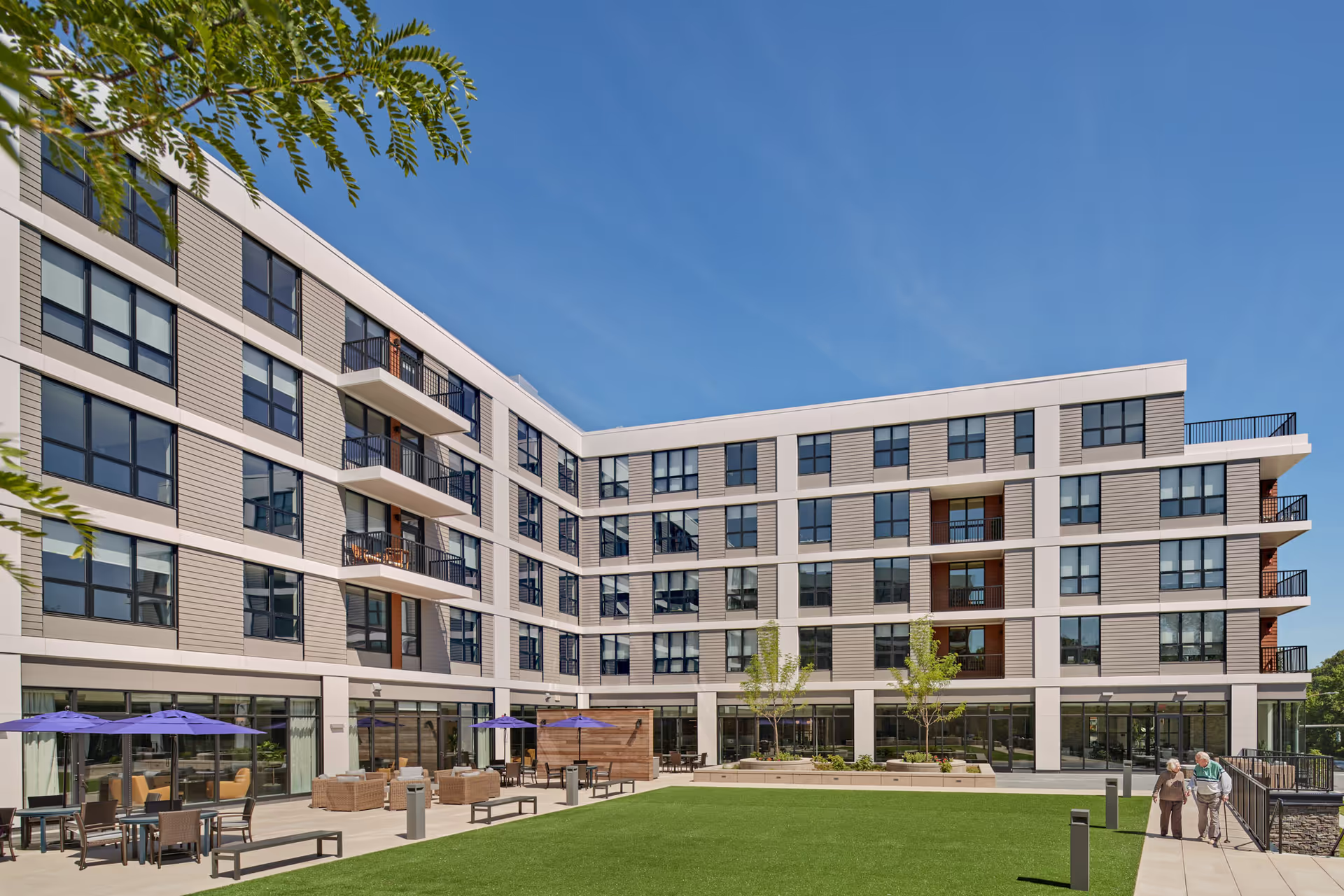
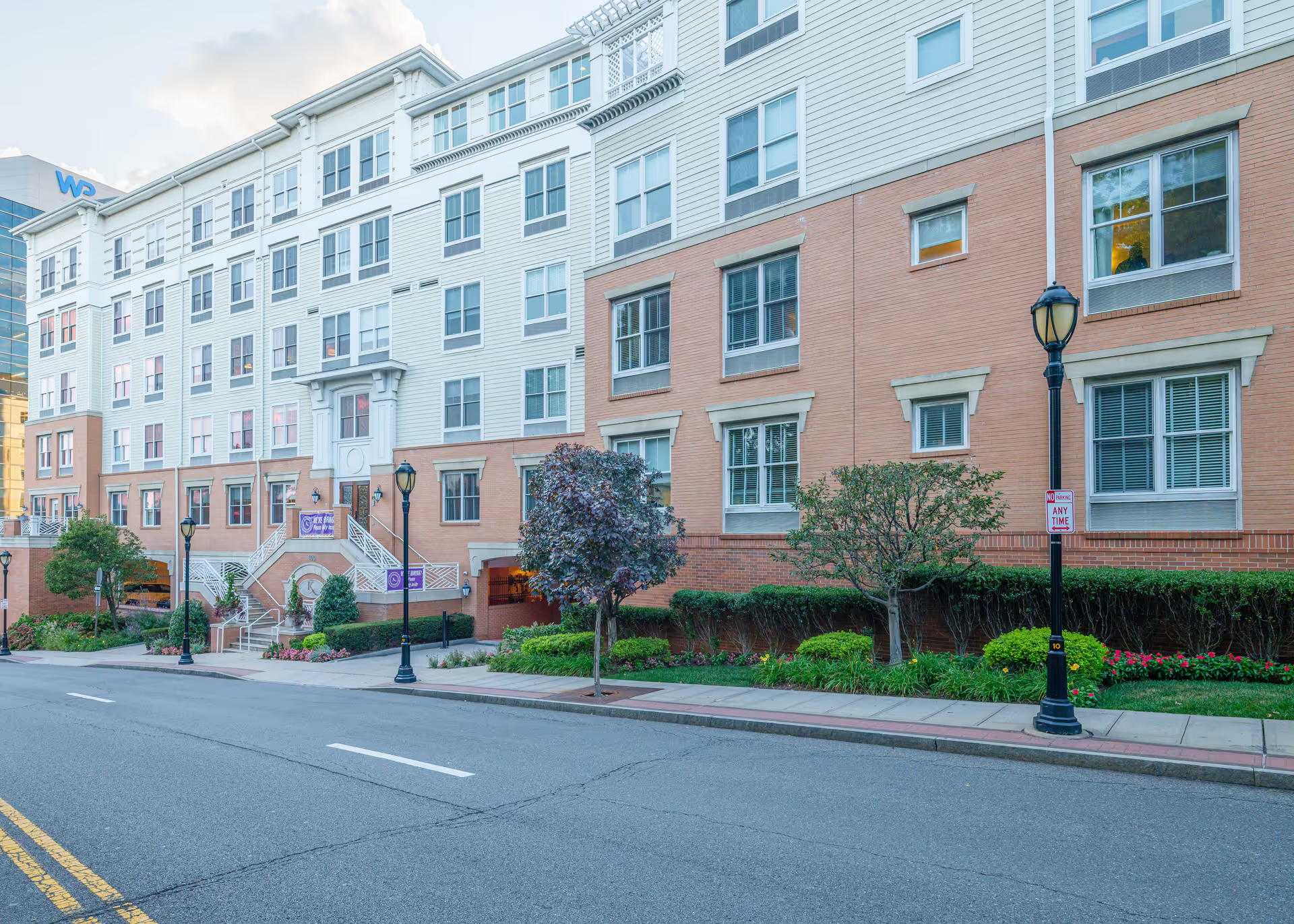
Facilities and amenities: The physical environment is a prominent strength. The building and grounds are described as modern, thoughtfully designed, and hotel-like with multiple living rooms, a movie theater, fitness spaces, and salon services. Housekeeping and maintenance are generally reported as responsive. A few reviewers described limited outdoor space or areas perceived as dim, which may affect resident preference for natural-light exposure and outdoor access.
Management, billing, and administration: Administrative experiences vary considerably. Positive comments include straightforward move-ins and accessible directors; negative feedback centers on opaque billing practices, lack of itemized receipts, contract omissions (for example, unclear policies on over-the-counter medications and vitamins), accounts-receivable dysfunction, and occasional mishandling of mail. These administrative issues are operational traits that prospective families should clarify before committing. There are also isolated, serious allegations concerning infection-control communication and post-incident family interactions; these items warrant direct inquiry and documentation when assessing risk.
Notable patterns and advice for families: The dominant pattern is a split between very positive quality-of-life reports and operational concerns that disproportionately affect residents with higher clinical or cognitive needs. Prospective residents should prioritize written answers to specific questions: staffing ratios by shift, evening clinical/mental-health coverage, documented memory-care program capabilities, sample contracts with billing line items and refund/extra-service policies, medication-administration protocols, meal-service schedules and accommodation procedures, transportation availability for medical appointments, and recent staff turnover metrics. A site visit during an evening or weekend, and conversations with day and night staff, can help validate consistency of care across shifts.
In summary, The Bristal at Armonk presents strong environmental and programmatic advantages that support resident engagement and comfort, but families should conduct focused due diligence on staffing consistency, dementia-care capacity, and administrative transparency to ensure the community meets the specific clinical and financial needs of their loved one.