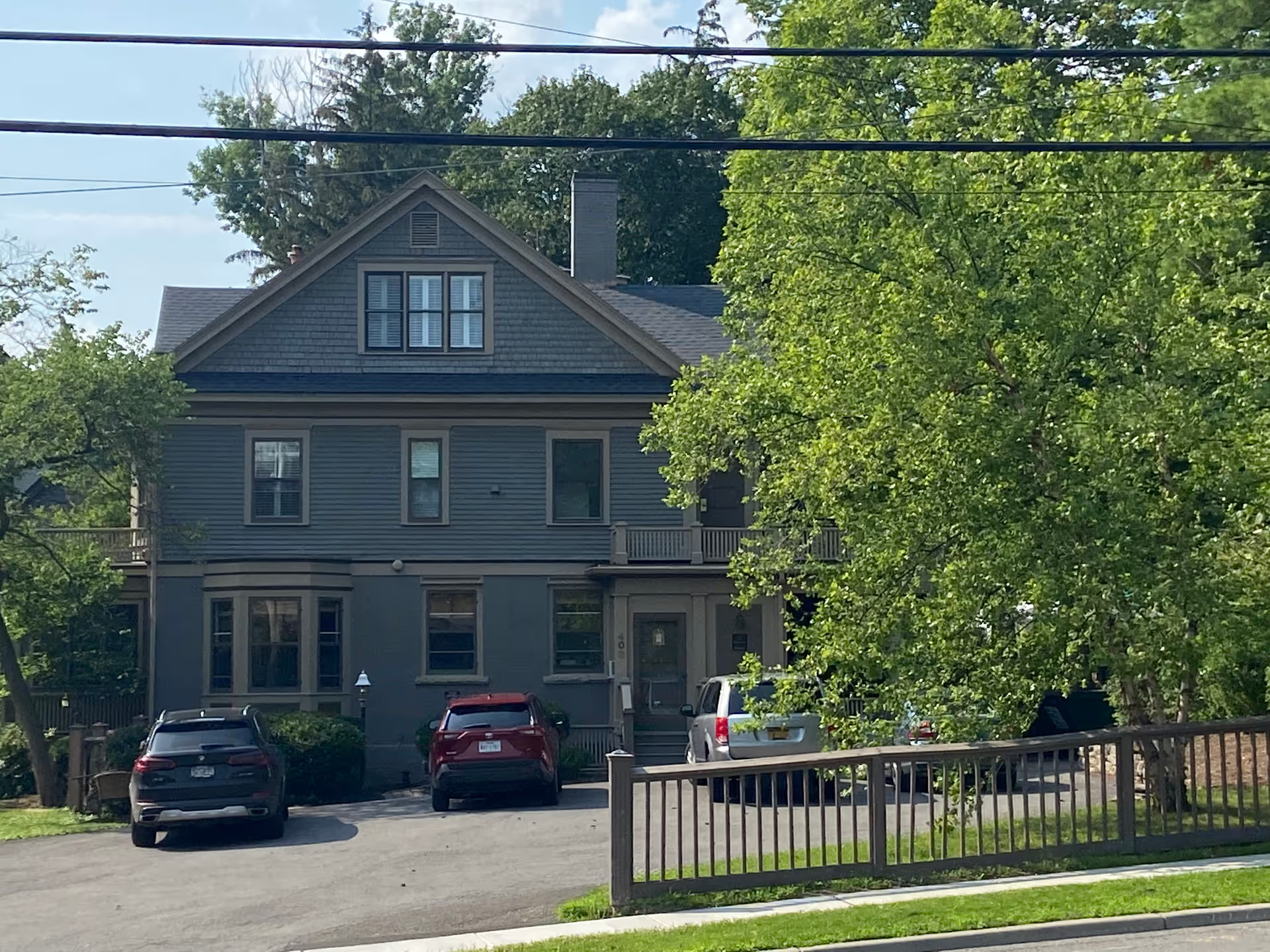
Reviews of Bridgewater Center for Rehabilitation and Nursing present a strongly polarized picture that is important for prospective residents and families to weigh. On the positive side, many accounts underscore a core of committed clinical and therapy staff: nurses, nurse aides, and rehabilitation teams are repeatedly described as caring, effective, and instrumental in patient progress. The facility operates a robust rehabilitation program with on-site specialty services (ventilator care, outpatient dialysis) and a therapy culture that several families credit with measurable functional gains. Front-desk and admissions staff are frequently noted as welcoming, and communal amenities such as garden areas, solariums, and activities like bingo are cited as meaningful quality-of-life contributors.
At the same time, reviews reveal recurring operational weaknesses that appear systemic rather than isolated. Sanitation and laundry handling inconsistencies, along with odor concerns and incontinence-care delays in some areas, are frequently cited. Multiple reports raise concern about delayed staff responsiveness — including call bell and alarm reliability — and apparent understaffing, especially on night and weekend shifts. There are also repeated mentions of medication-management issues and unsecured medication-related supplies, which families flagged as a clinical safety risk. These patterns are associated with gaps in wound and catheter-care processes, missed or delayed therapy sessions for some residents, and inconsistently managed transfers that increase fall risk.
Dining and daily-living services are another area of variability. Some reviewers praise accommodating kitchen staff and therapeutic diet services, while others describe inconsistent meal delivery, cold or poorly received meals, and missed meals. Activity programming and social engagement are generally seen as strengths when present, but several long-term residents and families noted limited or inconsistent programming on certain units. Facility condition is described variably as well: parts of the building are clean and well-maintained, but reviewers also reference aging infrastructure, small non-accessible bathrooms, and areas needing renovation.
Management and communication emerge as a mixed picture. Positive interactions with individual managers and staff are documented, yet there are numerous complaints about slow or inadequate responses to concerns, inconsistent follow-through on family inquiries, and occasional incidents that prompted regulatory complaints or legal action. Allegations of serious incidents appear in some reviews; these accounts have been escalated by families and, in at least a few cases, led to formal complaints. Security and property-control concerns (including reported instances of missing items) were also raised by families and should be clarified during a visit.
What this body of feedback suggests is a facility with clear strengths in clinical rehabilitation and individual caregivers, combined with operational vulnerabilities in staffing consistency, sanitation processes, medication controls, and facility maintenance. Prospective residents and their families should consider an in-person tour that includes conversations about staffing ratios (especially nights/weekends), infection-control and laundry protocols, medication-safety practices, therapy scheduling and goals, meal-service plans, and grievance/incident procedures. Asking for recent inspection reports, examples of corrective actions, and references from current or recently discharged families can help assess whether the facility’s positive elements will align with a prospective resident’s needs.