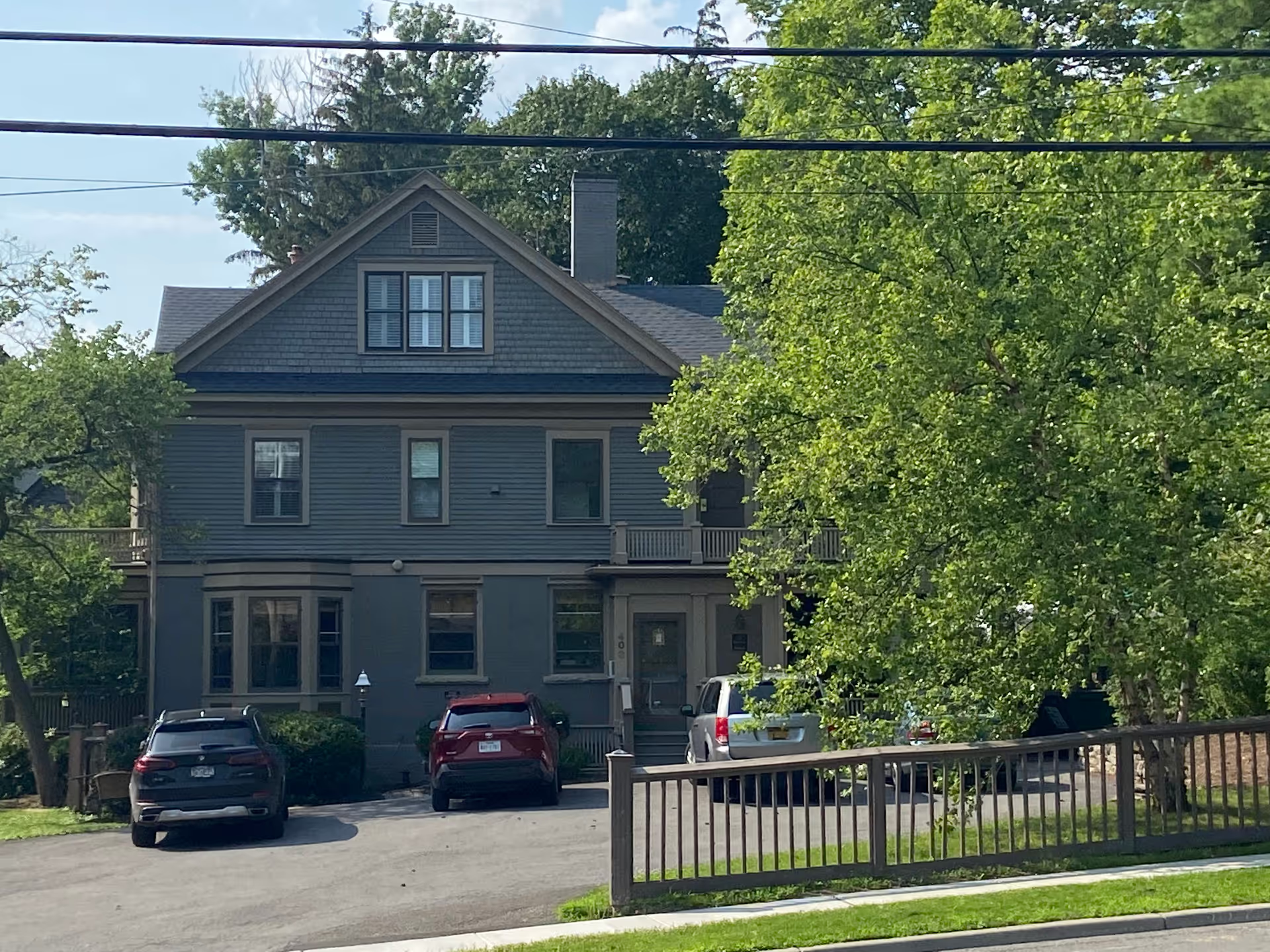
Overall impression is mixed: families and residents commonly praise the facility's on-site rehabilitation services, personable caregiving staff, and generally clean, spacious environment, while also reporting operational and continuity gaps that can affect everyday quality of life. The campus offers clear strengths for short-term rehabilitation and communal activities, yet several accounts indicate variability in how consistently those strengths are delivered over time.
Care quality and therapy: The facility's in-house physical therapy is frequently described as strong, and some residents achieved measurable progress during short-term stays. However, reports indicate gaps in restorative-therapy continuity and follow-up care; in a few cases progress made in therapy was not maintained because ongoing restorative services were inconsistent or unavailable. This creates a mixed picture for prospective residents who require longer-term rehabilitation or gradual functional improvement.
Staffing and day-to-day caregiving: Staff are generally described as friendly and attentive, and social-work support is noted as helpful. At the same time, multiple accounts refer to staffing shortages and overwhelmed employees, particularly during infection-control periods, which corresponded with delays in attending to basic needs and irregular personal-care schedules. These staffing constraints appear to be a primary driver of responsiveness issues and service variability.
Dining and activities: Activity programming has positive elements — bingo with prizes and social gatherings were enjoyed by residents — and the facility provides spaces such as a chapel and needlework room. Conversely, meal service was described as inconsistent in quality and temperature, with at least some family members finding food unpalatable. Prospective residents may wish to observe mealtimes and ask about kitchen staffing and meal-delivery procedures.
Facilities and environment: Many accounts describe the building and common areas as clean, neat, and welcoming, with spacious rooms. Other observations highlight a dim, grey atmosphere in parts of the facility and limited in-room communications (for example, phone access), which can affect resident comfort and family contact. Overall maintenance appears acceptable, but lighting and ambiance may feel institutional to some residents.
Management and notable patterns: There are expressed concerns about management priorities and the facility's operational model; these concerns relate to staffing allocation, therapy continuity, and business decisions that families felt impacted care. Infection-control policies implemented during public-health events were described as rigid and contributed to limited visitation; families should ask about current visitation flexibility and infection-control protocols. Several accounts also raised questions about transitional planning for residents whose needs escalate — prospective families should inquire about how the facility supports transitions to higher levels of care and how discharge or transfer decisions are handled.
Recommendations for prospective families: visit during a weekday and observe staffing and mealtimes, ask specific questions about restorative-therapy availability and continuity, verify bathing and personal-care schedules, confirm in-room communication options, and request information on staffing ratios and contingency plans during staffing shortages. Doing so will help assess whether the facility's strengths — rehabilitation capability, attentive staff, clean environment, and active programming — align with an individual resident's ongoing care needs and expectations.