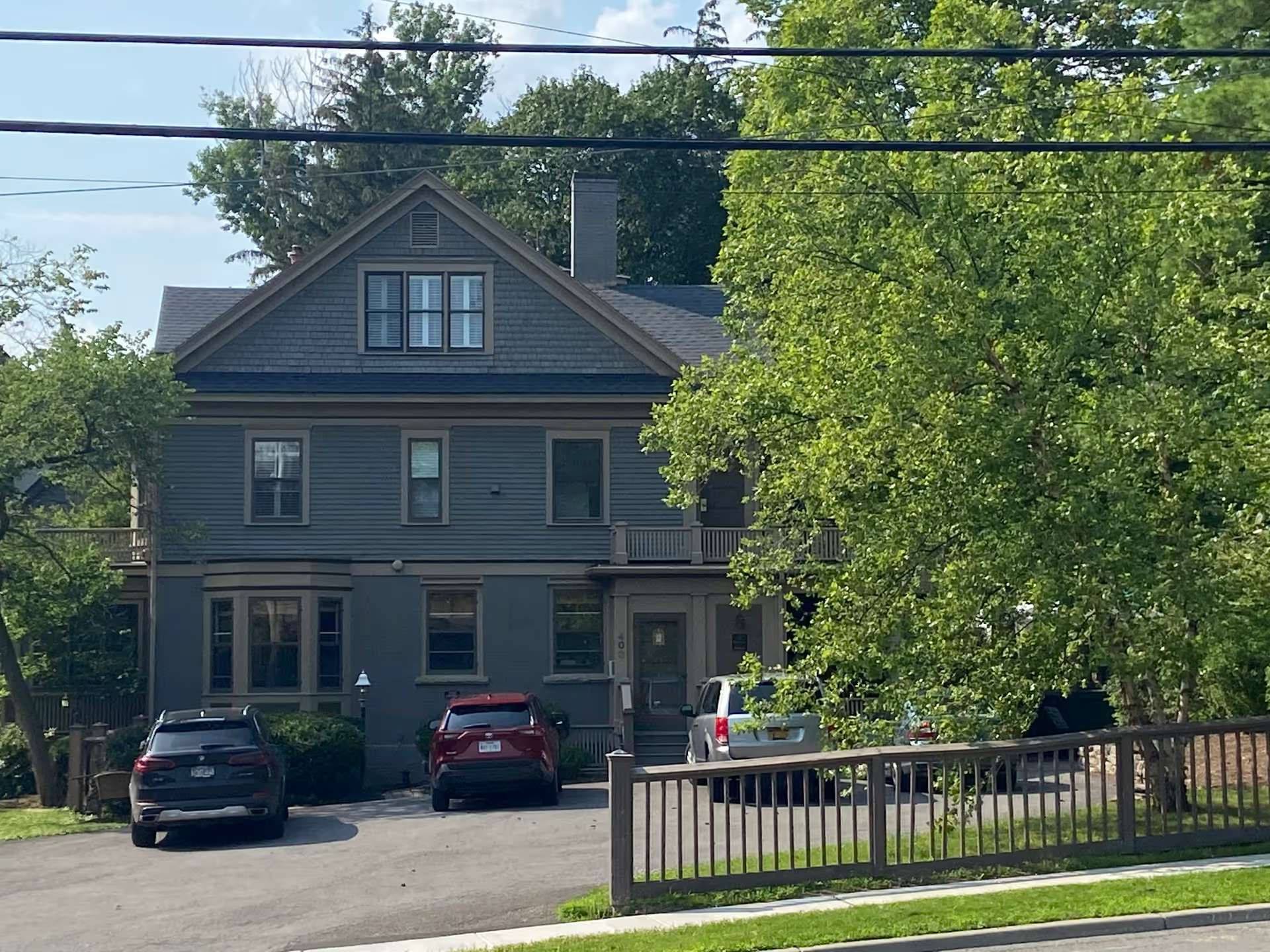
The reviews present a mixed but consistent pattern: the facility offers many of the amenities and social supports families seek, while operational and management shortcomings create variability in the resident experience. Strengths include a clearly active social program — yoga, prayer groups, clubs, outings, games, and leagues are commonly cited — and a full range of on-site services such as a cafe, salon, podiatry, bank, and transportation. Independent-living apartments are described as roomy and well-equipped (kitchen, walk-in showers, individual climate control), and the grounds and interior spaces are frequently characterized as clean, hotel-like, and homey.
Clinical and day-to-day care quality is uneven. Numerous accounts emphasize compassionate, professional direct-care staff and effective therapy teams that support recovery and safe discharges. At the same time, reviewers describe staffing shortages, slower-than-expected response times, and inconsistent handoffs that have affected timely assistance and medication administration. Several families described missed injections, delayed notifications, and perceived changes in care continuity when coverage or payment sources changed — indicating gaps in clinical coordination and follow-through.
Communication and administrative processes are a recurring concern. Admissions and intake procedures are characterized as inconsistent, with examples of lost paperwork, unclear waitlist handling, and confusing move-in scheduling. Families also reported difficulties getting timely callbacks and resolving billing or inventory questions. Relatedly, there are serious operational control issues raised around finances and personal property: missing money, inventory not documented, and lack of secure asset controls were described, and at least some accounts framed these as allegations rather than routine administrative errors.
Dining and housekeeping receive mixed evaluations. Many residents appreciate the dining areas, daily snacks, and certain meals described as delicious, while others reported cold or lower-quality meals on occasion. Cleanliness and maintenance are generally praised for common areas and corridors, and maintenance responsiveness is noted positively; however, a number of comments indicate variability in housekeeping and unit-level sanitation standards.
Management and leadership consistency appears to be a driver of variability. Several reviewers contrasted a stronger pre-pandemic experience with a perceived post-pandemic decline in administrative competence and staffing stability. Positive experiences often hinge on individual staff members or specific shifts (nurses, aides, or therapy staff) who are described as exemplary; negative experiences more often point to systemic issues such as understaffing, inconsistent policies, and weak financial controls rather than the behavior of frontline caregivers alone.
For prospective residents and families: the facility offers robust programming, convenient amenities, and strong rehabilitation services in a pleasant physical setting. Those considering move-in should prioritize direct conversations about admissions timelines, staffing ratios, medication and clinical oversight, asset-inventory policies, and meal-service expectations. Visiting at different times of day and speaking with therapy staff, current residents, and families can help gauge how consistently the facility delivers on the strengths noted in many reviews and whether the operational concerns have been addressed.