The review set presents a highly polarized picture of Bronx Center for Rehabilitation and Nursing. Many families and residents describe very positive rehabilitative outcomes, caring individual staff, and an active social program; others raise significant operational and clinical concerns. Overall, the facility appears to deliver strong therapy-focused services and has staff and units that provide attentive, effective short-term rehabilitation and dialysis support. At the same time, recurring themes indicate variability in the resident experience depending on unit, shift, and individual staff assignments.
Care and clinical quality: Several reviewers praised the facility's therapy teams and documented measurable functional gains (walking, mobility improvements) during short-term stays. Alongside these positive accounts are consistent concerns about inconsistent nursing coverage, slow responses to call bells, delays in attending to care needs, and skin-integrity and feeding-related worries. There are also reports raising questions about medication-administration practices; one particularly serious claim about improper handling of medication was described in the reviews and warrants investigation. Family communication about clinical events and transfers is another recurring concern: some families describe timely updates and collaborative planning, while others describe poor notification and difficult outreach during critical moments.
Staff and culture: The staff portrait is mixed. Many reviews single out individual nurses, CNAs, therapists, social workers, and administrators as compassionate, professional, and responsive. Conversely, other reviews describe inconsistent professionalism, brusque communication tone, and inexperienced staff on certain shifts (especially nights and weekends). Understaffing is a frequent operational theme that reviewers link to slower response times, perceived lower attentiveness, and greater variability in care quality.
Dining and hygiene: Accounts of dining vary widely. Several reviewers praise the food, meal variety, and social dining environment; many others describe inconsistent meal temperature, repetitive menus, late service, and concerns about kitchen hygiene practices. Cleanliness and sanitation are similarly mixed: some areas and units are described as clean and home-like, while others are described as having maintenance delays, odor concerns, and pest-control issues. These contradictions suggest uneven facility standards across units or shifts.
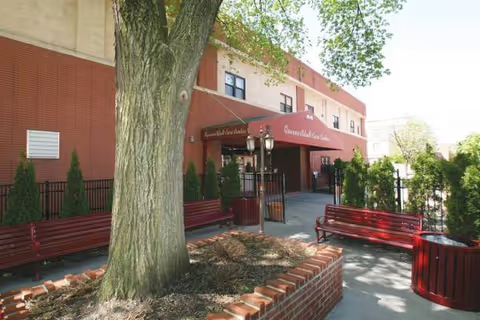
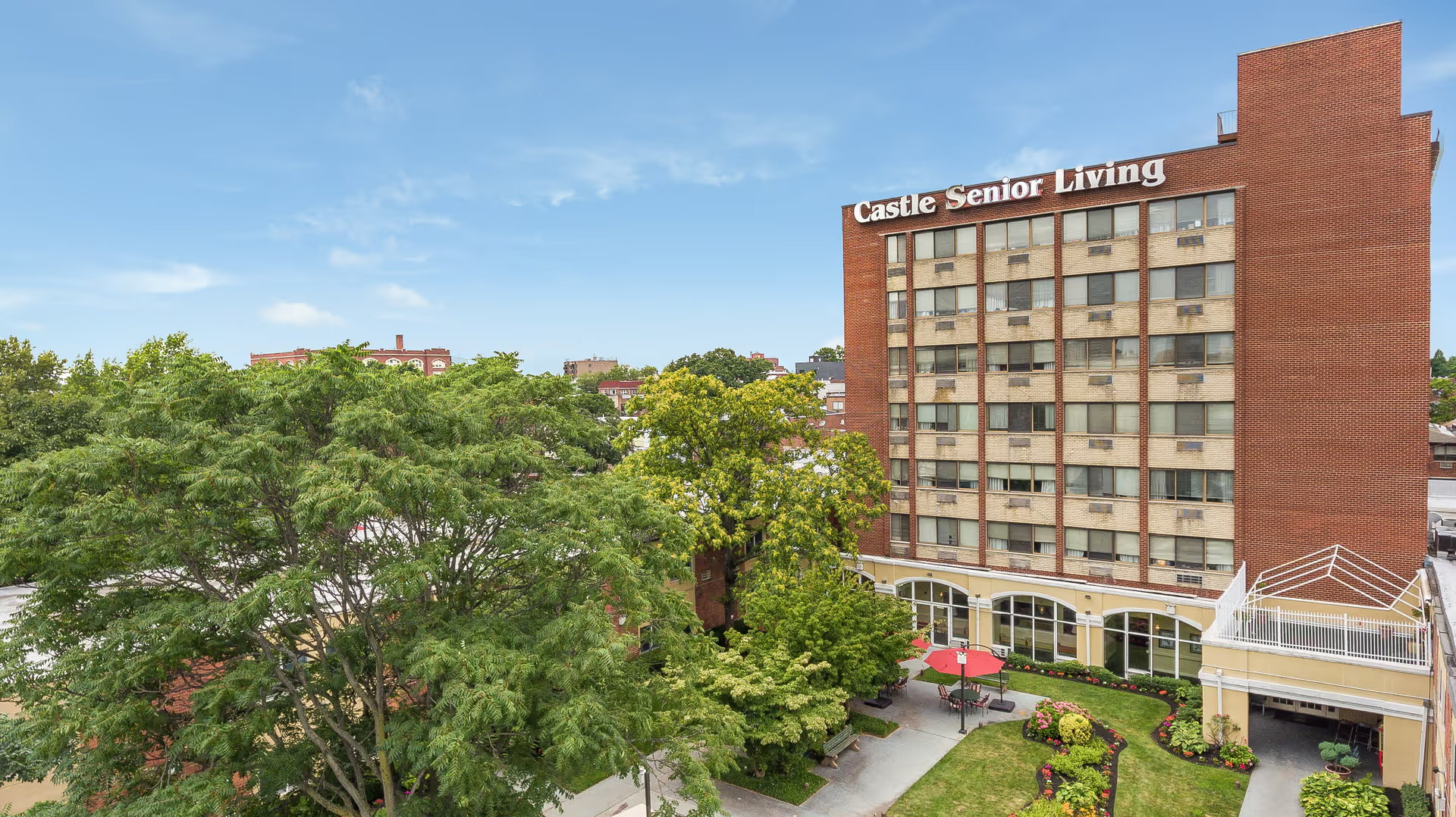
Facilities and maintenance: Positive comments highlight accessible outdoor space, activity areas, and a convenient location for family visits. Negative themes focus on aging infrastructure: broken or outdated equipment, elevator unreliability, delayed maintenance response, and overcrowded shared rooms. These facility-level issues appear to affect resident comfort and safety perceptions for some families.
Activities and social programming: Recreational programming receives consistent positive mention. Reported offerings include group activities, music events, seasonal parties, and therapy-based social interactions that many residents and families found meaningful. Recreation staff and therapists are commonly credited with contributing to a supportive rehabilitation environment.
Management and administration: Reviewers express a wide range of experiences with administration. Some families praise supportive social workers, admission teams, and particular administrators for clear communication and problem-solving. Other reviewers describe poor follow-up on complaints, perceived prioritization of finances over care, and concerns about property handling. A small number of very serious allegations have prompted calls for external review; these should be evaluated by appropriate oversight bodies.
Notable patterns and guidance for prospective families: The most consistent pattern is variability. Positive outcomes and high levels of satisfaction are often associated with particular units, shifts, or individual staff members; negative experiences frequently connect to understaffing, communication breakdowns, or maintenance lapses. Prospective residents and families considering this facility would be well served to visit the specific unit and shifts their loved one will occupy, ask about staffing ratios and infection-control protocols, review the facility’s communication and escalation processes, and inquire about maintenance and meal-service practices. Where there are acute clinical concerns or serious allegations in a given case, families should pursue direct documentation and, if warranted, external regulatory review.