Overall impression: Reviews portray Elm York Assisted Living as a facility with strong strengths in direct care, dining, and social programming alongside a generally well-maintained physical environment. Many families and residents describe consistent compassion from aides, proactive case managers, on-site nursing and physician coverage, and a leadership team that presents as engaged and family-oriented. These strengths are frequently tied to visible staff members (administrators, case managers, dining staff) who are described as available and communicative.
Care and clinical services: Clinical care is a prominent strength. The facility is credited with attentive home health aides, on-site nurses and physicians, timely emergency response, and access to physical therapy and dialysis support. Case management is often highlighted as proactive and personalized. At the same time, reviews describe variability in some operational care areas: medication-administration practices and nursing responsiveness appear inconsistent across shifts, and case-management assignments change with some frequency. Prospective families should confirm current medication protocols, staffing patterns, and on-call nursing coverage as part of a tour and intake discussion.
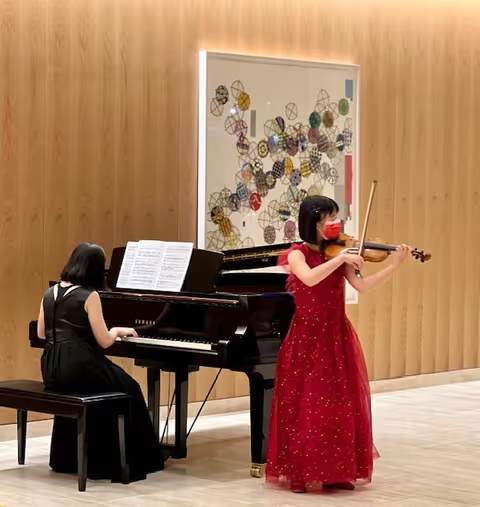
Dining and activities: Dining is repeatedly cited as a positive element — nutritious, flavorful meals, a dietician on staff, and a warm communal dining atmosphere. Breakfast is singled out as particularly strong and many reviewers appreciate menu variety and dietary tailoring. That said, a limited number of comments mention inconsistency in the quality of certain dishes and a perception of cafeteria-style service at times. Recreation and social programming are well developed, with regular activities (music, arts, church services, cooking classes, outings) that many residents find engaging and life-enhancing.
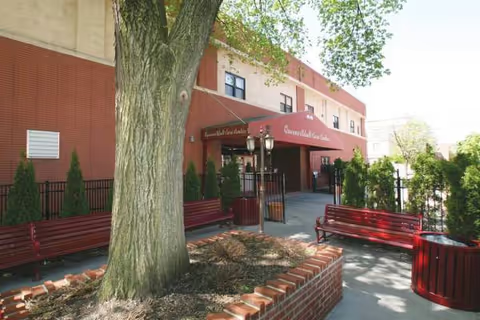
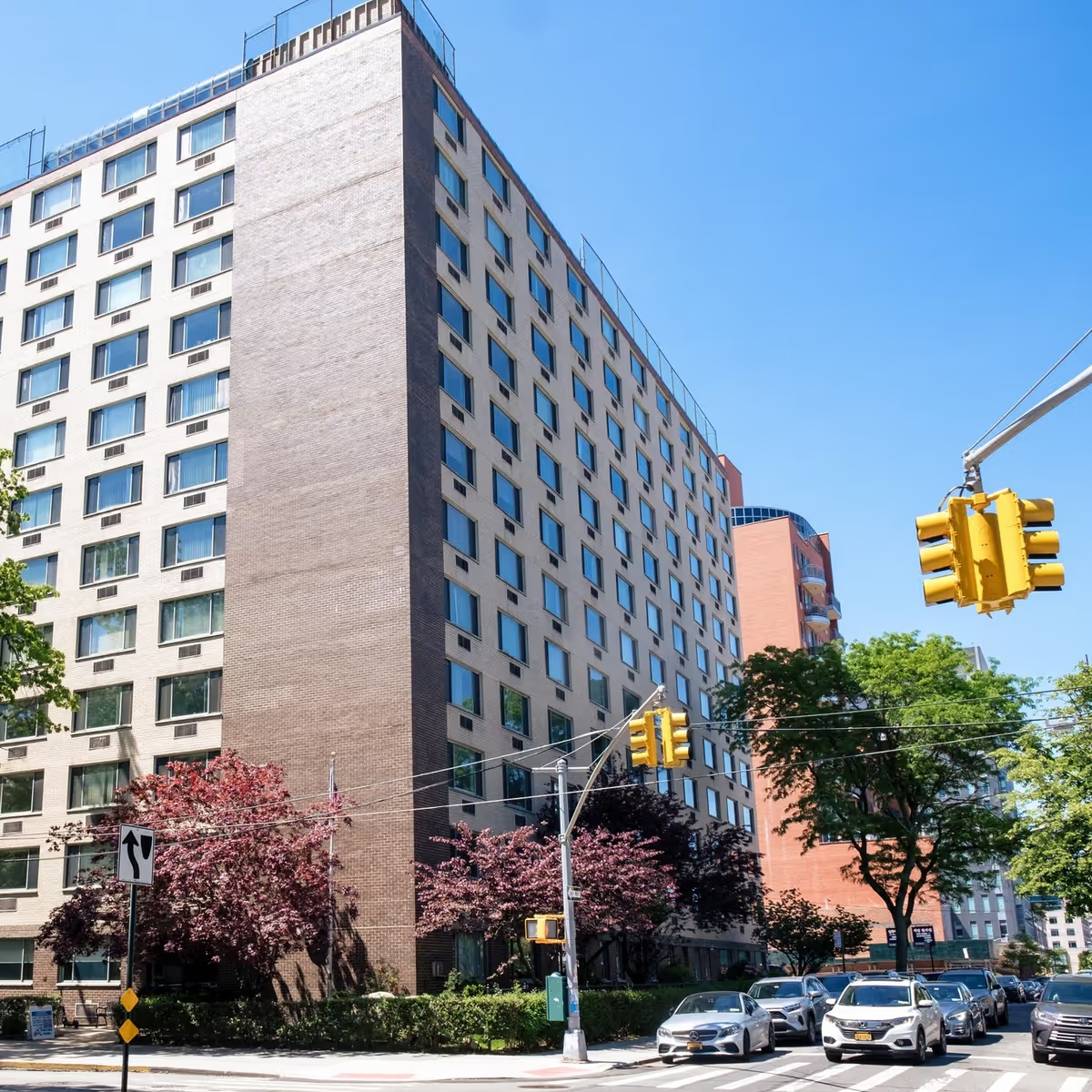
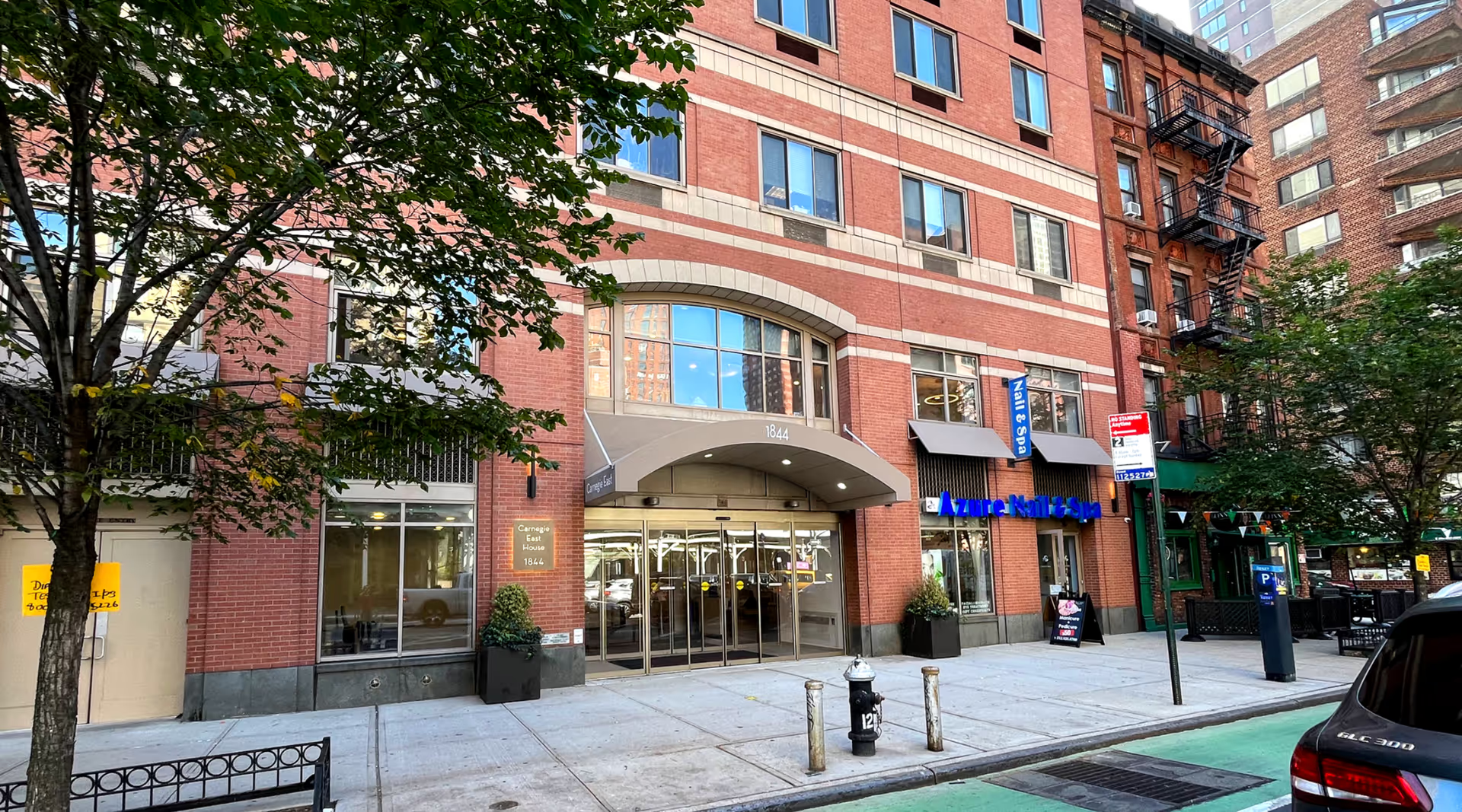
Facilities and operations: The physical plant is generally described as clean, recently renovated in places, and well-maintained, with routine housekeeping and laundry services. Operational issues noted include occasional maintenance or infrastructure reliability problems (for example, elevator interruptions) and isolated odor concerns in some common areas. Connectivity and entertainment access (Wi‑Fi, TV availability) are described as inconsistent in a few accounts. Cost is mentioned as relatively high by some reviewers, though the facility is also described as helping lower-income residents in certain cases.
Management and notable patterns: Administrative leadership is a recurring positive; named administrators are praised for accessibility and hands-on involvement, and families frequently report good communication with management. Contrastingly, there are isolated but notable reports of front-desk staff discourtesy and blocked calls, which points to unevenness in customer-service tone. Infection-control policy enforcement has been described as stringent during outbreaks; that approach provides safety for many residents but has been experienced as restrictive by others. Overall, the dominant pattern is one of strong caregiving and social programs with occasional operational inconsistencies.
Practical recommendations: For prospective residents and families, a focused tour should include discussion of medication administration procedures, average staff-to-resident ratios and shift coverage, stability of case-management assignments, front-desk and family-communication practices, current infection-control and visitor policies, technology/connectivity availability, and a clear breakdown of costs and included services. These checks will help confirm whether Elm York’s generally positive clinical and social environment aligns with the specific needs and expectations of the resident.