Atria Forest Hills is described across reviews as a well‑maintained, hospitality‑oriented assisted‑living community with consistently positive feedback about staff, cleanliness, and social programming. Families and residents commonly highlight warm, attentive caregiving, timely responses from management, and a staff culture that facilitates social integration. Leadership received specific praise for clinical responsiveness during the COVID‑19 period and for maintaining infection‑control practices and family communication during outbreaks. Routine on‑site clinical access (nurse and visiting physician) is viewed as a strength for the assisted‑living population the community serves.
Care and staff: The prevailing impression is of compassionate, professional staff who know residents by name and prioritize resident comfort. Staff responsiveness, front‑desk attentiveness, and individualized assistance during move‑ins and transitions are recurring strengths. Reviewers also note dedicated staff efforts during pandemic restrictions and attention to emotional well‑being. At the same time, several comments point to variability in day‑to‑day service execution (housekeeping detail, dish/meal handling) and occasional shortages that suggest staffing levels can fluctuate. Family communication is generally good but inconsistent at times, creating occasional uncertainty about updates or activity scheduling.
Dining: Dining is a prominent feature of community life, with multiple set meal times, social dining occasions, and plated meals that many residents find plentiful and enjoyable. The facility offers a café/snack bar and dessert highlights that drew favorable remarks. However, reviewers also describe uneven food quality and temperature control on occasion, and some characterize aspects of the menu as institutional or lacking variety. These inconsistencies affect perceived value for some families.
Activities and social life: Activity programming is robust and varied, with daily plans, themed events, exercise classes, performances, trips, and small‑group options. The community atmosphere is social and family‑like; many reviewers credit the staff with facilitating friendships and engagement. A few families felt programming could be expanded for particularly active or younger seniors, indicating the current mix favors social, arts, and low‑impact physical activities typical for older assisted‑living residents.
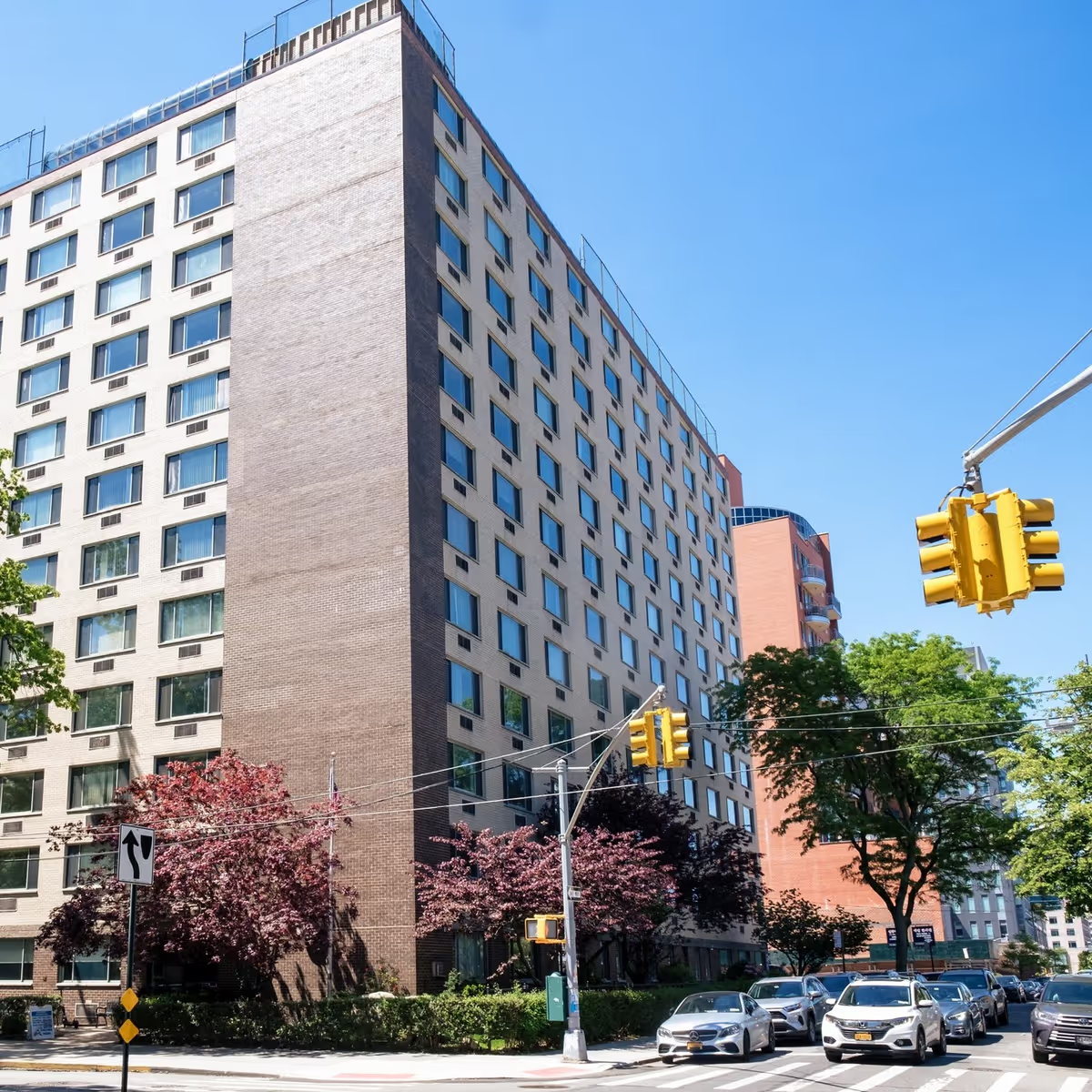
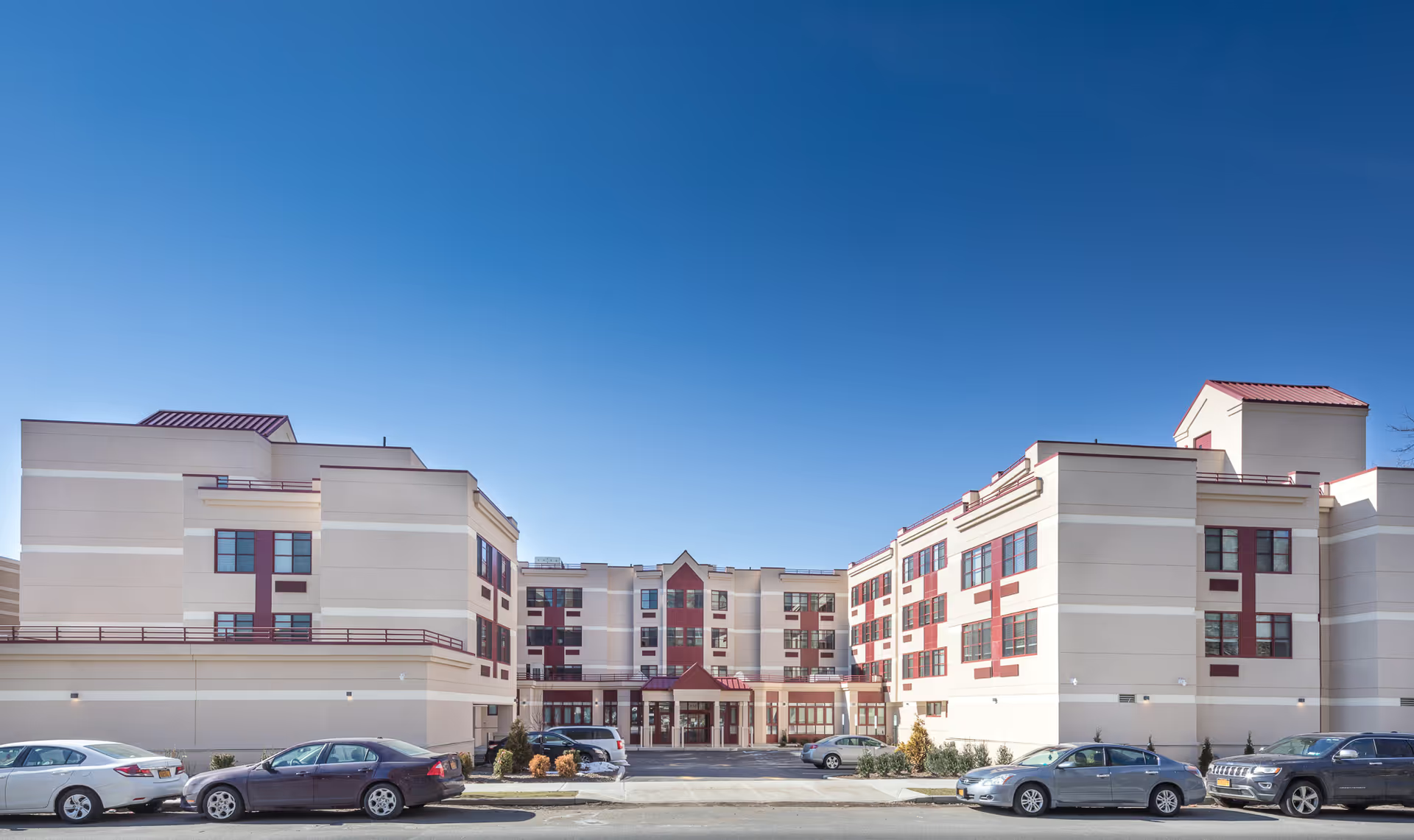
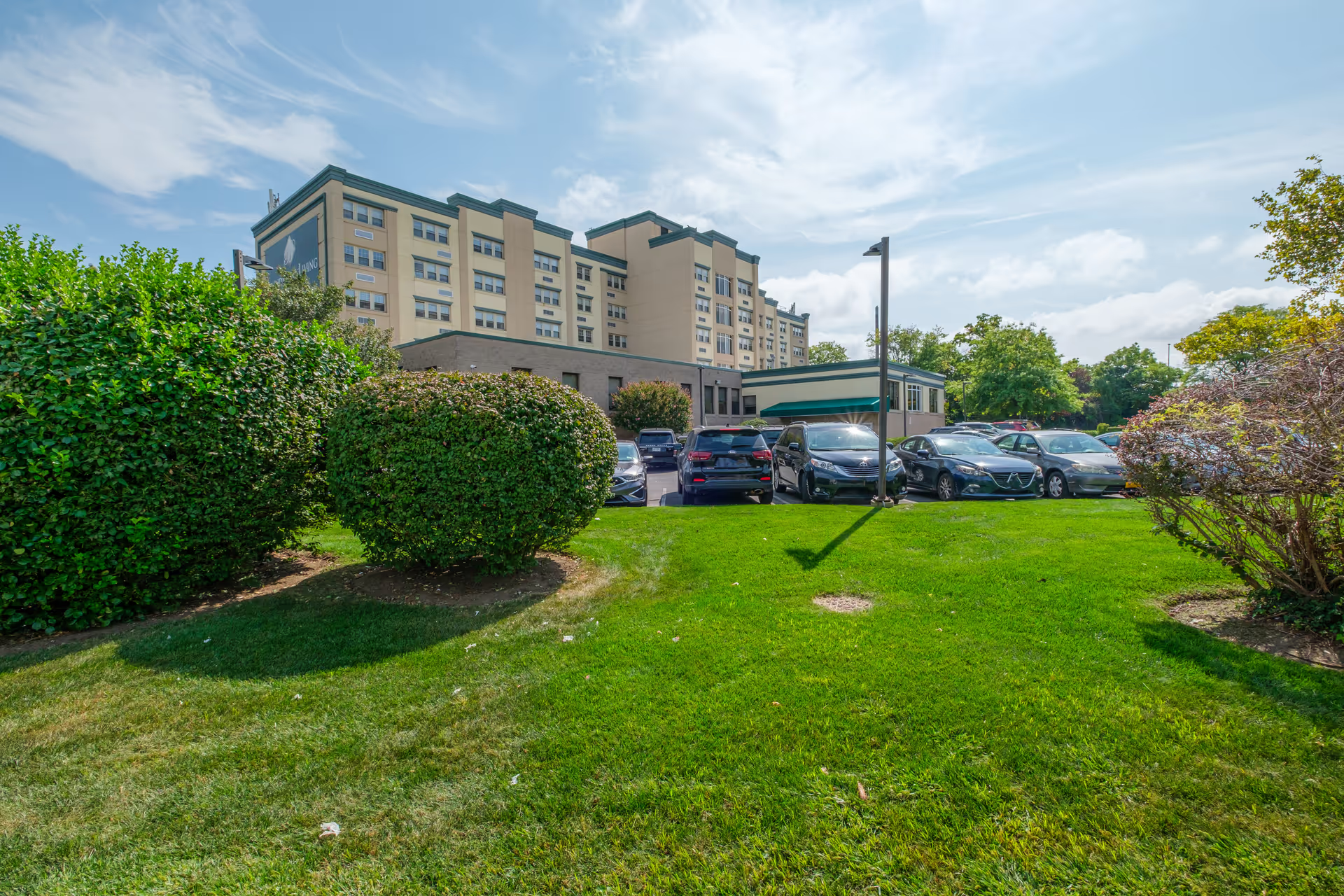
Facilities and amenities: Physical spaces are consistently praised—clean, bright apartments, attractive common rooms, terraces, gardens, and views. Amenities include a salon, fitness areas, movie theater, and transportation services. Apartment sizes received mixed comments: many find units comfortable and well‑appointed, while others describe them as smaller than expected with limited in‑unit kitchen options. Access and parking were noted as logistical pain points for some visitors due to street congestion and narrow approaches.
Management and costs: Management is frequently described as professional and effective, with several mentions of individual leaders who advocated for residents and families. The community’s responsiveness during medical events and its structured admissions process are positives. Cost is a recurring concern: monthly fees are described as high and subject to increases, and certain services may carry additional charges. The provider does not accept Medicaid, which constrains affordability for some households.
Notable patterns: Overall, Atria Forest Hills presents as a high‑end assisted‑living community that emphasizes hospitality, cleanliness, and social engagement. It is well suited to older adults who appreciate a staffed, social environment and access to physician‑level oversight but who are not in need of on‑site skilled nursing or intensive rehabilitative therapy. Prospective residents and families should weigh the strong staff culture and programming against cost considerations, occasional service variability, apartment size, and the need for specific clinical services or parking/access features. A visit and focused questions about fees, clinical limitations, security protocols, housekeeping standards, and orientation supports are recommended to confirm fit for an individual’s needs.