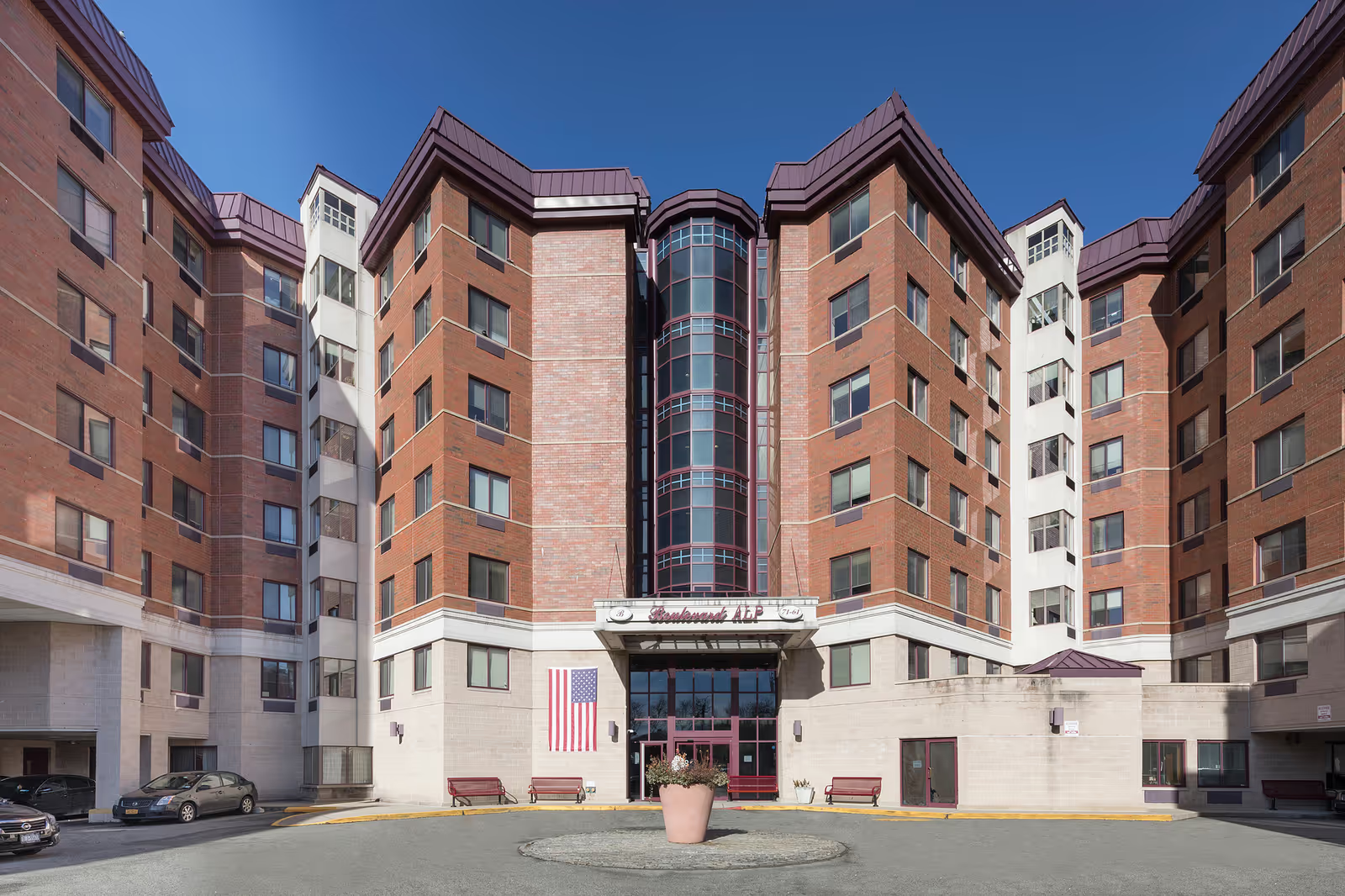
Across the reviews, Queens Adult Care Center (QACC) is repeatedly praised for its strengths in everyday resident care and customer-facing operations. Many families and residents describe compassionate, attentive staff who provide personalized care plans, strong medication and health follow-up, and a family-like community atmosphere. Admissions and placement support — frequently identified by name in reviews — is a consistent point of satisfaction: the facility is described as efficient with paperwork, communicative with families, and proactive during transition periods.
Dining and programming receive similarly positive comments. The dining program is characterized as nutritious with accommodations for dietary needs, and reviewers note varied menus and tailored meals. Recreational life is active: reviewers praise a busy schedule of classes, social events, holiday programming, and one-on-one engagement that contributes to residents’ sense of belonging and quality of life. On-site clinical resources and nursing oversight are cited as contributors to residents’ wellbeing, and the building is often described as clean, recently updated in parts, and hotel-like in appearance. The facility's location near Elmhurst Hospital is also viewed as a practical advantage.
However, reviews also reveal several operational concerns prospective families should assess. A subset of comments raises issues with inconsistent staff conduct and responsiveness, including instances where staff tone or actions were perceived as unprofessional and where response times to resident needs were questioned. There are concerns about safety and security processes — for example, property control and supervision — and some reviewers referenced serious allegations such as theft and on-site substance use; these items indicate potential gaps in security and resident-behavior management that merit direct inquiry. Several reviewers also described challenges related to the resident mix and behavioral management, suggesting that screening and placement practices may not always align with the facility’s stated level of care.
Other operational themes include inconsistent infection-control practices during the pandemic and variable cleanliness or upkeep in outdoor or peripheral areas. A few reviews referenced crowding or capacity-related strain on services. At the management level, many families praise clear communication, rapid placement assistance, and an accessible admissions team, while others called for stronger oversight and more consistent enforcement of standards.
In sum, QACC offers many hallmarks of a strong assisted living setting — committed care staff, engaging activities, accommodating dining, and effective admissions support — but also shows patterns that prospective residents and families should evaluate in person. Recommended pre-admission checks include an on-site tour focused on security measures and property controls, clarification of behavioral-management and admission-screening policies, review of staffing levels and shift coverage, documentation of infection-control protocols, and verification of the center’s regulatory and inspection history. These steps will help families weigh the facility’s notable strengths against the operational concerns documented by reviewers.