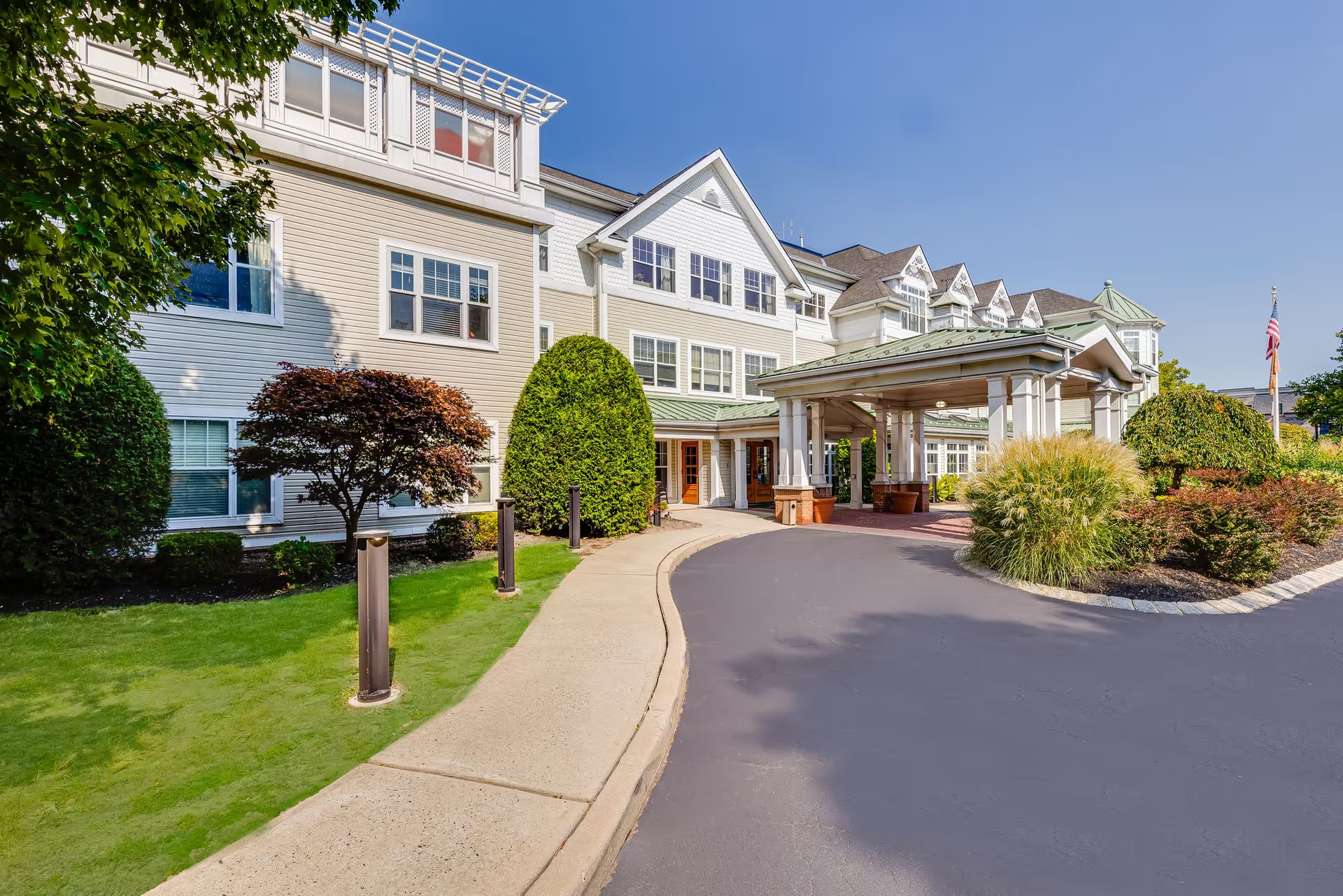
Reviews present a mixed picture of BronxCare Special Care Center, with distinct strengths in rehabilitation, family engagement, and communal programming alongside recurring operational weaknesses. Several families praised the clinical team and rehabilitation unit for restoring function and supporting moves toward greater independence. Positive comments emphasize compassionate caregiving, clear physician explanations, medication administration accompanied by explanations, and an active recreation program. Recent first‑floor renovations and a generally community‑oriented atmosphere were also noted as facility assets.
At the same time, a consistent theme is staffing and responsiveness. Multiple accounts describe what they perceive as chronic understaffing and delays in responding to resident needs; reviewers also described inconsistent tone and conduct from some staff members. Family communication gaps were frequently mentioned — unreturned calls, unanswered messages, and difficulty obtaining timely updates — which compounds anxiety when acute clinical issues arise. Several reviewers raised concerns about lapses in clinical responsiveness to urgent medical issues and inconsistent follow‑through from therapy services.
Care coordination and administrative processes appear uneven. There are reports of incomplete or delayed transfer of medical paperwork to hospitals and poor social‑work support during discharge planning and placement. Related concerns include restrictive approaches to discharge or retention decisions and at least one reference suggesting potential financial‑incentive conflicts; these stronger claims warrant further inspection by families and regulators. Security and visitation practices were described as restrictive by some families, including extended lockdowns in particular periods, which affected perceptions of transparency and autonomy.
Dining and environmental maintenance show variability. Many reviewers described satisfactory meals, snacks, and recovery‑oriented nutrition, while others noted inconsistent food quality and small portions. Environmental issues were raised as operational concerns, specifically HVAC problems (rooms with non‑working air conditioning) and sanitation/cleanliness issues in certain areas. Recreational programming and social opportunities are a clear positive for residents, but their benefit is partially undermined when staffing and clinical responsiveness are inconsistent.
For prospective residents and families: the facility offers strengths in rehabilitation, family engagement, and an active community environment, but also exhibits repeated operational gaps in staffing, communication, documentation transfer, and some elements of clinical responsiveness and environmental maintenance. Families considering this facility should tour the unit, meet clinical leadership, ask about current staffing levels and staffing plans, review discharge and consent policies, request examples of care‑coordination workflows (including hospital paperwork transfer), and discuss how the facility manages acute medical events and family communication. Follow‑up with current resident families and a regulatory history check are advisable to corroborate the patterns described above.