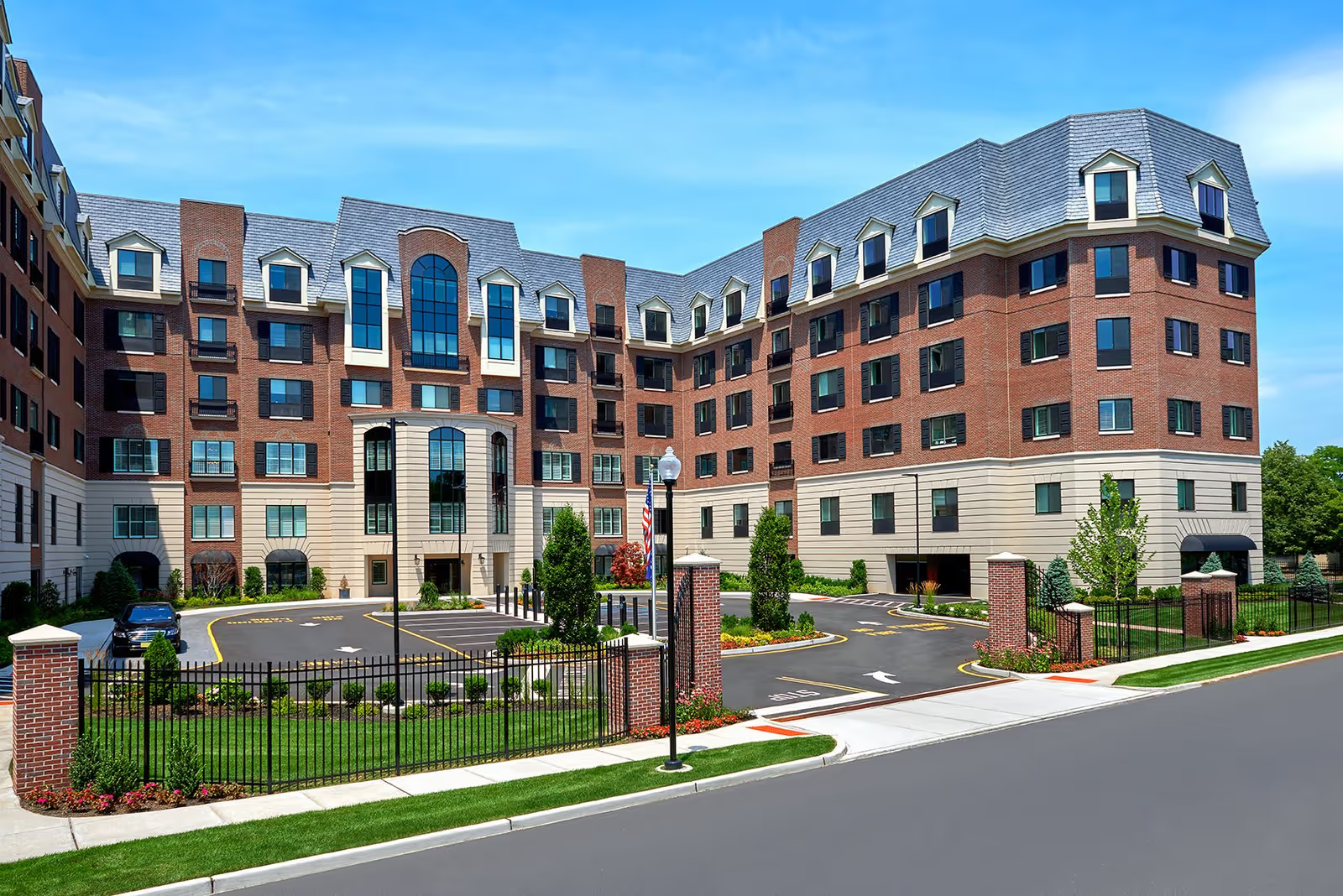
Overall impression: Reviews of Highbridge-Woodycrest Center are sharply divided, with numerous accounts praising the staff, programs, and facility, alongside a set of serious concerns about clinical consistency and administrative practices. Many families and former residents describe a compassionate, organized environment with strong leadership and effective therapy programs; others describe operational and clinical gaps that materially affected resident experience.
Care quality: Several reviewers praised the medical and rehabilitation teams and reported positive outcomes after therapy. At the same time, there are recurring concerns about inconsistent clinical vigilance and medication management, including delayed nursing responsiveness, variable pain-assessment and pain-management practices, and reports of resident clinical decline (for example weight loss and skin-integrity changes). There are also a small number of accounts raising concerns following a resident's death and accounts of diagnostic or assessment variability. Together these comments suggest uneven clinical performance across units or shifts rather than uniformly poor or uniformly excellent care.
Staff and culture: Positive comments frequently highlight compassionate, respectful caregivers and visible, helpful administrative staff. Leadership and front-desk/secretarial staff receive particular praise in several accounts. Contrasting comments describe episodes of rude or unprofessional conduct and indicate that family advocacy was required to obtain needed attention. This pattern suggests that staff conduct and responsiveness may be reliable in many interactions but inconsistent at other times, potentially reflecting staffing variability or training gaps.
Dining, activities, and rehabilitation: The facility's activity programming and therapy offerings are often described as engaging and beneficial; some reviewers characterized programs as life‑changing. Rehabilitation outcomes appear to be mixed — some residents report strong recoveries and competent therapists, while others describe inadequate or ineffective rehab services. Prospective residents should clarify therapy goals, expected timelines, and measurable outcomes during the admissions process.
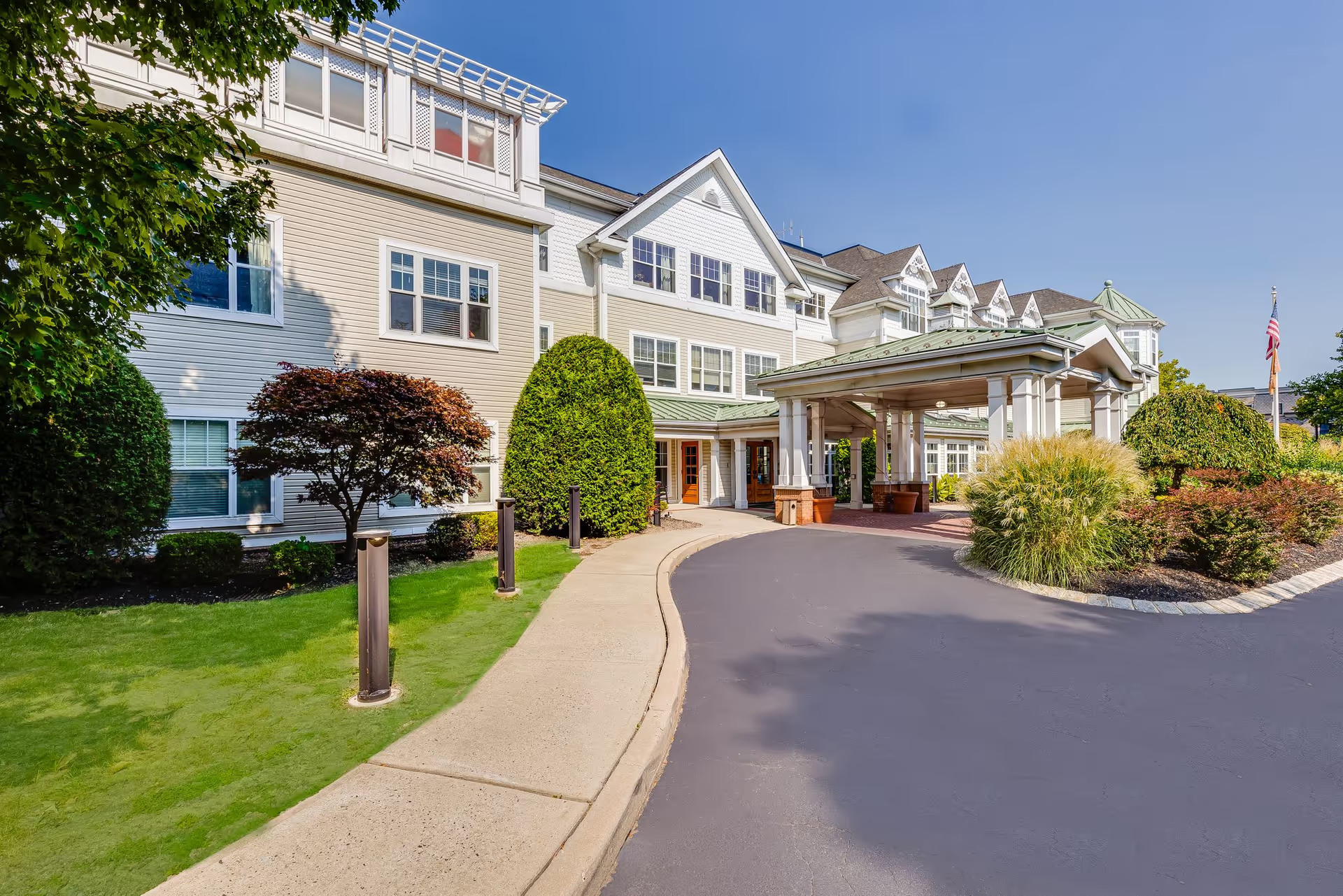
Facilities and cleanliness: Many reviews depict a clean, well-maintained interior and exterior with an organized layout. However, other accounts raise sanitation and housekeeping concerns, implying variability in cleanliness standards between areas or shifts. Visitors should inspect common areas and resident rooms during a visit and inquire about housekeeping schedules and infection-control procedures.
Management and administration: Administrative leadership receives praise for clear communication and professionalism in numerous comments, but there are also serious administrative concerns noted, including unclear discharge/transition procedures and allegations of billing or financial misconduct. These issues point to potential gaps in policy transparency and discharge coordination rather than a uniformly poor administrative structure.
Notable patterns and recommendations: The reviews indicate a facility with real strengths in staff commitment, programming, and certain clinical services, yet with inconsistent performance in other operational areas. Prospective residents and families should perform targeted due diligence: observe staff–resident interactions across different shifts, request written care plans and medication lists, ask for recent rehabilitation outcome metrics, clarify discharge and visitation policies, review billing practices and contracts, and verify housekeeping and infection-control protocols. Asking for references from recent families and checking state inspection reports can also provide additional context before making a placement decision.