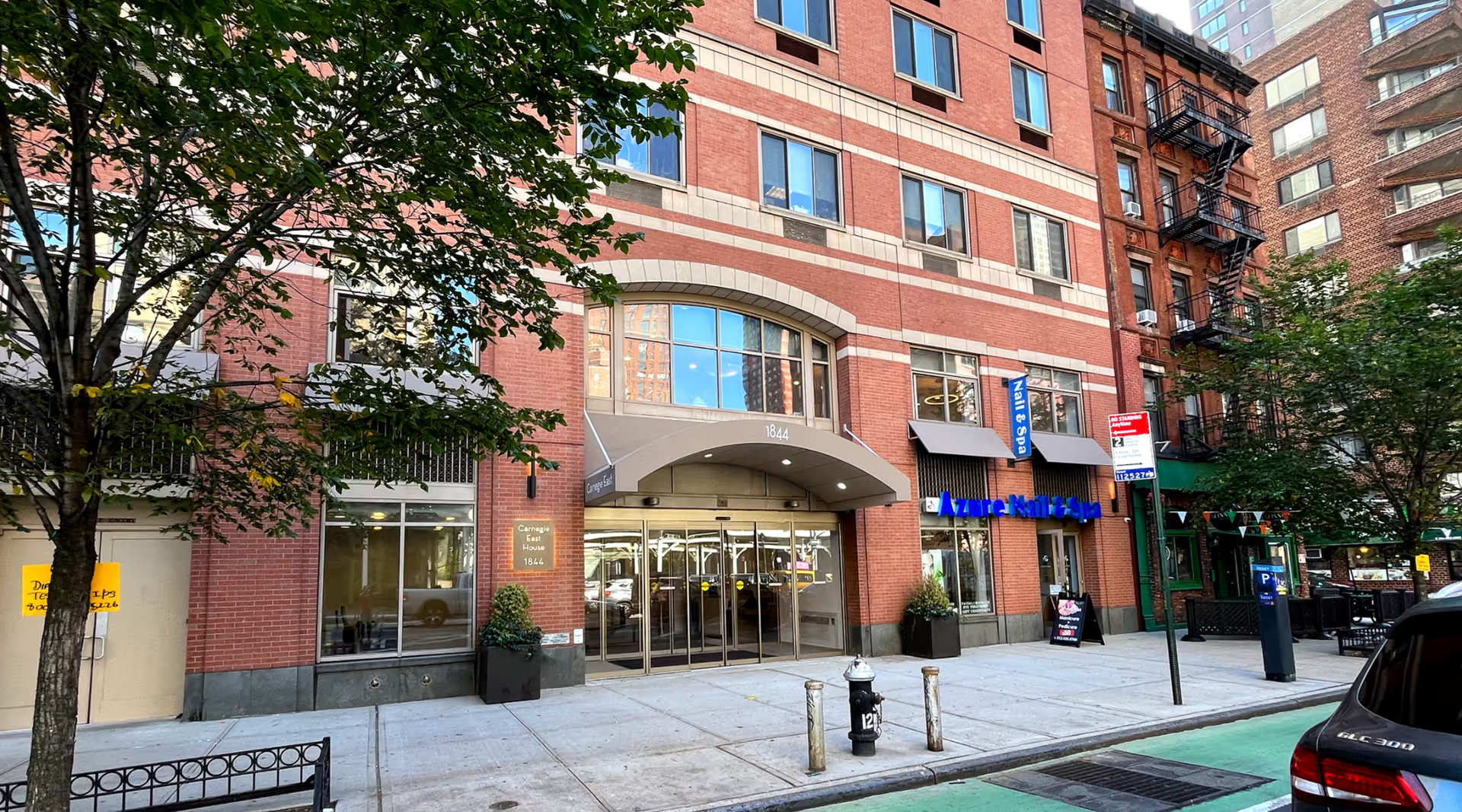
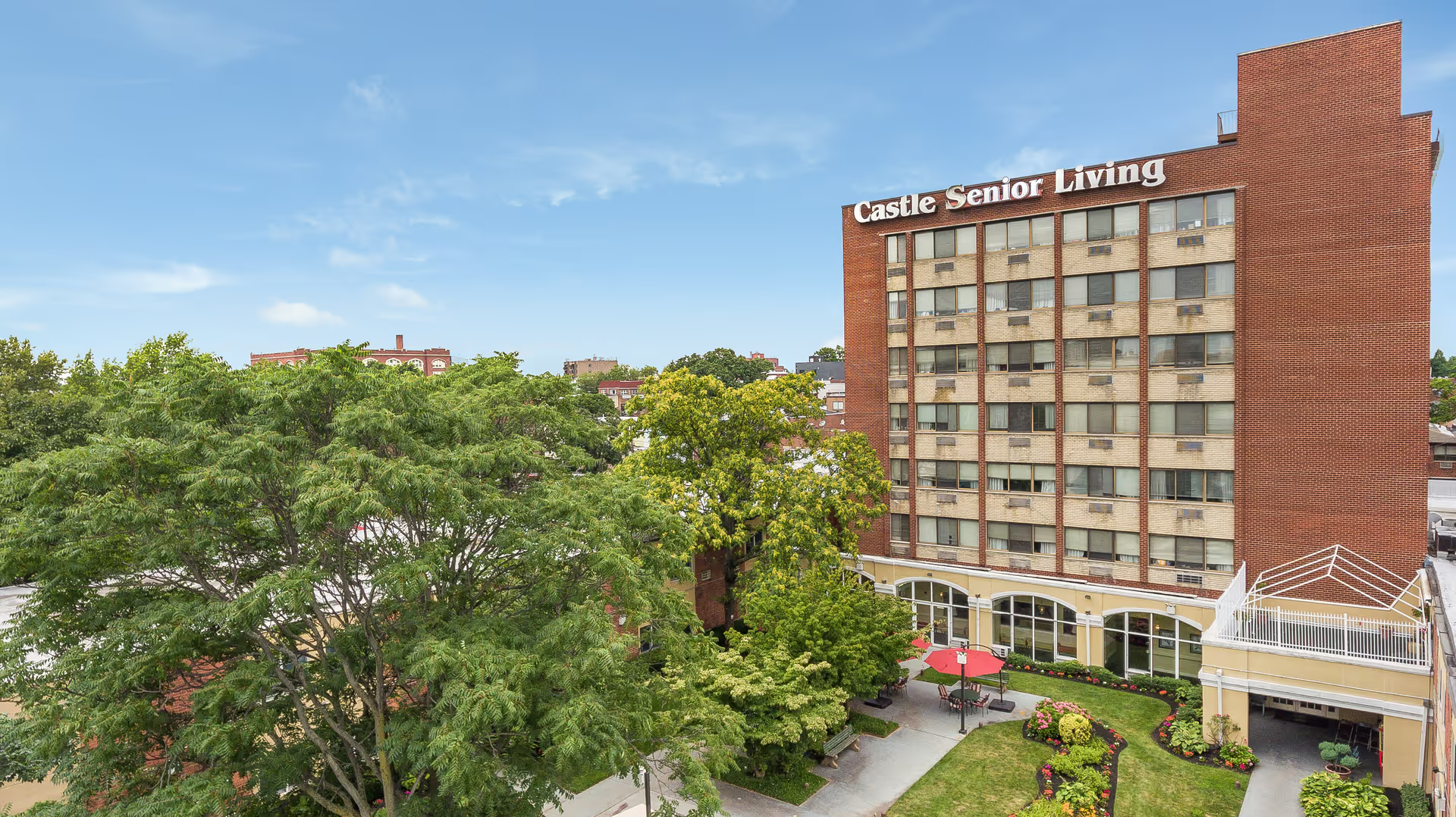
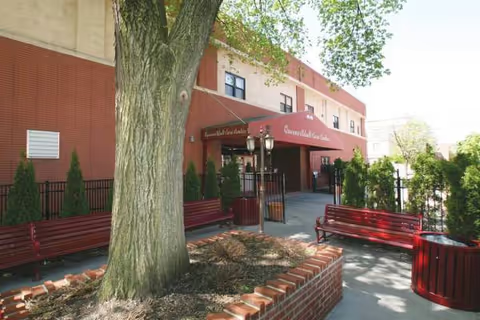
The reviews for Rebekah Rehab Extended Care Center present a mixed picture: the facility's physical plant and therapy services receive frequent praise, while operational and care-delivery inconsistencies generate substantive concern. The site is often described as clean, modern, and comfortable with well-kept grounds, spacious rooms with private bathrooms, a visible security presence, and a rehabilitation program (PT/OT) that many families found effective. Several reviewers highlighted helpful admissions and social-work support, Spanish-speaking staff, and active recreation teams that contribute to positive resident engagement.
Care quality appears uneven across shifts and units. While many families praised compassionate nurses and aides who provided effective pain management and attentive help, others described chronic staffing shortages, slow overnight response times, and inconsistent nursing oversight. Those operational gaps manifested as medication delays, irregular repositioning and incontinence-care practices, and variable attention to residents who require assistance to eat. Physical-therapy outcomes were frequently cited as a strength, but some families experienced inconsistent therapy frequency or progress in other cases.
Dining and nutrition receive mixed assessments. Meal presentation and taste were commended in several accounts, and some dining staff were described as attentive. At the same time, there are recurring operational issues tied to mealtime assistance and dining logistics: fixed meal schedules that can be difficult for residents with mobility limits, inconsistent provision of feeding assistance, and limited flexibility for residents who cannot safely access the dining room unassisted.
Management and communication are recurrent themes. Many reviewers appreciated helpful admissions staff and social workers; however, other families described weak follow-up on complaints, confusing administrative coordination during transfers or discharges, and inconsistent communication after clinical events. There are also several mentions of inadequate handling of infection-control notifications and visitation adjustments, which contributed to frustration during pandemic-related quarantines. One serious allegation regarding vaccine administration without documented consent was raised; that type of claim would warrant direct inquiry during an evaluation of clinical governance.
Safety and clinical-incident response patterns varied. Positive accounts note rapid medical attention in certain situations, but others describe delayed post-fall or post-surgical assessments and concerns about clinical escalation. These contrasts suggest variability in handoffs, staffing levels, and on-shift clinical leadership. Families also raised concerns about dignity-related care processes, including inconsistent bathing and linen-change practices.
Culture and staff conduct are uneven. Multiple reviews praise individual caregivers, recreation staff, therapists, and support personnel who went above and beyond. Simultaneously, there are repeated concerns about staff people skills, occasional rude or inattentive interactions, and perceptions of unequal treatment across racial and ethnic lines. Administrative tone and responsiveness to grievances were also described as inconsistent; some families found management respectful and engaged, while others experienced inadequate follow-up.
Taken together, the pattern suggests a facility with strong physical resources and capable therapy teams but with operational fragilities—notably staffing stability, consistent nursing responsiveness, communication systems, and administrative follow-through. Prospective residents and families should observe staffing levels on the units and at night, ask about meal-assistance and repositioning protocols, review medication administration and incident escalation procedures, inquire about complaint-resolution pathways, and meet the social-work and nursing leadership during a tour. Those checks will help assess whether the facility’s strengths align with the specific care needs of the prospective resident.