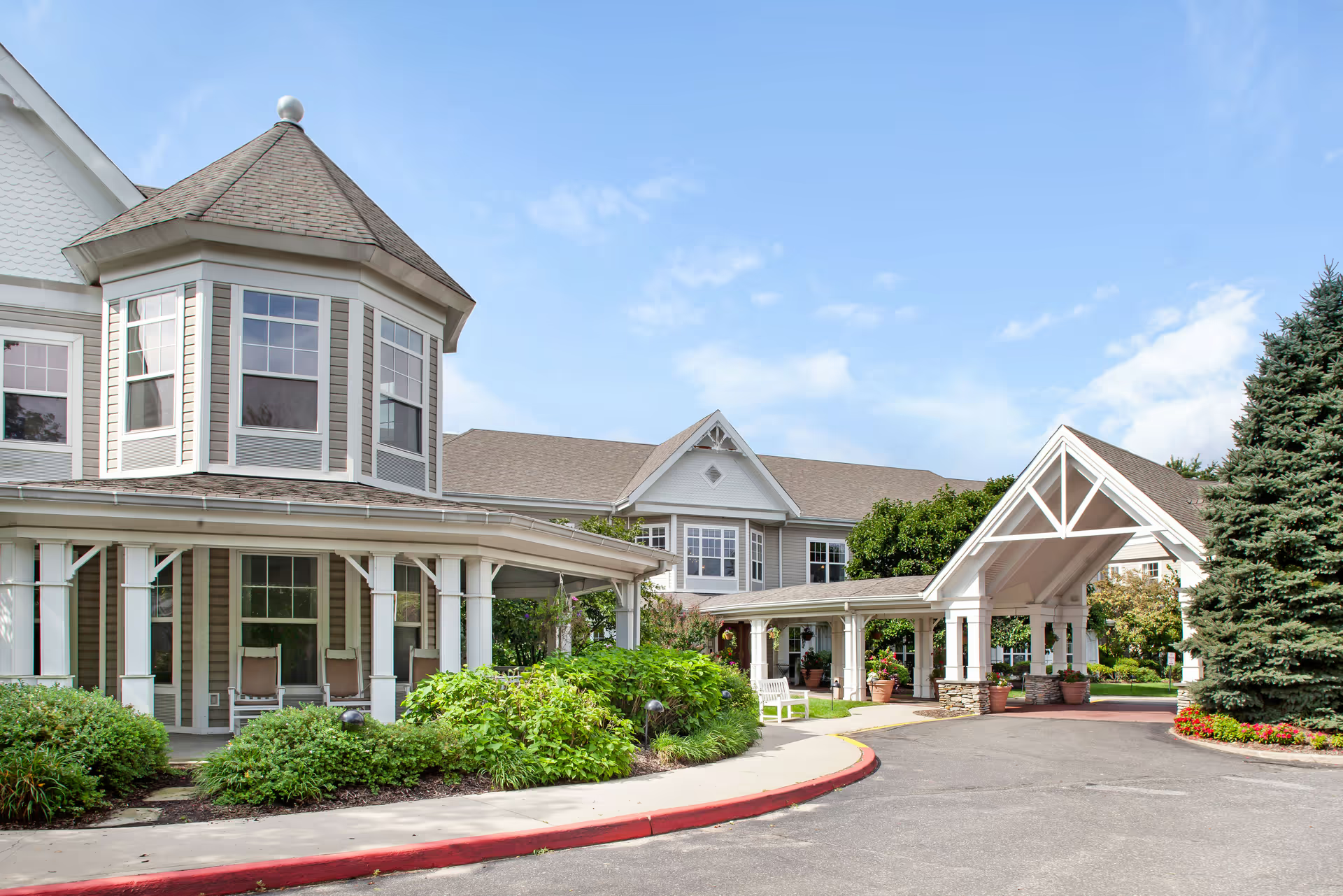
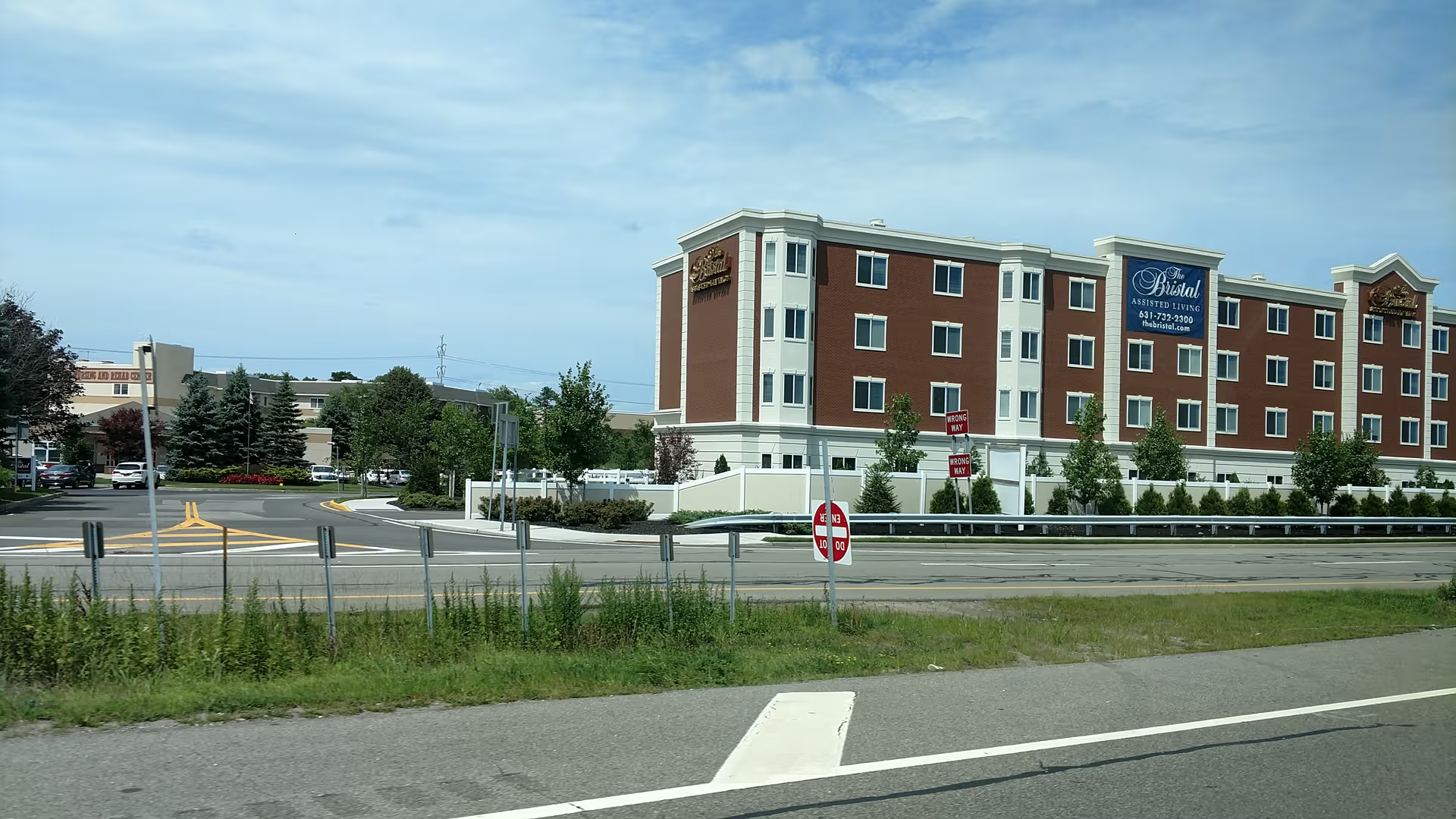
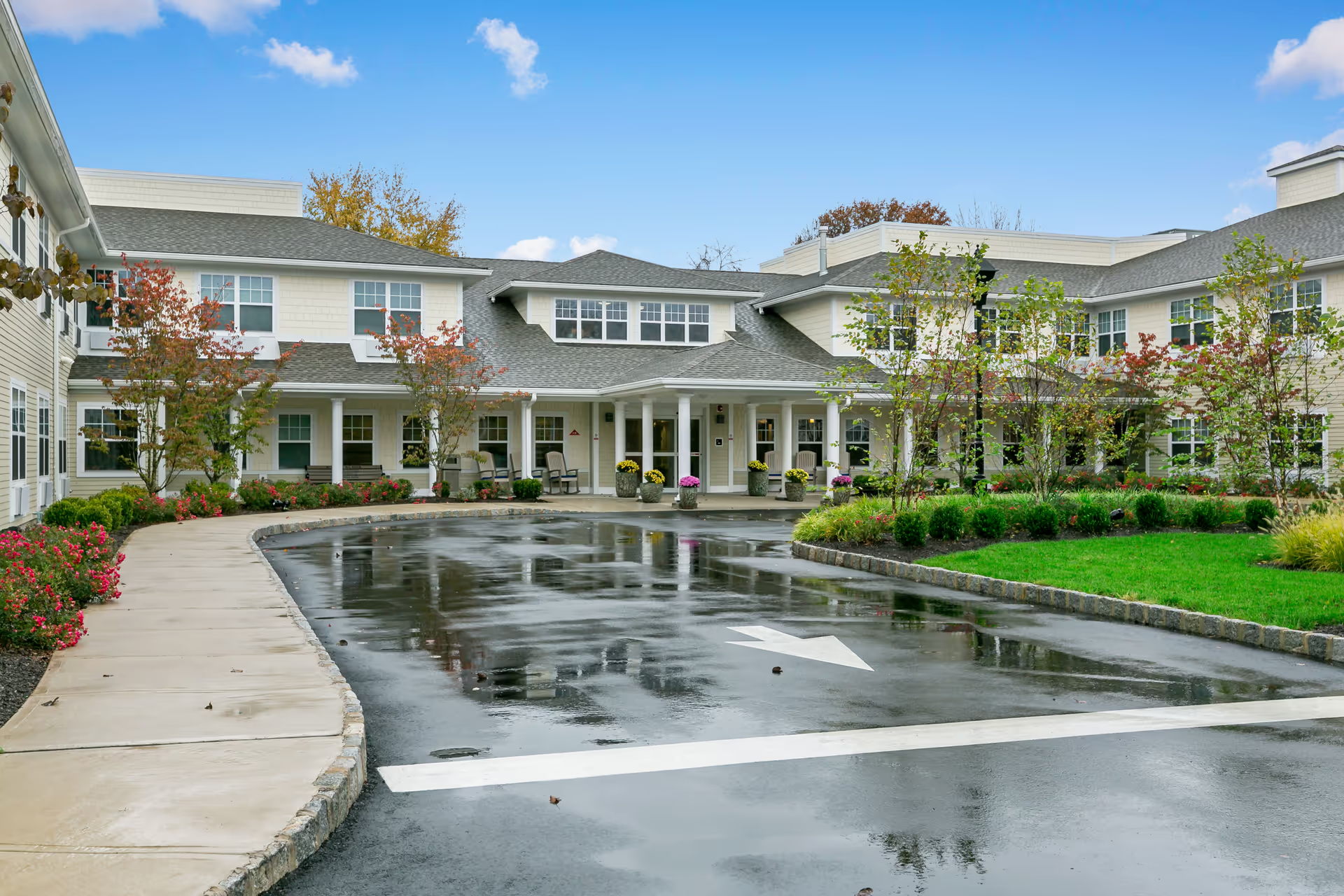
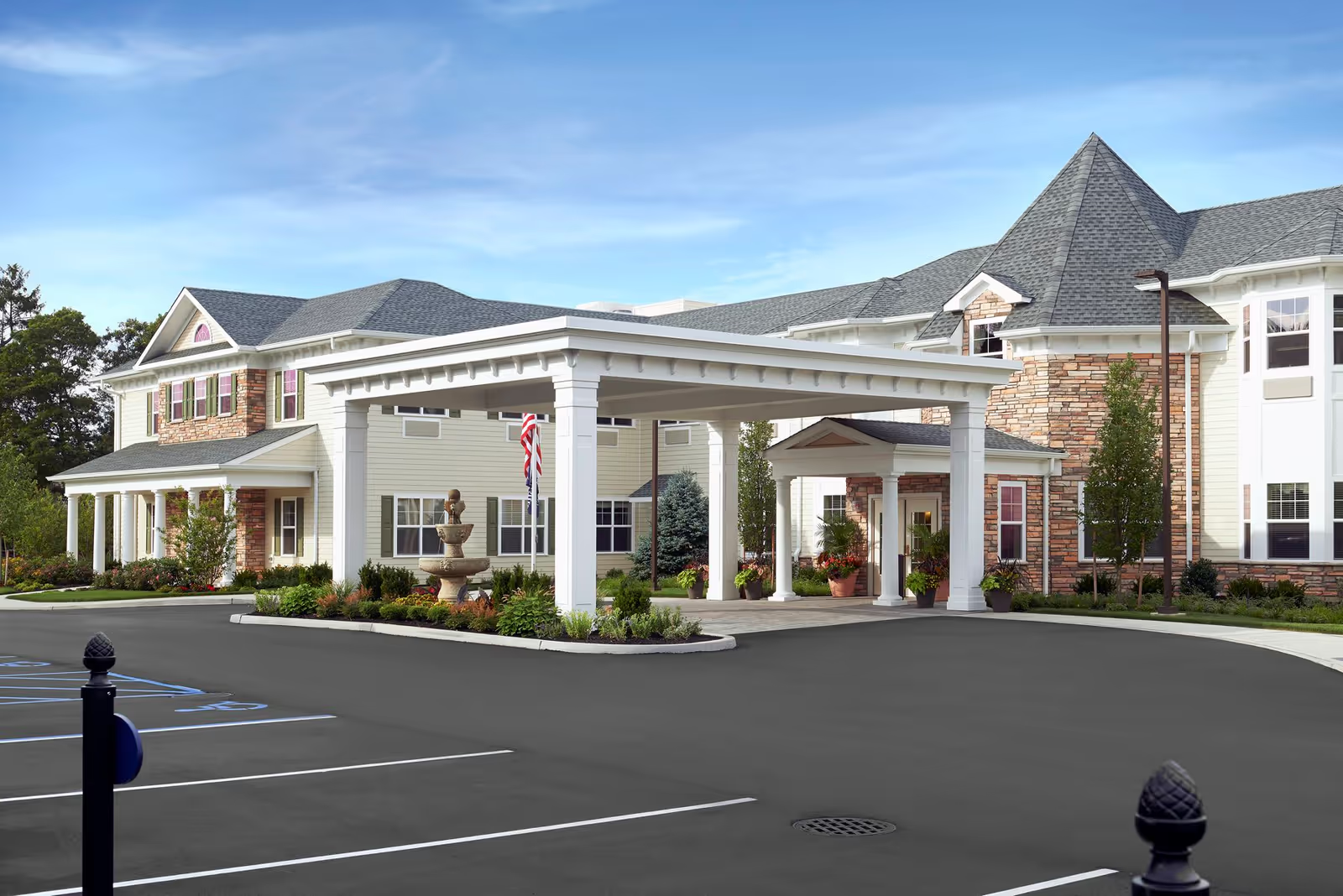
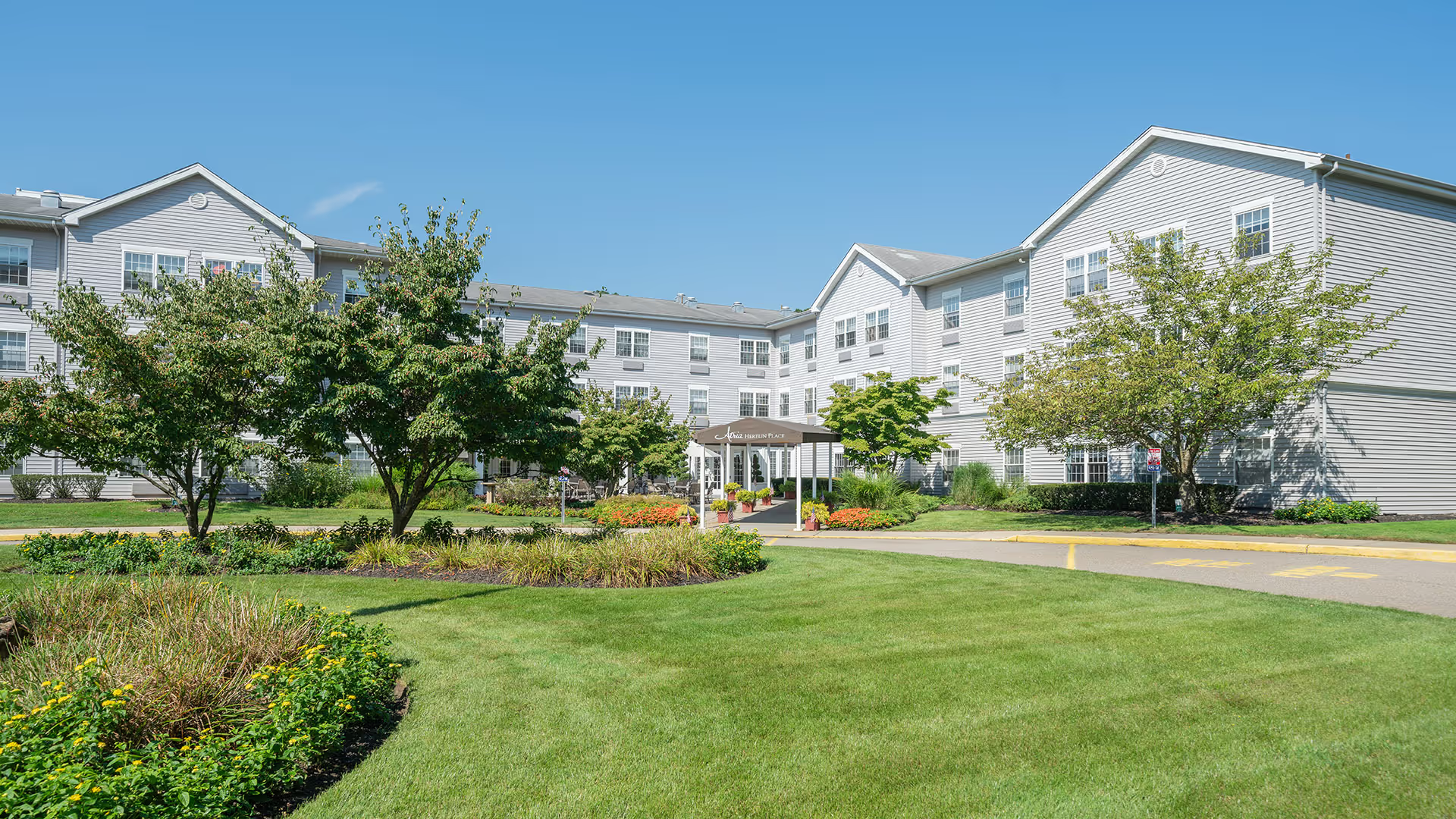
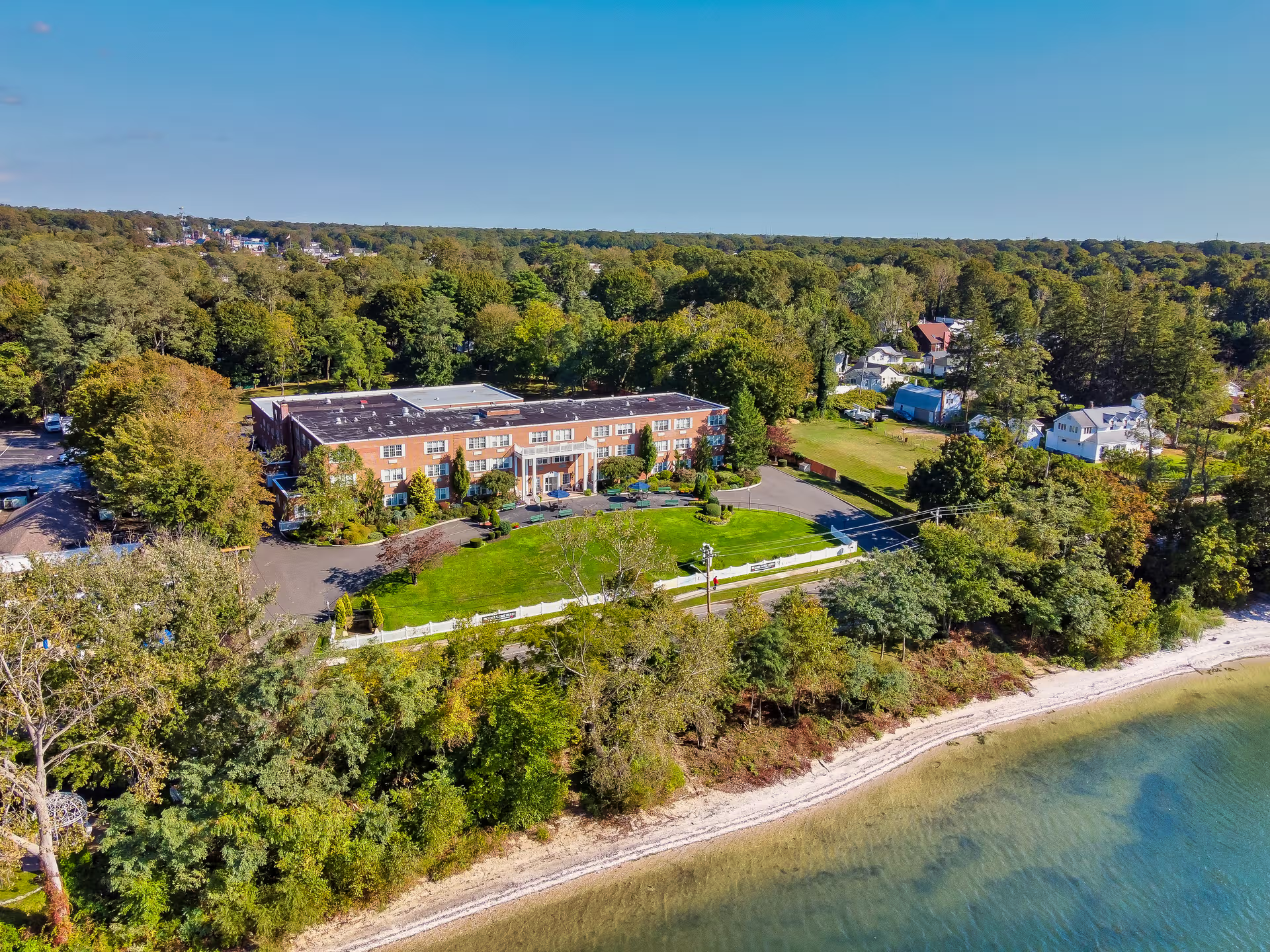
Bellhaven Center for Rehabilitation & Nursing Care elicits strongly polarized impressions: many families and residents praise the facility for warm, hands-on caregiving, robust therapy services, and an active recreation program, while other accounts raise operational and quality-control concerns. Positive commentary centers on nursing teams who are described as compassionate and attentive, a well-regarded rehabilitation suite (physical, occupational, and speech therapy), lively recreation including music therapy and holiday events, and an overall clean, modern campus with a secure dementia unit and pleasant outdoor spaces.
Care quality is a prominent strength for numerous reviewers: individualized care plans, proactive therapy that supports short-term rehab goals, and many named staff who provide consistent, empathetic day-to-day attention. At the same time, there are repeated patterns indicating uneven performance across units. Families described episodes of delayed clinical follow-up, concerns about hydration monitoring and timely physician involvement, and at least one case that raised questions about clinical oversight after hospital transfer. These examples suggest variability in clinical monitoring and escalation procedures rather than a uniformly applied standard of care.
Dining, housekeeping and personal-care services receive mixed commentary. Several families complimented varied meal choices and a positive dining environment; others described inconsistent meal delivery and portioning. Housekeeping and maintenance are frequently noted as responsive when issues are raised, but there are intermittent sanitation-process and laundry-management concerns, including missing or mishandled personal items. These items point to operational gaps in inventory controls and consistent housekeeping workflows rather than a facility-wide failure.
Recreation and the social environment are clear strengths. The recreation team — particularly music and holiday programming — is repeatedly credited with improving resident mood and engagement. The secure dementia-care areas and communal spaces appear to promote socialization and activities that families value. Visitor experience is generally straightforward, with an accommodating admissions process and accessible common areas; however, the sign-in/visitor-access system is described as outdated and some families experienced restrictive visitation rules during infection-control periods.
Operationally, the dominant concerns relate to staffing and management. Multiple accounts describe units as understaffed or staffed with inexperienced personnel at times, which contributes to variability in responsiveness, conduct, and consistency of care. Several reviewers highlighted strong unit-level leadership and staff who go above and beyond, which suggests that positive outcomes often depend on local team stability. Prospective families should ask about current staffing ratios, staff turnover, training programs for new hires, fall-prevention measures, hydration and nutrition monitoring protocols, laundry/valuables handling policies, and visitor-access controls.
In summary, Bellhaven demonstrates substantive strengths in compassionate bedside care, rehabilitation services, and an engaging activity program within a clean, modern environment. Those benefits coexist with operational weaknesses in staffing consistency, some aspects of clinical monitoring and safety practice consistency, laundry and belongings handling, and visitor-access systems. For families considering Bellhaven, direct questions about unit staffing levels, clinical escalation protocols, laundry and inventory procedures, and the visitor sign-in system will help clarify whether the facility’s strong areas align with their priorities and risk tolerances.