Brooklyn Adult Care Center elicits a mixed but distinct pattern: many reviewers praise the clinical, social, and environmental strengths, while others identify operational and management shortcomings that affect resident experience. Strengths most consistently noted include attentive, compassionate caregiving and a clinical presence that includes 24-hour nursing, on-site therapy, and access to physicians. Families often cited comfort with medical availability and frequent nursing checks, which contributes to a sense of safety and continuity of care.
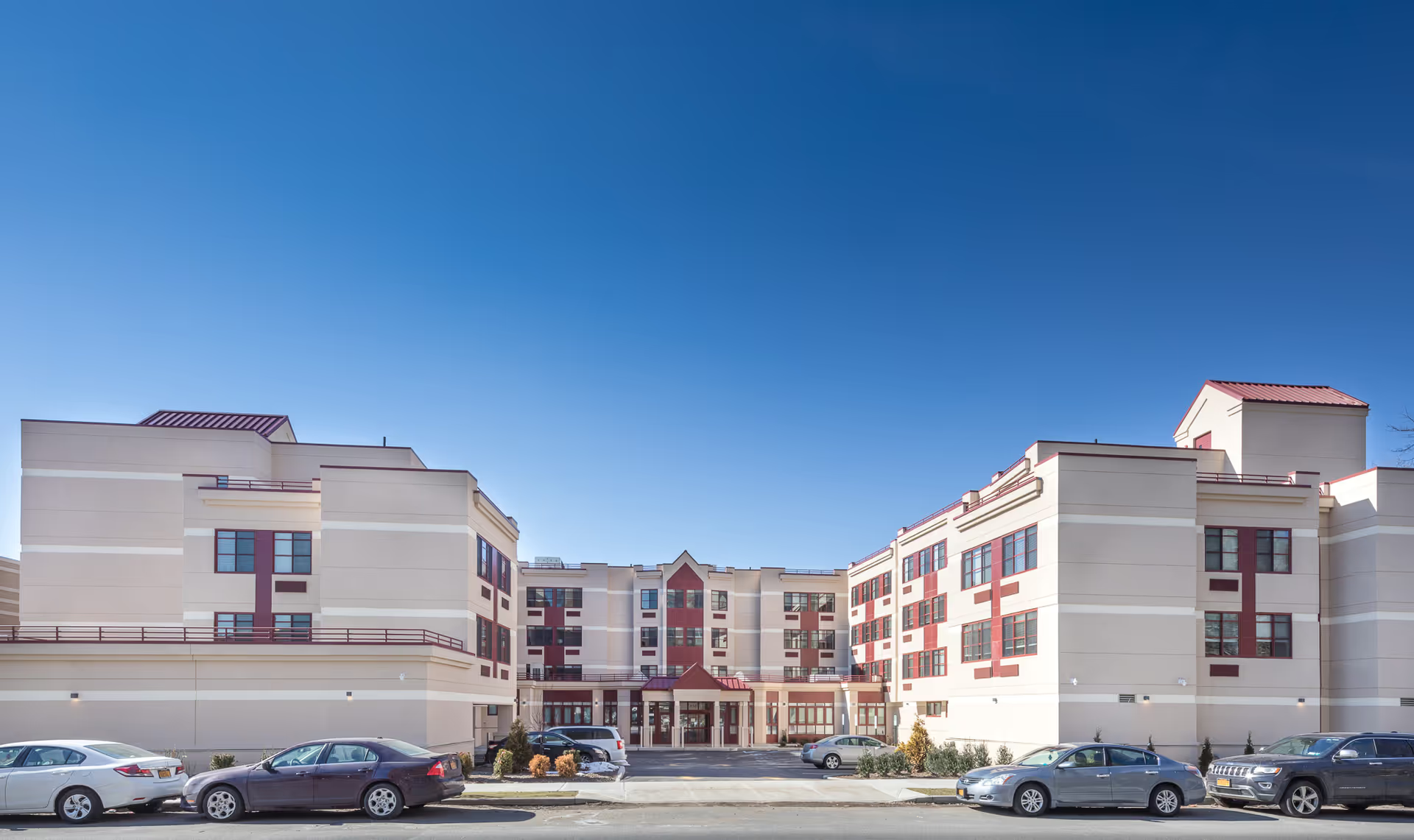
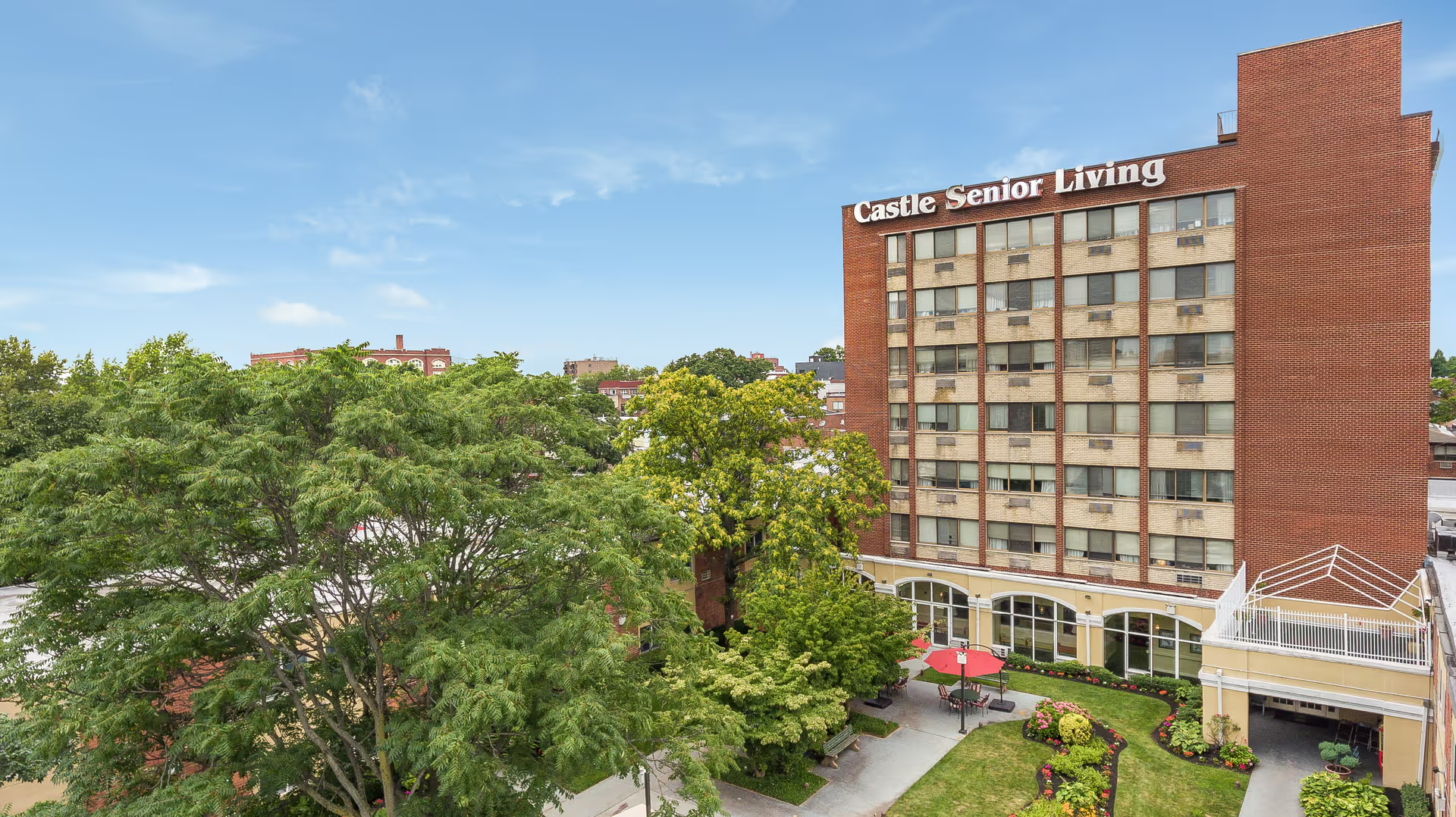
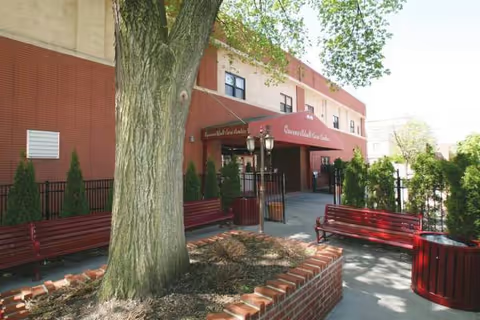
The facility’s physical environment is frequently described as clean and well maintained, with pleasant grounds, a large cafeteria, and multiple recreation spaces (pool table, patio, activity rooms). Dining receives generally favorable remarks — three meals a day in a spacious dining room — and laundry/medication services are available on-site. Activity programming appears robust: card games, pool, and organized social programs are common and contribute to an engaged atmosphere for many residents. Some units and suites are described as spacious and bright, and several reviewers highlighted a home-like feel in parts of the building.
Counterbalancing these positives are recurring operational concerns. Multiple comments indicate inconsistent administrative responsiveness and uneven handling of complaints, which families associated with unsatisfactory follow-up or frequent investigations without clear resolution. Staff communication style and front-desk interactions are described as rushed or brusque in some encounters, producing dissatisfaction even where caregiving is otherwise competent. Maintenance and refurbishment gaps were noted: plumbing problems, worn furnishings, and variability in room condition and size suggest uneven capital upkeep across the property.
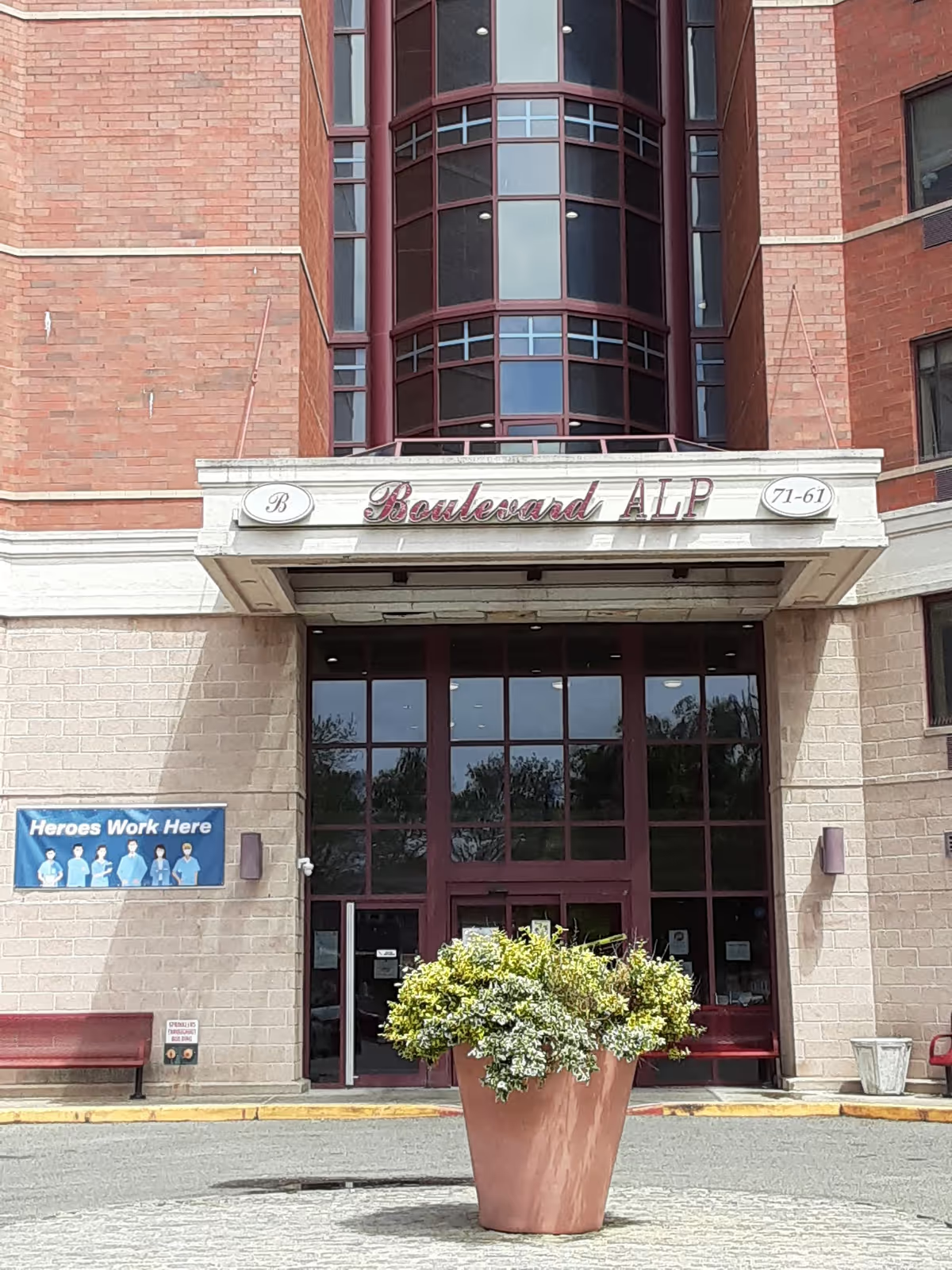
Other patterns that may matter to prospective residents include the facility atmosphere and community management. Some reviewers perceived portions of the building as institutional or shelter-like, and there are mentions of residents congregating in entryways or common areas in ways that made observers uncomfortable; smoking and cigarette litter outside the building were also cited as recurring neighborhood-management issues. Finally, a few families reported difficulties coordinating off-site medical appointments or delays in administrative support for clinical access. Prospective residents and families should balance the facility’s strong clinical services and active programming against these operational and atmosphere-related concerns; an in-person tour that specifically addresses staffing consistency, maintenance plans, complaint resolution procedures, smoking policies, and unit condition would be advisable to determine fit.