The reviews present a mixed but consistent pattern: clinical care and rehabilitation services are frequently singled out as strengths, while the facility’s physical plant and some operational practices draw recurring concern. Many families describe marked functional improvement for residents after admission—notably mobility gains, reduced oxygen needs, and successful discharge home—attributed to attentive nursing, engaged CNAs, and a robust therapy program that often provides seven-day services. Individual staff members and roles (discharge coordinators, social services, physicians, and FNPs) receive repeated positive mention for supportive communication and practical assistance with transitions.
Staff quality is the most consistently positive theme. Reviewers commonly note compassionate, responsive nurses and therapy teams who provide hands-on support and individualized attention. Front-desk and reception staff are repeatedly described as welcoming, and recreation programming and social activities are reported as energetic and well-staffed. These strengths appear to translate into good short-term clinical outcomes for many residents, especially around rehabilitation and recovery after falls or hospital stays.
Operational and administrative patterns are more variable. Several families report timely, helpful case management and clear discharge coordination, while others describe delayed or insufficient communication—particularly around clinical incidents and hospital transfers. There are also recurring comments about inconsistent professionalism across shifts and occasional lapses in responsiveness. A subset of reviews raise concerns about billing practices and administrative responsiveness, indicating variability in the admissions and post-discharge administrative experience.
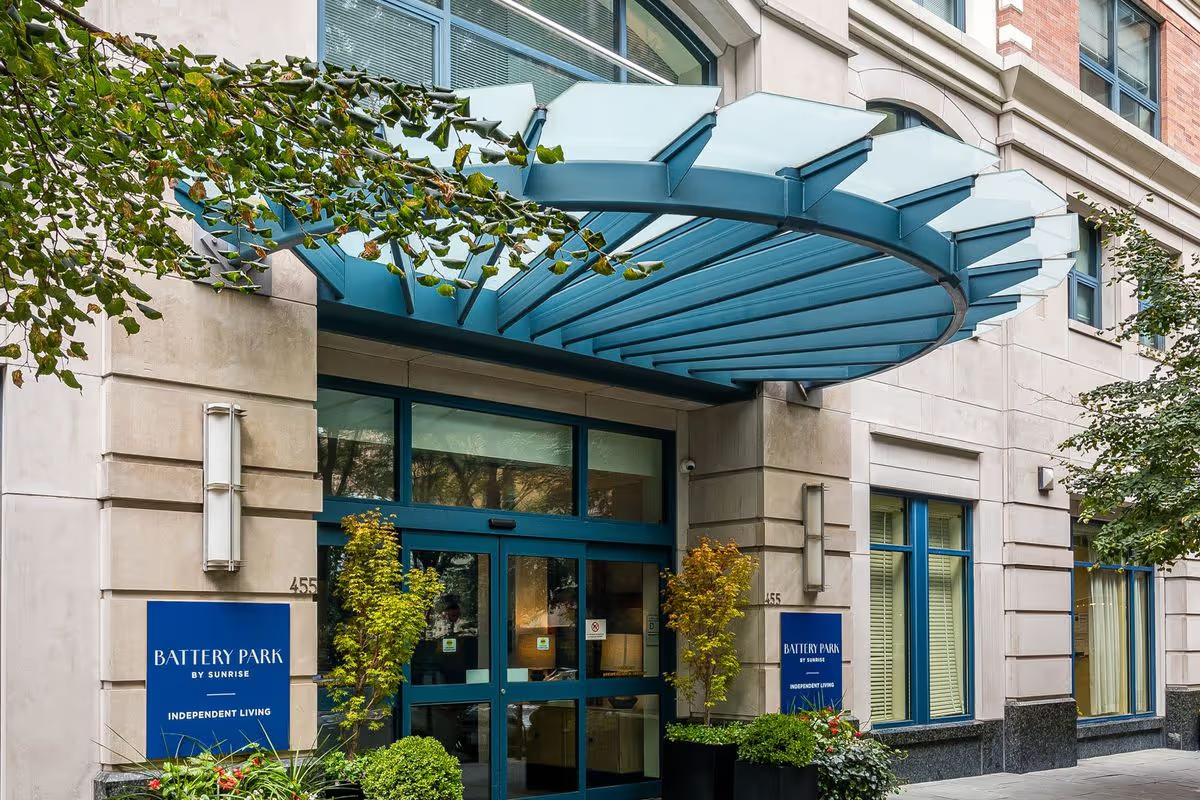
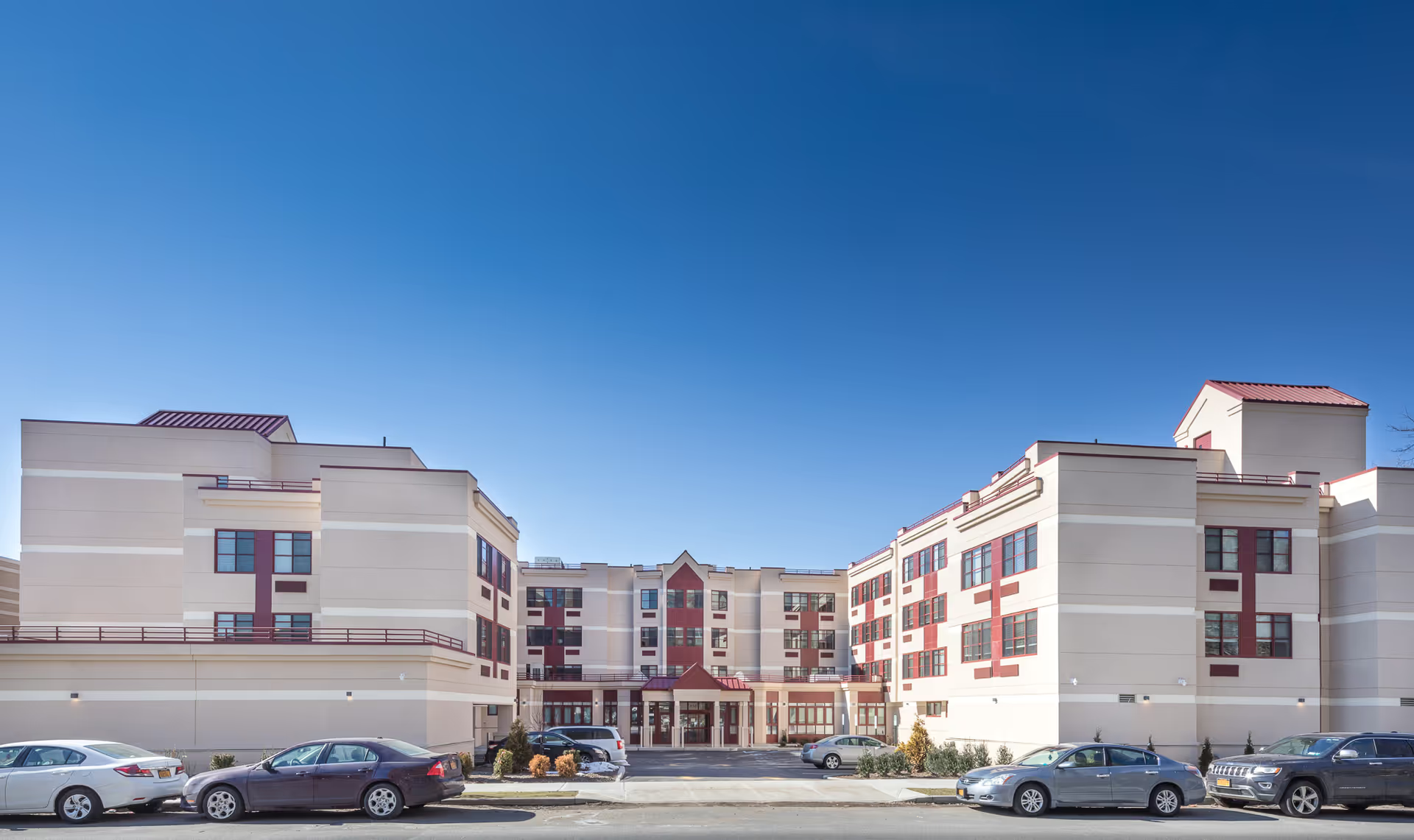
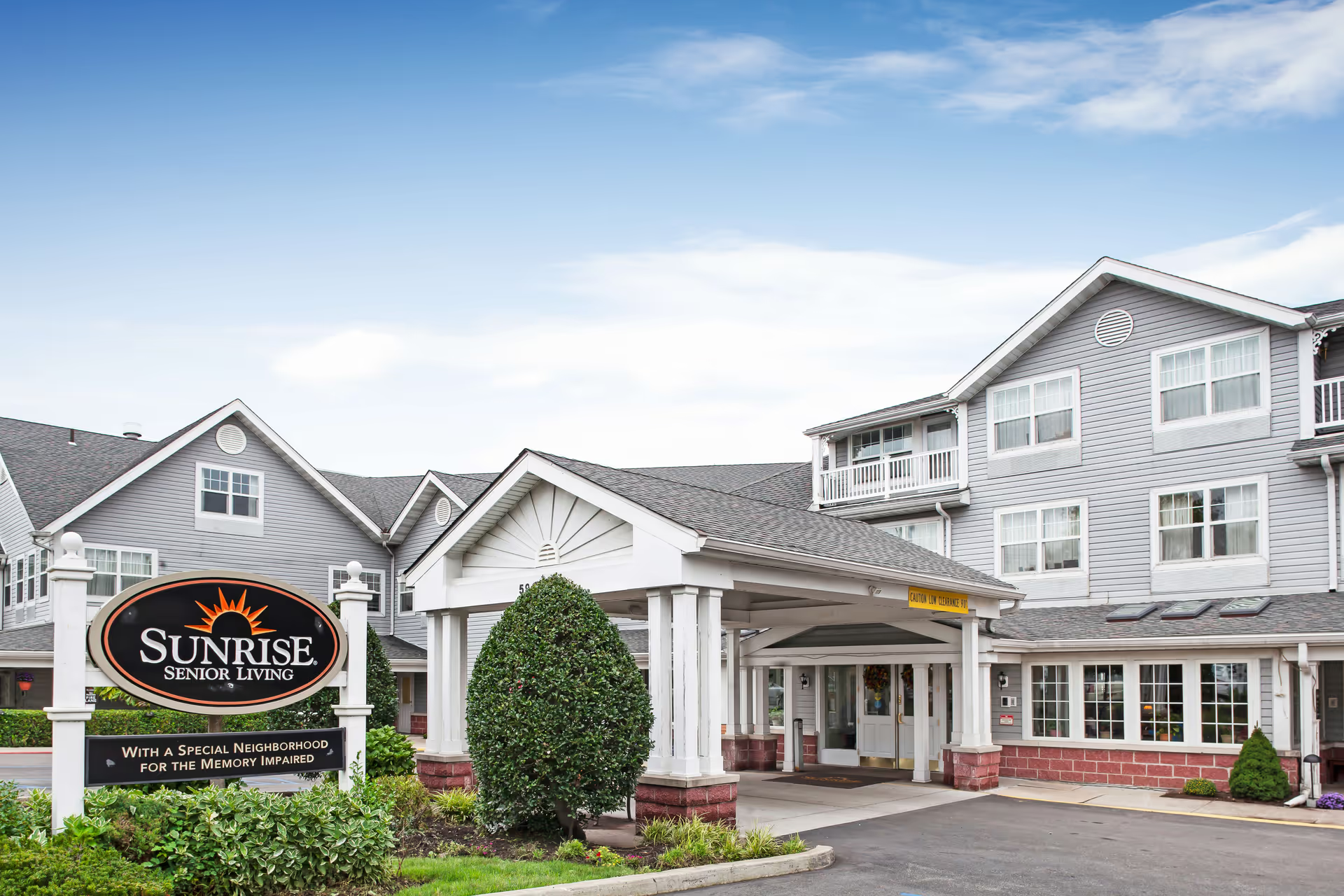
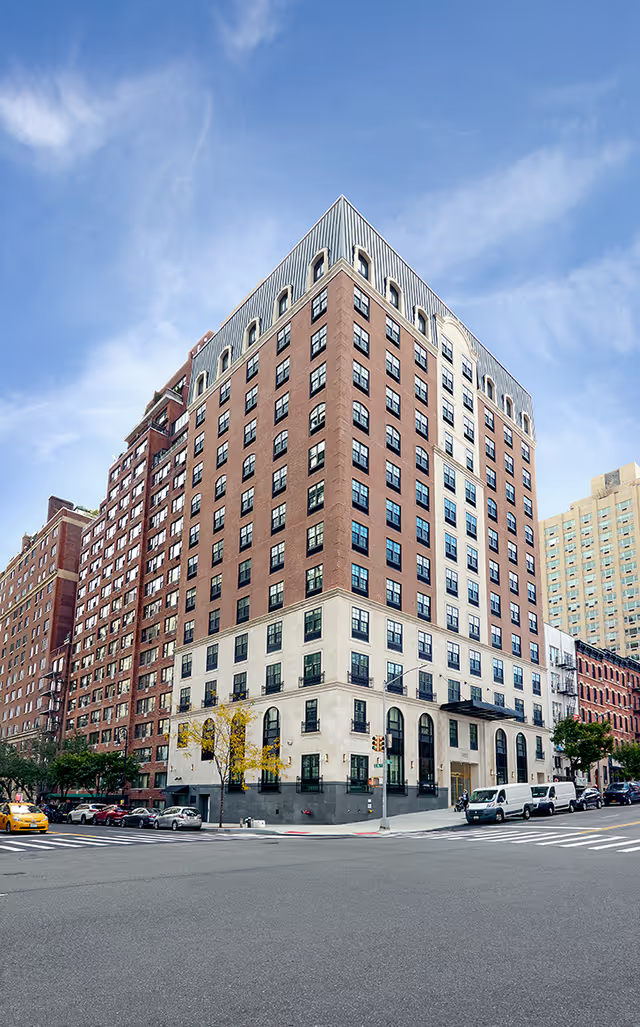
The physical environment is a clear area of concern. Multiple reviewers describe an older, ward-style layout with crowded shared rooms, limited private bathrooms, and dated furnishings and equipment. These conditions are linked to practical inconveniences—limited privacy, constrained visitor seating, and accessibility challenges such as insufficient elevators and parking. Related operational themes include sanitation and odor concerns in some areas, pest-control issues in units, and inconsistent adherence to infection-control and hand-hygiene practices according to family observations.
Dining and daily living offerings present a mixed picture. Recreation and therapy are frequently praised, but meal variety and culinary quality receive negative comments, with limited menu choices and inconsistent meal experiences noted. Language-access limitations (for example, Cantonese services) and uneven staff communication with non-English-speaking families are additional operational gaps highlighted.
Notable patterns for prospective residents and families: the facility appears capable of delivering strong rehabilitative and nursing care, particularly when staffed with experienced therapists and dedicated nurses. However, those strengths coexist with an aging physical plant and operational inconsistencies that can affect comfort, privacy, and administrative interactions. When evaluating this facility, families should weigh the demonstrated clinical and therapy capabilities against the infrastructure limitations and variability in administrative and infection-control practices. Asking about unit layout, room occupancy, language services, pest-control procedures, staffing patterns by shift, and protocols for family notification during clinical incidents will help clarify whether the facility’s strengths align with a specific resident’s needs.