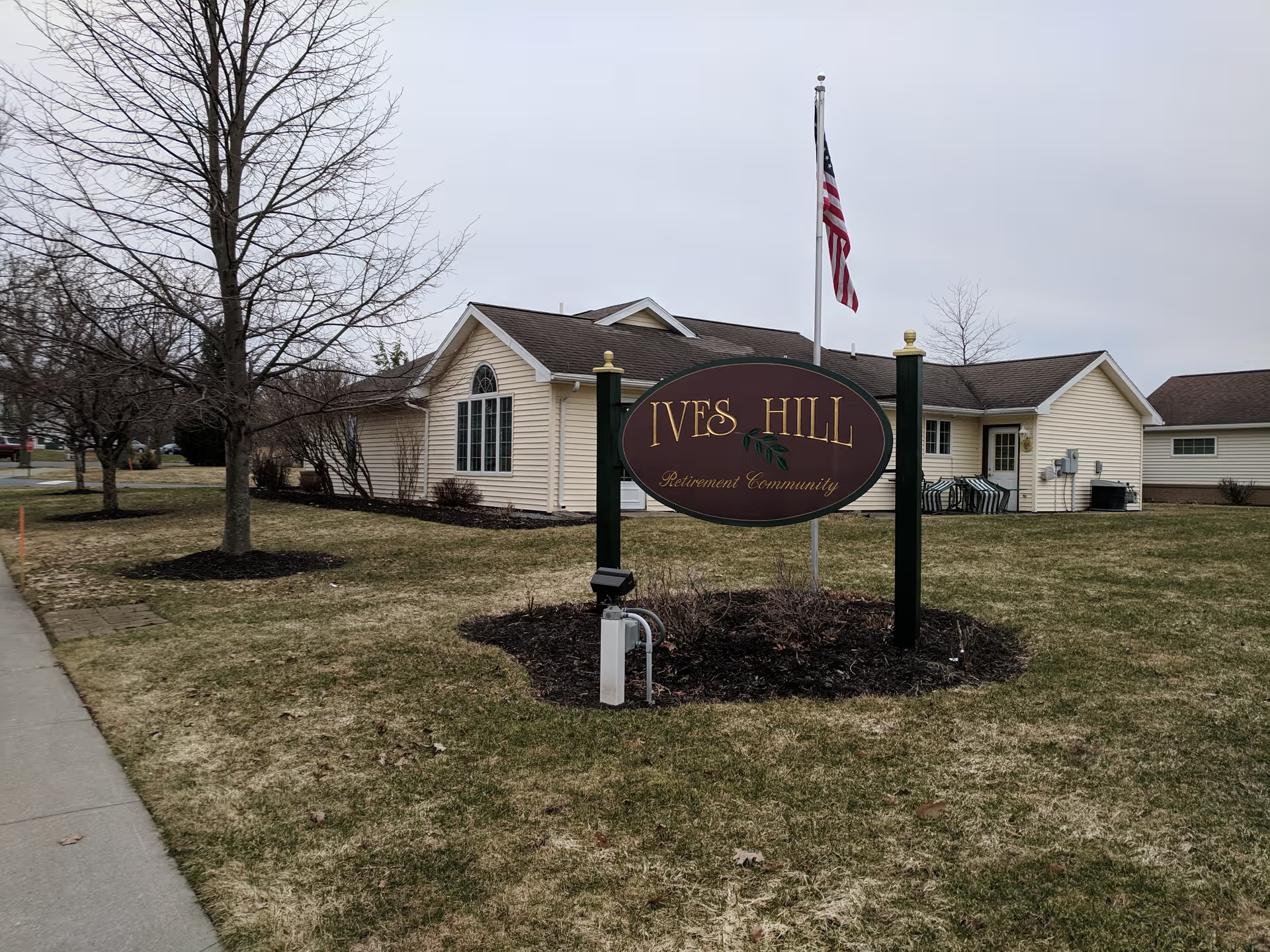
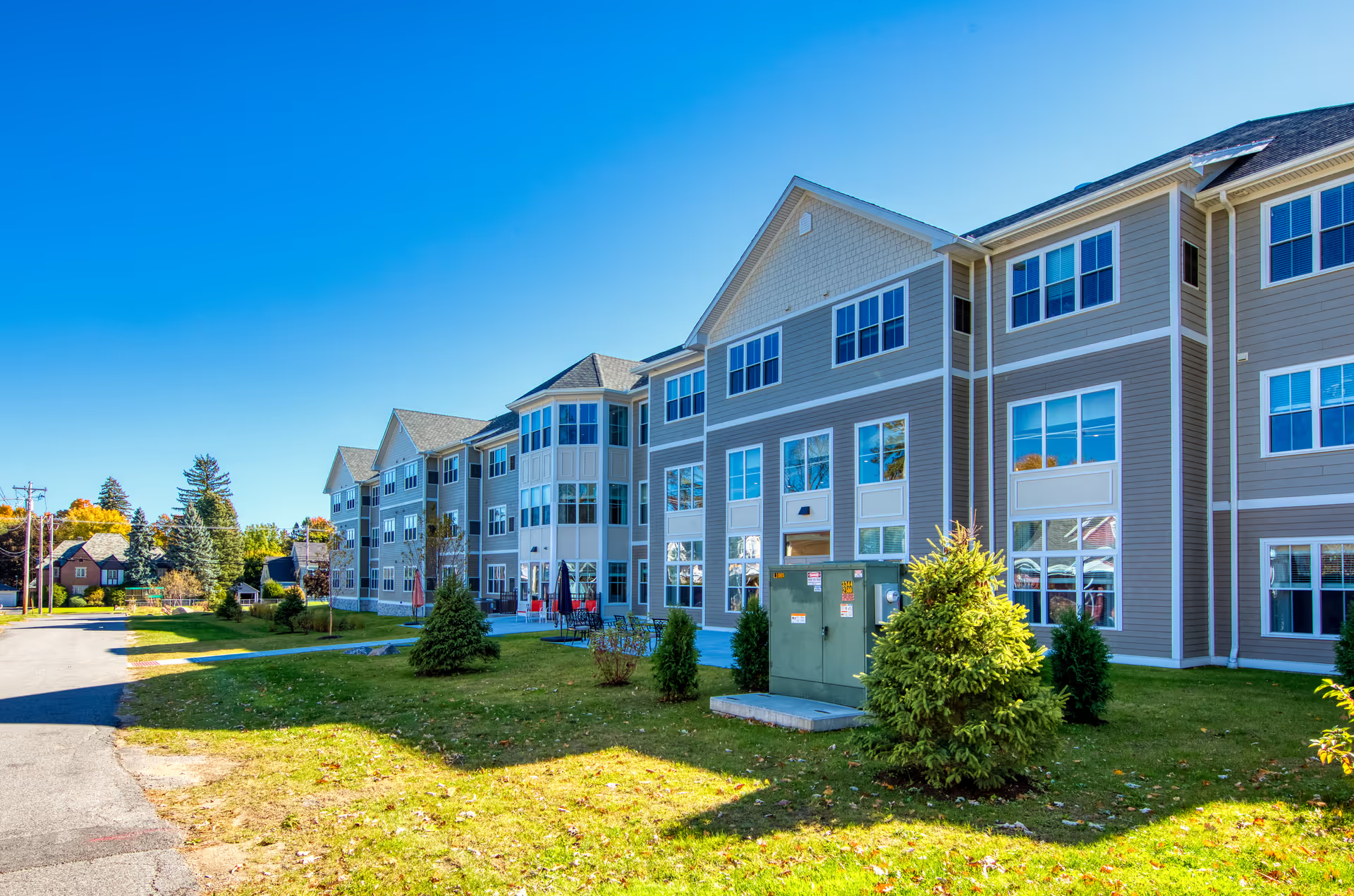
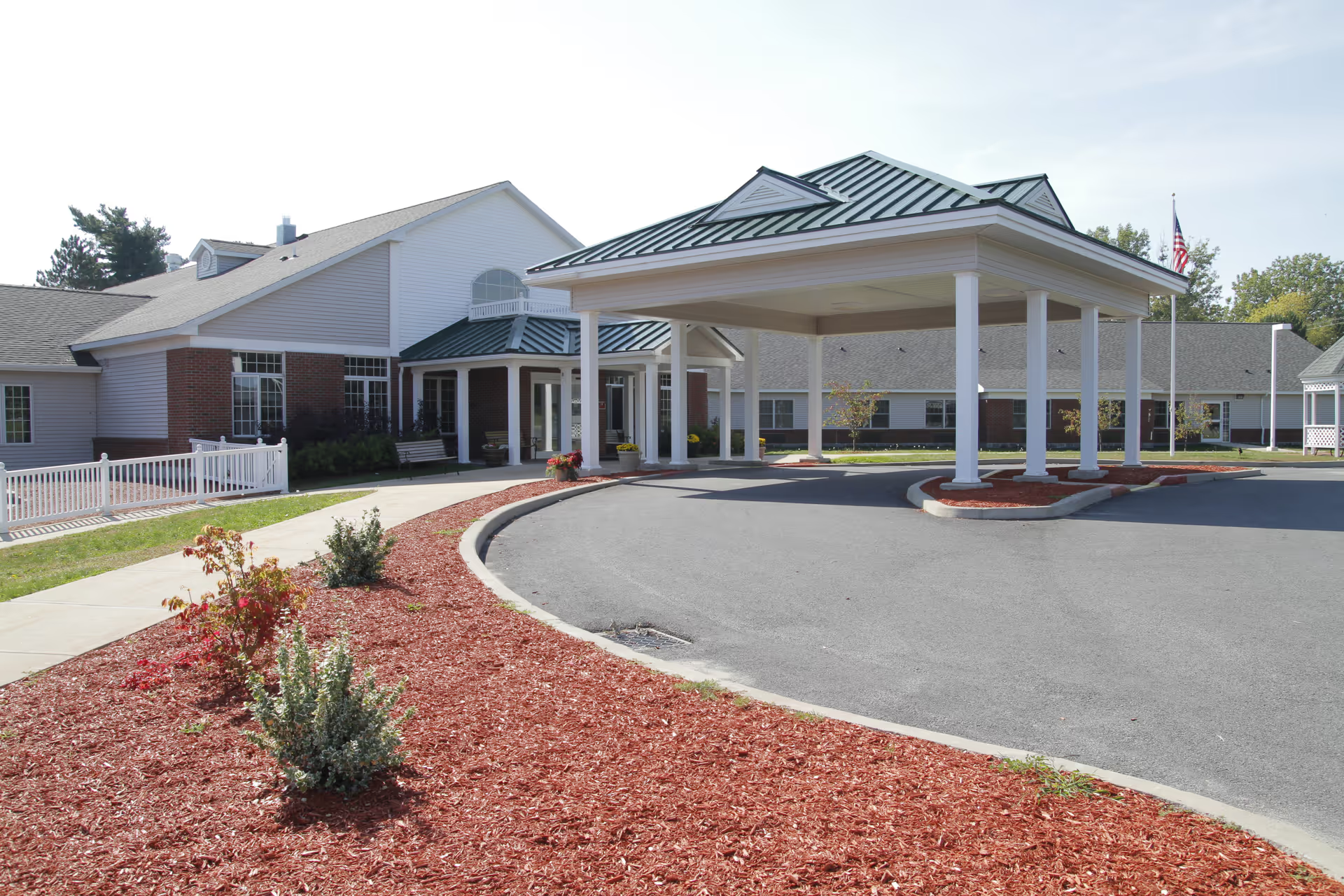
Overall impression: The reviews present a mixed picture. There are documented examples of compassionate, patient interactions between staff and residents, and the facility provides on-site skilled nursing and rehabilitation services. However, recurring operational concerns appear across multiple accounts and warrant careful inquiry by prospective residents and families.
Care quality and clinical services: Several families described inconsistent delivery of basic personal care. Specific operational issues include irregular bathing schedules, incontinence-care delays or practices that did not align with family expectations, and variability in the intensity and availability of physical/occupational therapy. There are also accounts of delays in arranging transfers to higher levels of rehabilitation care. While skilled services are present on site, their consistency and timeliness were cited as areas of concern.
Staffing, conduct, and training: A persistent theme is understaffing and high turnover. Reviewers linked staffing shortages to slower response times and gaps in supervision. Concerns about staff tone and responsiveness — described as rude, defensive, or unsympathetic — were raised alongside comments that some individual staff provided respectful, patient care. Reviewers suggested a need for improved staff support and additional training in empathetic communication and resident-centered care. Workforce morale and compensation practices were also identified as contributors to retention challenges.
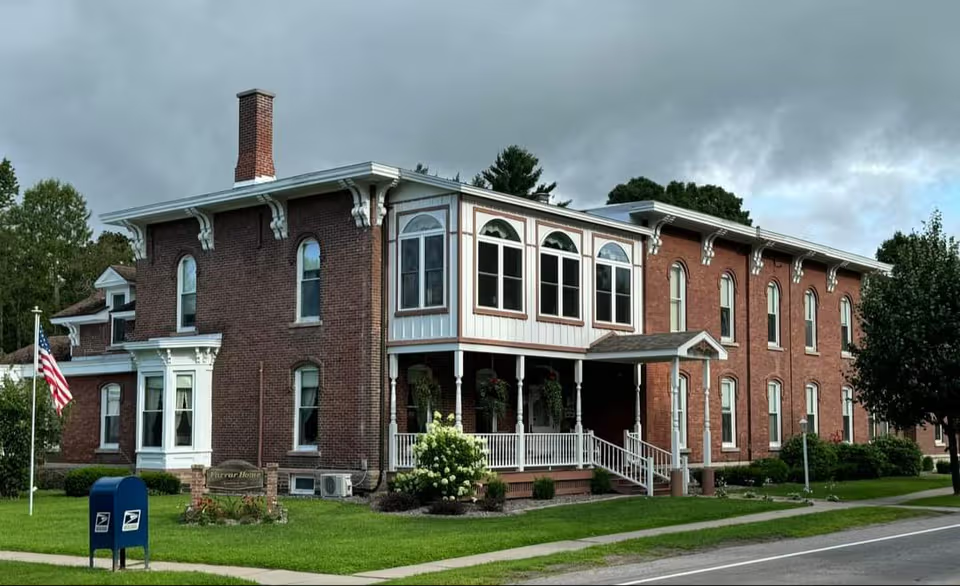
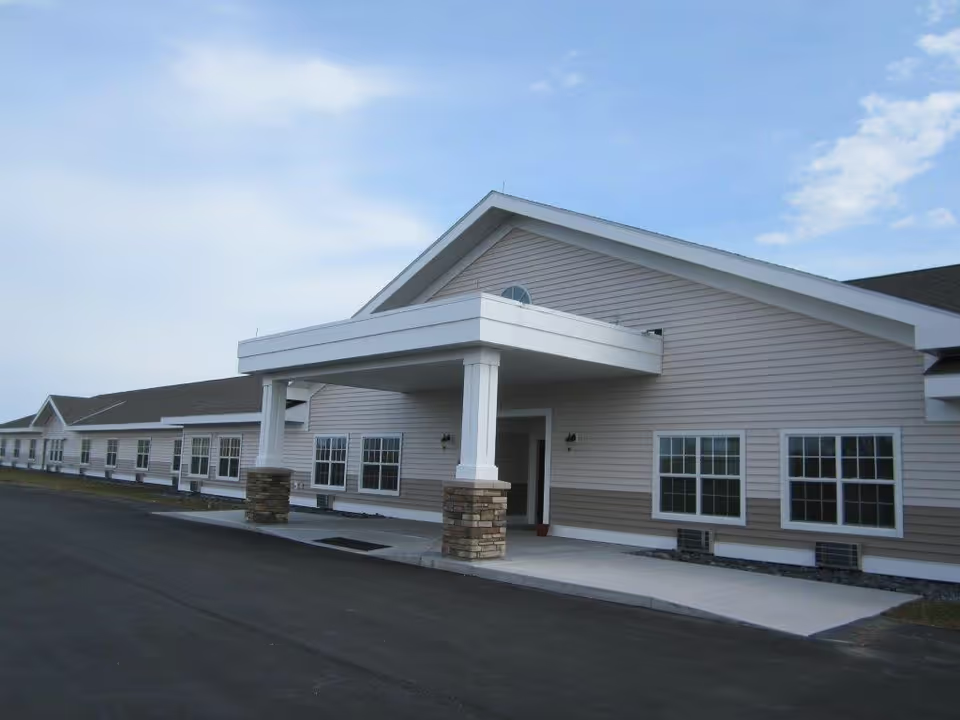
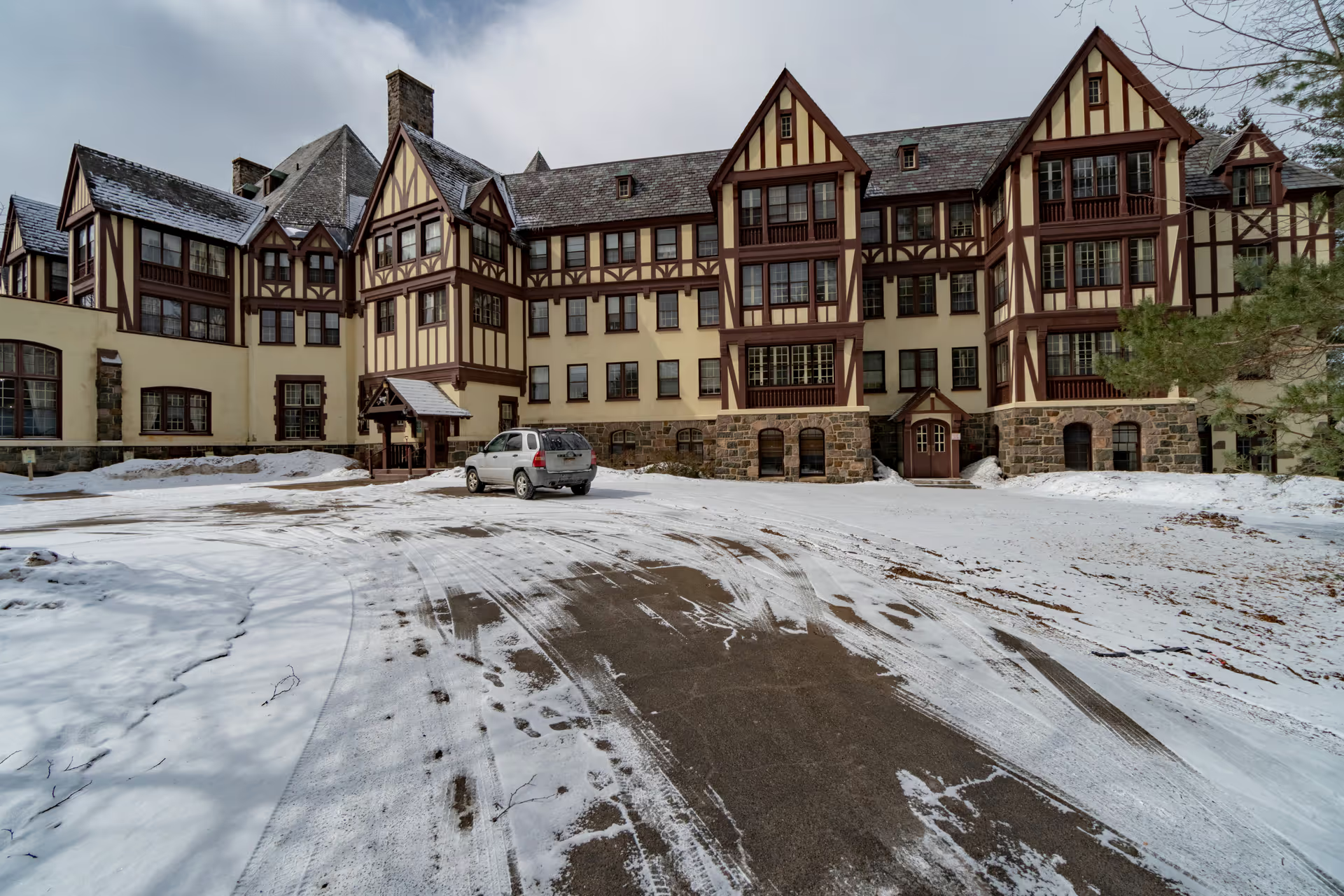
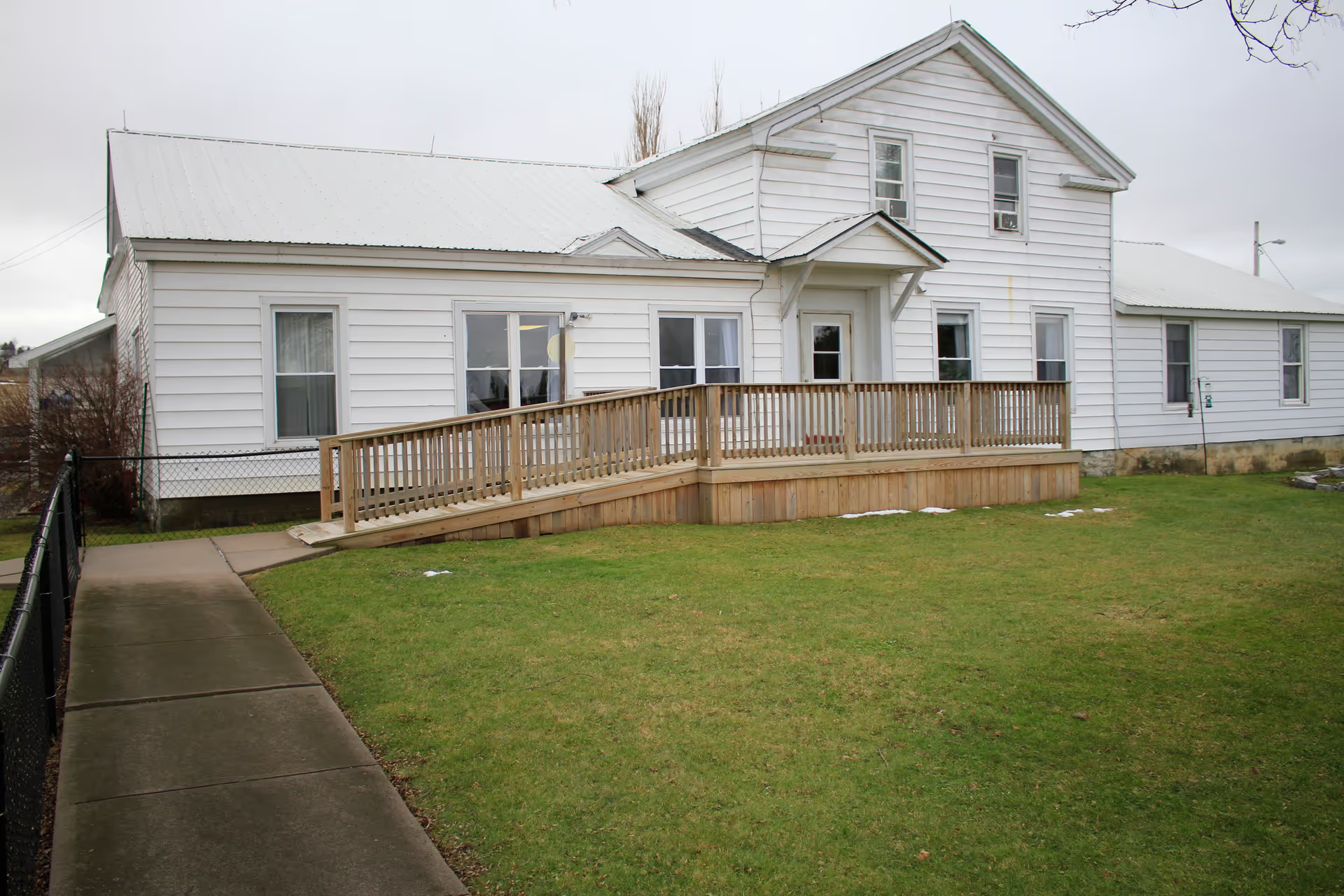
Dining and facilities: Multiple accounts describe unreliable meal service (late or missed meals), menu items running out, and inconsistent food quality. There were also references indicating kitchen or food-preparation sanitation concerns. Facility environment impressions were mixed; while some families found interactions respectful and the environment acceptable, others noted cleanliness and service problems tied to operations rather than the physical plant itself.
Management, safety, and family communication: Reviewers raised concerns about gaps in resident supervision (residents left unattended) and inconsistent informed-consent processes for personal-care tasks. One reviewer referenced an alleged inappropriate conduct incident involving staff; such serious individual claims suggest families should request details about incident reporting, investigation procedures, and any regulatory findings. Communication from management about staffing, care incidents, and transfers was described as inconsistent in several accounts.
Patterns and recommendations for families: The dominant patterns are operational — understaffing, high turnover, variability in personal-care and dining services, and occasional serious conduct concerns. Prospective residents and family members should tour the facility, observe staffing levels across shifts, ask about recent staff turnover rates and training programs, request details on therapy schedules and average therapy minutes, review dining menus and food-safety practices, and inquire about consent policies and incident-reporting procedures. Checking state inspection reports and asking facility leadership for corrective-action documentation may clarify whether cited issues have been addressed.