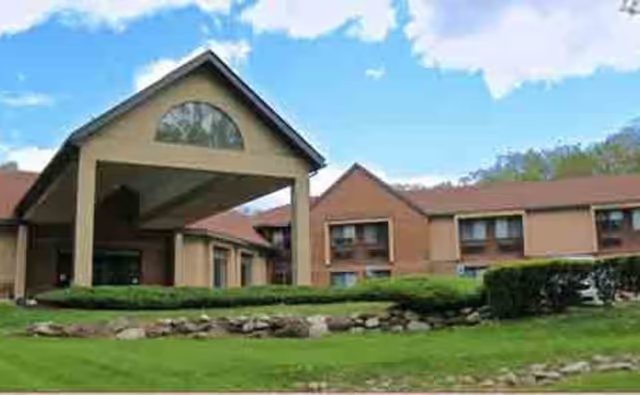
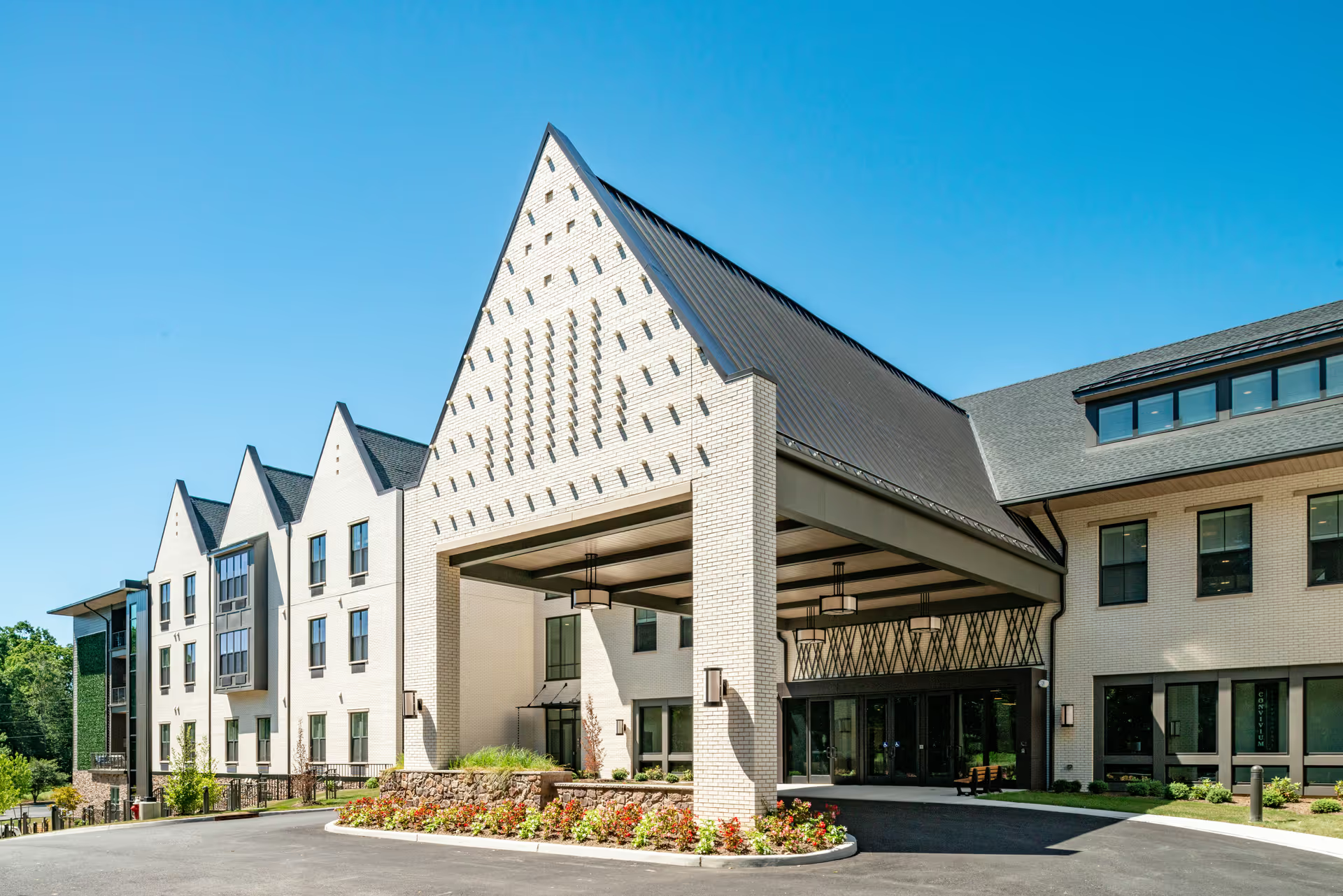
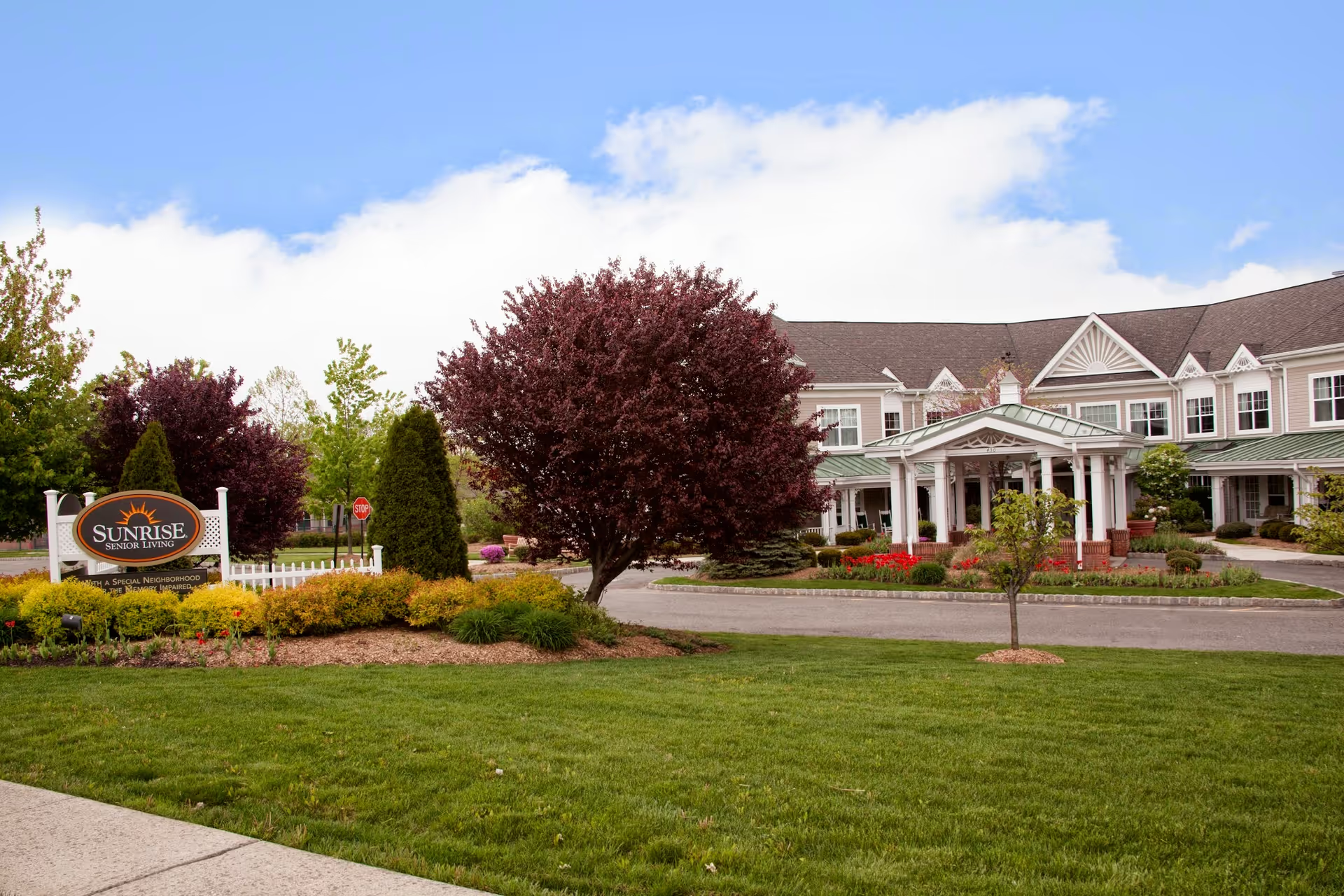
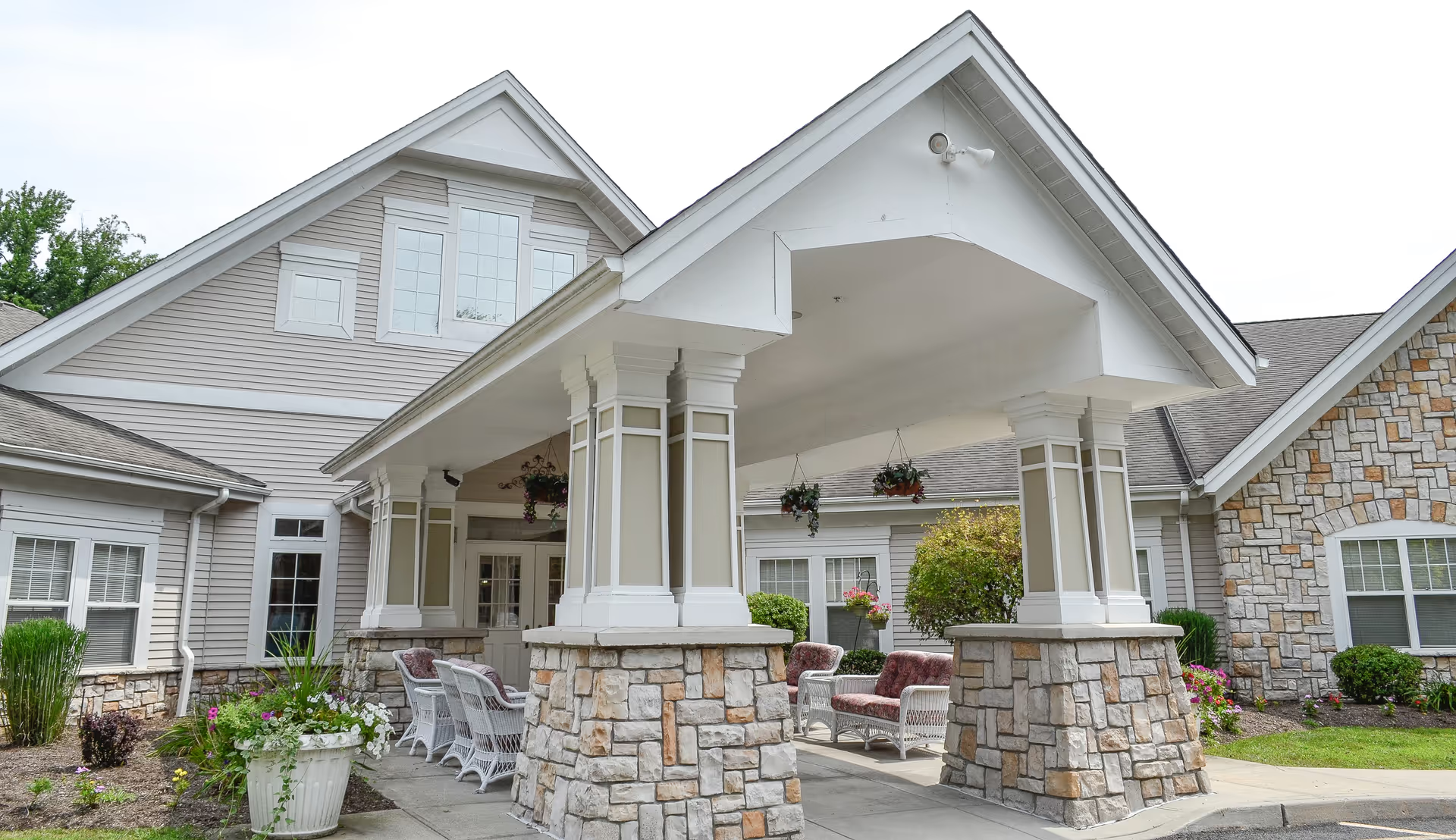
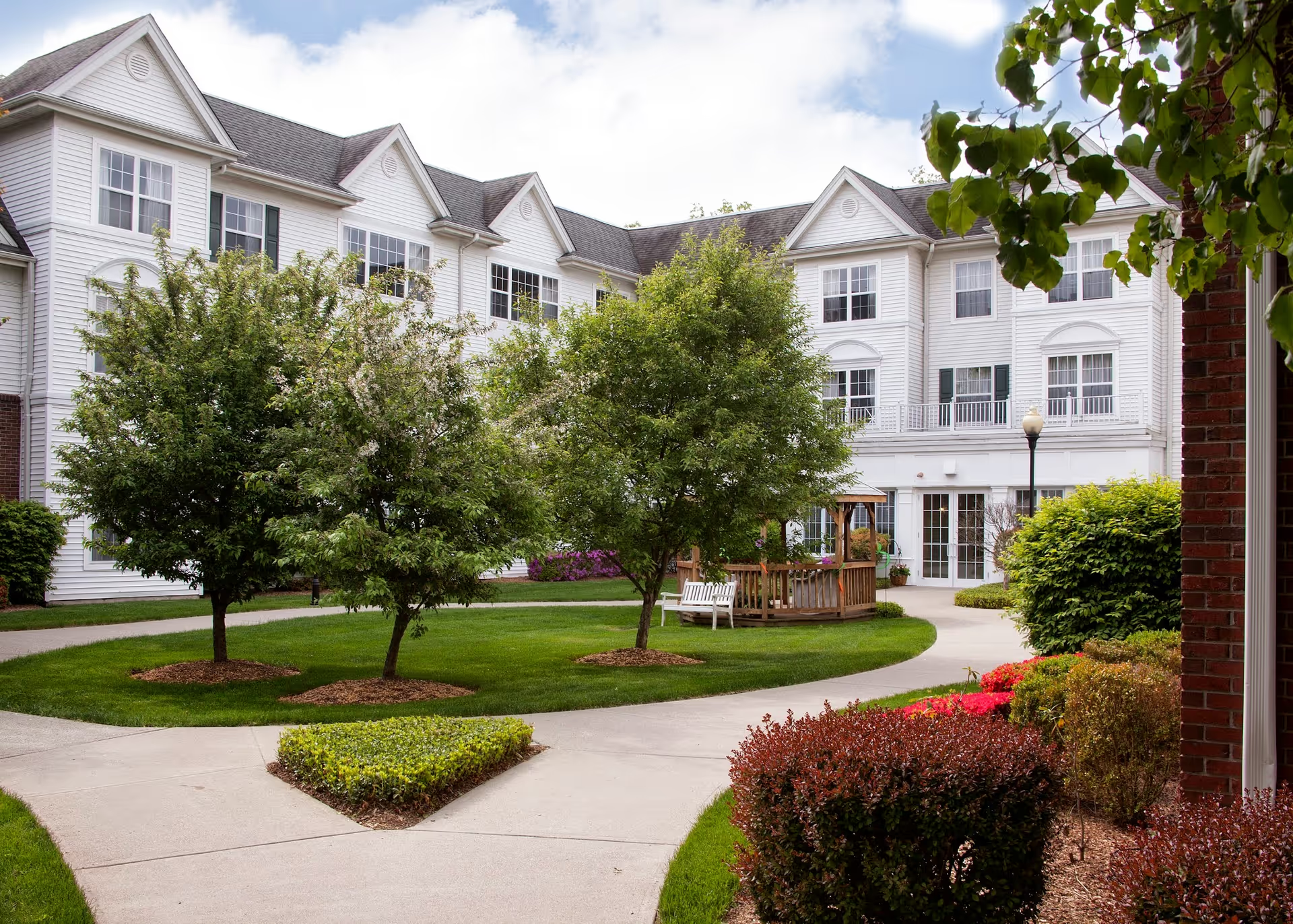
Artis Senior Living of Chestnut Ridge is consistently praised for its person-centered memory-care environment, energetic activity programming, and a welcoming, family-like culture. Reviewers frequently highlight compassionate, attentive caregivers and highly engaged activity staff who deliver a broad range of offerings — live music, music therapy, gardening, crafts, chair yoga, outings, and therapy-animal visits — that many residents find meaningful and socially connecting. The facility’s single-floor, small-neighborhood design, private rooms with en-suite baths, secure walking areas and modern interior are repeatedly noted as contributing to a home-like, secure atmosphere that supports residents with dementia.
Dining and therapy services are cited as strengths. Multiple accounts commend a skilled culinary team and appealing meal options — including choice at mealtimes and attention to desserts — and many families describe therapy staff who integrate rehabilitation into enjoyable activities. Access to geriatric psychiatric and physician consultation is another frequently mentioned support that complements the memory-care focus.
At the same time, a consistent pattern of operational concerns emerges across reviews. Clinical staffing and scheduling are the most prominent themes: reviewers describe variability in nursing coverage within neighborhoods, reliance on third-party/agency nurses at times, and higher-than-desired turnover among aides. These issues are tied to gaps in continuity of care and to family unease about clinical responsiveness during some shifts. Relatedly, some families report management and communication weaknesses — delayed or unreturned emails and the need for ongoing vigilance to ensure clinical details are addressed.
Logistics and facility-management items also recur. Several accounts reference laundry and personal-item handling problems (mislabeling, delays, misplaced items), gaps in supply and equipment availability (wheelchairs, walkers, toiletries, continence supplies), occasional room-temperature control issues, and limited in-room entertainment options. Security and privacy concerns have been raised where doors were found unsecured or personal belongings were lost, and one review included an allegation of an on‑site staff altercation that families asked be investigated. Finally, some families perceive monthly fees as high relative to certain operational shortcomings and request clearer meal/fee budgeting transparency.
In sum, the community’s core strengths are its memory-care focus, strong activity and therapy programming, culinary quality, and a caring workforce that many families describe as going above and beyond. These positives are tempered by operational and clinical consistency issues — chiefly nursing coverage variability, supply/equipment management, laundry/personal-item processes, and occasional communication/management responsiveness gaps. Prospective families should plan a visit that specifically reviews staffing schedules and ratios, laundry and belongings protocols, supply/equipment availability, emergency-equipment visibility, pricing and meal-budget details, and examples of clinical escalation/communication processes to assess whether the facility’s strengths align with the incoming resident’s needs.